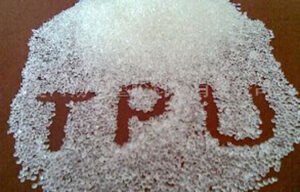









1. إيلاستومرات البولي يوريثان: التطبيقات الأساسية، ومقاييس الأداء ومشهد السوق
تمثل لدائن البولي يوريثان (PU) قمة هندسة المواد، حيث توفر توازنًا رائعًا بين المرونة والمتانة وتعدد الاستخدامات. على عكس أشباهها من الرغوة الصلبة المستخدمة في عزل مواد البناء، صُممت لدائن البولي يوريثان من أجل المرونة العالية ومقاومة التآكل وامتصاص الطاقة، مما يتيح استخدامها كمكونات ديناميكية في مختلف الصناعات. ويتوقف نجاحها على مجموعة واسعة من التطبيقات، ومجموعة واسعة من مقاييس الأداء القابلة للضبط، ومشهد سوق عالمي قوي ومتطور.
- التطبيقات الأساسية في مختلف الصناعات
لقد انتقلت اللدائن البولي يوريثان إلى ما هو أبعد من الاستخدامات التقليدية، حيث أثبتت نفسها كمواد أساسية في القطاعات التي تتطلب أداءً ميكانيكيًا وموثوقية فائقة.
الأجهزة الطبية والرعاية الصحية
لا يمكن الاستغناء عن اللدائن البولي يوريثان في الهندسة الطبية الحيوية نظرًا لخصائصها الميكانيكية الممتازة وقابليتها للتخصيص والتوافق الحيوي.
- التطبيقات الرئيسية:
- القلب والأوعية الدموية: القلوب الصناعية وأغطية أجهزة تنظيم ضربات القلب، والأوعية الدموية الاصطناعية، ومكونات أجهزة غسيل الكلى، والقسطرة (القلبية، البولية).
- الجراحية والزرع: الدعامات القابلة للتمدد (باستخدام البولي يوريثان البولي يوريثان القابل للتوسيع (باستخدام البولي يوريثان ذي الذاكرة الشكلية)، وخطوط خياطة الجروح، وزراعات العظام، وإسمنت العظام.
- التكنولوجيا الحيوية المتخصصة: جسيمات جانوس الفلورسنت والموسومة مغناطيسيًا والقائمة على البولي يوريثان للتصوير الحيوي.
- حتمية التوافق الحيوي: يجب أن تحفز المواد عدم وجود التهاب أو تفاعلات سامة. فهي تتطلب خصائص سطحية متوازنة بين المجموعات المحبة للماء والكارهة للماء، ومقاومة لامتصاص البروتين (وهو أمر بالغ الأهمية للأجهزة الملامسة للدم مثل الدعامات)، والثبات بعد التعقيم.
هندسة السيارات والنقل
بدءاً من تعزيز الراحة ووصولاً إلى ضمان المتانة، تُعدّ اللدائن المصنوعة من البولي يوريثان حجر الزاوية في تصميم السيارات الحديثة ووظائفها.
- التطبيقات الرئيسية:
- الراحة الداخلية: الرغوة عالية المرونة (HR) والرغوة بطيئة الارتداد للمقاعد, الرغوة شبه الصلبة ذاتية التغليف لعجلات القيادة، وبطانة لوحة العدادات.
- الهيكل الخارجي والهيكل: الأجزاء المنتجة عن طريق القولبة بالحقن التفاعلي (RIM), مثل المصدات وألواح الهيكل (الأبواب والجناح)، مما يوفر ثباتاً عالي الأبعاد وخفة في الوزن.
- المكونات الديناميكية: البولي يوريثان البولي يوريثان المجهري لمخمدات الاهتزاز، وكتل العازل، وحوامل المحرك، وبطانات التعليق, التي تتميز بتراكم الحرارة الداخلية المنخفض والارتداد العالي.
- الأجزاء الوظيفية: الإطارات الصلبة للرافعات الشوكية، وحلقات منع التسرب، وأغطية الغبار، وخطوط الوقود (باستخدام مادة TPU المقاومة للزيوت)، وأغشية الوسائد الهوائية الآمنة، وطلاء أسفل الهيكل.
الأحذية والسلع الاستهلاكية
في سوق الأحذية التنافسي، توفر البولي يوريثان المطاط الصناعي مزيجاً ناجحاً من الأداء والراحة وحرية التصميم.
- التكنولوجيا الأساسية: القولبة التفاعلية السائلة ثنائية المكونات (RIM/PU) هي العملية الأساسية.
- المزايا الرئيسية:
- خفيف الوزن: يمكن أن يحقق نعل الحذاء المصنوع من البولي يوريثان البولي يوريثان المجهري كثافة منخفضة تصل إلى 0.3 - 0.4 جم/سم مكعب, أخف بكثير من المطاط (حوالي 1.2 جم/سم مكعب).
- ارتداء فائق وراحة فائقة: مقاومة ممتازة للتآكل مع توسيد من البنية الخلوية الدقيقة.
- مرونة التصنيع: يتيح إنتاج نعال ذات تصميمات معقدة، وكثافات متعددة (مثل النعال الرياضية مزدوجة الكثافة)، وألوان متعددة. التوصيل المباشر تتيح لك هذه التقنية تشكيل النعل مع الجزء العلوي من الحذاء بسلاسة وبضربة واحدة.
- أنظمة المواد: غالبًا ما تستخدم التركيبات أجهزة الاستنشاق بالجرعات المسيلة, والبولي إيثر أو بوليولات البوليستر، والماء كعامل نفخ. قد تستخدم المحاليل المتطورة مستندة إلى NDI أو الأليفاتية الأيزوسيانات من أجل الأداء الفائق أو الخصائص غير المصفرة، على التوالي.
الماكينات والمكونات الصناعية
في البيئات الصناعية القاسية، تحل اللدائن المصنوعة من البولي يوريثان محل المعادن والمطاط التقليدي والبلاستيك، مما يوفر عمر خدمة أطول بشكل كبير ويقلل من تكاليف الصيانة.
- التعدين ومناولة المواد: الشاشات/التزيين مع حياة التآكل 3 إلى 5 مرات أطول من الفولاذ، مما يقلل من الضوضاء ويحسن جودة الفحص. يُستخدم أيضًا في أجزاء مضخة الطين وبطانات الناقل والإطارات الصلبة.
- الأجزاء الميكانيكية العامة: البكرات، والمحامل، والتروس، وموانع التسرب الاستفادة من قدرة التحميل العالية، ومقاومة الزيوت، والخصائص الديناميكية الممتازة.
- الأدوات والقولبة: أدوات البولي يوريثين لبطانات القوالب الخرسانية أو قوالب مكابس القوالب, توفر عمرًا أطول وتشطيبًا أفضل لعمليات الإنتاج متوسطة الدفعة مقارنةً بالمواد التقليدية.
- كهربائي: مركبات التخزين لمركبات ثنائي الفينيل متعدد الكلور والموصلات، مما يوفر العزل والعزل المائي ومقاومة الصدمات.
ملحوظة على عزل المباني
من المهم أن نميز أنه وفقًا للبيانات المتاحة، فإن رغوة البولي يوريثان الصلبة هي المادة الأساسية لعزل المباني، حيث توفر توصيلًا حراريًا منخفضًا ومقاومة للماء. استومر البولي يوريثان هي ليست مادة سائدة للعزل الهيكلي للجدران أو الأسقف، وبدلاً من ذلك يتم تحسينها للتطبيقات الديناميكية أو الحاملة أو العازلة.
- مزايا الأداء المقنعة
تتفوق اللدائن المصنوعة من البولي يوريثان على المواد المنافسة في العديد من المجالات الرئيسية، مما يبرر مكانتها المتميزة في التطبيقات الصعبة.
بُعد الأداء | الميزة الرئيسية | معيار المقارنة |
مقاومة التآكل | مطاط مقاوم للتآكل | مقاومة التآكل 2-10 مرات أعلى من المطاط الطبيعي، مع تفوق أكبر في الظروف الرطبة أو الزيتية. |
الخواص الميكانيكية | صلابة قابلة للضبط على نطاق واسع وقوة عالية | تتراوح الصلابة من شور أ 10 إلى شور د 80+؛ قوة الشد حتى 50-60 ميجا باسكال؛ قوة تمزق متفوقة على PVC ومعظم المطاط. |
التحمل البيئي | مقاومة ممتازة للزيوت والوقود والمواد الكيميائية | تُظهر الأنواع القائمة على البوليستر مقاومة فائقة للزيوت والمذيبات غير القطبية (البنزين والبترول). |
الأداء الديناميكي | تراكم حراري منخفض ومرونة عالية في الارتداد | ضرورية لمخمدات الاهتزاز والمكونات الديناميكية؛ حيث توفر الأنظمة القائمة على NDI مجموعة ضغط منخفضة بشكل استثنائي. |
مرونة المعالجة | أدوات منخفضة التكلفة وحرية التصميم | تتيح العمليات منخفضة الضغط (RIM، الصب) استخدام أدوات راتنج غير مكلفة، وهي مثالية للنماذج الأولية والأشكال الهندسية المعقدة. القوالب المعدنية غير مطلوبة، مما يقلل بشكل كبير من الوقت والتكلفة. |
- هيكل السوق العالمي وديناميكياته
في حين أن البيانات الدقيقة لعام 2024 بعيدة المنال، إلا أن الهيكل والاتجاهات الراسخة توفر مشهدًا واضحًا للسوق.
- المشهد العام للتطبيقات الكلية: يهيمن على سوق البولي يوريثان الأوسع نطاقًا (مرجع للبلاستومرات المطاطية) المباني (حوالي 261 طنًا من البولي يوريثان)، والأثاث (حوالي 221 طنًا من البولي يوريثان)، والسيارات (حوالي 171 طنًا من البولي يوريثان)، والإلكترونيات/الأجهزة المنزلية (حوالي 141 طنًا من البولي يوريثان). تُعد السيارات والأحذية أهم سوقين ناضجين وناضجين على وجه التحديد للبولي يوريثان المطاطي البولي يوريثان مع وجود مجالات صناعية وطبية واستهلاكية تمثل مجالات نمو عالية القيمة.
- الهيمنة الإقليمية: تعد منطقة آسيا والمحيط الهادئ، التي تتصدرها الصين، أكبر الأسواق المنتجة والمستهلكة وأكثرها ديناميكية على الصعيد العالمي، مما يشكل هيكل “الأعمدة الثلاثة” مع أوروبا وأمريكا الشمالية. لا تستحوذ الصين على حصة هائلة من الاستهلاك العالمي (تمثل حوالي 401 تيرابايت 3 تيرابايت من الاستهلاك العالمي من البولي بروبيلين تيرابايتين في عام 2009) فحسب، بل هي أيضًا مركز مركزي للتصنيع والابتكار.
- محركات النمو: ويدفع السوق الحاجة المستمرة إلى مواد خفيفة الوزن ومتينة في صناعة السيارات؛ والطلب على الراحة والأداء في الأحذية والمعدات الرياضية؛ والتوسع في قطاعات التكنولوجيا الفائقة مثل الطاقة الجديدة (مثل أغشية البولي يوريثان تيرفثالات البولي يوريثان للألواح الشمسية)، والأجهزة الطبية المتقدمة، والمكونات الصناعية الذكية.
- التوقعات المستقبلية والتوجهات الاستراتيجية
يتم تشكيل مسار اللدائن البولي يوريثان من خلال اتجاهات كبرى قوية تعيد تعريف القيمة التي تقدمها.
- الكيمياء المستدامة والدائرية: تتسارع وتيرة البحث عن مواد “صديقة للبيئة”. إستومر البولي يوريثان البولي يوريثان الحيوي (على سبيل المثال، بمحتوى متجدد من الزيوت النباتية ≥60%) يتم تسويقها تجاريًا، مما يوفر أداءً متكافئًا مع الدرجات القائمة على الوقود الأحفوري. وفي الوقت نفسه، فإن إعادة التدوير الكيميائي، لا سيما التحلل السكري في المرحلة المنقسمة المتقدمة, ، تتقدم لاستعادة البوليولات من مجاري نفايات ما بعد التصنيع ونفايات محددة بعد الاستهلاك لإعادة استخدامها في تركيبات جديدة.
- التصنيع الذكي والرقمنة: يؤدي اعتماد إنترنت الأشياء والذكاء الاصطناعي والتحليلات التنبؤية إلى تحويل الإنتاج. أنظمة التحكم الذكية (على سبيل المثال، APPC، FOAMATIC-IoT) تتيح ضبط المعلمات في الوقت الحقيقي، والصيانة التنبؤية، وتقليل هدر المواد بشكل كبير (وفورات موثقة تبلغ 10-151 تيرابايت 3 تيرابايت) واستهلاك الطاقة (10-301 تيرابايت 3 تيرابايت 3 تيرابايت). وهذا يعزز اتساق المنتج والكفاءة التشغيلية والقدرة التنافسية من حيث التكلفة.
- التخصص عالي الأداء: يستمر الطلب في النمو على اللدائن المصممة للظروف القاسية، مثل مقاومة درجات الحرارة العالية (حتى 135 درجة مئوية تقريبًا من الاستخدام المستمر مع أنظمة PPDI) أو قدرة تحمل ديناميكية استثنائية للتطبيقات الصناعية والسيارات الصعبة. يخلق هذا التخصص قطاعات عالية القيمة ويحفز الاستثمار في البحث والتطوير.
وبالتالي، يتميز سوق البولي يوريثان الإيلاستومر بقوته المتجذرة في الصناعات التقليدية، ويغذيه الابتكار المستمر في المواد، ويتمحور استراتيجيًا نحو مستقبل أكثر استدامة وذكاءً وأداءً عاليًا. القيمة الأساسية المقترحة-تقديم مزيج فريد من المرونة والمتانة والقدرة على التكيف مع العمليات-لا تزال حجر الزاوية في اعتمادها على نطاق واسع ومسار نموها الواعد.
2. آلات الرغوة منخفضة الضغط: مبادئ العمل والمواصفات والتوافق مع الإيلاستومر
بناءً على متطلبات التطبيقات المتنوعة لإستومرات البولي يوريثان الإيلاستومر الموضحة سابقًا، تصبح معدات التصنيع محورية. بالنسبة لغالبية اللدائن المطاطية التي يتم إنتاجها عن طريق تقنيات القولبة بالحقن التفاعلي (RIM) أو تقنيات الصب, ماكينات الرغوة منخفضة الضغط (LPFMs) بمثابة تقنية حجر الزاوية. يتعمق هذا القسم في منطقها التشغيلي الأساسي وقدراتها التقنية وملاءمتها الكامنة لتوصيف وإنتاج مجموعة واسعة من أجزاء البولي يوريثان المطاطية.
- كيف يعمل: الدورة الدموية منخفضة الضغط و مبدأ الخلط بالتقليب الميكانيكي
تكمن في قلب كل ماكينة رغوة منخفضة الضغط عملية دورية ثنائية المراحل مصممة للتحكم الدقيق والمعالجة الفعالة للمواد. على عكس أنظمة الضغط العالي التي تعتمد على الخلط بالاصطدام، تعمل ماكينات الرغوة منخفضة الضغط من خلال مزيج من التكييف المسبق المستمر والتقليب الميكانيكي.
- مرحلة الاستعداد (الدوران):
- يتم تخزين المادة A (مكون البوليول، أو “الجانب الأبيض”) والمادة B (مكون الإيزوسيانات، أو “الجانب الأسود”) في خزانات منفصلة يتم التحكم فيها حراريًا ومزودة بسترات تسخين/تبريد ومقلبات منخفضة السرعة للحفاظ على التجانس ومنع ترسب الحشو.
- يتم تدوير كل مكوّن بشكل مستمر من الخزان الخاص به من خلال دائرته المخصصة له - يمر عبر مضخة تروس أو مضخة لولبية (للمواد عالية اللزوجة), والمرشحات وخطوط الإمداد و قنوات إعادة التدوير داخل رأس الخلط-قبل العودة إلى الخزان الخاص به.
- يحافظ هذا الدوران المستمر على كلتا المادتين في درجة حرارة المعالجة الدقيقة (على سبيل المثال، 35-45 درجة مئوية للأنظمة القائمة على MDI لمنع التبلور)، ويحافظ على إزالة الغازات منهما، ويضمن أن مسار الإمداد بأكمله مهيأ وجاهز للتوزيع الفوري.
- مرحلة الاستغناء (الخلط):
- عند تلقي أمر الاستغناء، فإن صمامات المواد التي يتم تشغيلها بالهواء المضغوط في إزاحة رأس الخلط، مما يؤدي إلى إعادة توجيه التدفق من مسار إعادة التدوير إلى حجرة الخلط.
- وفي الوقت نفسه، فإن محرك تقليب عالي السرعة (تدور عادةً عند 3,000 - 12,000 دورة في الدقيقة, وغالبًا ما تكون 4,000-6,000 دورة في الدقيقة في الممارسة العملية). يتم إدخال المكونين A وB، اللذين لا يزالان تحت ضغط النظام المنخفض نسبيًا، في الحجرة.
- يتم تحقيق إجراء الخلط الرئيسي عن طريق قوى القص العالية المتولدة من أداة التقليب الميكانيكية سريعة الدوران, والتي تمزج التيارين تمامًا في خليط تفاعل متجانس. ومن الواضح أن هذه الطريقة فعالة بشكل واضح بالنسبة إلى لزوجة المطاط الصناعي مع قدرة هذه التقنية على معالجة مواد تصل إلى 40,000 mPa-s.
- ثم تتدفق المادة المخلوطة من رأس الخلط المفتوح إلى القالب المنتظر (المفتوح عادةً). بعد اكتمال الحقنة، تعود الصمامات إلى وضع الاستعداد، ويعود النظام إلى الدوران.
- تفكيك المكونات الأساسية: تشريح الترددات المنخفضة المنخفضة الترددية
آلة الضغط المنخفض عبارة عن نظام من الأنظمة الفرعية المتكاملة، لكل منها وظيفة محددة ضرورية لإنتاج المطاط الصناعي بشكل متسق. وفي حين أن الهياكل قد تختلف، فإن المكونات الرئيسية عالمية.
المكونات الأساسية | الميزات الرئيسية | النقاط الرئيسية في إنتاج الإيلاستومر |
خزان المواد ونظام التحكم في درجة الحرارة | تخزين المواد الخام وتسخينها وتجانسها | يعد التحكم الدقيق والموحد في درجة الحرارة (على سبيل المثال، الملف المغلف + الملف) أمرًا ضروريًا للقضاء على المناطق الميتة في درجة الحرارة، حيث يعمل بمثابة شريان الحياة لمنع التبلور/الانسداد الموضعي للإيزوسيانات مثل MDI. |
أنظمة القياس والنقل والقياس | توفير مواد أولية دقيقة وثابتة النسبة والكمية | يستخدم المكون أ (غالبًا ما يحتوي على مواد مالئة/لزوجة عالية) عادةً مضخات لولبية، بينما يستخدم المكون ب عادةً مضخات تروس دقيقة. يتم تشغيلها بواسطة محركات متغيرة التردد، وهي تتيح الضبط التناسبي غير المتدرج (عادةً من 1:1 إلى 1:4، مع نماذج واسعة النطاق تحقق 1:5 إلى 5:1). |
رأس الخلط والصب | تحقيق خلط المواد وصبها في القالب | يتحكم صمام الاتجاه الهوائي في تبديل الدورة/الصب. والمكون الأساسي هو رأس الخلط عالي السرعة، الذي تحدد سرعة دورانه وقوة القص المصممة له انتظام الخلط. |
نظام التنظيف | تنظيف نواتج التفاعل المتبقية من غرفة الخلط | الإجراء النموذجي لماكينة الضغط المنخفض: استخدام مذيبات مثل ثنائي كلورو الميثان مع الهواء المضغوط لغسل الرذاذ والتطهير بالرذاذ. تعد هذه خطوة صيانة ضرورية، ولكنها تؤدي أيضًا إلى الاستهلاك وانبعاثات المركبات العضوية المتطايرة وإهدار بسيط للمواد الخام. يمكن تحقيق المزيد من التحسين باستخدام محلول التنظيف الخالي من المذيبات من Haifeng. |
نظام التحكم | التحكم الآلي في جميع معلمات العملية | تأتي المعدات الحديثة مزودة بشكل قياسي بوحدة تحكم منطقي قابلة للبرمجة (PLC) + شاشة تعمل باللمس HMI لإعداد/تخزين الوصفات (درجة الحرارة، والضغط، والنسبة، وحجم الصب/الوقت)، وهي بمثابة العقل الذي يضمن تكرار العملية. |
- المواصفات الفنية الرئيسية: الأرقام التي تحدد الأداء
يعد فهم الغلاف التشغيلي لآلات الطباعة الملولبة المنخفضة الضغط أمرًا بالغ الأهمية لمطابقة الماكينة مع احتياجات إنتاج المطاط الصناعي المحدد. المعلمات التالية مستمدة من المعدات والوثائق القياسية في الصناعة.
المواصفات الفنية | النطاق/المؤشر النموذجي | إرشادات لإنتاج الإيلاستومر |
ضغط العمل | 0.3-0.8 ميجا باسكال (النطاق المرجعي الأساسي) | تعتبر النواة المحددة “منخفضة الضغط” مناسبة للاستخدام مع قوالب الراتنج منخفضة التكلفة، مما يجنب تشوه القالب الناجم عن الضغط العالي أو تكوين “فقاعات الصدمات” على الأجزاء المعقدة رقيقة الجدران. |
معدل تدفق المخرجات | معدل التدفق الكتلي: 7 - 300 كجم/دقيقة معدل التدفق الحجمي: 0.3 - 240 لتر/دقيقة يمكن تخصيصها حسب الطلب. | تغطي التطبيقات بدءًا من الصب الدقيق الدقيق الدقيق التدفق الدقيق (على سبيل المثال، صب حلقة الختم) إلى الإنتاج المستمر على نطاق واسع (على سبيل المثال، مواد الألواح ونعال الأحذية ذات الحجم الكبير). يجب أن يتماشى اختيار المعدات مع أوقات دورات الإنتاج وأوزان الأجزاء الفردية. |
نطاق نسبة الخلط | 1:5 إلى 5:1 (الإحالة) | يوفر مرونة استثنائية في التركيبات، حيث يستوعب أنظمة تتراوح بين الأنظمة القائمة على البولي إيثر والبوليستر، بالإضافة إلى أنظمة البوليول التي تستخدم موسعات سلاسل مختلفة (MOCA، BDO)، مما يتيح سرعة تغيير المنتج. |
دقة الخلط | الهدف: ± 1% | مقياس الجودة الأساسية. تؤثر الدقة غير الكافية تأثيرًا مباشرًا على الخصائص الفيزيائية النهائية للمنتجات، مثل الصلابة والقوة والمرونة، مع متطلبات صارمة بشكل خاص في مكونات السيارات الطبية أو عالية الأداء. يجب أن تحافظ المعدات على أداء مستقر عند هذا المستوى. |
Stirring speed | 3,000–12,000 rpm | Rotational speed directly impacts mixing quality. For fast-reacting elastomer systems, sufficient rotational speed is crucial to ensure uniform mixing is completed before the cream time, thereby preventing internal defects in the finished product. |
- A Natural Fit: Why LPFMs Are the Workhorse for Elastomers
The fundamental design and operating parameters of low-pressure foaming machines align synergistically with the production demands of polyurethane elastomers, making them the dominant, practical choice in the market.
- Unmatched Cost-Performance Ratio: The simple structure, lower manufacturing precision requirements, and significantly reduced energy consumption (30-50% lower than high-pressure machines) translate directly into a lower initial investment and operational cost. This makes the technology accessible and economically viable for a vast range of manufacturers, from specialized job shops to high-volume producers.
- Superior High-Viscosity & MDI-System Compatibility: Elastomer formulations, especially those based on أجهزة الاستنشاق بالجرعات المسيلة, can have high viscosity and are temperature-sensitive. Low-pressure circulation is inherently gentler on the material and provides better control over the thermal profile of the entire path, effectively managing the risk of crystallization that could clog a high-pressure system’s fine nozzles.
- Process Flexibility & Adaptability: The ability to handle a wide mix ratio range and ease of modifying shot sizes and recipes via the PLC makes LPFMs ideal for the customized, small-to-medium batch production character of many elastomer parts. This supports the agile manufacturing of diverse products like industrial rollers, custom wheels, and specialized seals on the same platform.
- Fact-Based Dominance in Key Applications: The gathered data conclusively positions LPFMs as the primary equipment for cornerstone elastomer products. They are the established solution for producing microcellular shoe soles, industrial rollers and liners (for mining screens, etc.), solid and microcellular wheels (for forklifts, skates), and a vast array of automotive components (bushings, seals, steering parts).
Acknowledged Challenges:
While a natural fit, the technology has recognized trade-offs. The mechanical stirring method, while effective, may achieve slightly lower mixing homogeneity compared to ideal high-pressure impingement mixing. More operationally significant is the dependency on cleaning solvents (like dichloromethane), which introduces ongoing consumable costs, requires handling of VOC emissions, and causes trace material waste. This contrasts with the potential “self-cleaning” or mechanical purge advantages of some high-pressure designs, though the latter face other hurdles in elastomer processing.
- Conclusion: The Pragmatic Foundation for Versatile Elastomer Manufacturing
Low-pressure foaming machines are not a one-size-fits-all solution for all polyurethane processing; they are, however, the technologically and economically optimized solution for the vast majority of cast and RIM elastomer applications. Their working principle of low-pressure circulation and mechanical mixing, when paired with precise temperature and ratio control, directly satisfies the core processing requirements derived from elastomer chemistry and performance needs. By offering a balance of precision, flexibility, and compelling cost-effectiveness, LPFMs form the reliable, scalable backbone for producing the high-performance, durable components across footwear, automotive, industrial, and medical sectors. Their specifications define a practical production window within which countless successful formulations are transformed into functional parts, as evidenced by their widespread, documented global installation base.
3. Case Studies: Real-World Production Lines, Process Parameters & ROI Benchmarks
Moving from theoretical advantages to tangible business outcomes, real-world applications best illustrate the synergy between polyurethane elastomer performance and low-pressure foaming machine (LPFM) technology. This section delves into concrete case studies across key industries, detailing specific production setups, precise process windows, and quantifiable returns on investment.
- Case Study 1: High-Volume Microcellular PU Sole Production
Enterprise & Solution: Zhejiang Haifeng Automation Equipment Co., Ltd. – 1XCXD2-60 Molding Production Line and PU20H-R Pouring Foaming Machine.
Product Instance & Production Scale:
- Products: Microcellular polyurethane soles for sports shoes, casual shoes, safety shoes, and insoles.
- Theoretical Capacity: A typical 60-station production line, with a cycle time (pouring → molding → demolding) of 3–5 minutes, can achieve a theoretical daily output of 28,800 pairs and an annual capacity of approximately 10.5 million pairs. This demonstrates the scalability of LPFM-based lines for mass production.
Detailed Process Parameters & Equipment Configuration:
The process is meticulously controlled, with key parameters derived from thePU20H-Rmachine specifications:- Raw Material Preparation:
- Component A (Polyester Polyol): Heated and melted at 65°C for over 12 hours.
- Component B (Liquid MDI): Heated and melted at 65°C (or 88°C per another specification) for over 16 hours.
- Molding Temperature: Mold temperature is maintained at around 45°C.
- Machine Core Specifications:
- Component A Tank: 220L volume, stirring motor (0.75 kW, 40 rpm).
- Component B Tank: 160L volume, stirring motor (0.55 kW, 24 rpm).
- Component A Metering: Single-screw pump (
G25-2), speed 130–180 rpm, displacement 8–30 L/min. - Component B Metering: Precision gear pump (
K60), speed 40–160 rpm, displacement 2.4–9.6 L/min. - Mixing Head: Stirring motor 3 kW, speed 4000–6000 rpm, ensuring homogenization for elastomer formation.
- Temperature Control Unit: Working range from ambient to 80°C.
- Reaction & Demolding: Gel time within the mold is 4–8 minutes to achieve sufficient demolding strength.
- Raw Material Preparation:
Quality Standards & Control:
Success hinges on stringent quality control throughout the process:- Physical Properties: Final product density is controlled between 0.5–0.7 g/cm³, balancing lightweight and mechanical strength (abrasion resistance, tensile strength, elasticity).
- Visual Inspection: Products must be free from defects like bubbles, color difference, blurred patterns, or surface voids.
- Process Monitoring: Pre-production cup-test (free foam test) verifies reactant mixing and gelation. The integrated system uses temperature/pressure data acquisition and remote monitoring for real-time quality assurance.
- Metering Accuracy: High-precision metering pumps are critical, with errors potentially less than ±0.3%, ensuring consistent NCO index and final properties.
ROI Benchmarks & Economic Benefits:
Haifeng’s solution claims significant, quantifiable improvements for adopters:- Equipment lifespan extended by 3 times.
- Hazardous waste treatment cost reduced by 85%.
- Overall cost decreased by nearly 40%.
- Production efficiency increased by 30%.
- Material Savings: The optimized mixing head technology reportedly reduces material waste by over 50% compared to traditional shoe machines.
- Labor & Flexibility: The automated conveyor reduces manual labor. The digital enables quick changeovers for small-batch, multi-variety production, enhancing market responsiveness.
- Case Study 2: Industrial Polyurethane Roller Manufacturing
Enterprise & Technology Providers: This case highlights the ecosystem of specialized equipment and process knowledge. Key providers include Zhejiang Haifeng Automation Equipment Co., Ltd., and Industry-standard casting systems, which supply the core LPFM systems for roller production.
Product Instance & Application:
- Products: High-wear industrial rollers for printing, wire drawing, paper making, and high-abrasion sieve plates/screens for mining. The performance advantage is clear, with PU sieve plates offering 3–5 times the service life of steel screens and reducing noise by 10–15 dB.
Process & Technical Highlights:
While detailed, singular client case data is scarce in the provided materials, the collective technical approach is well-defined:- Specialized Process – Rotational Pouring (Ribbon Flow): A key mentioned technology for roller manufacturing. It allows for molding rollers without a traditional closed mold, leading to energy savings and high efficiency.
- Material Adaptability: LPFMs are favored for handling the high-filler, high-viscosity Component A systems (up to 40,000 mPa-s) common in these durable goods, using screw pumps for reliable transport.
- Precision Requirements: Metering accuracy of ±1% is critical to ensure consistent hardness, abrasion resistance (targeting DIN abrasion <50 mm³), and compression set properties.
Quality & Commercial Backing:
- Enterprise Certification: Leading equipment providers like Heng Hui hold ISO9001:2000 International Quality System Certification, assuring the reliability of their production systems.
- Commercial Credibility: Providers cite their global installed base and service to major industrial clients as testament to the solution’s success and ROI through extended part life and reduced downtime.
- Case Study 3: Sealing Component Fabrication
Three-Dimensional Sealing Strip Pouring Machine.
Product Instance & Application:
- Products: Complex 3D shaped sealing strips and gaskets for automotive, machinery, and construction applications.
- Machine Specification: The
PU20F-ARoffers a pouring capacity range of 0.5~15 kg/min, suitable for varied production scales.
Critical Process Parameters & Challenges:
Manufacturing high-quality, dense seals presents distinct challenges:- Density Control: Seals typically require high density (minimal foaming). This demands precise inhibition of the water-isocyanate reaction that generates CO₂.
- Bonding Technology: For metal-composite seals, processes like metal surface treatment (roughening, sandblasting, degreasing), primer coating, pre-heating, and controlled pouring/clamping are essential to prevent bubbles and ensure adhesion strength.
- Mold Design: Critical for final quality. For example, a Y-ring seal mold must have its parting line set at the lip to ensure a flash-free sealing edge and proper venting.
- Cleaning Consideration: As with other elastomer applications, the cleaning process (using dichloromethane) adds to operational cost and VOC management.
Quality Standards & Market ROI:
- Performance Standards: Seals must meet specific hardness (Shore A/D), tensile strength, elongation, and resistance to oil, compression set, and hydrolysis.
- System Certification: Solutions like Haifeng’s sealing production systems are designed to meet UL/CE safety norms and MIL-STD-167 vibration resistance and EN50298.
- Market ROI: The القولبة بالحقن التفاعلي (RIM) capability of LPFMs allows direct, one-shot foaming of complex 3D seals from liquid, eliminating pre-pelletizing and melting. This enables efficient, medium-to-high-volume production of high-performance seals, reducing labor and enhancing product reliability for end-users.
4. Comparative Advantage: Low-Pressure vs. High-Pressure Systems in Elastomer Manufacturing
Selecting the appropriate foaming equipment is a critical decision that directly impacts production economics, product quality, and operational flexibility in polyurethane elastomer manufacturing. While both low-pressure and high-pressure machines can produce elastomers, their inherent technological differences create distinct advantages and trade-offs.
- Core Technological & Economic Comparison
The fundamental divergence lies in the mixing principle and system pressure, which cascades into differences across cost, energy use, and material handling.
Comparison Dimension | Low-Pressure Foaming Machine (LPFM) | High-Pressure Foaming Machine (HPFM) | Primary Document Reference & Implication for Elastomers |
Working Pressure | 0.3 – 0.8 MPa | 5 – 10 MPa, with hydraulic pressure 10-15 MPa | 10-15 MPa The lower pressure defines LPFM’s simpler system architecture. |
Capital Investment | Lower. Simpler structure, lower material grade and manufacturing precision requirements lead to significantly reduced initial cost. | Higher. Complex design with high-pressure components (pumps, valves, injectors) increases manufacturing cost. | Document states: “In terms of cost-performance, low-pressure casting machines currently hold a comparative advantage". |
Energy Consumption | Lower. Documented to be 30–50% lower than high-pressure systems. | Higher by 30–50%. High-pressure pumping and hydraulic systems demand more power. | A direct operational cost advantage for LPFM, crucial for cost-sensitive elastomer production. |
Mixing Principle | High-speed mechanical stirring (3,000 – 12,000 rpm). Relies on shear force within a mixing chamber. | High-pressure impingement mixing. Components collide at high velocity in a small chamber for instantaneous mixing. | HPFM offers superior mixing homogeneity. However, for elastomers, LPFM mixing is often “sufficient” while HPFM “currently faces certain difficulties.” |
Viscosity & Material Compatibility | Excellent adaptability to high-viscosity systems (up to 40,000 mPa·s). Gentle circulation is suitable for shear-sensitive or crystallizing systems like أجهزة الاستنشاق بالجرعات المسيلة. | Challenging with high viscosity. Narrow nozzles are prone to clogging with viscous or crystallizing MDI; high pressure can cause localized overheating. | This is a key advantage for LPFM in elastomers, as MDI-based systems are common. LPFM handles them “without difficulty.” |
Cleaning Requirement | Requires solvent cleaning (e.g., dichloromethane) + compressed air after each shot. Leads to solvent consumption, VOC emissions, and minor material waste. | Potential for mechanical self-cleaning (e.g., piston purge) in some designs, approaching solvent-free operation. | A significant operational drawback for LPFM, adding consumable cost and environmental handling. HPFM’s cleaning advantage is noted but not detailed for elastomers. |
Process Flexibility | Wide ratio range (typically 1:5 to 5:1). Easily adapts to small, medium, and large batch production changes. | Ratio adjustment can be more complex due to fixed orifice designs. | LPFM supports the diverse and often customized nature of elastomer product portfolios (wheels, rollers, seals). |
- Strategic Fit for Elastomer Production
When these technical differences are applied to the specific demands of CPU (Castable Polyurethane Elastomer) manufacturing, a clear picture of strategic fit emerges.
1. Cost-Driven Production & ROI: The Low-Pressure Advantage
For the vast majority of industrial elastomer applications—shoe soles, industrial wheels, conveyor rollers, mining screens, and general-purpose seals—the total cost of ownership is paramount. Here, LPFM dominates. The lower initial investment dramatically reduces the financial barrier to entry and shortens payback periods. Coupled with 30-50% lower energy costs, it directly enhances profitability. Documented case studies (e.g., from Zhejiang Haifeng) show comprehensive cost reductions of ~40%. When using lower-cost resin molds (another elastomer advantage), the entire production line investment is minimized, making LPFM the default choice for high-volume, cost-competitive elastomer goods.
2. Material Suitability: Handling the Elastomer Workhorse (MDI)
Elastomers often rely on أجهزة الاستنشاق بالجرعات المسيلة pre-polymers or systems, which are prone to crystallization if temperature control falters. LPFMs, with their gentle, continuous low-pressure circulation (0.3-0.8 MPa) and precise temperature control (35-45°C), are inherently better suited to maintain these materials in a stable, processable state without causing localized shock or blockages. The documented assessment is clear: “Low-pressure casting machines have significantly lower cost and present no difficulty for casting elastomers or rigid foam”. In contrast, forcing high-viscosity, temperature-sensitive MDI through high-pressure nozzles poses technical risks.
3. The High-Pressure Niche: When Homogeneity is Paramount
The superior mixing uniformity of high-pressure impingement mixing is its undisputed technical merit. For elastomer applications where ultimate physical properties, consistency in very high hardness formulations, or optical clarity are critical, HPFM holds a potential quality advantage. However, this comes with major caveats for elastomers: higher cost, greater energy use, and the documented observation that “High-pressure casting machines currently still face some difficulties with elastomer casting”, primarily related to cleaning and thermal management. Therefore, HPFM’s role in elastomers is typically confined to specialized, high-performance segments where premium quality justifies the premium cost and technical hurdles are solved.
- Balancing the Trade-offs: A Practical Decision Framework
The choice between LPFM and HPFM is not about which technology is universally “better,” but which is optimal for a specific production scenario.
Choose Low-Pressure Foaming Machines when:
- Primary drivers are cost (CAPEX & OPEX), ROI, and production flexibility.
- Manufacturing mainstream industrial elastomers (shoe soles, rollers, wheels, sheets).
- Using high-viscosity or crystallizing MDI-based systems.
- Operating in environments where solvent handling for cleaning is manageable.
Evaluate High-Pressure Foaming Machines when:
- Ultimate mixing quality and consistency are the top priorities, overriding cost concerns.
- Producing high-value, precision elastomer components where minor inconsistencies are unacceptable.
- Solvent-free operation is a mandatory environmental or regulatory requirement.
- Technical challenges with elastomer formulations (e.g., fast systems) have been specifically overcome with high-pressure equipment.
In summary, for the elastomer manufacturing landscape defined by performance, durability, and cost-effectiveness, low-pressure foaming technology delivers the most compelling balance. It provides sufficient mixing quality for the vast majority of applications, exceptional compatibility with key elastomer materials, and a decisive economic advantage that translates directly to competitive product pricing and strong operational returns. While high-pressure systems offer a quality edge in theory, their economic and practical barriers solidify the low-pressure machine’s position as the dominant, pragmatic workhorse for the global polyurethane elastomer industry.