






MCU Moisture Curing PU Leather Production Process Analysis Guide
1 Core Reaction & Two Production Flow Tables
1.1 Chemical Principle
-NCO groups of PU prepolymer react with ambient H₂O to generate amine and CO₂, further crosslink into stable urea-bonded three-dimensional network; full crosslink needs 24~72h under standard curing environment.
1.2 Leather Finishing Process Table
| Working Step | Process Control Standard | Key Restriction |
|---|---|---|
| Base Leather Pretreatment | Surface oil<1.2%, base moisture 8~12%RH | Over-wet causes premature gel during coating |
| Resin Blending | Blend under 40~50%RH dry workshop, no water impurity | RH>55% leads partial tank gel within 2h |
| Coating Construction | Coat thickness 25~80μm; spray/knife/roll optional | Over 100μm causes inner uncured & bubble |
| Controlled Curing | Temp25~35℃, RH50~70% | RH<45% incomplete cure; RH>75% surface skinning |
| Post Finishing | Hot pressing after full curing(≥24h) | Early pressing induces internal hidden crack |
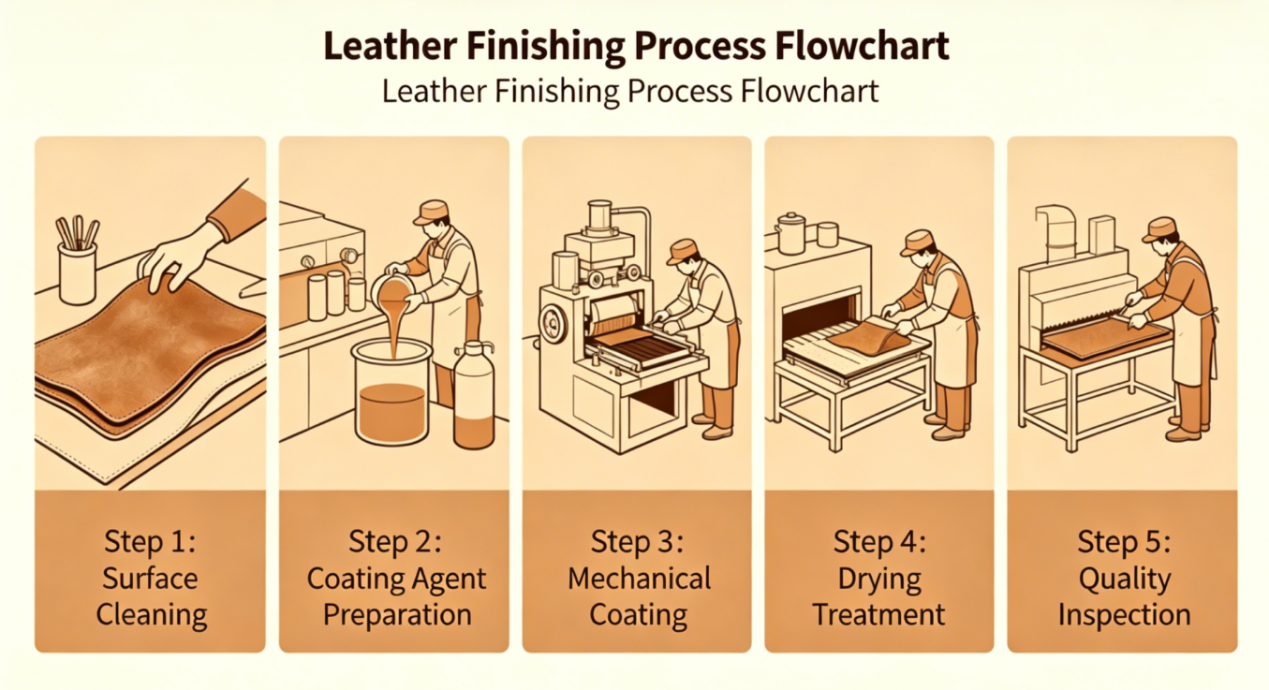
Figure1 Leather finishing craft flow diagram
1.3 Leather Lamination Bonding Process Table
| Working Step | Standard Parameter |
|---|---|
| Glue Coating | Dry coating weight 60~130g/㎡ |
| Open Time | 10~35min under standard workshop |
| Compound Pressing | 0.3~0.6MPa roller pressure |
| Natural Curing | 24h preliminary strength,72h ultimate peel strength |
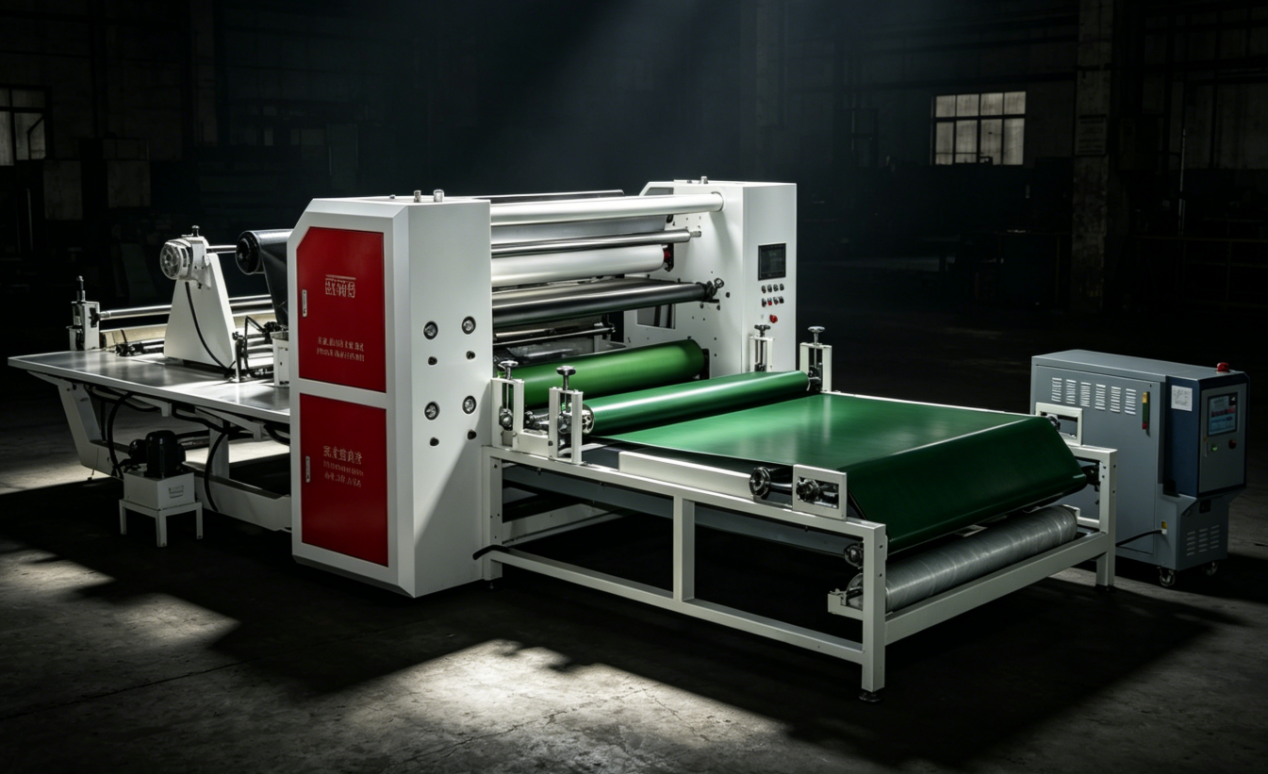
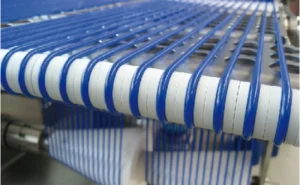
Figure2 Leather composite laminating process chart
1.4 Core Quantified Process Parameters
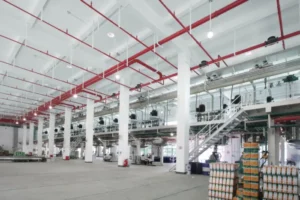
- Workshop standard environment: Temp 25~35℃, RH50%~70% (optimal RH58~62%)
- Single coating thickness upper limit: ≤80μm for top finish
- Raw material storage condition: RH<40% sealed warehouse, shelf life 6 months
2 Quantitative Advantages & Defect Data
2.1 Product Advantage Data
- Abrasion resistance: 3~5 times higher than common water-based acrylic coating, pass ≥5000 times abrasion test per QB/T1670
- Peel strength of composite leather ≥3.8N/mm, resistant to dry cleaning & 8-cycle water washing
- PUR hot melt MCU: 100% solid content, zero VOC, meet EU REACH standard
- Flex resistance: no crack after 20000 bending cycles
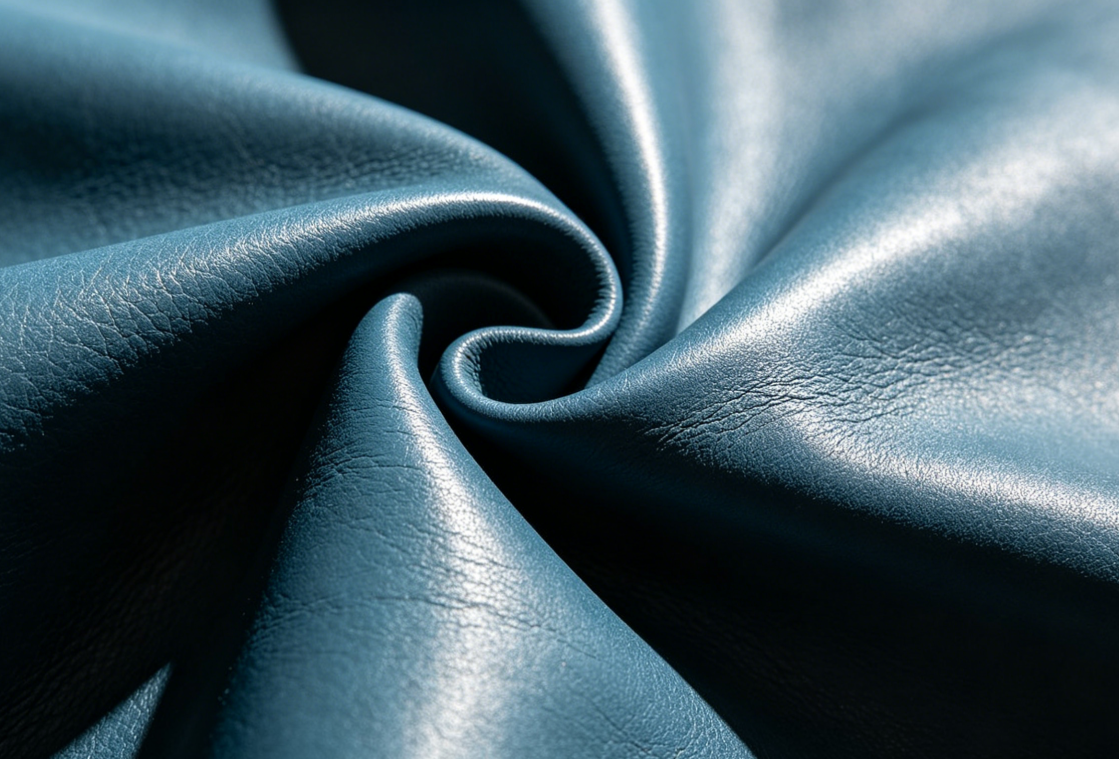
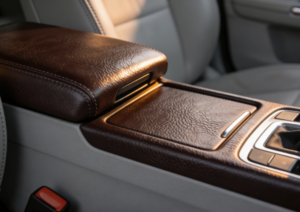
Figure3 High quality finished MCU leather product
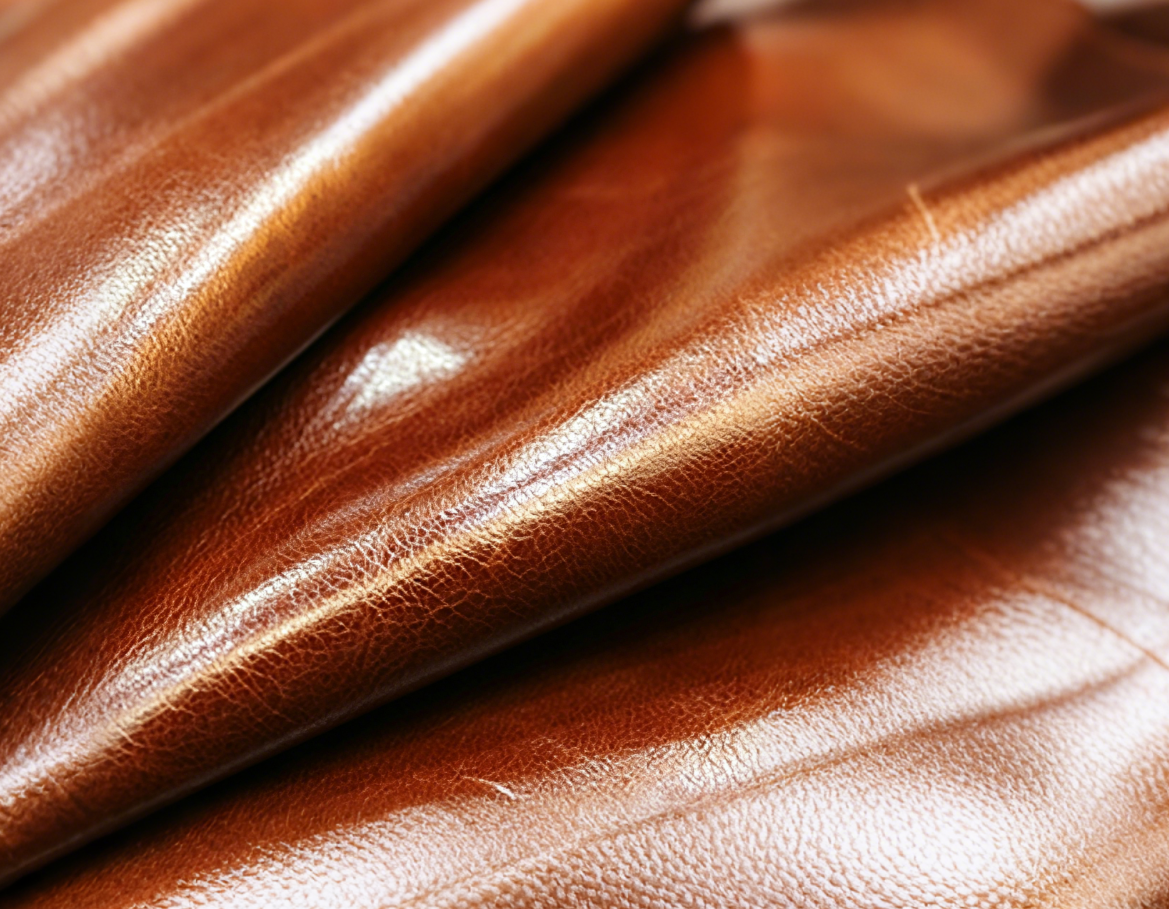
Figure4 Laminated composite leather finished goods
2.2 Existing Drawbacks & Measured Factory Defect Rate
| Disadvantage Item | Actual Defect Data |
|---|---|
| Raw material moisture sensitive | Improper storage causes 12~18% raw material scrappage annually |
| Seasonal parameter fluctuation | Winter low RH leads incomplete cure reject 7.5~11.2% |
| Aromatic type yellowing | UV exposure yellow grade ≥4 after 200h aging test |
| High prepolymer cost | Raw cost +28~42% vs conventional acrylic resin |
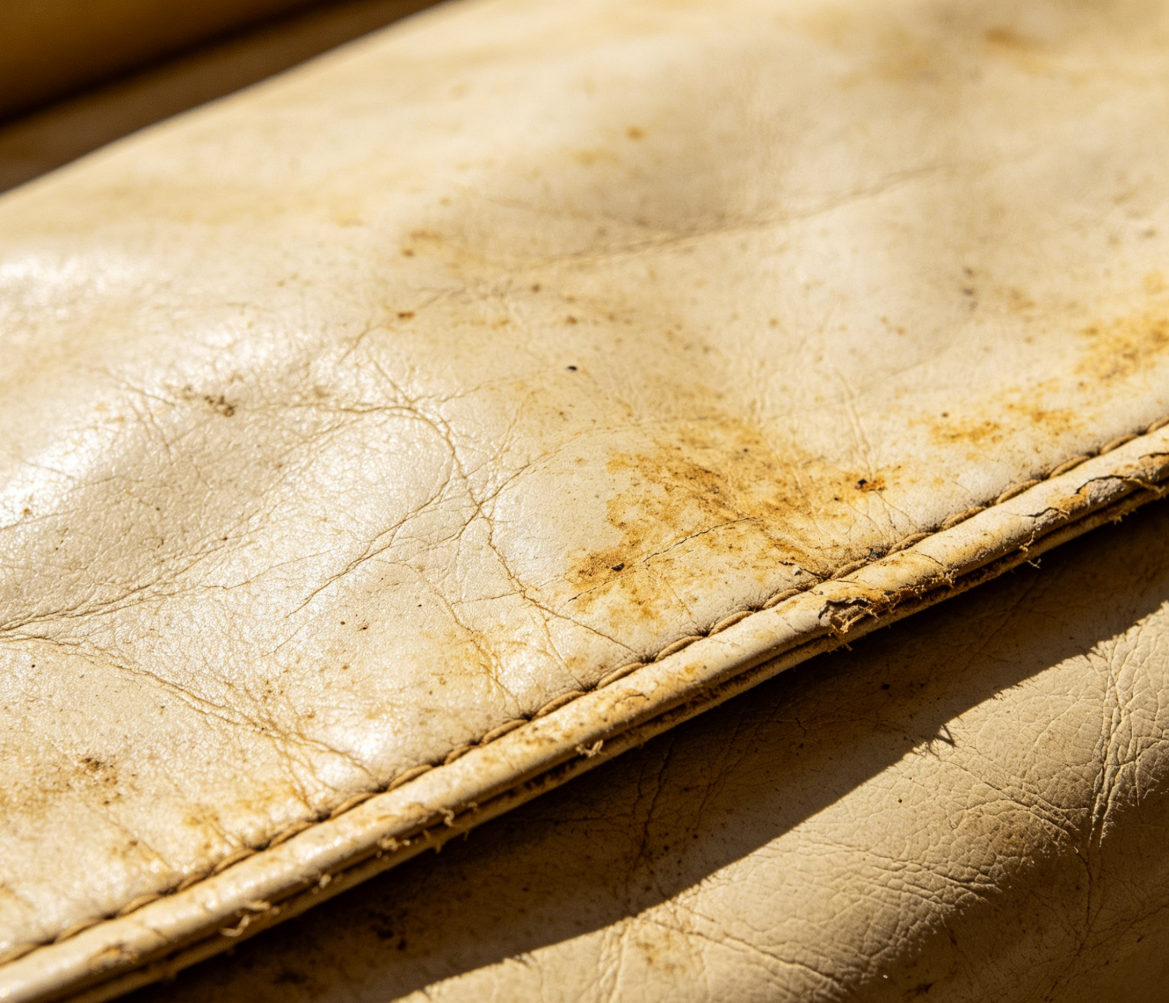
Figure5 Aromatic leather yellowing defect sample
3 Actual Factory Renovation Case
A high-end automotive leather factory switched from water acrylic to MCU coating: original reject 9.8% (poor wear), after transformation wear defect down to 0.72%, but initial bubble reject 8.3% caused by unstable RH; install workshop constant humidity unit, RH locked 58~62%, bubble reject reduced to 0.48%, annual comprehensive profit rise 270,000 USD.
4 Classification Application Scope
- Automotive interior leather: aromatic/aliphatic MCU (anti-yellow aliphatic for light-colored seat)
- Furniture leather: conventional aromatic MCU finishing & lamination
- Safety shoe upper: high-flex MCU composite adhesive
5 Practical FAQ
Q1: How to solve surface skinning & inner uncured?
Q2: Storage requirement for unused MCU resin?
Q3: Can aromatic MCU improve anti-yellow property?
Заключение
MCU moisture curing PU is high-end environmentally friendly leather material; manufacturers optimize yield via constant temp&humidity workshop + segmented coating process matching product grade. Haifeng supplies matched feeding & coating equipment solution for MCU production line.
Get Custom MCU Production Equipment Plan
Free technical evaluation & equipment quotation available.
Free Consult