





Solvent-Free PU vs. Water-Based PU
A Comprehensive Technical Comparison for Sustainable Leather Manufacturing
1. Core Mechanism Differences
Solvent-Free PU: Reactive Chemical Film Formation
Solvent-free PU utilizes a two-component reactive film formation process, completely free of any solvents. Component A is a polyurethane prepolymer with active -NCO groups, and Component B is a chain extender and crosslinker with -OH groups. These two components are mixed at high speed (4000-10000 rpm) with a metering accuracy of ±0.5% and then directly coated onto the base fabric. After coating, the material undergoes a rapid cross-linking chemical reaction at room temperature or low temperature, forming a stable three-dimensional network structure.
- 100% Solid Content: No organic solvents or water are used as diluents throughout the process.
- Fast Curing Speed: No long drying time is required.
- High Equipment Requirements: Extremely high demands on the metering accuracy and mixing uniformity of the equipment.
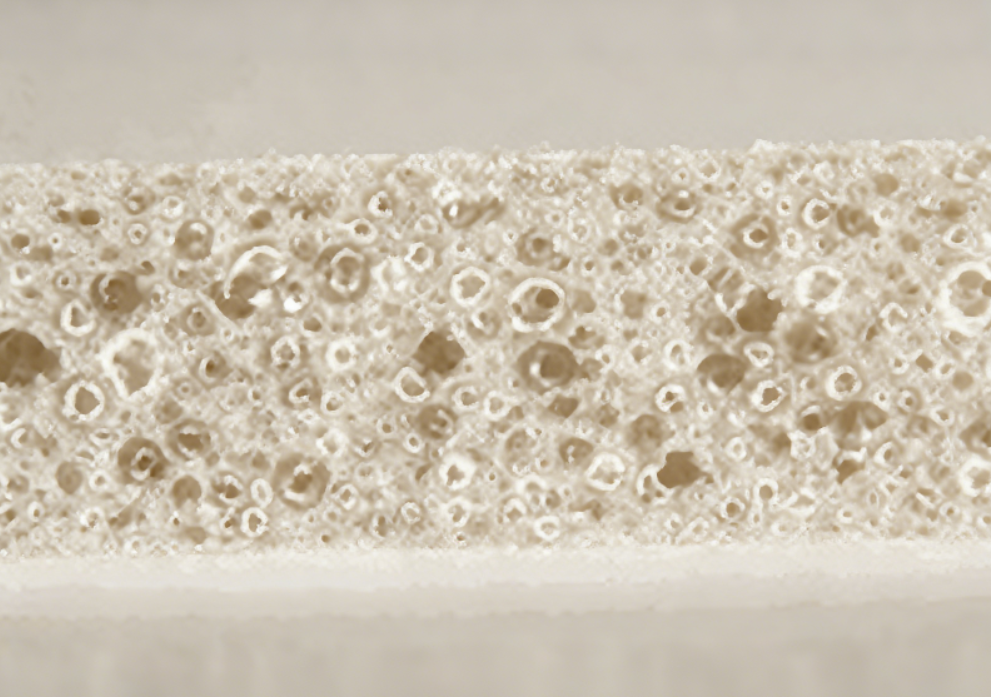
Figure 1: Solvent-Free PU Chemical Reaction Mechanism
Water-Based PU: Physical Film Formation
Water-based PU uses pure water as the only dispersion medium. Polyurethane resin particles are evenly dispersed in water to form a stable emulsion. After being coated onto the base fabric, the material passes through a multi-stage gradient temperature oven (80-120°C). As the water completely evaporates, the PU particles gradually approach and fuse, eventually forming a continuous and uniform film.
- Ultra-low VOC Emissions: The formula contains ≤0.1% trace organic solvents.
- Relies on Drying Process: Film formation is entirely dependent on the heating and drying process.
- Different Equipment Focus: Lower requirements for metering accuracy, but high demands on the drying system.
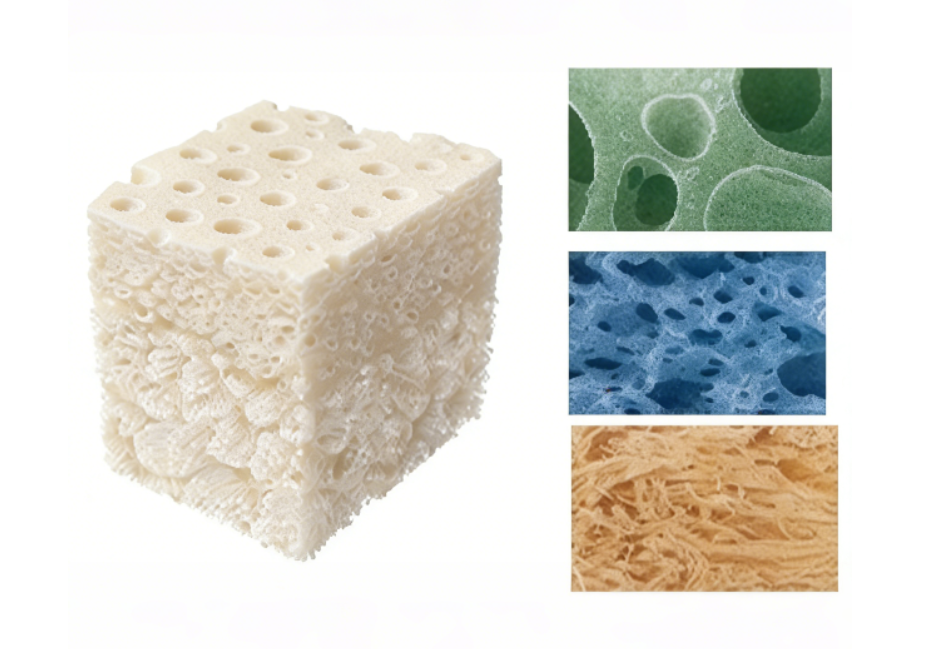
Figure 2: Water-Based PU Physical Drying Process
2. Application Scenarios
Due to their different formation mechanisms, the two technologies have distinct advantages in different application fields.
Solvent-Free PU Application Scenarios
Thanks to its excellent physical properties and high production efficiency, Solvent-Free PU is particularly suitable for fields with high performance requirements.
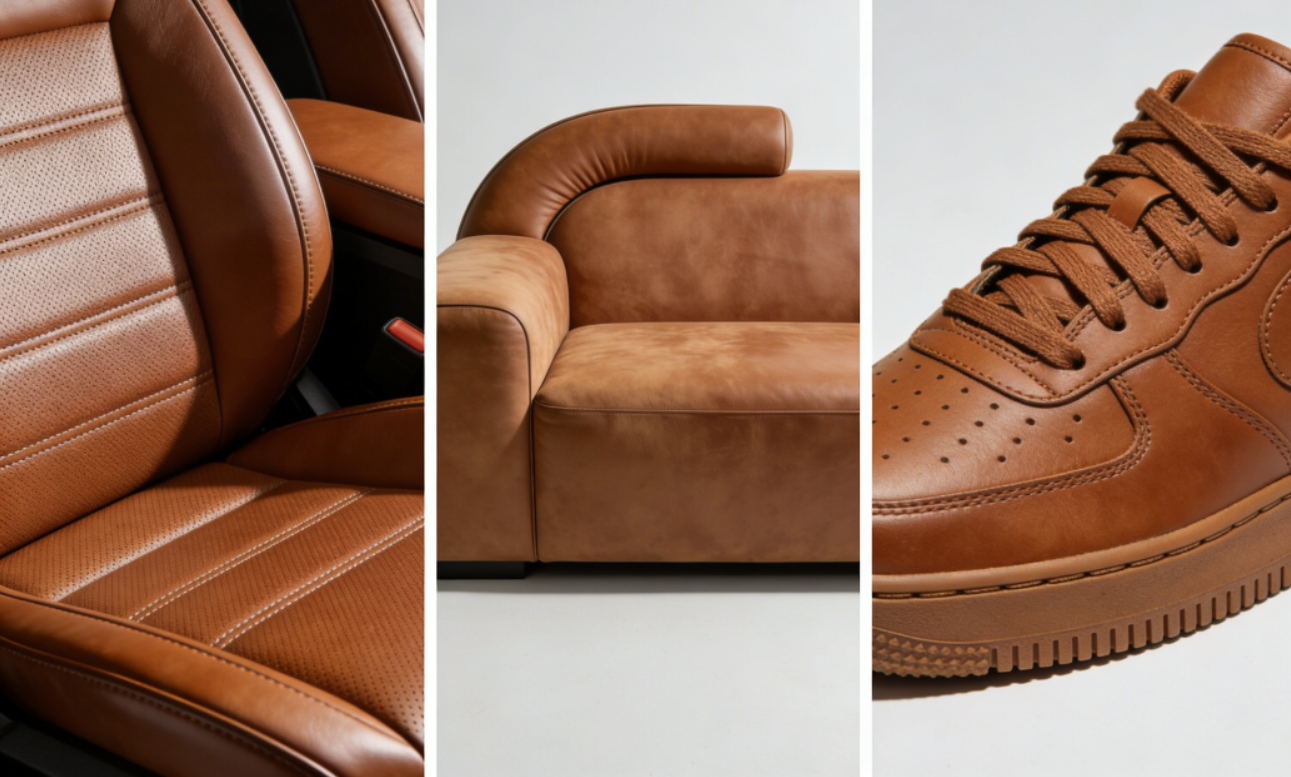
Figure 3: Solvent-Free PU Applications (Automotive, Furniture, etc.)
- Automotive Interiors: High abrasion resistance, low fogging, and excellent physical strength.
- High-end Furniture: Rich hand feel, good breathability, and durability.
- Functional Sportswear: High elasticity and tear strength.
Water-Based PU Application Scenarios
With its supreme environmental performance and skin-friendly characteristics, Water-Based PU is the first choice for fields sensitive to ecological standards.
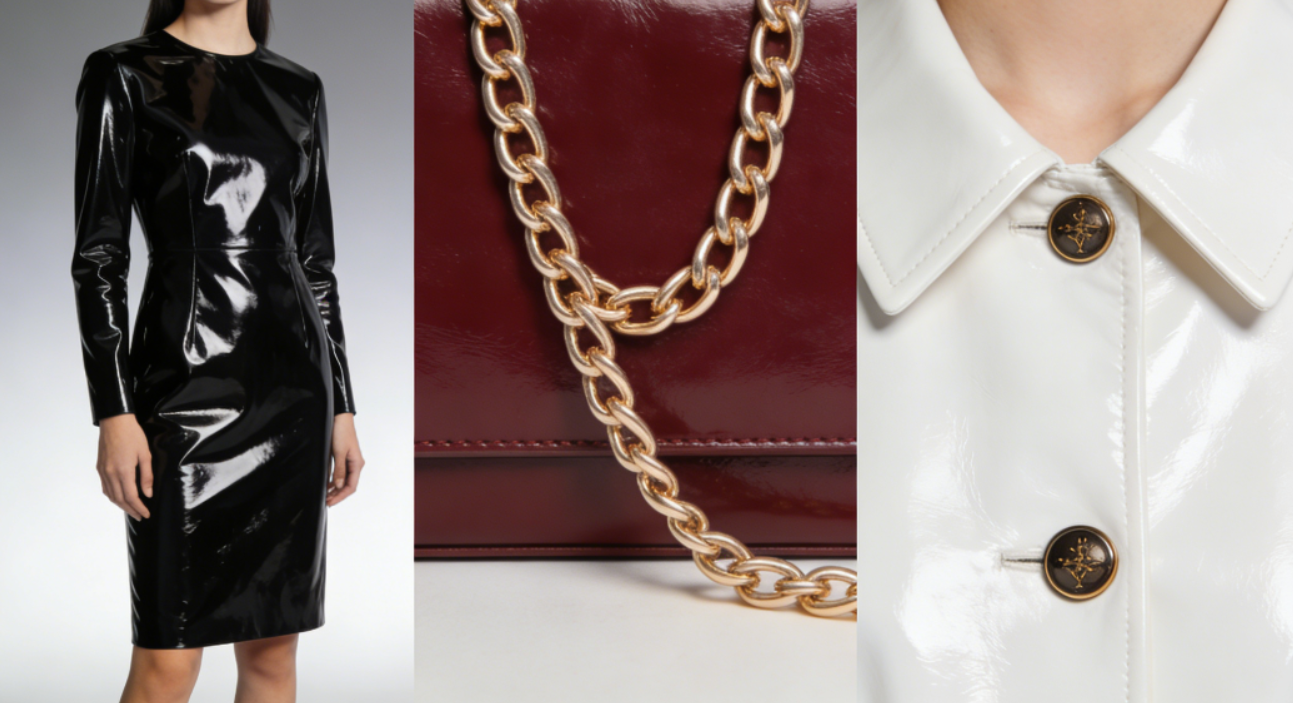
Figure 4: Water-Based PU Applications (Baby Products, Medical, etc.)
- Baby Products: Non-toxic, tasteless, and meets strict ecological textile standards.
- Medical Materials: Excellent biocompatibility and hydrolysis resistance.
- Lightweight Fashion: Soft hand feel, suitable for delicate clothing linings.
3. Engineering Parameter Comparison
| Comparison Dimension | Solvent-Free PU | Water-Based PU |
|---|---|---|
| Core Mechanism | Chemical Reaction (Cross-linking) | Physical Change (Evaporation) |
| Production Speed | Fast (No long oven needed) | Slow (Limited by drying efficiency) |
| Energy Consumption | Low (Mainly for mixing) | High (Energy-intensive drying) |
| Equipment Cost | High (Precision metering pumps) | Moderate (Standard coating + Oven) |
| Environmental Impact | Zero VOC, Zero Wastewater | Zero VOC, Wastewater treatment needed |
4. Technical Advantages & Challenges
Solvent-Free PU
- Advantages: Extremely high production efficiency; excellent physical properties (tear strength, abrasion resistance); true zero emissions.
- Challenges: High technical threshold for formula adjustment; high initial investment in equipment (metering systems).
Water-Based PU
- Advantages: The most environmentally friendly solvent (water); soft hand feel; wide range of material adaptability.
- Challenges: High energy consumption during the drying process; potential wastewater treatment issues; slower production line speed.
5. Factory Transformation FAQ
6. Conclusion
Both Solvent-Free and Water-Based PU technologies represent the future of green manufacturing in the synthetic leather industry. Solvent-Free PU is the ideal choice for manufacturers seeking high efficiency and superior physical performance with zero emissions. Water-Based PU remains the top choice for applications requiring the ultimate in eco-friendliness and softness, such as baby and medical products.
Haifeng Machinery is committed to providing professional solutions for both technologies. Please contact our engineers to find the best fit for your production needs.