







Inhaltsübersicht

Vizepräsident, Vertrieb und Marketing von Zhejiang Haifeng Automation Equipment Co.
In the past 10 years, China has emerged as one of the major sources of polyurethane (PU) shoe machinery. From safety footwear to rain boots and industrial shoes, buyers from all over the world are increasingly sourcing PU shoe equipment from Chinese suppliers – not only to save money, but to find better solutions for their own production process.
But the market is crowded. Some suppliers are focused on machine sales only, while others can supply a complete turnkey project by properly designing your factory layout, assisting with the operator training process, etc. Knowing how to tell the difference between suppliers is what is important.
This guide is written from a purely practical perspective, to help you find a trustworthy PU shoe machinery supplier in China and to avoid the common mistakes.
Why Source PU Shoe Machinery from China?
Price is only part of the picture.
China’s real edge is the (enormous) integrated supply chain. Metering systems, mixing heads, molds, control systems, etc. – all from different factories, all available. Faster lead times, better availability of after sales.
Another thing you need to look for is project experience. Many Chinese PU shoe machinery suppliers have delivered complete PU shoe production lines to Southeast Asia, the Middle East, Africa, South America. They know the realities of operating a factory, not just machine specs.
Flexibility. High automation safety shoe factory on one hand or cost-efficient rain boot production line on the other, are both possible.
Main Types of PU Shoe Machinery
Before you choose a supplier, you need to know exactly what you’ll need in your runner
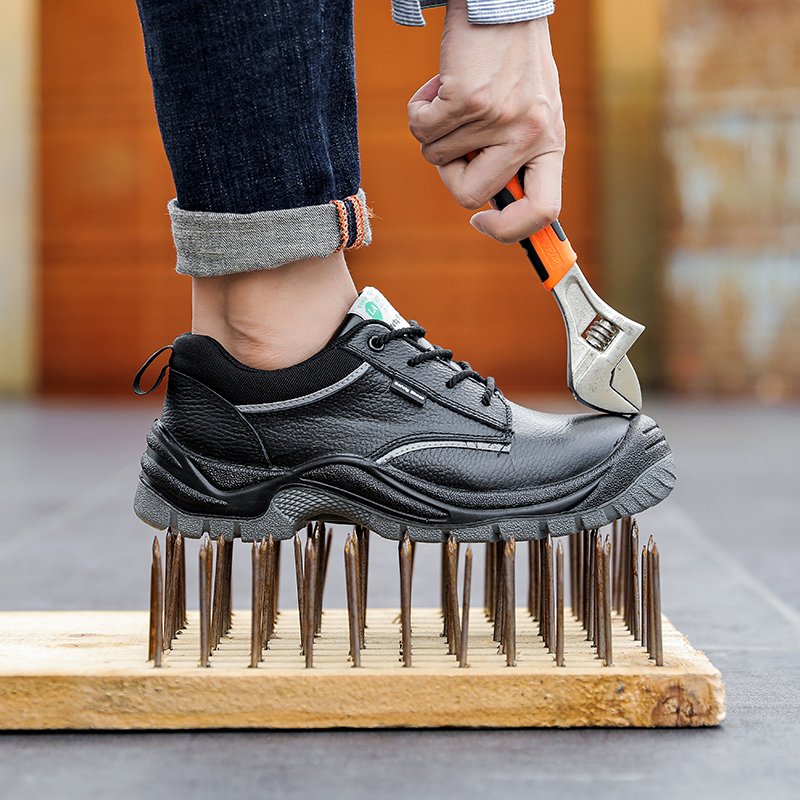
PU Safety Shoe Production Line
For more advanced PU safety footwear, typically double-density products. A showpiece of a production line: you’ll find rotary injection machines for accurate dosing of material, and other specialized machinery for cost-effective and flexible production. A focus on stability and repeatability is important, with tight tolerances generally being required.
PU Rain Boot Production Line
When producing rain boots (Puddle Jumpers in some territories) the mould structure and materials used are required to be different from other PUFOAM products, with an increased emphasis on control foaming density and distribution.
Double Density PU Shoe Machine
This is the most common setup found in factories today, allowing for the co-injection of two PU layers to create a product that is balanced, durable, and better to wear;
Polyurethane DIP Machine
This is a hugely popular piece of machinery in use in the manufacturing of protective shoes. The process is mature though relies greatly on temperature and timing set up for maximum efficacy.
What Makes a Reliable PU Shoe Machinery Manufacturer?
All manufacturers are NOT created equal, even if their range of machines appears similar in design!
A reliable supplier will usually have genuine engineering prowess, as opposed to merely assembly. They should offer the design of a complete PU production turnkey project, including:
Factory lay out planning
Design of the flow of material used
Selection of all equipment based on your product
Installation and commissioning
Features such as operator training
Experience of exporting complete PU safety shoe production lines and/or complete automatic rain boot manufacturing plants is a good indication that they understand international requirements and can liaise remotely and offer good service for start up of factories.
Another important aspect is often the less well-known area of the after-sales service. Genuine manufacturers will engage in remote troubleshooting and spare parts support, if required. PU machinery is not a one-off purchase, it is a continuously evolving field that requires technical support for years beyond the first installation.
Turnkey vs Standalone Machines
Many buyers consider only a single machine, for example, a double density PU shoe machine, only to later discover that integration is the issue.
The unit may operate well in a standalone environment, but if you don’t have feedstock feeding and downstream handling of molds, curers, and fitting, you’re in for stalling.
Take time and ask of your suppliers for an understanding of the whole package from a turnkey supplier. You can expect:
Raw feedstock handling, even for parts not typically used in this production line, (if looking for something compatible with solutions such as BASF Haptex)
Automated conveying and mold handling
Energy efficiency, and safety design
Thinking through expansion
If you’re just starting out with a brand new facility, a polyurethane manufacturing plant complete solution will usually be a less risky route.
Common Mistakes When Choosing a Supplier
We’ve spoken about purchasing focused on the pricing point, and that’s a common mistake. That new, shiny lower priced machine may later see you spending much more because of downtime, inferior material quality, or absence of support.
Being dismissive of technical speaking. If they can’t readily explain to you parameters of the machine, proper machine control of the process, or compatibility with raw materials, that should raise a flag.
Too many buyers expect that training isn’t an issue. Even the best machine is worthless if you don’t have fully trained operators.
Schlussfolgerung
Choosing a PU shoe machinery manufacturer in China is more than selecting a vendor of equipment. You’re selecting a partner—for the long haul.
The right supplier of this machinery won’t simply be a company selling you a PU shoe machine. They will help you to a building a stable, efficient system. Whether you are thinking of opening a factory or create a new production line, you will benefit in the long run of taking some time to consider suppliers.
FAQ
What’s the relative cost of a PU shoe production line?
The factors will be capacity of the line you need, the level of automation, and the type of product. A basic line might not set you back too far, but a fully automated project could be pricey.
How long does it take to install?
Normally, can take a few weeks to install and another couple for testing and training. For a complete new plant, could be one to three months or even longer depending on the size and scope of the project.
Can I run different raw material systems through this machine?
Yes, but the machine being properly configured is critical. Metering system, temperature control, types of mixing heads, and more must be compatible.
I assume that Chinese manufacturers are open to supporting overseas, right?
Most reputable suppliers will offer remote support, and some for a fee can send personnel for installation and training at your facility.
In your opinion, what is the big deal maker for being stable in production?
The short answer is consistent raw stock, plus calibration, and training for the operators.