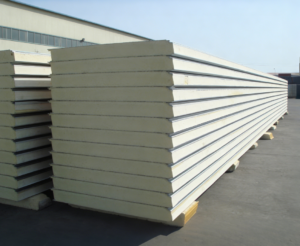









Troubleshooting Guide for Density Drift in PU Foam Manufacturing Lines
Most factory managers instinctively adjust the formula, but 90% of these issues have nothing to do with chemistry — they are caused by engineering system mismatch.
1. Density Drift: The Hidden Profit Killer
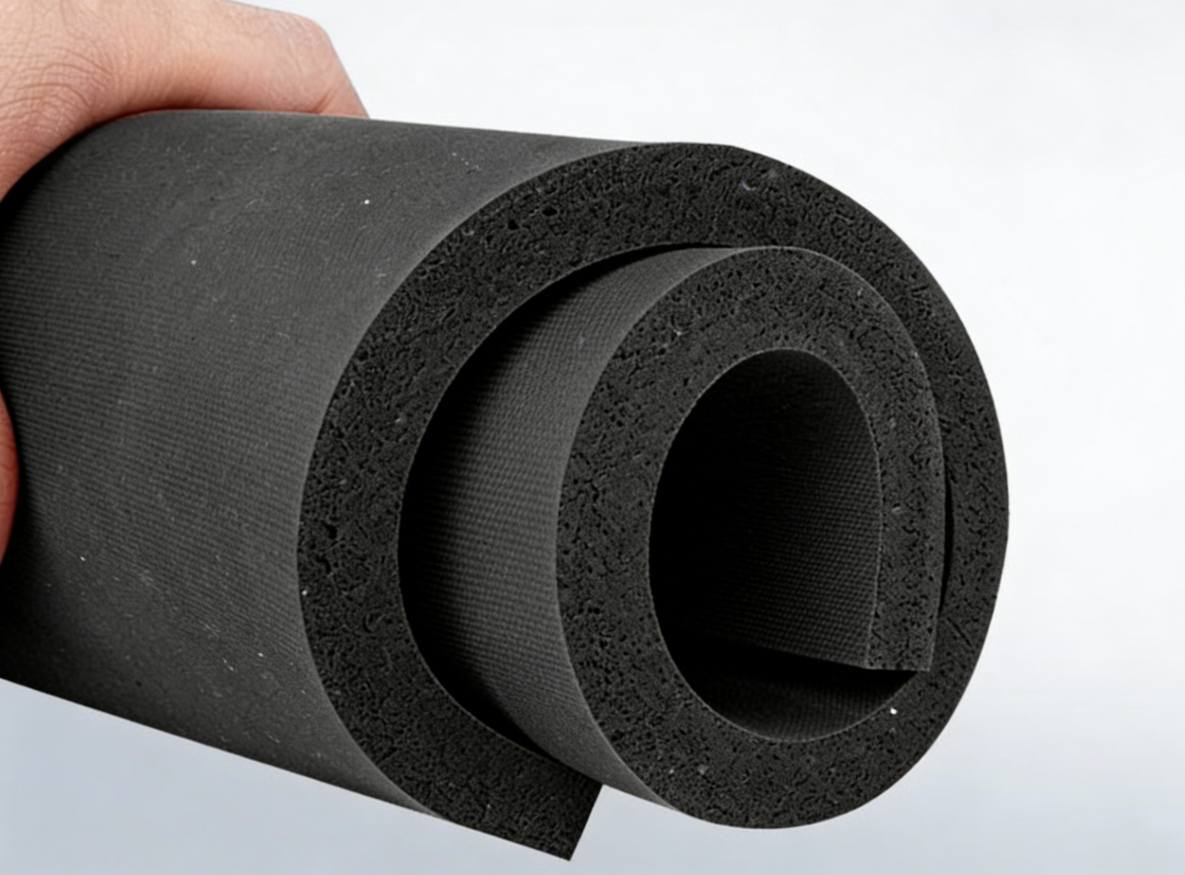
Density drift rarely happens suddenly. It gradually exceeds tolerance during 8-hour continuous production, leading to full failure of product weight, hardness and support performance. Most factories only detect it during final inspection.
Three Root Causes
Temperature-Viscosity Trap
PU raw materials are extremely temperature sensitive. Workshop temperature changes and seasonal differences reduce viscosity, causing uncompensated flow deviation and density drift.
Pump Mechanical Wear
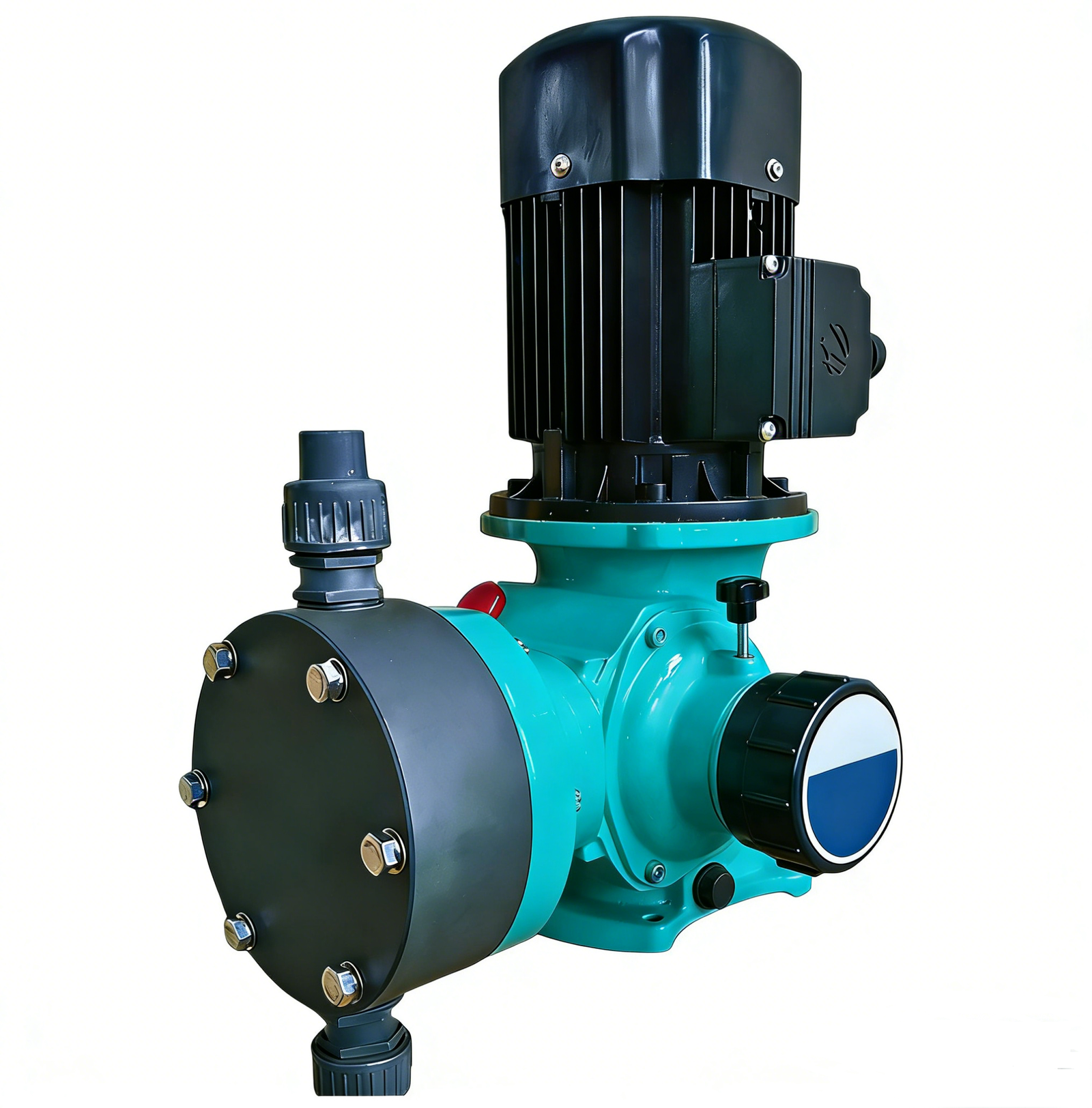
Long-term high-viscosity material pumping causes stator and gear micro wear, leading to gradual flow decay and ratio deviation.
Manual Calibration Error
Relying on manual cup weighing and adjustment brings over 5% deviation between shifts, making stable mass production impossible.
Engineering Solution
Completely eliminate manual intervention with dual closed-loop control:
- Temperature closed-loop: Three-layer tank + oil bath insulation, locked ±1℃ constant temperature.
- Flow closed-loop: High precision pump + PLC auto compensation, density deviation ≤±1.5% long-term stable.
2. Foaming Stability: Mix Head & Full Line Synchronization
Stable foaming depends on molecular-level mixing and fully synchronized line speed control.
Insufficient Mixing Shear Force
Ordinary mixing chambers cannot achieve homogeneous mixing, causing hot spots, voids and cell collapse.

Full Line Synchronization Failure
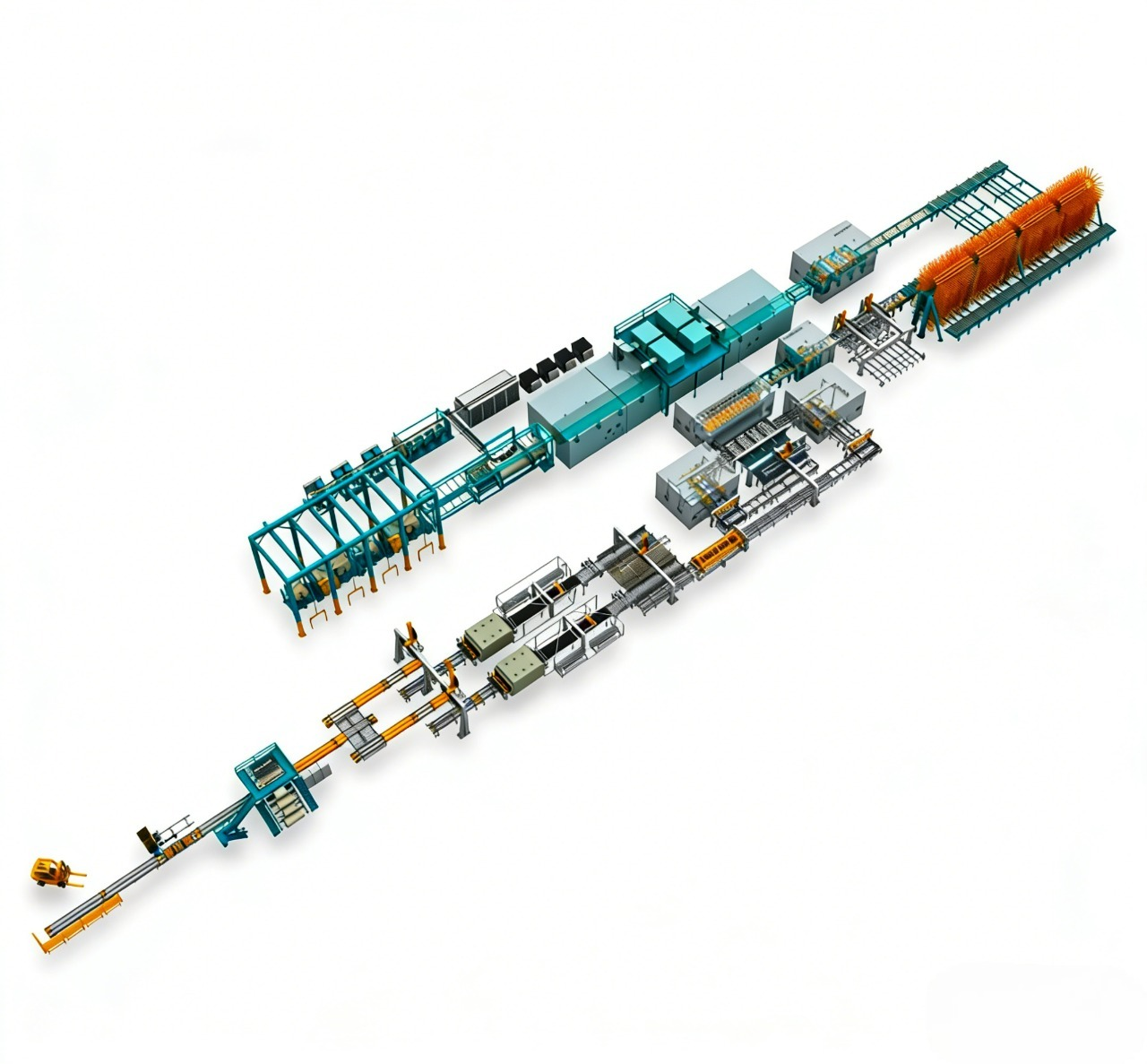
Mismatch between mix head output, conveyor and mold speed causes overfilling shrinkage or underfilling surface defects.
Engineering Solution
- Upgrade to 2000-6000 RPM high-speed dynamic mix head for uniform micro-cell structure.
- Adopt centralized PLC full-line synchronous control to eliminate start-stop fluctuation.
3. Hidden Pitfalls in Raw Material Management
Storage tanks are the front-end core of stable foaming, not simple containers.
Two Root Causes
- Raw Phase Separation: Additives settle without stirring, causing ratio fluctuation.
- Moisture Contamination: Isocyanate absorbs moisture, forming crystals and abnormal foaming.

Engineering Solution
Continuous Low-Shear Stirring
24h low-speed stirring eliminates component separation and precipitation.

Sealed Nitrogen Protection
Isolate moisture, prevent isocyanate degradation and ensure stable reaction.
4. Core Criteria for Line Upgrading
Focus on 3 key indicators instead of price only:
- Density stability within ±1.5% for 8-hour continuous run
- Raw material temperature control accuracy ±1℃
- Complete raw material management + full line synchronization + nitrogen protection
Frequently Asked Questions
Q1: Why density drift happens gradually?
Q2: Can old lines upgrade to closed-loop?
Q3: Is nitrogen protection necessary?
Q4: Why is manual calibration inaccurate?
Q5: Is higher mix speed always better?
Schlussfolgerung
Solving density drift and foaming instability cannot rely on single parts replacement. It requires full-system closed-loop coordination of raw material conditioning, metering, mixing and line synchronization. Only systematic intelligent control can stabilize yield and reduce scrap loss in long-term mass production.
PU Foam Production Line Upgrading & Closed-Loop System Transformation
Haifeng Polyurethane Machinery provides one-stop turnkey services from equipment manufacturing to on-site process optimization. Contact us for a free production line audit