








Leitfaden zur Beseitigung von Engpässen in der Serienfertigung von Polyurethan-Spritzgussteilen
1. Four Core Technical Control Standards
All stable production is built on quantified parameter thresholds. Any index exceeding the tolerance range will trigger batch defects, all reference industry authoritative standards:
- A/B component mixing ratio tolerance: ≤±0.5% (IATF16949 automotive standard limit; over ±1% inevitably causes hardness drift, foaming abnormality)
- Mixing uniformity ≥99%: High-shear mixing head operating speed range 3000~10000rpm, below 3000rpm leads to partial unreacted raw material and internal void
- Raw material constant temperature range: Polyol 50~60℃, Isocyanate 55~65℃, ambient workshop allowable fluctuation ≤±2℃; temp swing over 5℃ causes raw material viscosity change and flow drift
- Injection pressure stability: Fluctuation ≤2bar, excessive fluctuation results in uneven filling and local density deviation
Common hidden risks from out-of-spec parameters: Most small and medium factories adopt open-loop gear pump equipment, ratio error usually reaches 2%~4% under long-time 8-hour continuous production, measured average scrap rate stays at 8.2%~15.7%, far higher than industrial standard ≤1.5%.
2. Four Major Industry Practical Cases
Case 1: Automotive NVH Small Damper Production
Auto Tier1 Factory, 2023 Transformation Project. Single product net weight 15g ultra-low flow production.
- Original bottleneck: Workshop ambient temperature rises from 22℃ to 33℃ within one shift, polyol viscosity reduces 27%, actual feeding deviation reaches 12.3%, batch hardness difference 8~12 Shore A, scrap rate 13.6%
- Haifeng transformation plan: Full servo closed-loop metering system + E+H Coriolis mass flowmeter, real-time flow collection 100 times/second, PLC dynamic speed compensation
- Post-transformation data: Weight tolerance controlled within ±0.075g, ratio deviation ≤0.42%, batch hardness difference ≤1.8 Shore A, final scrap rate dropped to 0.78%
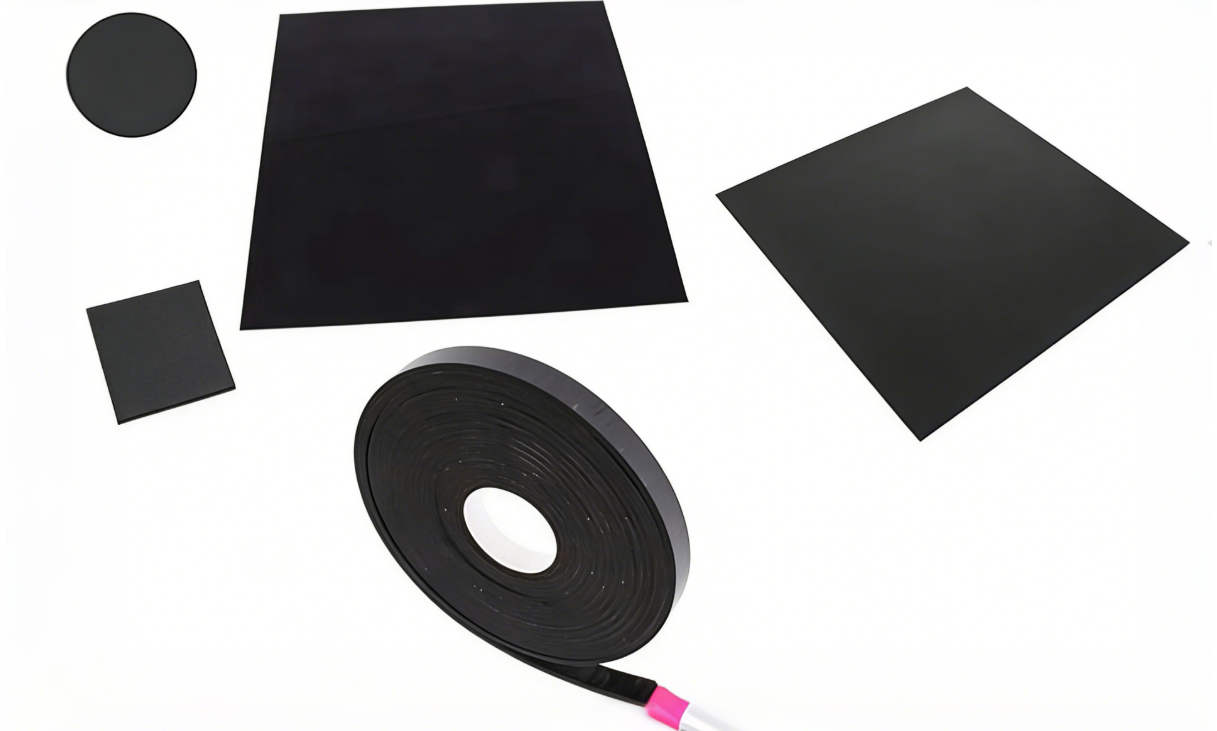
Figure 1: Automotive NVH Damping Block Finished Product
Case 2: Continuous Cold Chain PU Insulation Panel
Large Refrigeration Equipment Manufacturer, annual output 280,000㎡ panels.
- Original problem: Unstable instantaneous injection flow, panel longitudinal density difference up to 32kg/m³, finished product warpage rate 9.1%
- Optimization scheme: Injection system linked with double belt press running speed via PLC, dynamic flow automatic adjustment according to line speed change
- Post-effect: Whole panel density fluctuation controlled ≤3.8kg/m³, warpage reject rate down to 0.63%
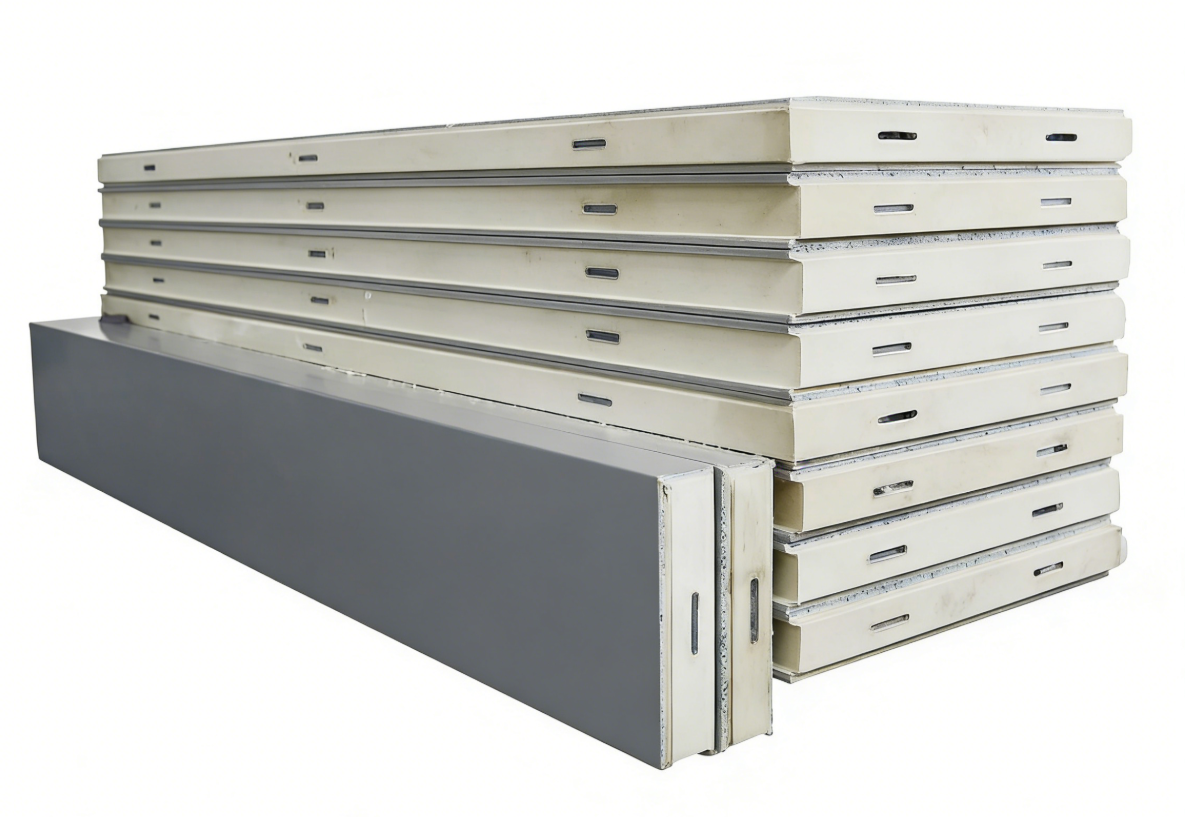
Figure 2: Ultra-Low Temperature Cold Storage PU Insulation Panel
Case 3: Rotary Line Safety Shoe Production
Domestic Large Footwear Enterprise, 60-station rotary mold line, daily output 12000 pairs.
- Original defect: Unsynced injection head and turntable beat, material overflow rate 7.9%, seasonal ambient temp change leads cream time fluctuation
- Optimized configuration: Three-layer full-jacket raw material constant temperature system + unified central PLC control
- Post-data: Material overflow basically eliminated, wear resistance fluctuation controlled below 4.7%, annual raw material cost saving over 370,000 USD
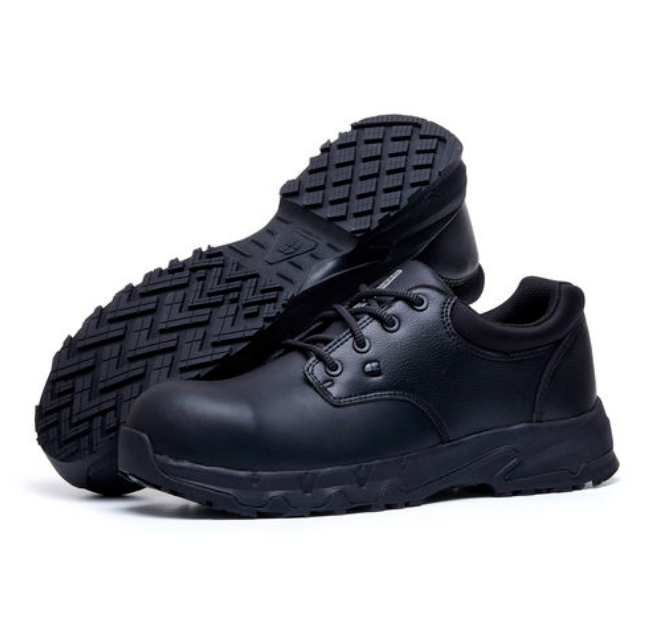
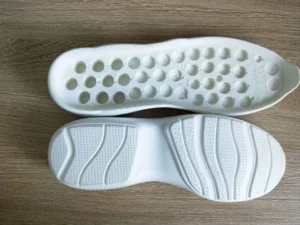
Figure 3: Link Cast PU Safety Shoe Finished Product
Case 4: Refrigerator Inner Cavity Foaming
Famous Home Appliance OEM, monthly 220,000 refrigerator units.
- Original pain: Discrete independent host without centralized data collection, abnormal pressure can’t be found in time, monthly accidental batch scrap 3~5 batches
- Upgrading content: Access SCADA monitoring platform docked with factory MES system, real-time storage of every mold’s data
- Post-management: Abnormal early warning function, problem positioning within 3 minutes, unexpected batch scrap reduced to zero
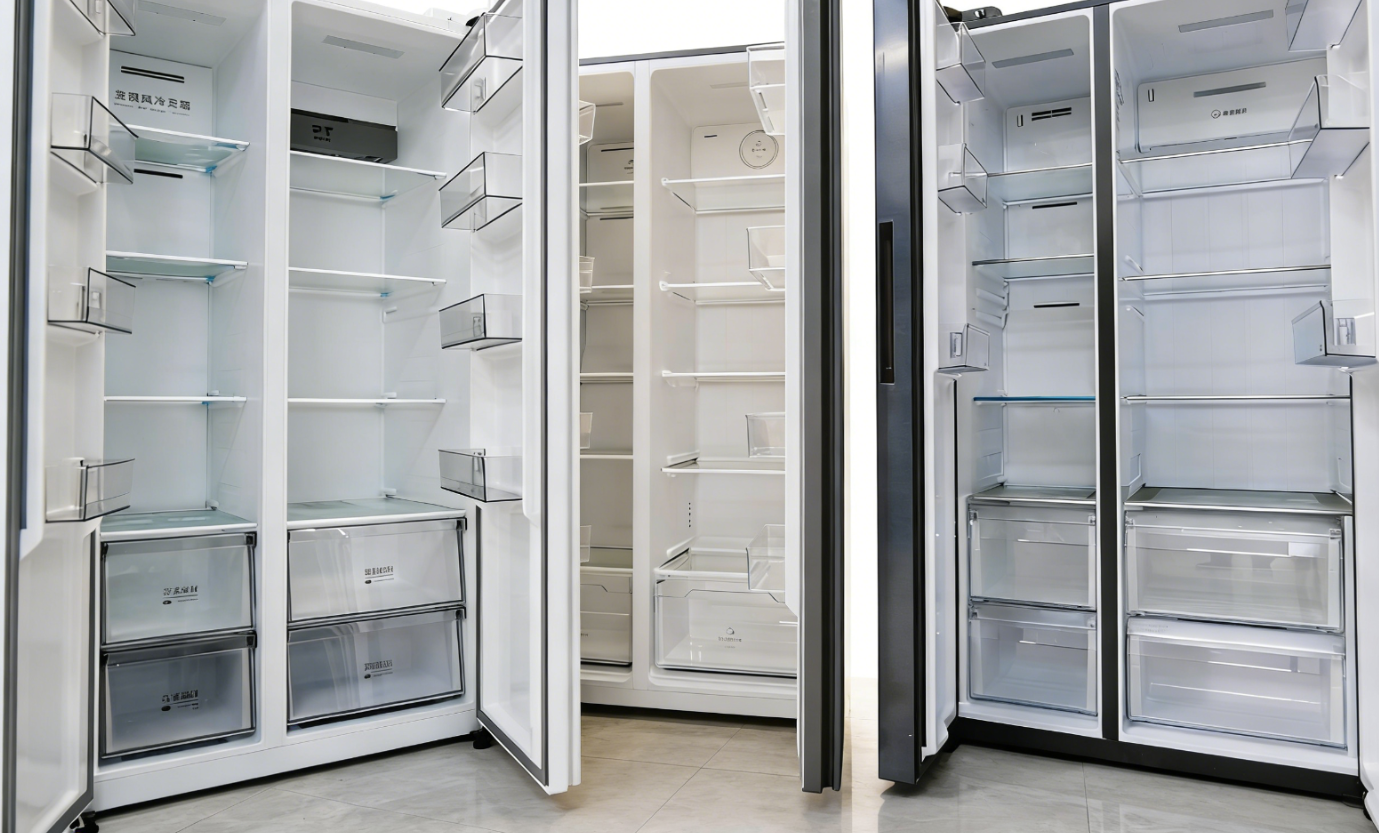
Figure 4: Refrigerator Cabinet PU Injection Insulation
3. Injection VS Spraying Full Dimension Comparison
| Comparison Item | PU Closed Mold Injection | On-site PU Spraying |
|---|---|---|
| Parameter Controllability | Whole index closed-loop control, affected value ≤3% | Affected by ambient humidity/temp, performance fluctuation ≥12% |
| Batch Consistency | Comply with IATF/GB finished product inspection | Only suitable non-standard rough construction |
| Applicable Product | Precision auto parts, cold plate, shoe sole | Building roof, pipeline outer anti-corrosion |
| Average Scrap Rate | Qualified equipment ≤1.5% | Common construction reject rate 8%~18% |
4. Scientific Equipment Selection Guide
- Daily output<5000pcs small batch: Semi-automatic servo closed-loop single host, suitable R&D and small-batch trial production
- Daily 5000~30000pcs medium volume: Whole set rotary/linear automated line with constant temp system, mainstream for mid-sized factories
- Daily>30000pcs large-scale: Full-automatic turnkey production line + SCADA data management system, large group standard configuration
Core purchasing screening indicators: Low flow(10~20g/s) metering accuracy, mixing head high shear performance, full-chain temperature control precision.
5. Frequently Asked Questions
Q1: Existing old equipment cannot be completely replaced, partial upgrade feasible?
Q2: What ambient humidity range is suitable for PU injection production?
Q3: How often to calibrate metering accuracy?
6. Schlussfolgerung
The core of solving PU injection mass-production bottleneck is systematic closed-loop control rather than simply pursuing equipment nominal power or maximum flow.
Haifeng Machinery provides customized process debugging, equipment matching and after-sales service based on actual product parameters, workshop environment and production capacity, all projects with post-production data tracking service.
Solve Your PU Injection Mass Production Bottlenecks
Free production line evaluation and customized transformation solution.
Get Free Technical Consultation