











Haifeng Automation Upgrades PU Sole Production Line, Helping Rwandan Shoe Factory Stable Supply for East African Market

Customer Background
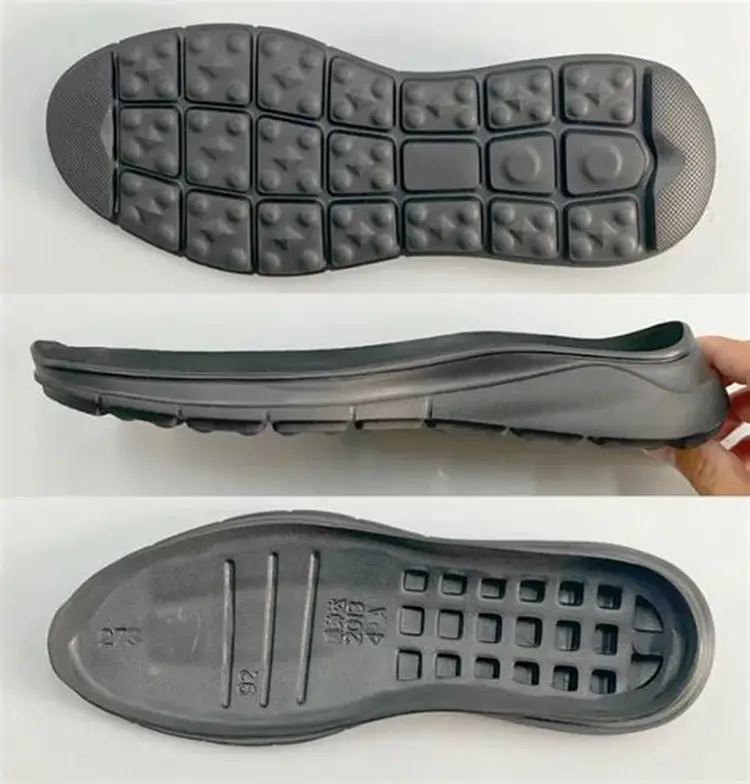
Located in Kigali, Rwanda, the client is a small and medium-sized supporting factory focusing on polyurethane sole processing with 8 years of production experience. It mainly produces basic PU soles for casual shoes and safety shoes, supplying to local shoe factories in Rwanda and small and medium-sized shoe enterprises in neighboring East African countries such as Uganda, Burundi and Tanzania. The factory has long used old semi-automatic pouring equipment, relying on manual proportioning, feeding and adjustment without precise metering and constant temperature control. With large quality fluctuation and high labor input, it was unable to undertake long-term batch orders and urgently needed easy-to-operate, low-cost and low-maintenance automated equipment for production line upgrade.
Project Overview
A small and medium-sized polyurethane sole supporting factory in Kigali, Rwanda, has long been using old semi-automatic pouring equipment, facing problems such as unstable batch quality, high raw material waste, excessive labor allocation and limited production capacity, which made it difficult to meet the stable batch supply demand of local and East African neighboring shoe factories. Haifeng Automation customized a single-machine lightweight intelligent upgrade solution for it, equipped with Haifeng XCXZ Series Special Precision Pouring Molding Machine for PU Soles, and quickly completed the transformation of the core production line. With low-cost automation, it achieved stable quality, improved efficiency and reduced cost, helping the enterprise become a reliable sole supplier in Rwanda and East Africa.
Core Customer Pain Points
01
Insufficient pouring precision and poor batch consistency
The old equipment had no precise ratio and mixing control, adjusted manually by experience, resulting in large fluctuation of sole hardness and density, easy softening, deformation and delamination, with a finished product qualification rate of only 88% and frequent after-sales returns.
02
Excessive post allocation and high labor cost pressure
The core sole production line adopted the multi-post mode, still requiring 9 operators. Labor costs in Africa were rising year by year, and profits were continuously compressed.
03
Inaccurate raw material measurement and long-term high waste
Unstable manual pouring flow and ratio fluctuation led to a raw material waste rate of 8%. Coupled with defective loss, the unit sole cost was higher than regional peers.
04
Small production scale, unable to undertake batch orders
Aging equipment and low manual efficiency resulted in a daily sole production capacity of only 2,500 pairs, only able to accept scattered small orders and unable to meet the batch procurement demand of East African distributors.
05
Cumbersome style adjustment and poor adaptability to small orders
No formula storage function, manual repeated adjustment was required for sole style change, taking more than 60 minutes for a single style change, making it difficult to efficiently undertake small-batch and multi-style orders.
Haifeng's Solutions
01
Core Equipment Upgrade
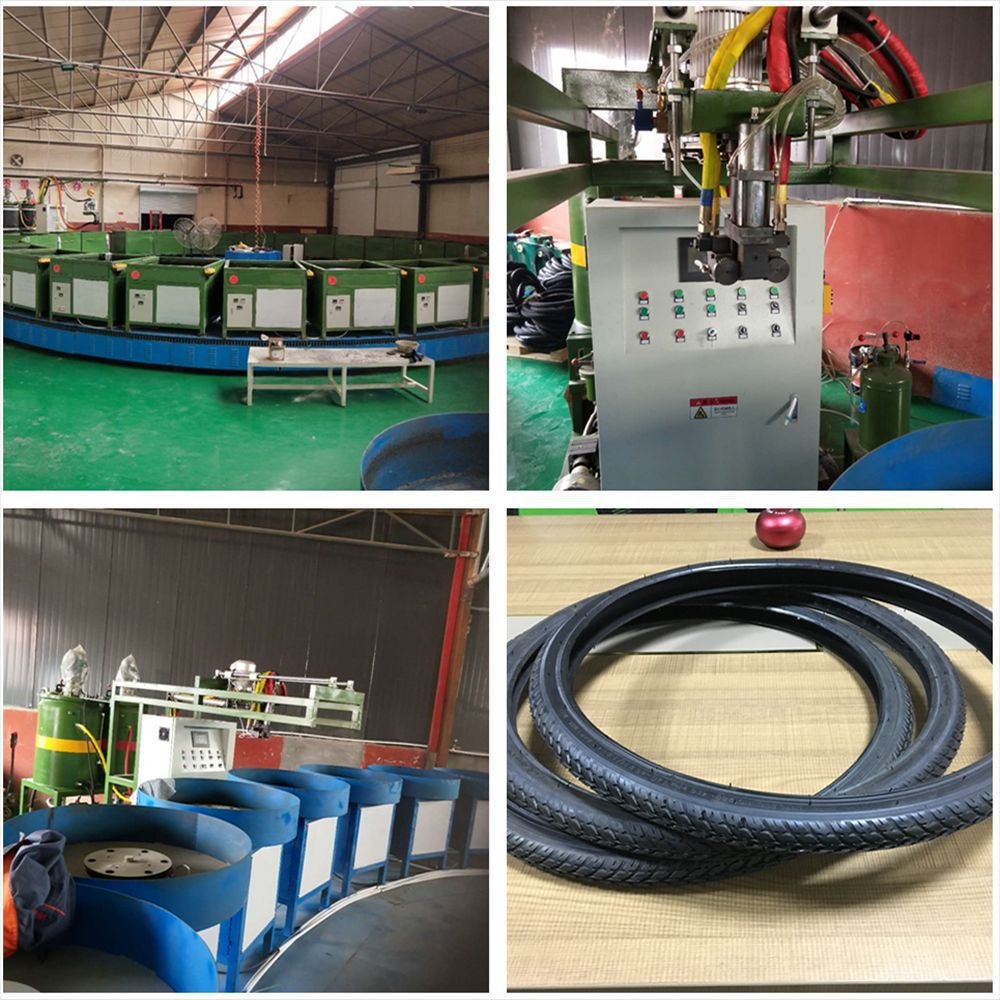
Equipped with 1 set of Haifeng XCXZ Series Special Precision Pouring Molding Machine for PU Soles, with high-precision servo metering, automatic mixing and constant temperature curing modules to stabilize the ratio, pouring volume and molding temperature from the source to ensure the consistency of sole quality.
02
Automation for Labor Reduction and Efficiency Improvement
The equipment realizes automatic metering, automatic feeding, precise pouring and automatic constant temperature, canceling manual batching and frequent adjustment links, and greatly reducing labor dependence.
03
Formula Storage for Quick Style Change
Built-in common sole formulas for East African market, supporting one-click parameter switching, shortening the style change time to less than 15 minutes, adapting to multi-style and small-batch orders.
04
Lightweight On-Site Service
Remote guidance and on-site debugging by local engineers, with simple practical training for workers to get started quickly. The equipment is easy to maintain, adapting to the use conditions of African factories.
Core Achievements of Project Implementation

Qualitative Leap in Product Quality
Through precise control of intelligent casting machines and collaborative optimization with centrifugal processes, the qualified rate of finished tires has reached 99.5%. The product quality has successfully passed the supplier qualification review of leading domestic and foreign bicycle brands, and the sales volume of high-end bicycle tires has increased by 25% year-on-year.
Significant Improvement in Production Efficiency
The hourly output of a single device has increased from 450 units to 500-550 units, and the annual production capacity of 4 production lines has increased by approximately 500,000 units. The number of operators per production line can be reduced from 8-10 to 5-7, and the 4 production lines can save about 1 million yuan in labor costs annually.

Significant Reduction in Operational Costs
After optimizing the circuit of casting machines, the total energy consumption has decreased significantly. The maintenance cycle of casting machines and related equipment has been extended by 2 times, and the annual maintenance cost has been reduced by 50%. After automatic casting, the number of cleanings has been greatly reduced. Each production line can reduce cleaning by about 190 times per day, significantly reducing the usage of cleaning agents and further lowering operational costs.
Comprehensive Upgrade of Intelligent Management and Control Level
Achieved full-process automated and data-driven management and control of bicycle tire production with casting machines as the core. The time for locating quality problems has been shortened from several hours to 3 minutes, and production management efficiency has been improved by 85%. Through predictive maintenance, the sudden equipment shutdown rate has been reduced by 95%, and production line stability has been significantly improved, laying a solid foundation for enterprises to produce bicycle tires on a large scale and at a high-end level.

Improved quality stability and qualification rate
The uniformity of sole density and hardness is greatly improved, the finished product qualification rate increased from 88% to 95%, deformation and delamination problems are significantly reduced, and the return rate is decreased.
Reasonably streamlined labor and effectively reduced costs
The number of operators in the core production line was reduced from 9 to 4, labor cost decreased by about 55%, and comprehensive operating cost decreased by 11%.
Reduced raw material waste and expanded profit margin
Precise measurement reduced the raw material waste rate from 8% to 3.5%, and the unit sole production cost decreased by 10%.
Steadily improved production capacity to undertake batch orders
Daily sole production capacity increased from 2,500 pairs to 3,600 pairs, stably undertaking long-term batch orders from East African shoe enterprises.
Improved style change efficiency and optimized order structure
Style change time shortened from 60 minutes to 15 minutes, efficiently undertaking small-batch and multi-style orders, with cooperative customers expanded to 5 East African shoe enterprises.


