












PU Shoe Sole Density Drift: Automated Conveyor Line Complete Guide
This article compares single machine and automatic assembly line, analyzes core system composition, and introduces closed-loop flow control technology to eradicate density drift for long-term stable mass production.
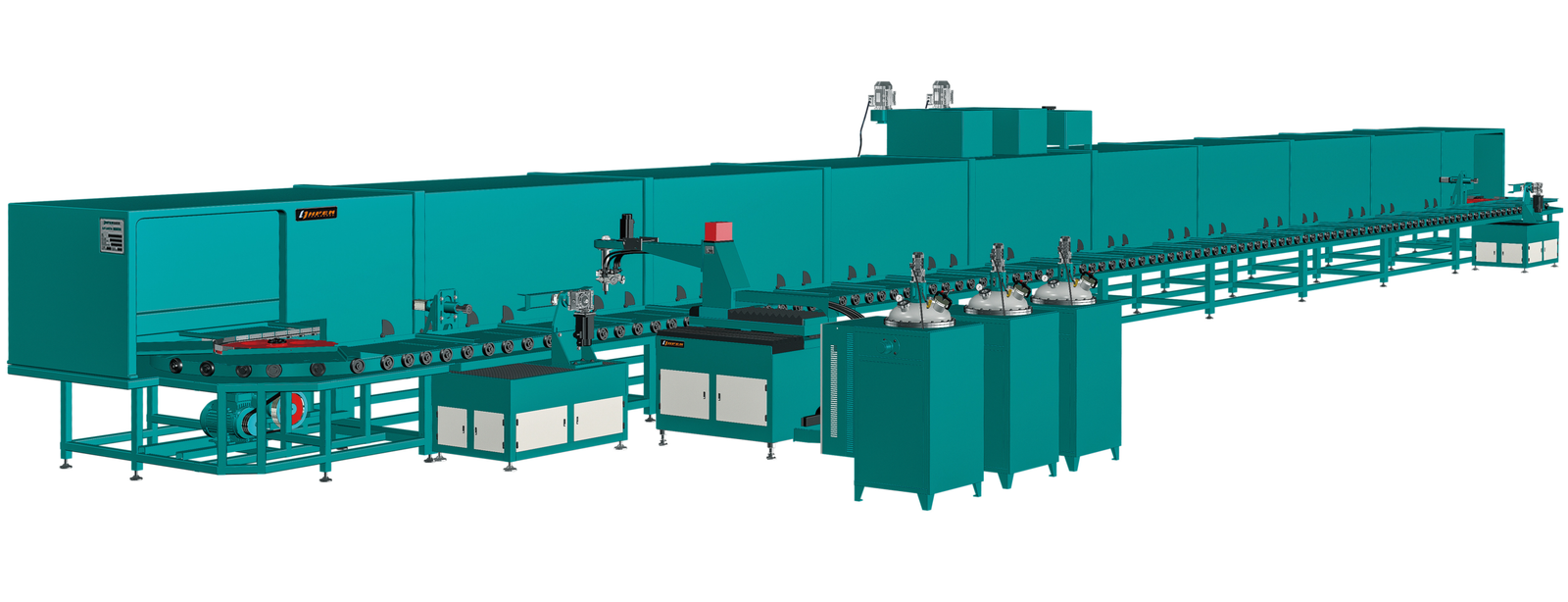
Figure 1: Haifeng Fully Automatic PU Shoe Sole Casting Machine
1. Single Machine vs Automatic Conveyor Line Comparison
Traditional independent casting equipment relies entirely on manual operation. Fatigue, unstable mold positioning and ambient temperature fluctuation will continuously interfere with feeding accuracy, leading to off-spec weight and uneven foam density when output rises sharply.
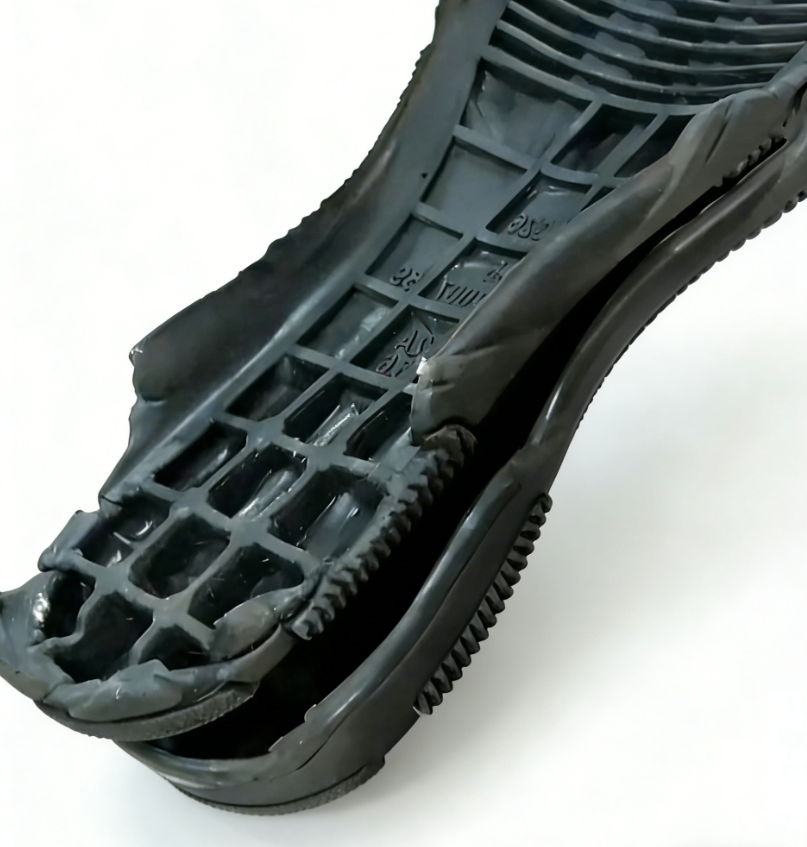
Figure 2: Typical Defects Caused by Uncontrolled Density Drift
| Evaluation Item | Single Manual Operation | Full-Automatic Conveyor Line | Optimization Direction |
|---|---|---|---|
| Production Beat | Affected by operator fatigue, unstable | PLC unified synchronous control | Digital lock injection window |
| Feeding & Ratio | Drifts with ambient temperature | Closed-loop real-time flow correction | Install Coriolis mass flowmeter |
| Mold Handling | Manual opening/closing | Automatic pneumatic mold clamping | High-precision linear/rotary track |
| Data Record | Barely no tracking | Full SCADA real-time data | Digital production traceability |
| Defect Risk | High artificial error | Minimal manual interference | Constant curing environment |
2. Core Composition of Automatic Conveyor Injection System
The integrated production line is not simple equipment splicing, consisting of four core linked modules:
- Raw Material Storage & Temperature Control: Jacketed material tanks and continuous agitators stabilize raw material viscosity via constant temperature adjustment.
- Precision Metering & Mixing: Servo drive metering pump + high-shear mixing head to guarantee uniform component blending.
- Conveying & Positioning: Rotary disc line for shoe soles, linear track for large-size PU parts with submillimeter mold positioning accuracy.
- Central PLC Control: Real-time linkage of pump speed, injection stroke and track moving speed in millisecond level.
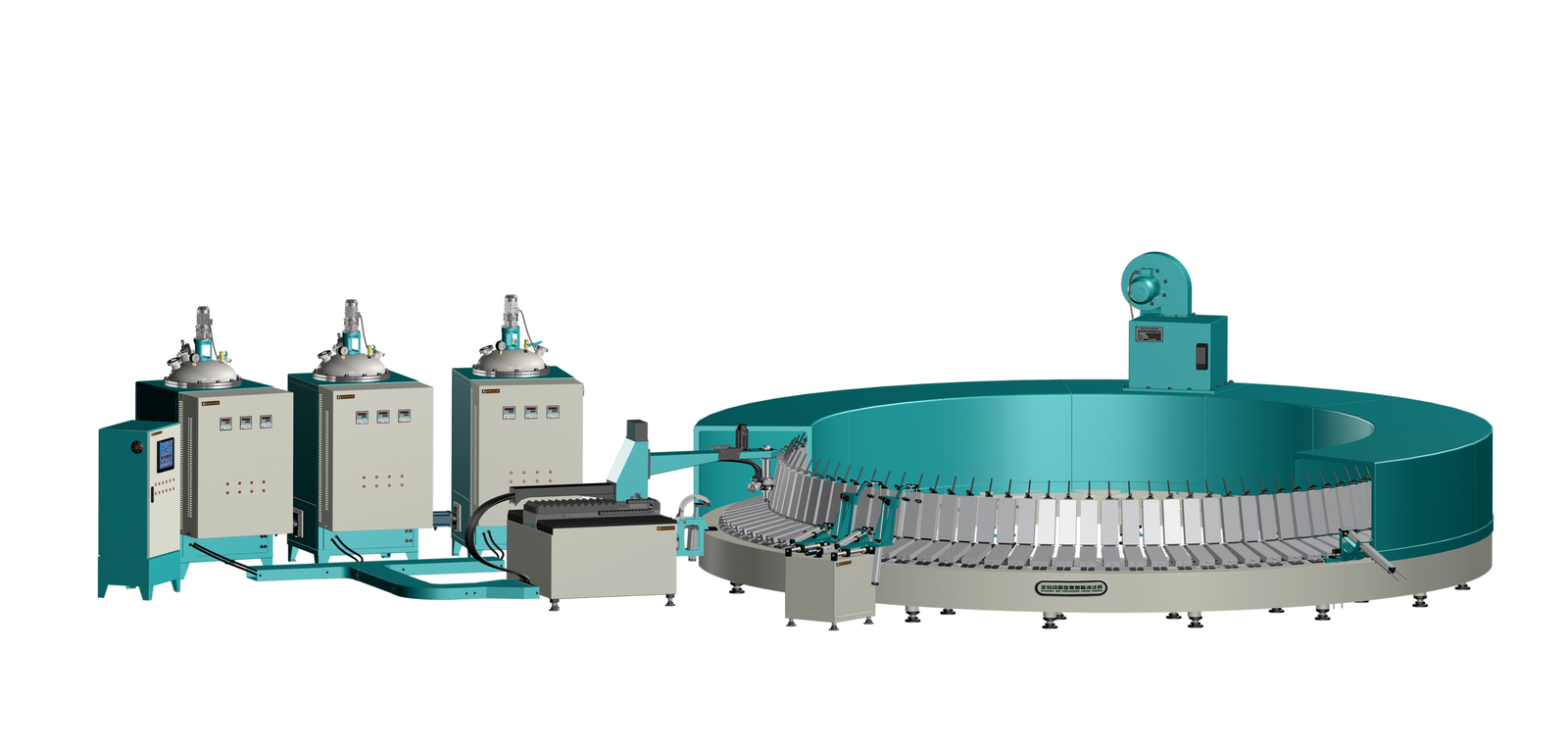
Figure 3: Haifeng Automated Rotary Disc Production Line for Shoe Soles
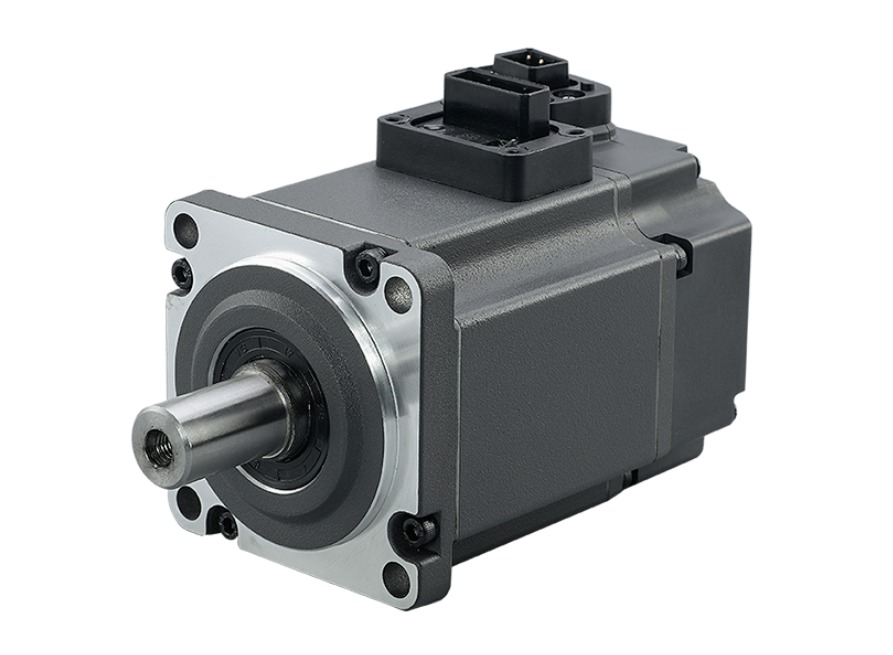
Figure 4: Servo Motor Precision Metering System for ±0.5% Ratio Accuracy
3. Core Case: Solve Density Drift via Closed-Loop Mass Flow Control
3.1 Production Problem
A footwear factory adopted open-loop single machines: at 20℃ morning, each sole feeds 50g standard material; ambient rises to 32℃ in afternoon, polyol viscosity drops, actual feeding reaches 54g without parameter correction. Excessive material causes flash; low viscosity insufficient feed leads to toe voids, scrap rate above 12%.
3.2 Haifeng Closed-Loop Solution
Install Coriolis mass flow sensor before mixing head, detecting actual material flow 100 times per second. Once flow deviates from set value, PLC instantly adjusts servo motor speed to amend output in real time, locking single-piece feeding tolerance within ±0.5g all day long.
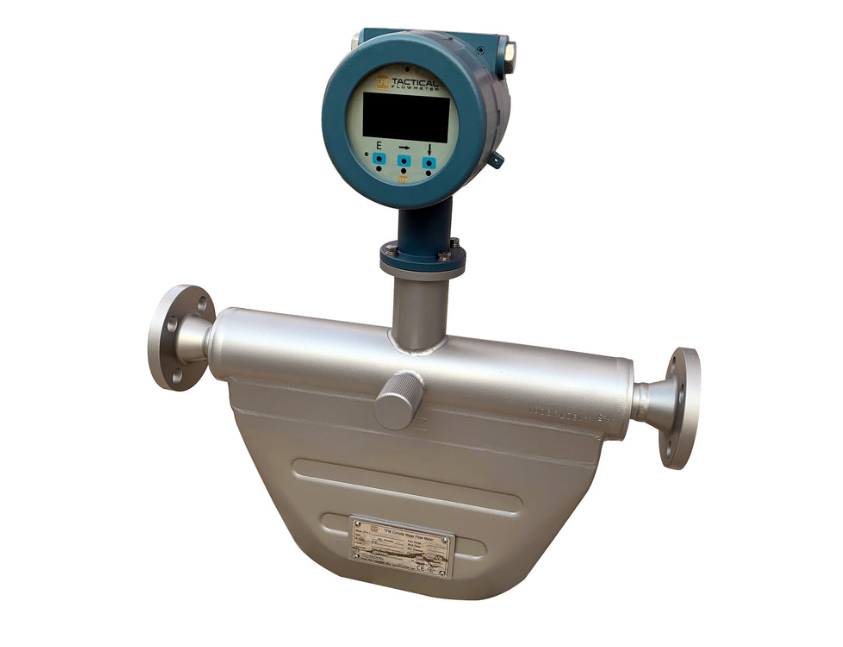
Figure 5: Coriolis Mass Flow Meter for Real-Time Flow Correction
3.3 Actual Effect
Batch density difference drops below 2%, scrap rate reduced from over 12% to under 1%.
4. Production Beat Synchronization Key Points
Even precise flow control fails without matched line speed:
- Too fast track → uneven material distribution inside mold
- Too slow track → raw material cures before filling, inner void occurs
Automatic line uses distributed sensors to lock injection only after mold is fully positioned; curing channel running speed matches foaming cycle to ensure standardized solidification.
5. Frequently Asked Questions
Q1: Is it necessary to replace all old single machines to build automatic lines?
Q2: What's the suitable daily output to upgrade to automatic conveyor line?
Q3: Can one set of automatic line produce multi-hardness shoe soles?
6. Conclusion
Upgrading from discrete single equipment to integrated automatic conveyor production line is a core production reform for shoe manufacturers to eliminate density drift and cut scrap loss.
Haifeng Polyurethane Machinery provides customized whole-plant layout, equipment matching and after-sale technical service according to customer's output and product specification. If you suffer from unstable sole density and high reject rate, contact us for free production line evaluation.
Eliminate Shoe Sole Density Drift & Reduce Scrap Rate
Professional automated production line customization and technical support.
Get Free Production Line Evaluation

