폴리우레탄 턴키 프로젝트를 위한 글로벌 파트너
무용제 합성 피혁 라인부터 고정밀 PU 발포 시스템까지. 40년간 쌓아온 엔지니어링 전문성을 바탕으로 글로벌 제조업체를 위한 맞춤형 생산 솔루션을 제공합니다.
정보
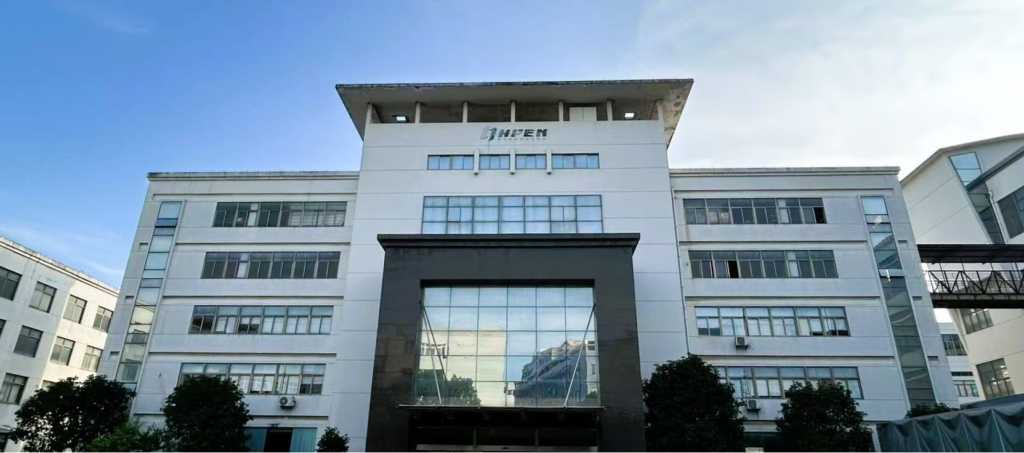
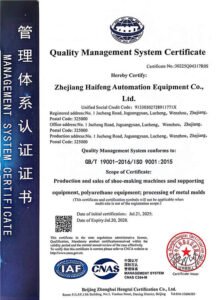
고객의 요구에 따라 고객에게 맞춤형 자동화 솔루션과 고품질 애프터 서비스를 제공하기 위해 최선을 다하고 있습니다. 회사는 품질 관리에주의를 기울이고 국제 표준에 따라 엄격하게 생산 및 테스트합니다. 우리는 고객이 생산 효율성을 높이고 비용을 절감하며 치열한 경쟁 시장에서 성공할 수 있도록 고품질의 신뢰할 수있는 자동화 장비를 고객에게 제공하기 위해 최선을 다하고 있습니다.
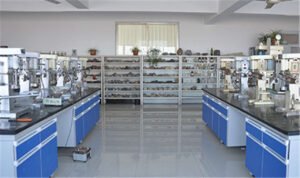
고급 PU 애플리케이션 및 파일럿 센터: 개념에서 상용화로 연결
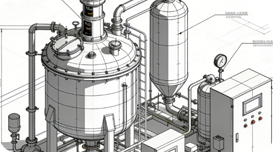
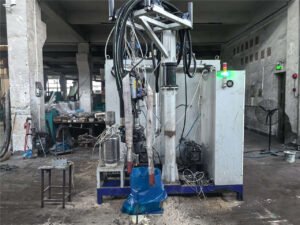
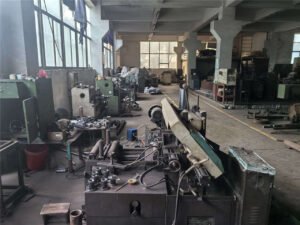
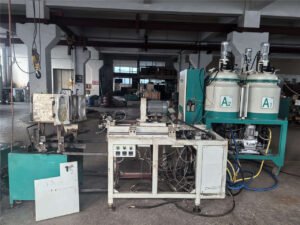
고압 계량 장치와 포밍 라인으로 생산 환경을 시뮬레이션합니다. 원료를 테스트하고 비율을 최적화하며 믹스 헤드를 시험하여 고객의 생산을 중단하지 않고도 PU 포뮬러를 실제 제품으로 전환할 수 있습니다.
주요 목표에는 다음이 포함됩니다:
- 사전 프로덕션 테스트를 지원하여 고객의 R&D 주기를 가속화하세요.
- 정밀한 공식 및 프로세스 검증을 통해 제품 성능을 최적화합니다.
- 대량 생산 전에 공정 타당성을 확보하여 생산 위험을 최소화합니다.
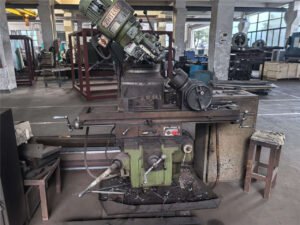
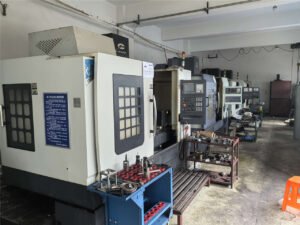
정밀 엔지니어링 및 프로토타이핑: PU 장비를 위한 미크론 수준의 정확도
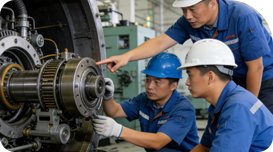
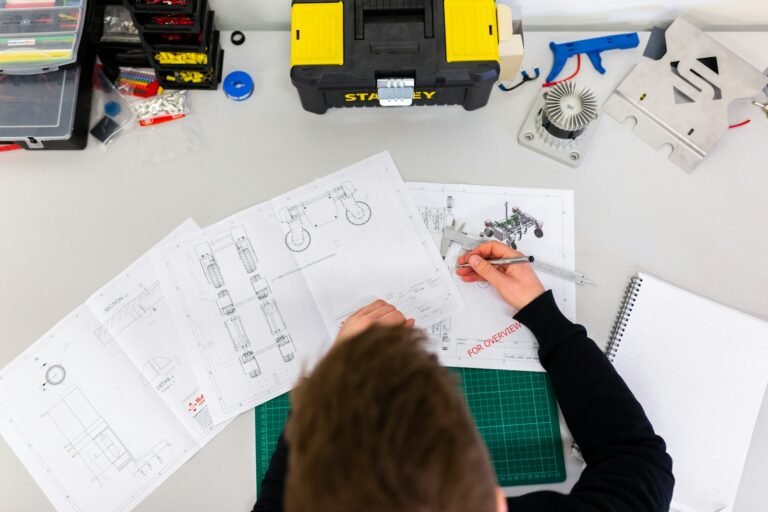
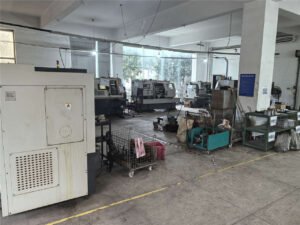
- 최적의 장비 성능을 위한 고정밀 맞춤형 부품을 제공합니다.
- 사내 래피드 프로토타이핑을 통해 비표준 부품의 리드 타임을 단축하세요.
- 까다로운 조건에서 PU 발포 기계의 신뢰성과 수명을 보장합니다.
블로그
Tire Flat Proofing Liquid Filling Equipment
Tire Flat Proofing Liquid Filling Equipment has become a strategic investment for mining, industrial, and construction fleets seeking to reduce tire-related downtime and improve equipment availability. By injecting polyurethane into pneumatic tires, these systems create puncture-resistant, airless tires that enhance reliability and lower maintenance costs. Modern equipment integrates precise metering, temperature control, high-pressure mixing, automation, remote diagnostics, and digital monitoring to ensure consistent filling quality. While ideal for OTR, forklift, port, and construction equipment, polyurethane filling is less suitable for high-speed highway vehicles. Success depends on accurate processing, operator expertise, and reliable engineering support. (96 words)
OTR Tire Foam Filling Machine Capacity Guide
This article explains that the true capacity of an OTR tire foam filling machine depends not only on polyurethane output rate but also on metering accuracy, foam quality, temperature control, and tire size. It highlights that larger pumps do not always improve productivity, as foam chemistry and reaction stability are critical. The article provides capacity guidelines for underground, surface, and ultra-large mining applications, discusses polyurethane consumption by tire size, and reviews key 2026 trends such as smart ratio monitoring, automated density compensation, remote diagnostics, and integrated production data systems for mining fleet management.
Mining Tire Foam Filling Process Step by Step
Mining tire foam filling is a specialized process that transforms pneumatic tires into puncture-resistant, flat-proof tires for demanding mining environments. This article explains the complete foam filling workflow, from tire inspection and preparation to polyurethane injection, air purging, curing, quality inspection, and field deployment. It highlights why process control is often more important than foam density, outlines common mistakes that shorten tire life, and discusses applications where foam filling may not be suitable. The guide also reviews equipment selection, engineering support requirements, and emerging 2026 technologies such as smart filling systems, digital traceability, and AI-assisted process optimization.
How to Prevent Tire Punctures in Mining
Mining companies seldom ask themselves if tire punctures will happen; the more pressing question is how much production time, labor costs, and equipment availability will be lost when they do.
Best Equipment for Foam Filling Mining Tires
It’s simple math: the cost of production is worse than the costs of replacing mining tires. For haulers, wheel loaders, underground, slag handling, port and quarry, machines, even one tire puncture might price production, in a day of out for high cost mining companies, more than buying a tire.
Foam Filled Tires vs Solid Tires
By 2026 heavy-duty vehicle fleets in mining, road building, ports and the like face operational down time that runs into many thousands per day per truck. The choice of foam filled tires and solid tires is no longer an academic one, but will affect throughput, the total maintenance budget, and life cycle costs of the fleet in rudimentary obvious terms.