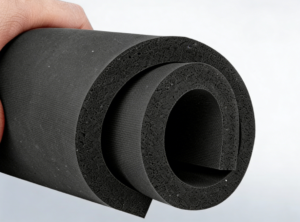









The Shift to Solvent-Free: Why Dehumidification is the Silent Killer of Your TPO/TPU Leather Line
9 times out of 10, the problem isn’t your extruder, isn’t your formula, isn’t your temperature settings. It’s dehumidification. With nearly 40 years of experience in polymer fluid and thermal control, dating back to 1986, we’ve seen dozens of high-end lines fail entirely because factories treat dehumidification as an optional extra. For TPO/TPU extrusion, dehumidification is not a nice-to-have. It’s the single most important factor determining your yield.

Part 1: Full TPO/TPU Extrusion Process Breakdown
Unlike traditional PU coating processes, TPO/TPU synthetic leather is a pure thermo-mechanical physical forming process. There is no chemical crosslinking — all performance comes from high-temperature shear blending and uniform melting.
A standard industrial extrusion line has 4 core modules, and we will break down each one with corresponding equipment details below.
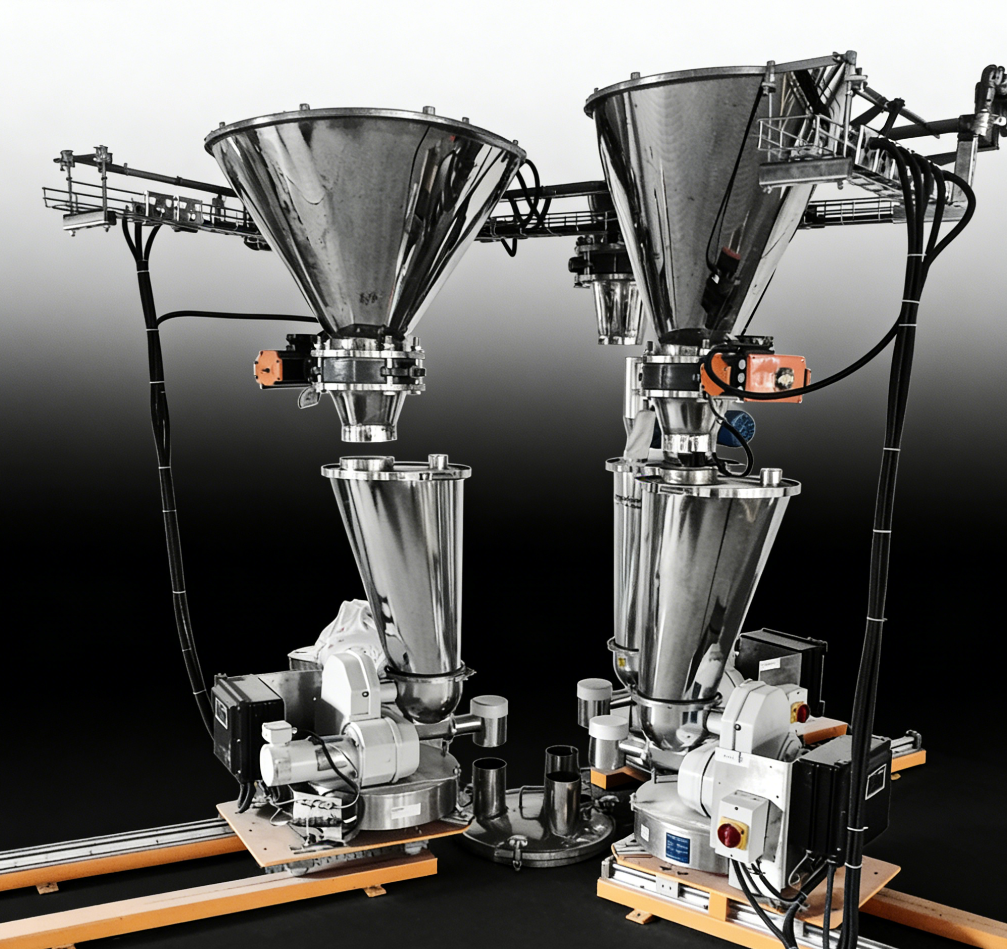
1. Loss-in-Weight Feeding System
Delivers PP, POE/EPDM elastomers and additives to the barrel at a precise, consistent mass ratio, ensuring formula stability for continuous mass production.
2. Twin-Screw Extruder
The heart of the line. Under 160°C-210°C high mechanical shear, rigid PP matrix and flexible rubber phase are broken down and dispersed at the nano-level.

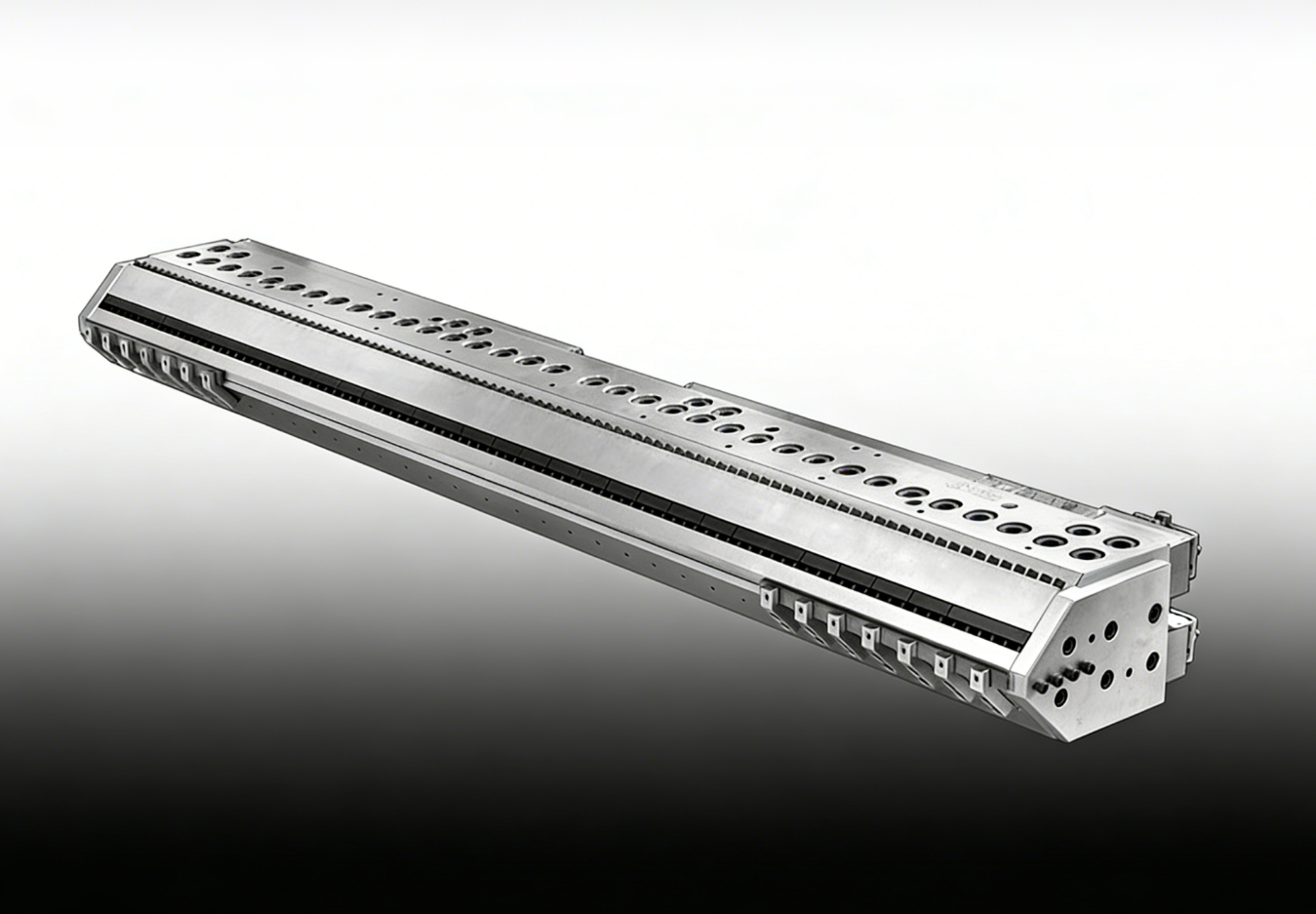
3. T-Die Co-Extrusion
Homogeneous melt is extruded into wide film through a hanger-style T-die. High-end lines use A/B or A/B/C co-extrusion to form a wear-resistant skin + micro-foam buffer layer in a single pass.
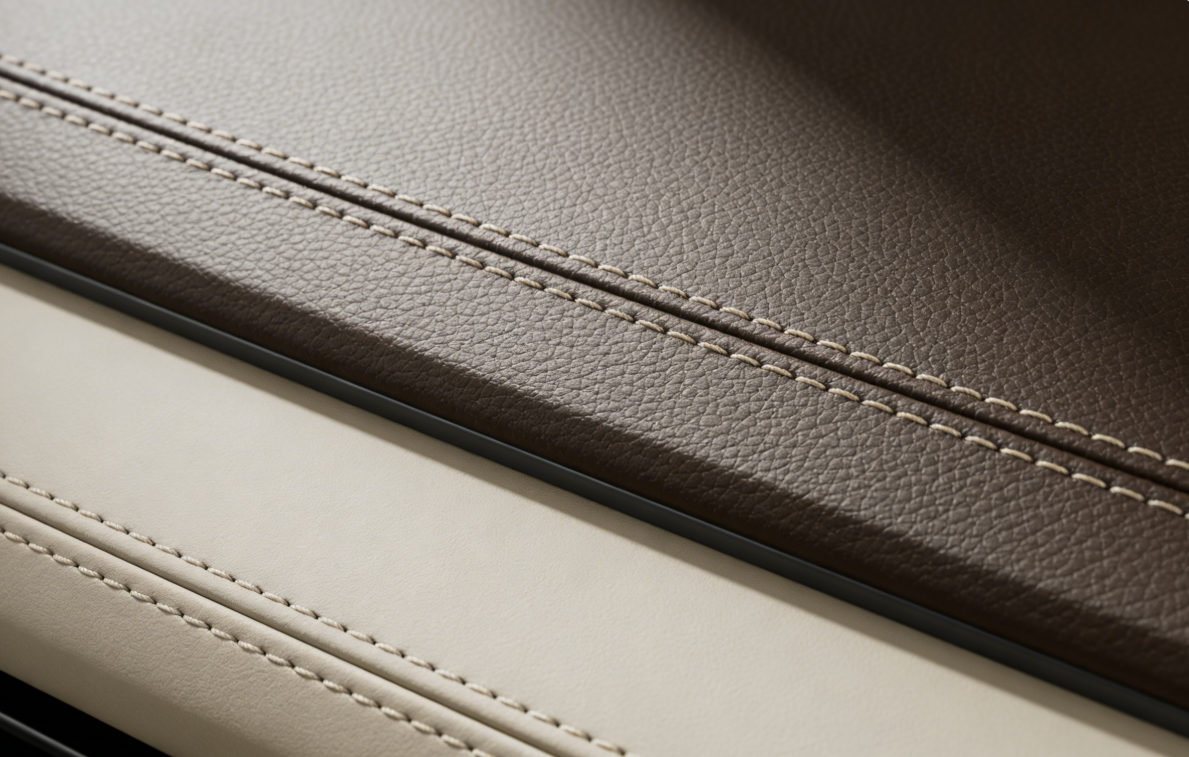
4. Three-Roll Calendering & Lamination
Hot extrudate is embossed with surface grain, and simultaneously laminated to base fabric or foam backing, completing the final leather structure in one step.

Part 2: The Silent Killer: Dehumidification
This is the #1 cause of low yield on TPU lines, and the most commonly overlooked detail.
TPU molecules contain highly polar urethane groups, so they are inherently hygroscopic. Leave TPU pellets open on the shop floor for just 4 hours, and they will absorb enough moisture to ruin your production. When wet pellets enter the 200°C barrel, two things happen:
1. Physical Damage
Trapped water instantly vaporizes, creating micro-bubbles that burst at the die, leaving ripples and voids on the surface.
2. Chemical Damage
Far worse than bubbles is hydrolysis. Water molecules cut polymer chains like scissors, causing a catastrophic drop in molecular weight and melt strength.

The 3 Telltale Signs of Moisture Damage (Almost Always Misdiagnosed)
- Die Drooling: Melt strength collapses completely. Material runs like water instead of thick honey, will not form a stable film.
- Surface Ripples & Voids: Teardrop defects and micro-bubbles that ruin the Class A surface finish.
- Hidden Performance Failure: The leather looks fine, but will fail scratch, UV aging and peel tests months later due to degraded molecular structure.
The Only Correct Solution
Standard hot air dryers are useless for TPU — they only remove surface moisture. You must use a honeycomb desiccant rotor dryer, with non-negotiable specs:
- Dew point of drying air: -40°C or lower
- Final material moisture content: <0.02% (200ppm)
- Minimum drying time: 3-4 hours
Cutting drying time to “speed up production” will always cost you far more in scrap than you save in throughput.
Part 3: Other Common Pitfalls & Expert Troubleshooting
Beyond moisture, two other issues cause 90% of remaining production problems:
1. Shear Heat Balance
You need high shear to disperse the rubber phase in TPO. Too little shear = fisheyes and hard spots. Too much shear = internal friction spikes temperature to 250°C+, causing thermal degradation, yellowing and odor, destroying your low VOC advantage.
2. Co-Extrusion Delamination
If melt temperatures/flow rates of A/B layers are not perfectly matched, or calender rolls chill the material too fast, layers will peel apart in use.
Expert Troubleshooting Matrix
| Observed Defect | Common Misdiagnosis | Root Cause | Corrective Action |
|---|---|---|---|
| Micro-bubbles, water ripples, die drooling | Extrusion temperature too high | Moisture content >0.02%, hydrolysis breaking polymer chains | Verify desiccant rotor dew point ≤-40°C, ensure minimum 3 hours drying time |
| Rough "sandpaper" surface | Poor quality filler | Insufficient shear, rubber phase not fully dispersed | Add kneading blocks to screw configuration, increase screw RPM |
| Layer delamination, poor fabric adhesion | Wrong fabric, low roll pressure | Interface temperature too low, melt cured before wetting substrate | Increase die lip temperature, add IR pre-heat or corona treatment to fabric |
| Yellowing, brittleness, pungent odor | Insufficient antioxidant | Local shear heat overheating material | Reduce screw RPM, clean barrel cooling channels for blockages |
Final Thoughts
From traditional PU pouring to modern TPO/TPU extrusion, the core rule of manufacturing never changes: all formula performance relies on rigorous control of temperature, pressure and material properties.
Dehumidification is not a secondary detail. Ignoring it is ignoring basic polymer chemistry. A stable, high-yield line is built on respecting the physical limits of the material at every step of the process.
자주 묻는 질문
Q: What is the typical payback period for a TPO/TPU extrusion line?
Q: Can we run both TPO and TPU on the same line?
Q: How often do we need to replace the desiccant rotor?
Q: What is the maximum stable line speed for automotive grade leather?
Q: Does Haifeng provide full turnkey extrusion line solutions?
Building or upgrading a TPO/TPU solvent-free extrusion line?
Haifeng Machinery provides a one-stop turnkey solution ranging from equipment manufacturing to on-site process optimization. Contact us for a free process audit