








Polyurea vs Polyurethane Spray: Complete Industrial Application & Selection Guide
This article analyzes the core differences between polyurea and polyurethane spray, provides standardized troubleshooting solutions and equipment selection frameworks, helping you avoid engineering pitfalls completely.
1. Core Chemical & Physical Differences
The essential difference between polyurea and polyurethane spray comes from their different reaction mechanisms, which directly determine their performance characteristics and application boundaries.
1.1 Polyurethane (PU) Spray
- Reaction Mechanism: Isocyanate reacts with hydroxyl-containing polyol, requires catalyst, reaction time 10-60 seconds
- Moisture Sensitivity: High. Isocyanate preferentially reacts with water to generate CO₂, leading to pinholes and blisters
- Form Diversity: Can be made into foamed insulation layer (density 30-80kg/m³) or solid coating (density 1000-1200kg/m³)
- Thermal Insulation: Excellent, closed-cell rate ≥90%, thermal conductivity ≤0.024 W/(m·K)
- Compliance Standards: GB 50404, ISO 10292, ASTM C1029
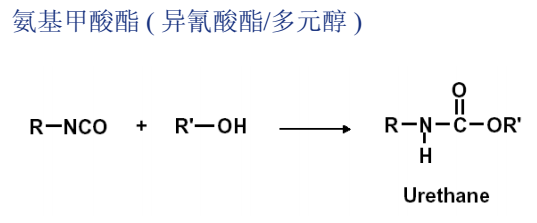
Figure 1: Polyurethane Spray Foam Construction Scene
1.2 Polyurea Spray
- Reaction Mechanism: Isocyanate reacts with amine-terminated polyether, autocatalytic reaction, gel time 3-5 seconds
- Moisture Sensitivity: Extremely low. Almost unaffected by ambient humidity and temperature, no blistering even on wet substrates
- Physical Form: Dense solid elastomer coating, density 1000-1100kg/m³, elongation at break ≥300%
- Mechanical Performance: Excellent wear resistance, corrosion resistance and impact resistance, service life up to 20 years
- Compliance Standards: GB/T 23446, ASTM D416, AWWA C222
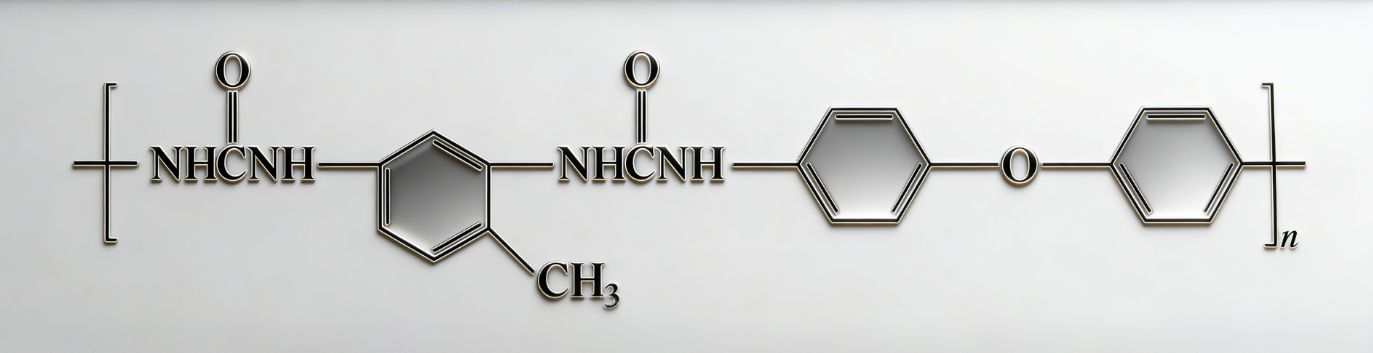
Figure 2: Polyurea Spray Heavy Anti-Corrosion Construction
2. Full-Dimension Performance Comparison Matrix
| 비교 차원 | Polyurea Spray | Polyurethane Spray (Foam/Coating) |
|---|---|---|
| Reaction & Cure Speed | Extremely fast, gels in 3-5 seconds, walkable immediately | Moderate, 10-60 seconds, has leveling time |
| Moisture/Temp Sensitivity | Extremely low, adapts to -10℃ to 40℃, no blistering | High, substrate must be dry, humidity ≤85% |
| Structure Density | 100% dense elastomer, no pores | Foam type ≥90% closed-cell, coating type ≥95% |
| Elongation at Break | 300%-500%, adapts to thermal expansion | 50%-150% |
| Abrasion Resistance | Excellent, 10x of ordinary polyurethane | Good |
| Corrosion Resistance | Excellent, resistant to acid, alkali, salt | Good, not for strong corrosion |
| Thermal Insulation | No thermal insulation function | Excellent, core insulation material |
| Equipment Investment | High, 170-240bar ultra-high pressure required | Moderate, 120-150bar high pressure |
3. Typical Engineering Application Cases & Standards
3.1 Polyurea Spray Core Application Scenarios
Polyurea is the preferred process for heavy-duty anti-corrosion and waterproof engineering:
- Industrial Anti-Corrosion: Chemical plant wastewater tanks, storage tanks, pipeline anti-corrosion, meet ISO 12944 standard
- Waterproof Engineering: Water conservancy dams, tunnel waterproofing, roof waterproofing, meet GB 50108 standard
- Wear-Resistant Lining: Truck bed liners, bridge deck protection, stadium stands
- Marine Engineering: Ship hulls, offshore platform anti-corrosion, salt spray resistance ≥5000 hours
Case Study: Chemical Plant Wastewater Tank Anti-Corrosion
A chemical plant used ordinary PU coating for wastewater tank lining before. Due to high humidity, the coating blistered in 6 months and delaminated. After switching to pure polyurea spray:
- Completely ignored residual moisture on the substrate, formed seamless dense elastomer with 400% elongation
- Perfectly resisted structural thermal expansion caused by day-night temperature difference
- Service life reached 20 years, no maintenance required
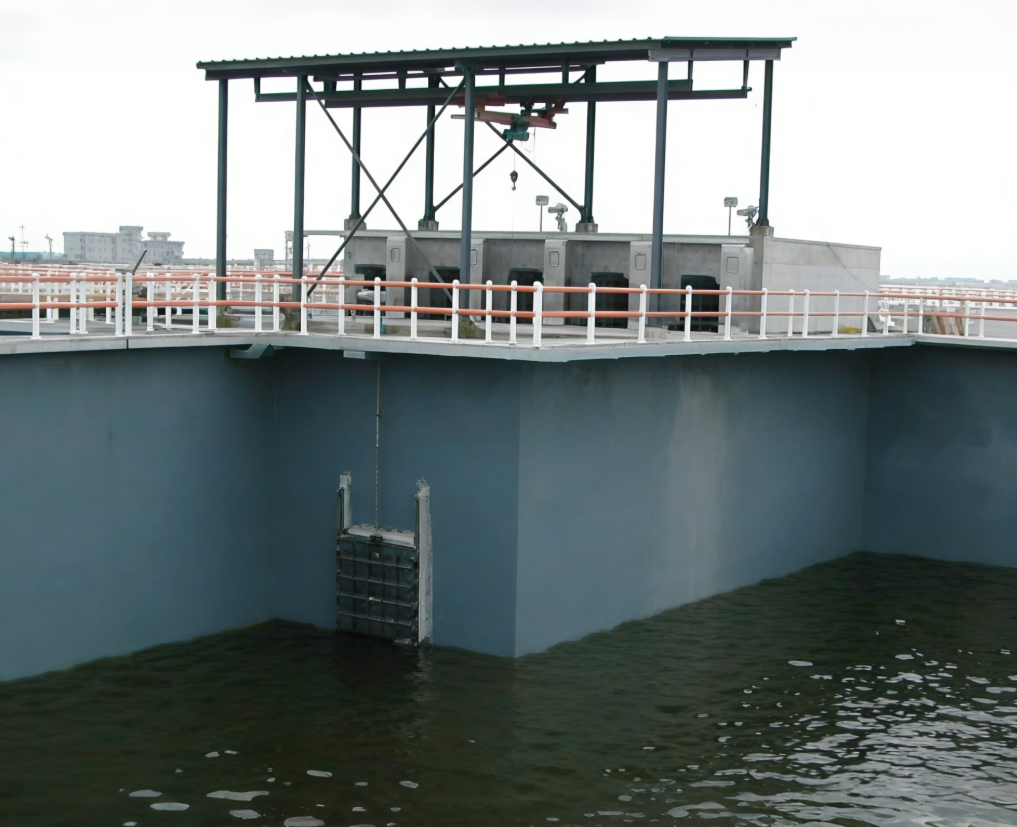
Figure 3: Polyurea Anti-Corrosion Lining for Chemical Wastewater Tank
3.2 Polyurethane Spray Core Application Scenarios
Polyurethane spray foam is the preferred process for thermal insulation engineering:
- Building Thermal Insulation: Exterior wall insulation, cold storage insulation, roof insulation, meet GB 50176 standard
- Pipeline Insulation: Oil and gas pipelines, HVAC pipeline insulation
- Void Filling: Wall cracks, door and window gap filling, structural reinforcement
- Sound Insulation Engineering: Indoor sound insulation, equipment noise reduction
Case Study: Large Cold Chain Warehouse Roof Insulation
A contractor tried to use polyurea for cold storage roof insulation before. Due to polyurea's fast curing speed, it could not expand to form insulation layer, which was expensive and failed thermal conductivity standards. After switching to polyurethane spray foam:
- 3-5 seconds flow time, penetrated into all tiny gaps of the roof
- Expanded 30 times to form dense closed-cell foam, thermal conductivity ≤0.022 W/(m·K)
- Stable insulation performance for over 10 years, energy consumption reduced by 40%
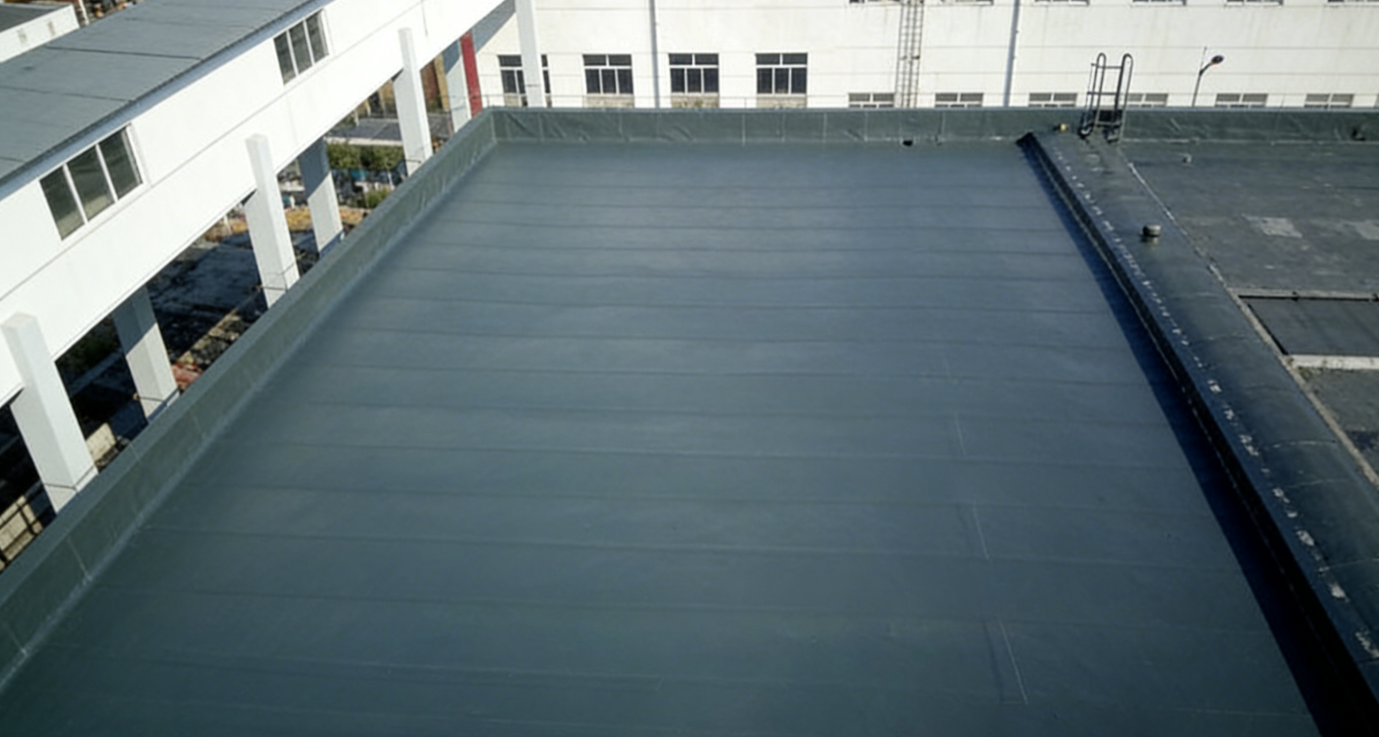
Figure 4: Polyurethane Spray Foam Insulation for Cold Storage Roof
4. Equipment Requirements & Selection Guide
The biggest engineering pitfall is using polyurethane spray equipment to spray polyurea, which will directly lead to coating defects and equipment damage.
4.1 Polyurea Spray Equipment Core Requirements
Polyurea's 3-second curing time puts forward extreme requirements for equipment:
- Ultra-High Pressure System: Stable output pressure 170-240bar, pressure fluctuation ≤2bar, ensuring molecular-level uniform mixing
- High-Precision Metering: Servo/hydraulic drive, A/B ratio accuracy ≤±0.5%, eliminating pressure fluctuation
- Full-Chain High Temperature Control: Raw material heating 65-80℃, temperature control accuracy ≤±1℃, reducing viscosity
- Self-Cleaning Mixing Head: Mechanical purge self-cleaning, avoiding gun clogging caused by fast curing
4.2 Polyurethane Spray Equipment Core Requirements
- High Pressure System: Output pressure 120-150bar, ensuring mixing uniformity ≥99%
- Constant Temperature Control: Raw material heating 40-60℃, adapting to ambient temperature changes
- Large Flow Output: Support 24-hour continuous large-area construction
4.3 Common Equipment Mismatch Defects & Solutions
| Defect Type | Core Cause | Solution |
|---|---|---|
| Polyurea coating soft, not fully cured | Low mixing pressure, uneven mixing | Upgrade to 170bar+ ultra-high pressure system, clean mixing head |
| Polyurea coating brittle, easy to crack | Ratio deviation, temperature too high | Calibrate metering accuracy, reduce raw material temperature |
| PU foam blistering, pinholes | Substrate wet, raw material temperature too low | Dry substrate, increase raw material temperature, control humidity |
| PU foam density uneven | Pressure fluctuation, ratio drift | Adopt closed-loop metering, enable temperature compensation |
5. Frequently Asked Questions
Q1: Can polyurea be used for thermal insulation engineering?
Q2: Can the same equipment spray both polyurea and polyurethane?
Q3: What is the service life difference between polyurea and polyurethane coating?
Q4: What are the environmental requirements for construction?
6. Conclusion
In spray engineering, there is no perfect material, only the most suitable matching system.
- Choose polyurea spray + ultra-high pressure equipment for heavy anti-corrosion, waterproof and wear-resistant engineering
- Choose polyurethane spray foam + high pressure equipment for thermal insulation, gap filling and sound insulation engineering
Haifeng Polyurethane Machinery has 40 years of experience in R&D and manufacturing of industrial spray equipment. We provide full-process services from material matching, equipment customization, process debugging to on-site technical support for global engineering contractors. All equipment complies with GB, ISO and ASTM industry standards.
Contact our engineering team for free technical diagnosis and customized spray solutions.
Get Professional Spray Equipment & Engineering Solution
Full-process support from material matching to on-site technical guidance.
Get Free Technical Consultation