








Troubleshooting for Continuous PU Corrugated Sandwich Panel Production: Voids, Warping & Density Drift
Continuous corrugated panel production operates on an extremely narrow window of reaction time, pressure and temperature. Even a 1% deviation will ruin hundreds of meters of finished panels.
1. Four Common Production Pitfalls & Solutions
Pitfall 1: Density Drift from Uncontrolled Continuous Metering
Root Cause: Raw material temperature changes, pump wear and viscosity fluctuations cause pressure-flow coupling deviation. Fixed-speed pumps cannot detect viscosity changes, actual output deviates quietly.
Solution: Adopt high-precision mass flow meters + pressure sensors with real-time PLC linkage compensation. Achieve ≤±1.5% density deviation over 8 hours of continuous production.
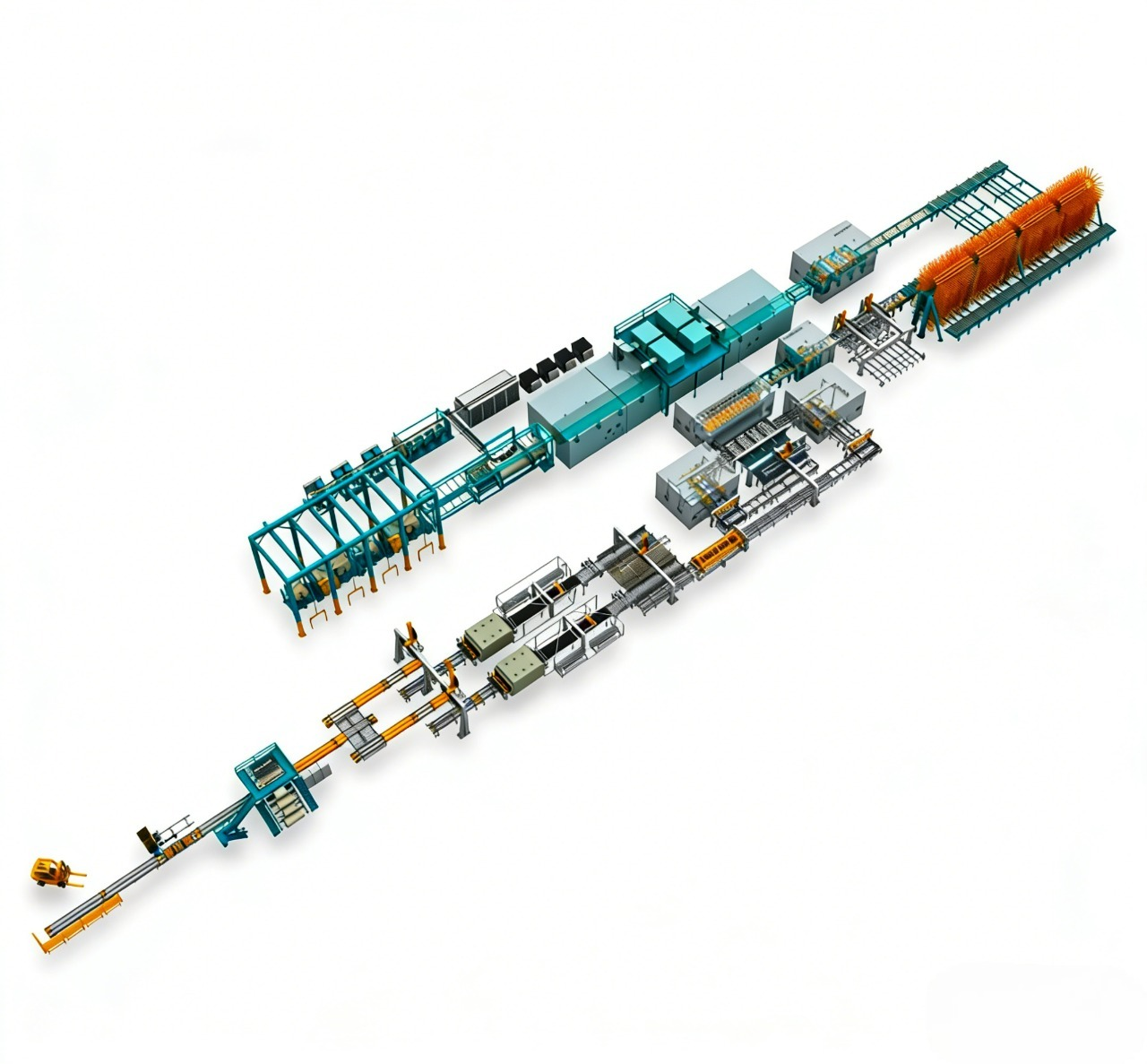
Pitfall 2: Internal Honeycomb Voids from Insufficient Mix Head Shear Energy
Root Cause: Unreasonable flow channel design and insufficient shear energy prevent uniform molecular mixing. Asynchronous reaction causes local pre-gelation and invisible pores.
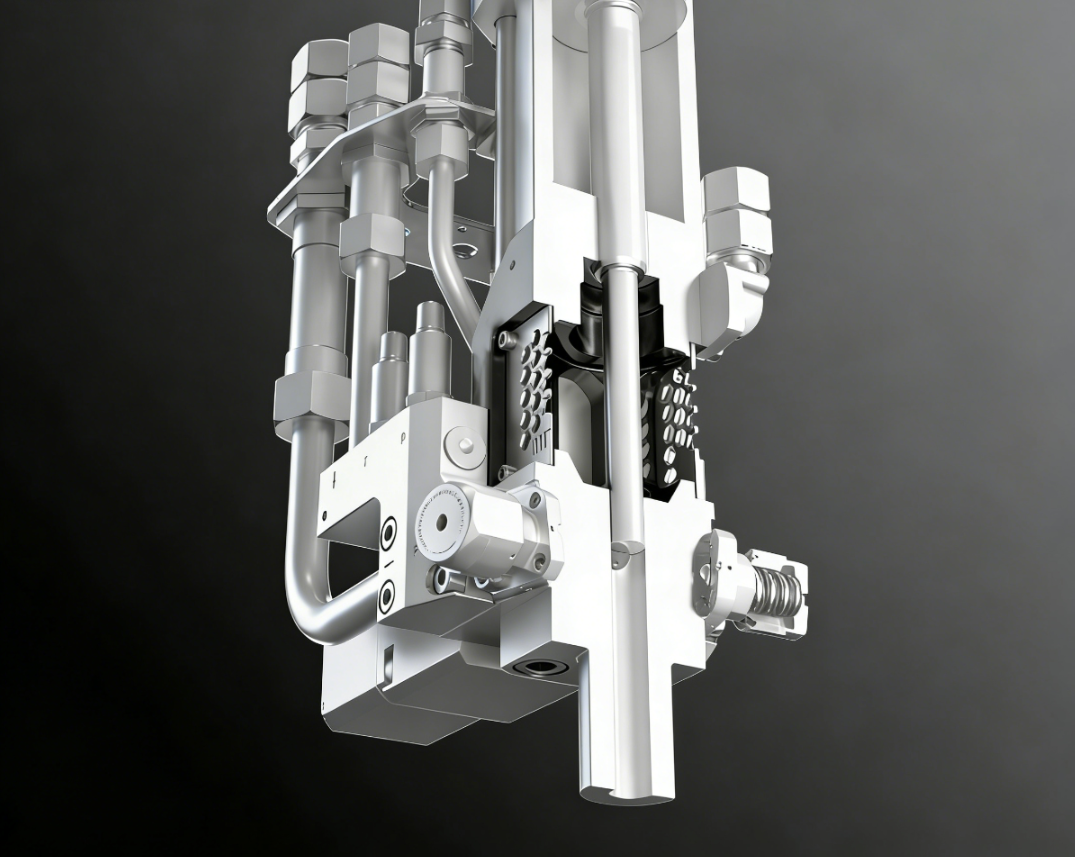
Solution: Adopt high-flow high-shear dedicated mix head, ensure excellent foam fluidity and consistent curing rhythm, fill complex corrugated structures without dead corners.
Pitfall 3: Out of Control Reaction Rhythm from Temperature-Viscosity Misalignment
Root Cause: Even 2-3℃ temperature deviation completely changes cream time, gel time and viscosity. Seasonal and day/night temperature differences cause large viscosity fluctuations.
Solution: Independent oil-bath three-layer material tanks + precision constant temperature pipelines, strictly lock raw material temperature within ±1℃ deviation.
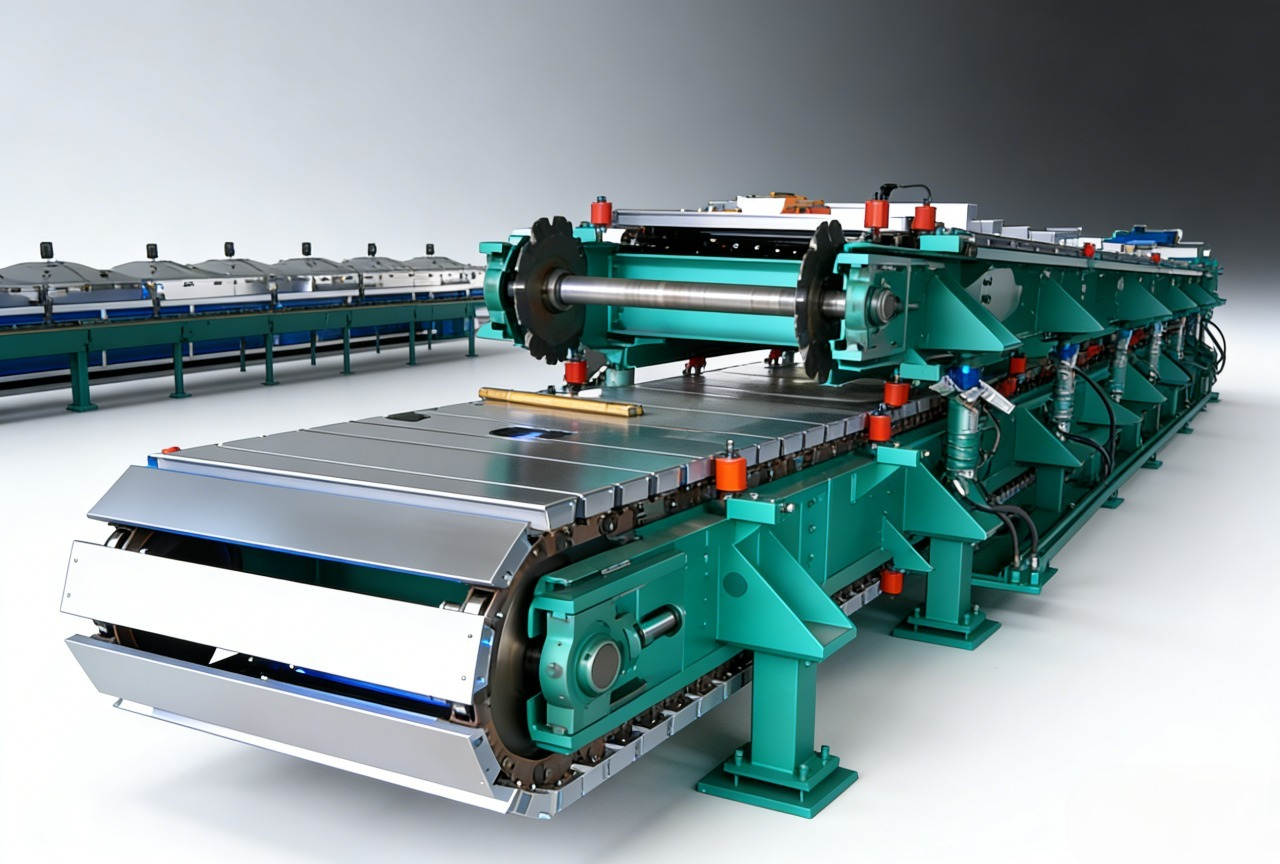
Pitfall 4: Warping & Delamination from Mismatched Line Speed & Pressure
Root Cause: Too fast line speed causes residual internal stress and warping; too slow line speed causes over-expansion and skin-core separation.
Solution: Centralized HMI linkage synchronization: pouring flow, mixing rhythm, belt speed and pressing pressure are integrated and adjusted together.
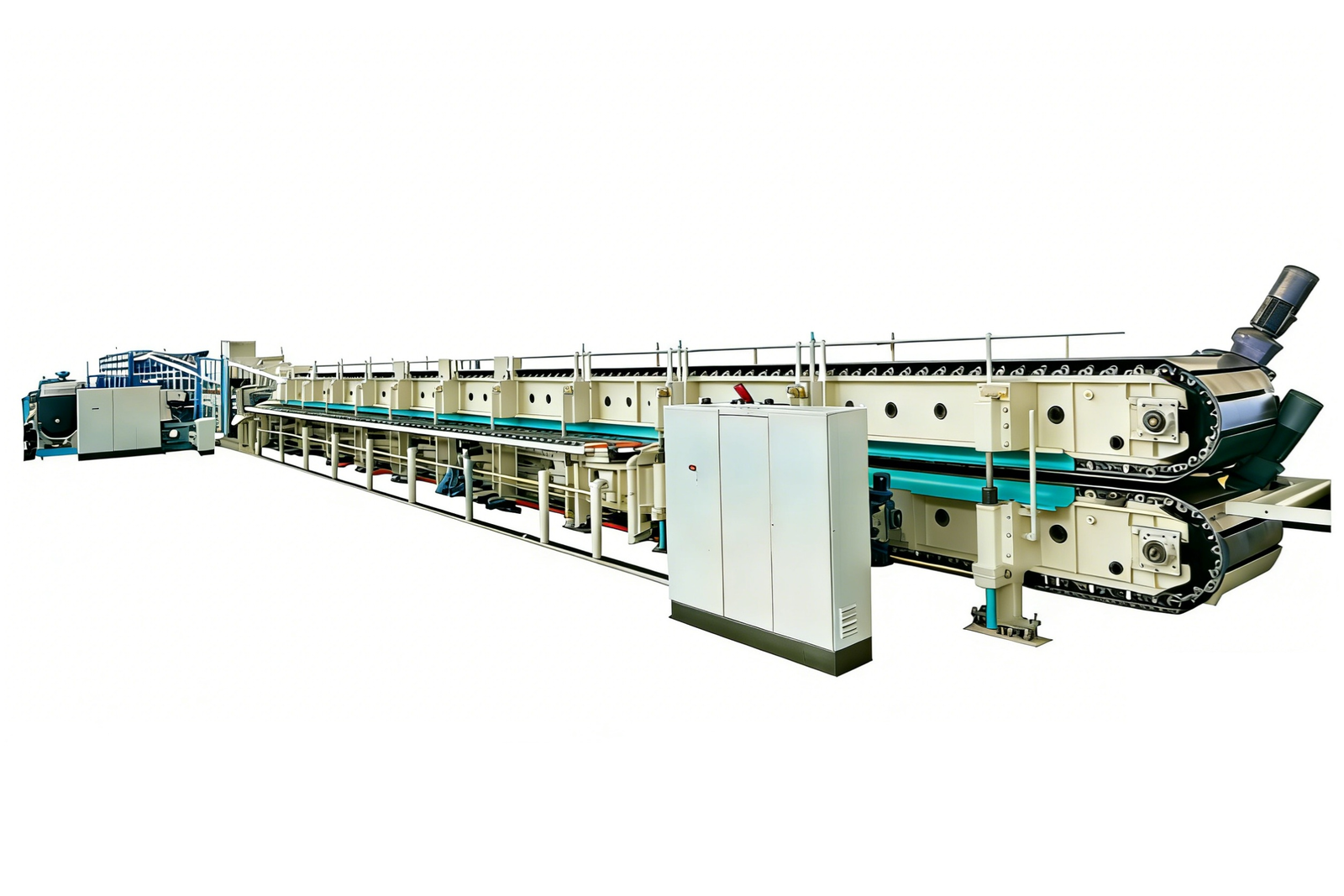
2. 5 Core Selection Indicators for Continuous Production Lines
For new line installation or upgrading, focus on 5 core indicators instead of just price:
- Density Control Accuracy: ≤±1.5% density deviation over 8 hours continuous production
- Continuous Operation Reliability: Mean Time Between Failures (MTBF) of metering pumps and the whole machine
- Pressure Response Sensitivity: Quick compensation for viscosity and pressure fluctuations
- System Integration Compatibility: Native communication and linkage with forming and pressing units
- Full-Range Thermal Stability: Full constant temperature from material tank to mix head outlet, consistent performance
Frequently Asked Questions
Q1: What is the most common cause of density drift in continuous production lines?
Q2: How to detect invisible internal honeycomb voids?
Q3: Do we need to adjust parameters in winter and summer?
Q4: How long to stabilize yield for a new continuous line?
Q5: Can old batch lines be converted to continuous lines?
Conclusão
Continuous PU corrugated sandwich panel production is never just simple pouring and pressing. High scrap rate, warping, voids and unstable density are mostly systematic issues caused by asynchronization of ratio, mixing, temperature control and line speed.
A high-yield production line relies on the stable coordination of full process closed loop, constant temperature closed loop and flow closed loop, not a single excellent machine.
Continuous PU Panel Production Line Upgrading & Debugging
Haifeng Polyurethane Machinery provides one-stop turnkey services from equipment manufacturing to on-site process optimization. Contact us for a free production line audit