








PU Mattress Foam: Complete Guide to Eliminate Density Drift & Improve Consistency
This article analyzes the core causes of density drift, provides standardized troubleshooting solutions, and introduces how high-precision two-component mixing technology becomes the "stabilizer" of mattress production lines.

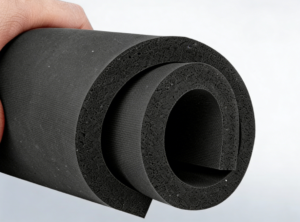
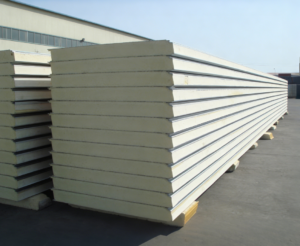
Figure 1: High Consistency PU Mattress Foam Finished Product
1. Core Causes of Density Drift & Foam Defects
The physical properties of PU foam (density, resilience, hardness, support) are 100% determined by the mixing uniformity, ratio accuracy and reaction condition stability of A and B components. The three most common core causes of production defects are:
1.1 Ratio Drift Caused by Open-Loop Control
Traditional simple pouring equipment adopts open-loop control without real-time feedback. When workshop temperature changes by ±5℃, raw material viscosity changes by 15%-20%, leading to metering pump internal leakage, and A/B ratio deviation of more than 1%.
- Excessive A component: Foam becomes hard and brittle, resilience decreases, easy to collapse after long-term use
- Excessive B component: Foam becomes soft, support is insufficient, permanent deformation occurs after compression
1.2 Mixing Inhomogeneity Caused by Low Pressure
Traditional low-pressure equipment adopts mechanical stirring mixing, with mixing uniformity less than 85%. A large number of unreacted raw materials remain in the foam, leading to uneven cell structure, large bubbles and internal voids.
1.3 Reaction Condition Instability Caused by Temperature Fluctuation
PU foaming is a strong exothermic reaction. Without full-chain constant temperature control, raw material temperature fluctuates with workshop environment, leading to batch-to-batch differences in foaming time and density.
2. Standardized Defect Troubleshooting & Solutions
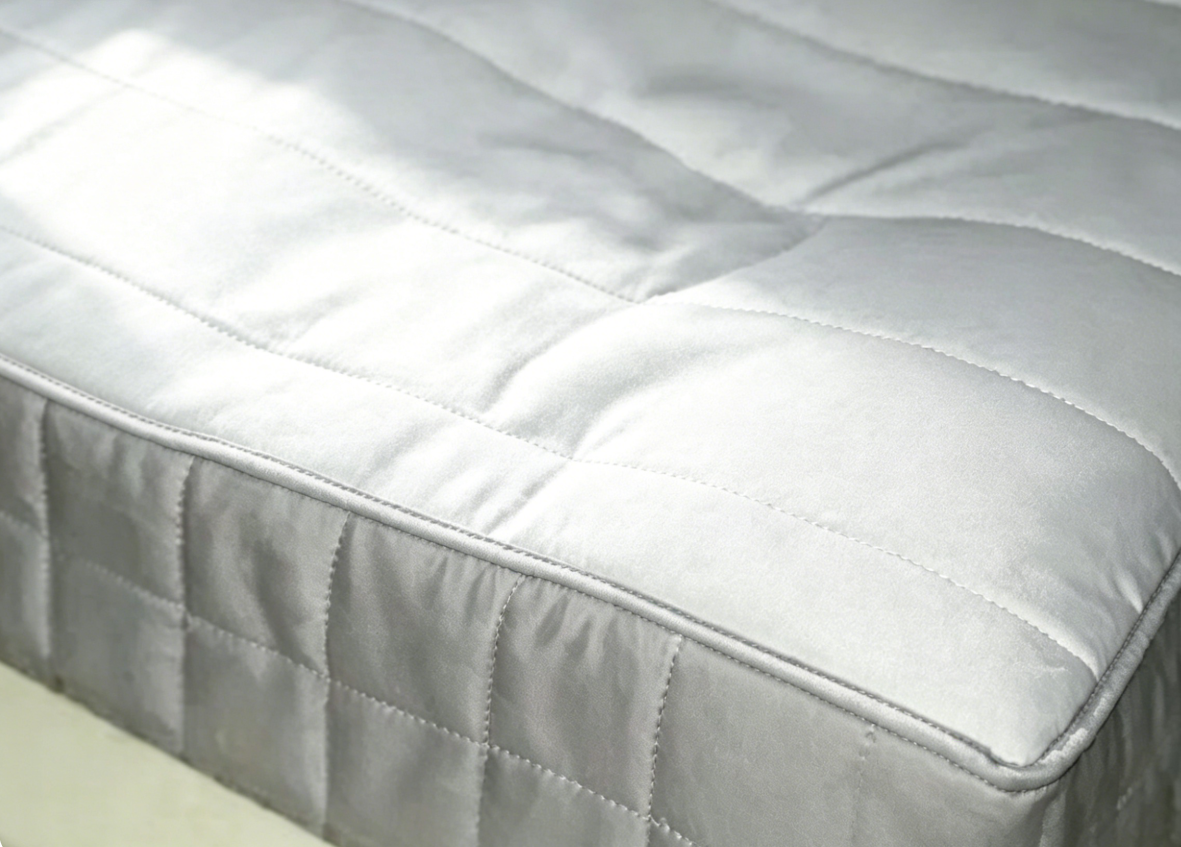
Figure 2: Typical Local Collapse Defect Caused by Ratio Drift
| Defect Type | Core Root Cause | Standard Solution |
|---|---|---|
| Batch density difference >5% | Raw material viscosity change, open-loop control | Adopt servo closed-loop metering; enable temperature dynamic compensation |
| Uneven resilience in different areas | Low mixing uniformity, local ratio deviation | 150bar high-pressure impingement mixing; clean mixing head regularly |
| Internal voids and large bubbles | Insufficient mixing, too fast pouring speed | Improve mixing pressure; reduce pouring speed; optimize mold exhaust |
| Permanent deformation after compression | Ratio deviation, insufficient cross-linking | Calibrate A/B ratio ≤±0.5%; extend curing time |
| Foam yellowing and aging fast | Excessive B component, insufficient antioxidant | Adjust formula ratio; improve mixing uniformity |
3. Core Advantages of High-Precision Two-Component Mixing Technology
Modern industrial-grade mattress pouring equipment adopts high-precision two-component closed-loop control system, which solves the core pain points of traditional equipment from three dimensions:
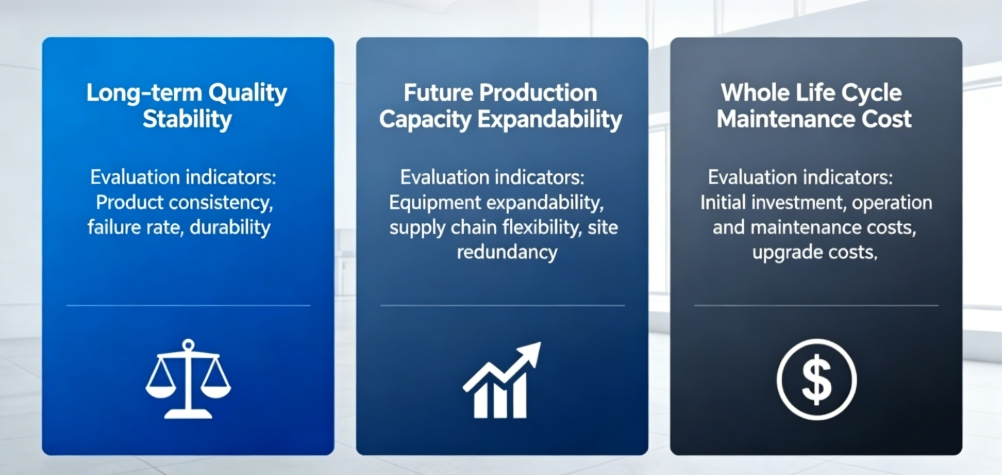
Figure 3: Three Core Control System Performance Comparison
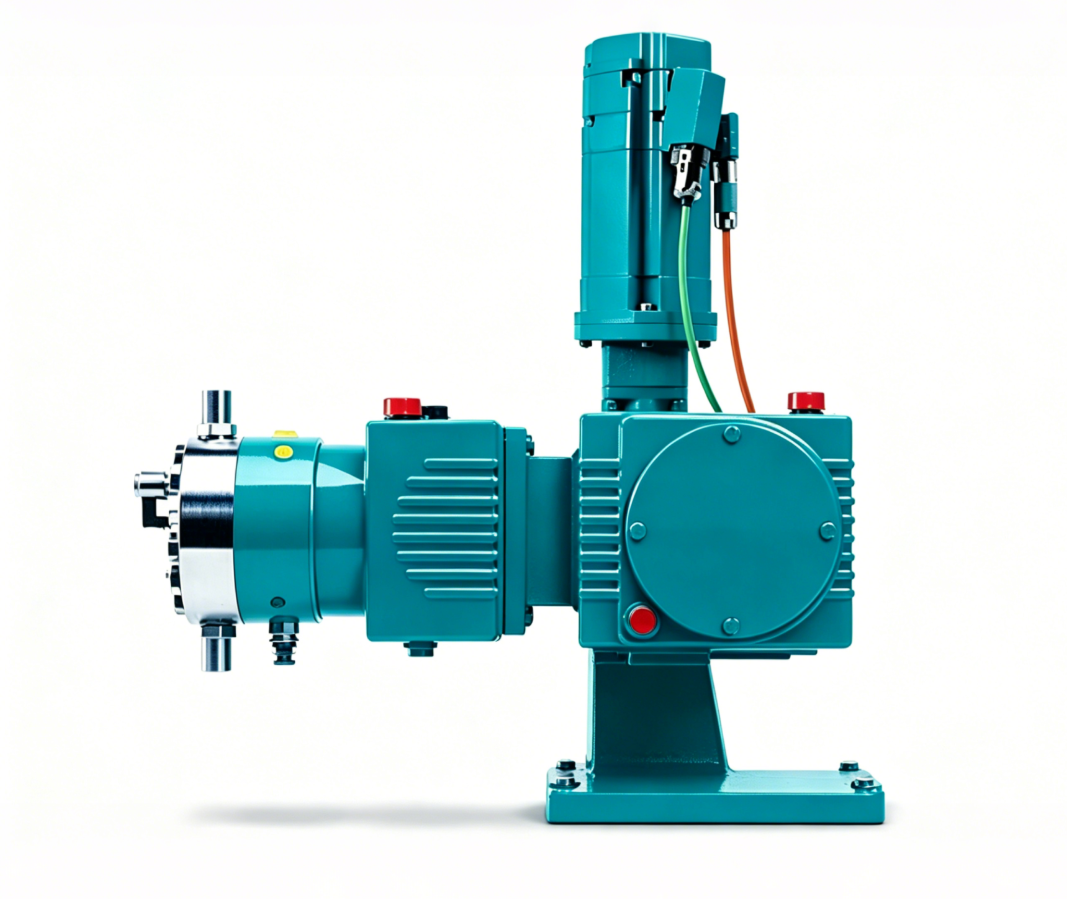
Figure 4: Servo Driven Precision Metering Pump for ±0.5% Ratio Accuracy
3.1 Servo-Driven Closed-Loop Metering System
- Ratio accuracy ≤±0.5%: Servo motor directly drives metering pump, with real-time flow feedback and automatic compensation
- Long-term stability: Ratio deviation remains within ±0.5% even after 24 hours continuous full-load operation
- Fast formula switching: Support 100+ formula storage, one-click switching for customized production
3.2 High-Pressure Impingement Mixing Technology
- Mixing uniformity ≥99%: A/B components collide at high speed under 150-200bar pressure, achieving molecular-level uniform mixing
- Self-cleaning function: Piston automatically cleans mixing chamber after each pouring, no manual solvent cleaning
- Long service life: High-hardness alloy mixing chamber withstands 100,000+ high-pressure impacts
3.3 Full-Chain Constant Temperature Control System
- Three-layer constant temperature control: Raw material tank, main heater and conveying hose are all heated and insulated, temperature control accuracy ≤±0.5℃
- Environmental compensation: Automatically adjust parameters according to workshop temperature and humidity
- Real-time monitoring: All temperature, pressure and flow data are recorded in real time, 100% traceable
4. Mattress PU Foaming Equipment Selection Guide
4.1 Core Equipment Performance Indicators
When purchasing equipment, focus on the following three core indicators, avoid being misled by superficial parameters:
- Metering accuracy: ≤±0.5% is the basic requirement for stable mass production
- Mixing uniformity: ≥99% high-pressure impingement mixing is the guarantee of uniform foam structure
- Temperature control accuracy: ≤±0.5℃ full-chain constant temperature control ensures stable reaction conditions
4.2 Selection by Production Scale
| Production Scale | Daily Output | Recommended Equipment Configuration |
|---|---|---|
| Small batch trial production | <50 mattresses/day | Small hydraulic drive system, manual mold opening |
| Medium batch mass production | 50-200 mattresses/day | Servo drive system, semi-automatic production line |
| Large scale continuous production | >200 mattresses/day | Full servo drive system, fully automatic production line with mold line |
5. Frequently Asked Questions
Q1: What is the qualified standard for mattress foam batch consistency?
Q2: What is the typical scrap rate of stable mattress foam production?
Q3: Can the same equipment produce foam with different hardness and density?
Q4: How to maintain equipment to ensure long-term accuracy stability?
6. Заключение
For mattress manufacturing, consistency is the core of brand competitiveness. The root cause of solving density drift and resilience inconsistency is to adopt industrial-grade closed-loop control equipment, achieve precise control of ratio, mixing and temperature, and eliminate all uncontrollable variables in production.
Haifeng Polyurethane Machinery has 40 years of experience in PU pouring equipment R&D and manufacturing. We provide full-process services from formula debugging, equipment customization, personnel training to after-sales maintenance for global mattress manufacturers.
Contact our engineering team for free technical diagnosis and customized production line solutions.
Improve Your Mattress Foam Production Consistency
Professional equipment, process debugging and turnkey production line support.
Get Free Technical Consultation