








Polyurethane Tire Machine Solutions

نقاط الألم في الصناعة
01
"Path Dependence" in Molding Processes
Interface issues with traditional processes:
Both compression molding and filament winding involve bonding pre-formed sheets; these processes are complex, require extensive equipment, and consume significant amounts of energy. Additionally, the bond between the layers is not very strong, making delamination likely to occur.
Anisotropy in the injection method:
Although the injection molding process has improved mechanization and product quality, it suffers from anisotropy—that is, the material’s properties differ between the flow direction and the non-flow direction. This affects the uniformity of tire performance under different load directions.
02
The Economic Calculus of Productivity and Costs
Challenges in production line integration:
Take quiet tires as an example: traditional processes require pre-formed polyurethane foam components to be transported to the tire assembly station, involving multiple stages of intermediate storage and manual or semi-automatic operations. This increases tire manufacturing costs by 25% and typically cannot be integrated into existing tire factories.
Material waste and lack of flexibility:
The scrap generated from prefabricated foam parts results in a significant amount of waste-10. At the same time, tooling and color changes take a long time, making it difficult to meet the production requirements for small batches and a wide variety of products.
03
Mechanical Challenges in Molds and Clamping Mechanisms
Clamping force eccentricity:
In traditional designs, the gate is located on the mold; the injection pressure causes the mold to shift, resulting in an eccentric clamping force of -3. This affects product quality consistency and, in severe cases, can even damage the mold.
Clamping mechanism jammed:
Occasional jamming of the screw clamping mechanism prevented pressure relief, causing the equipment to shut down. The improved design incorporates a spring buffer and an open-type bearing housing, which enhances the control accuracy and reliability of the pressure sensor and resolves this issue.
جوهر الحل

تركز Haifeng Automation، وهي شركة مخضرمة في صناعة معدات أتمتة البولي يوريثين، على المتطلبات الأساسية المتمثلة في “الحماية الشاملة، والمتانة طويلة الأمد، وحماية البيئة الخضراء، والكفاءة الذكية”. وهي تدمج تكنولوجيا البولي يوريثان الخالية من المذيبات/البولي يوريثان القائم على الماء المتراكمة بشكل مستقل، وعمليات التصنيع الدقيقة، وأنظمة مراقبة الجودة الذكية، ودمج المعدات الأساسية وحلول العمليات في السلسلة الصناعية الكاملة لأحذية السلامة. وبالاستفادة من الخبرة الفنية في معدات رغوة البولي يوريثان وأنظمة القياس الدقيقة وغيرها من المجالات، فإنها تحقق أربعة أهداف أساسية، وتتكيف مع الاحتياجات متعددة السيناريوهات، وتوفر خدمات “الحلول التقنية المتكاملة + تنفيذ المعدات”.
وحدات الحلول الأساسية
البحث والتطوير للمواد المتخصصة الخاصة بالسيناريوهات المحددة
المكونات والتركيبة :المكونات والتركيبة :
PU polyurethane raw materials (Material A is generally polyester polyol; Material B is generally isocyanate)
The approximate ratio of the ingredients is 100:30–70.
Raw material preheating temperature: 60–70°C (Note: An oven is required.)
Other ingredients: Demolding agent (function: prevents sticking), pigment (function: for coloring), (MC) dichloromethane (function: cleans the nozzle), (DOP) dioctyl phthalate (function: cleans the tank).
Castability:
Maximum instantaneous flow rate: 200 g/s.
The casting flow rate of the outer tire casting machine is approximately 150 g/s, while that of the inner tire casting machine is about 100 g/s. For example, a small vehicle tire requires approximately 1,200 g of raw material, with around 840 g needed for the outer tire and about 360 g for the inner tire.
Measurement accuracy: ±0.5%.
Solution Advantages:
A high-precision measurement system ensures accurate raw material ratios and precise automated production processes, minimizing manual intervention. The modular design facilitates maintenance and accommodates various tire specifications. The energy-efficient and environmentally friendly design reduces operational costs.

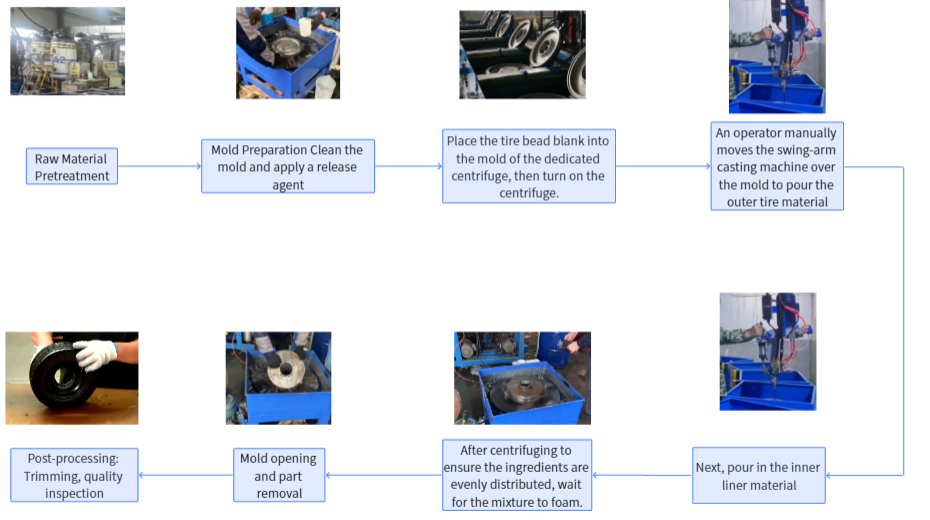
Pipeline Production Process Flowchart

Swivel-arm production flowchart

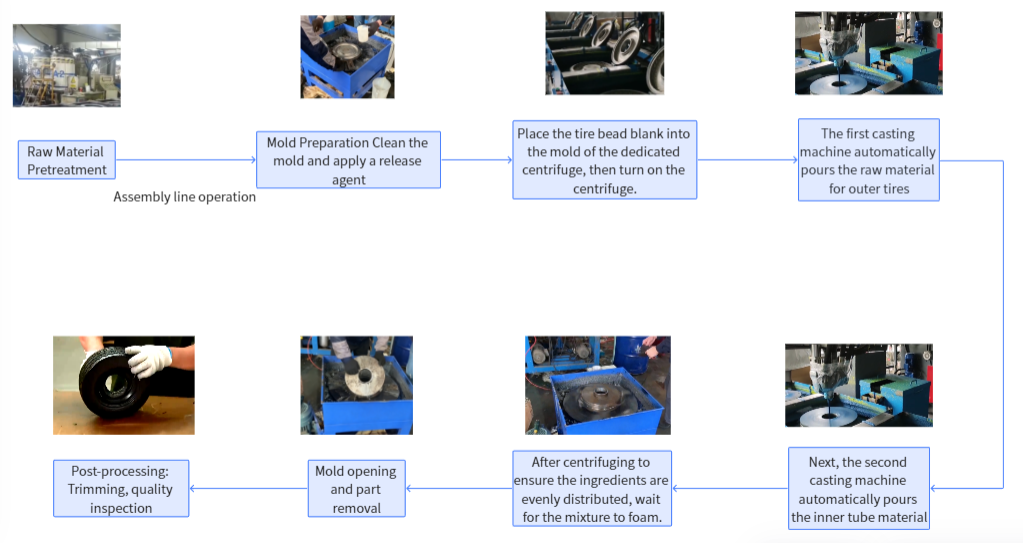
Production Process Flow
| Process Step | Process Description |
|---|---|
| 1 Raw Material Pre-treatment | Preheat Polyurethane Part A (polyol) and Part B (isocyanate) in a raw material oven to 60-70°C to ensure material fluidity. |
| 2 Mold Preparation | Clean the mold and apply a release agent to ensure the tire can be demolded smoothly. |
| 3 Bead Wire Centrifugation | Place the bead preform into the specialized centrifuge mold. The centrifuge rotates at high speed to generate centrifugal force, evenly pressing the rubber-coated steel wires outward. Gaps are filled with rubber compound, creating a tighter, denser wire arrangement. At the same time, the adhesion between the rubber and the steel wires is strengthened, and the mold closes. |
| 4 Precision Pouring | The pouring machine injects the Part A and Part B materials for the outer tire and inner tire into the centrifuge according to preset ratios and flow rates, where they are mixed in sequence and injected into the mold. |
| 5 Centrifugal Molding | The materials cure under specific pressure and temperature. Centrifugal force ensures even raw material distribution before the material waits for foaming. |
| 6 Demolding & Removal | The mold opens, and the finished tire is removed. |
| 7 Post-Processing | Trimming, quality inspection, packaging, and other subsequent steps. |
Core Equipment Configuration
Pipeline-type equipment
| No. | Equipment Name | Main Function | Technical Features | Photo Reference |
|---|---|---|---|---|
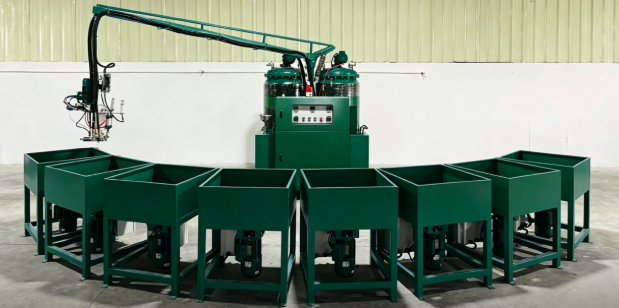
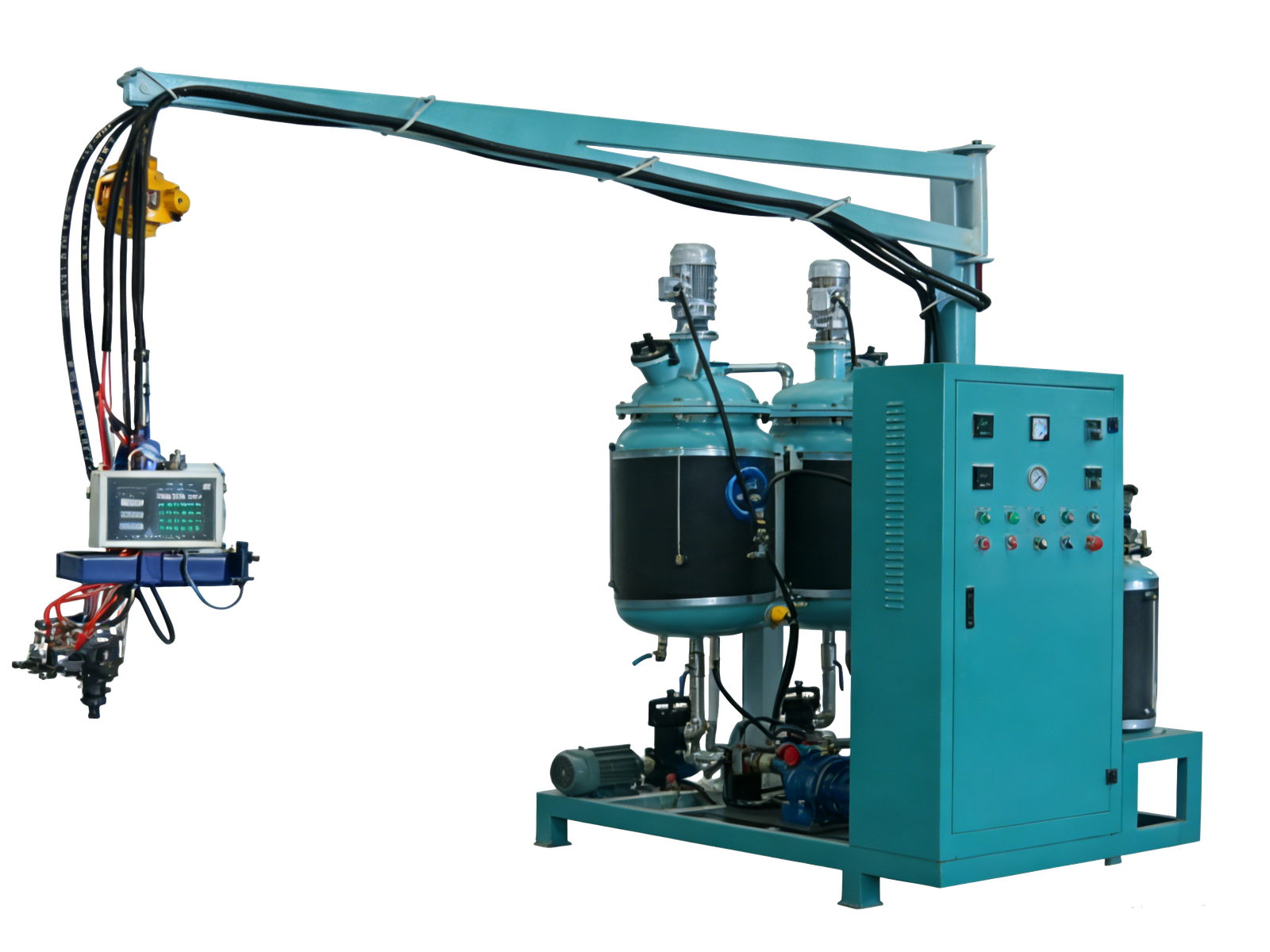
| 1 | Automatic Tire Pouring Machine (Fully Automatic) | Precisely mixes and pours polyurethane raw materials | The pouring volume required for the outer tire is typically twice that of the inner tire. Adjust according to actual conditions so that the pouring time for both outer and inner tires remains consistent. | ![]() |
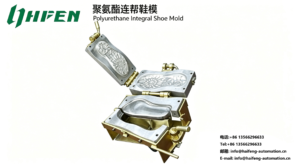
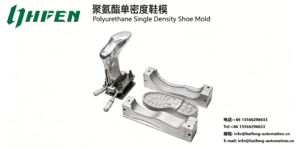
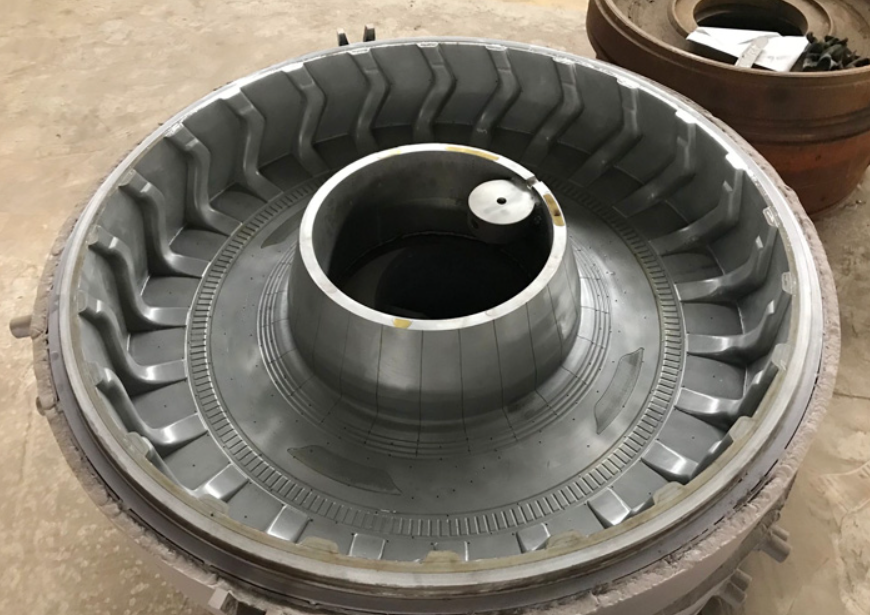
| 2 | Tire Mold System | Tire shaping / forming | High-temperature resistant alloy steel, rapid opening/closing design (different molds are used for different tire models). | ![]() |
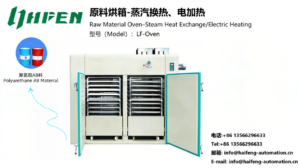
| 3 | Raw Material Pre-treatment System | Raw material preheating and dehumidification | Automatic temperature control, anti-crystallization design. | ![]() |
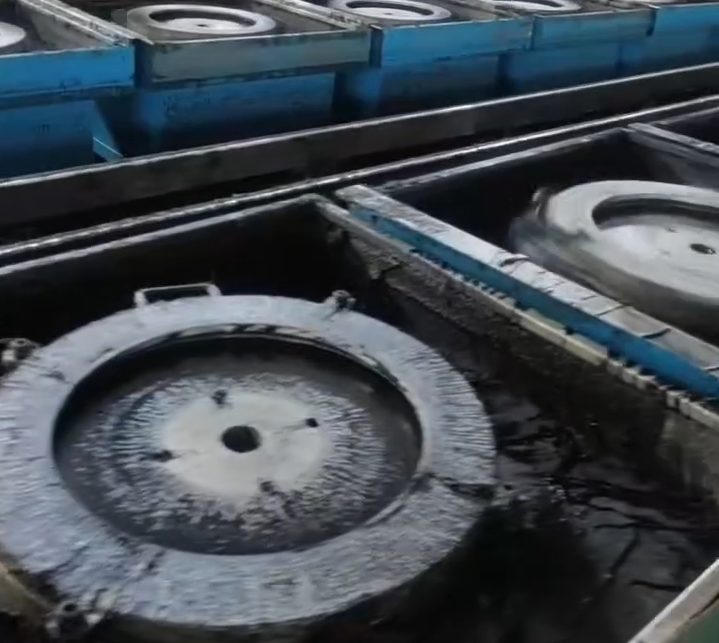
| 4 | Automated Conveyor Line | Automatic mold conveying | 60-station design, precise positioning (configurable according to production needs). | ![]() |
Swivel-arm type equipment
| No. | Equipment Name | Main Function | Technical Features | Photo Reference |
|---|---|---|---|---|
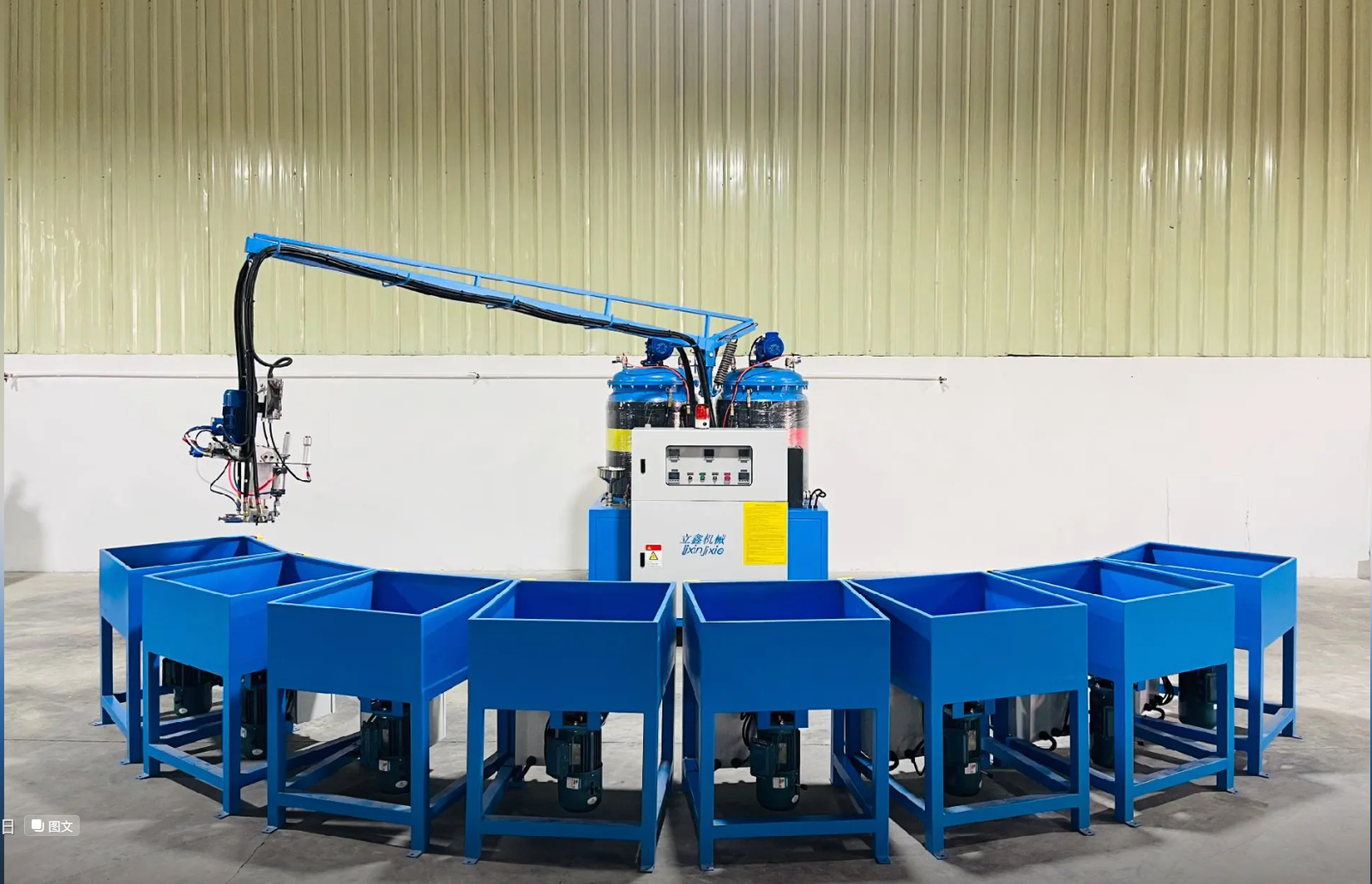
| 1 | Swing Arm Pouring Machine (Semi-automatic) | Precisely mixes and pours polyurethane raw materials | The pouring volume required for the outer tire is typically twice that of the inner tire. Adjust according to actual conditions so that the pouring time for both outer and inner tires remains consistent. | ![]() |
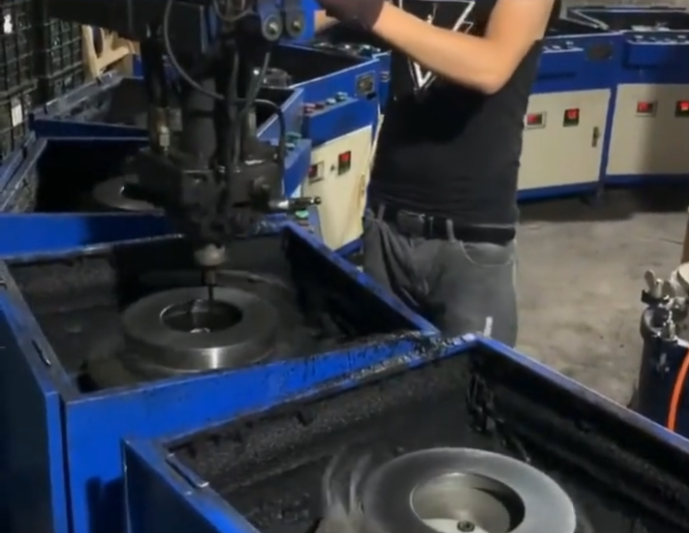
| 2 | Tire Mold System | Tire shaping / forming | High-temperature resistant alloy steel, rapid opening/closing design (different molds are used for different tire models). | ![]() |
| 3 | Raw Material Pre-treatment System | Raw material preheating and dewatering | Automatic temperature control, anti-crystallization design. | ![]() |
| 4 | Fixed Station System | Fixed mold positioning | 20-station design (configurable according to production requirements). | ![]() |
Production output and production efficiency
Line-based tire production
| Production Mode | Cycle Time | Shift Output (8 hours) | Daily Output (16 hours) | Annual Output (300 days) |
|---|---|---|---|---|
| Small Tires (5-10kg) | Approx. 7 mins | ≈ 550 pcs | ≈ 1100 pcs | ≈ 330,000 pcs |
| Medium Tires (10-20kg) | Approx. 11 mins | ≈ 350 pcs | ≈ 700 pcs | ≈ 210,000 pcs |
| Large Tires (20-30kg) | Approx. 14 mins | ≈ 275 pcs | ≈ 550 pcs | ≈ 165,000 pcs |
Line-based tire production
| Production Mode | Cycle Time | Shift Output (8 hours) | Daily Output (16 hours) | Annual Output (300 days) |
|---|---|---|---|---|
| Small Tires (5-10kg) | Approx. 10-12 mins | ≈ 320 pcs | ≈ 640 pcs | ≈ 288,000 pcs |
| Medium Tires (10-20kg) | Approx. 15-18 mins | ≈ 230 pcs | ≈ 460 pcs | ≈ 192,000 pcs |
| Large Tires (20-30kg) | Approx. 19-23 mins | ≈ 180 pcs | ≈ 360 pcs | ≈ 153,600 pcs |
Key Technical Parameters
Add Your Heading Text Here
| الطراز | JJF-G100 |
| Max. Movement Range | X, Y=60m/min, Z=24m/min |
| Working Range | X, Y, Z=250, 800, 200 |
| Material Tank Quantity (pcs) | 4 |
| Single Tank Capacity (L) | 280 |
| Metering Pump Displacement (L/R) | 40-100 |
| Metering Pump Quantity (pcs) | 4 |
| Metering Pump Speed (r/min) | 60-280 |
| Metering Accuracy (%) | 0.5 |
| Pouring Head Mixing Shaft Speed (r/min) | 8600±200 rpm |
| Pouring Head Cleaning Method | Automatic |
| Continuous Pouring Count per Cleaning Cycle (times) | ≥80 |
| Max. Output (G/S) | 80-560 |
| Number of Stations | 60 |
| Raw Material Ratio Range | 100:30-100 (A:B) |
| Working Pressure | 0.6-0.8MPa |
| Total Power (kW) | 37.5KW |
Work conditions requirements
| المشروع | Requirement |
|---|---|
| Workshop Requirements | Flat ground (area approx. 30m × 8m), power supply, compressed air, cooling water, good ventilation |
| Environmental Temperature & Humidity | ≤35°C, relative humidity ≤80%, non-condensing environment |
| Power Supply | 3×380V ± 5%, 50Hz, reliable grounding, total power approx. 100-120KW |
| Compressed Air | 0.7-0.8MPa, dry and oil-free, displacement ≥5m³/min |
| Cooling Water | Clean, low mineral content, max inlet water temperature 20°C, flow rate ≥8m³/h |
| Operators | 5-6 trained operators (including pouring control, mold operation, quality inspection, etc.) |
نظام الإنتاج المؤتمت كامل العملية

خط إنتاج متكامل
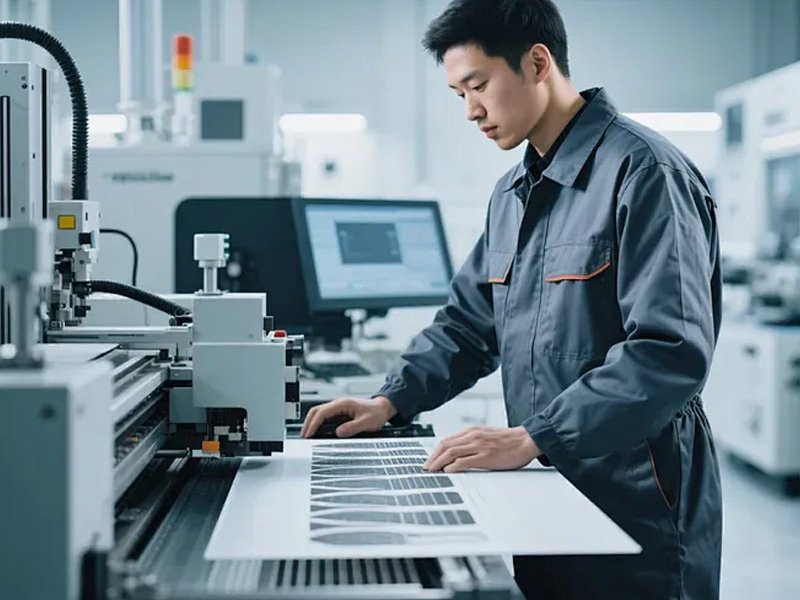
توفير خطوط إنتاج كاملة مخصصة تغطي جميع العمليات من المعالجة المسبقة للمواد الخام إلى الفرز الذكي. تعتمد المعدات الأساسية على التكوين المستورد المطور بشكل مستقل من Haifeng، مما يضمن توحيد خلط المواد ≥98% والتشغيل المستقر والموثوق.
تكييف مخصص حسب الطلب
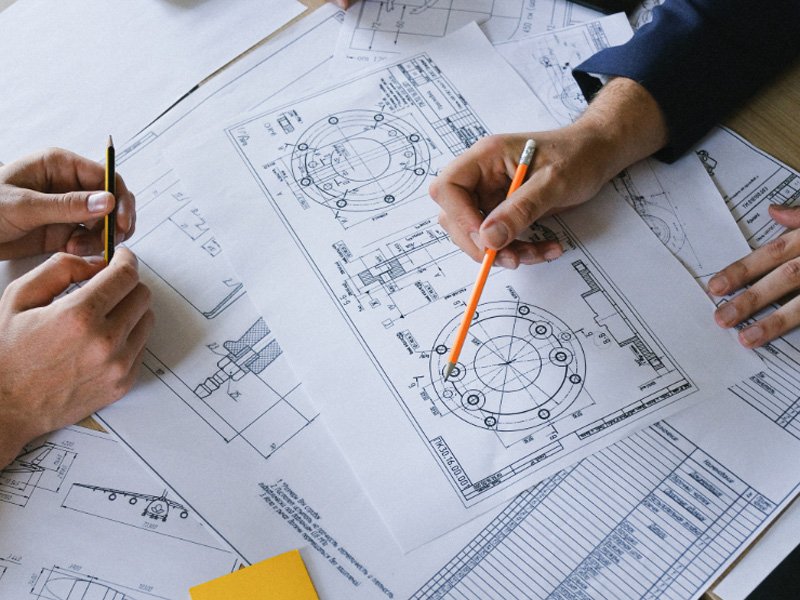
يمكنك الاعتماد على قدرات النمذجة باستخدام التصميم بمساعدة الحاسوب والطباعة ثلاثية الأبعاد لمعهد بحوث التصميم الميكانيكي لإنتاج قوالب مخصصة ومكونات غير قياسية بسرعة، مما يقلل من دورة البحث والتطوير للأنماط الجديدة إلى 7-10 أيام.
تحويل المعدات الحالية
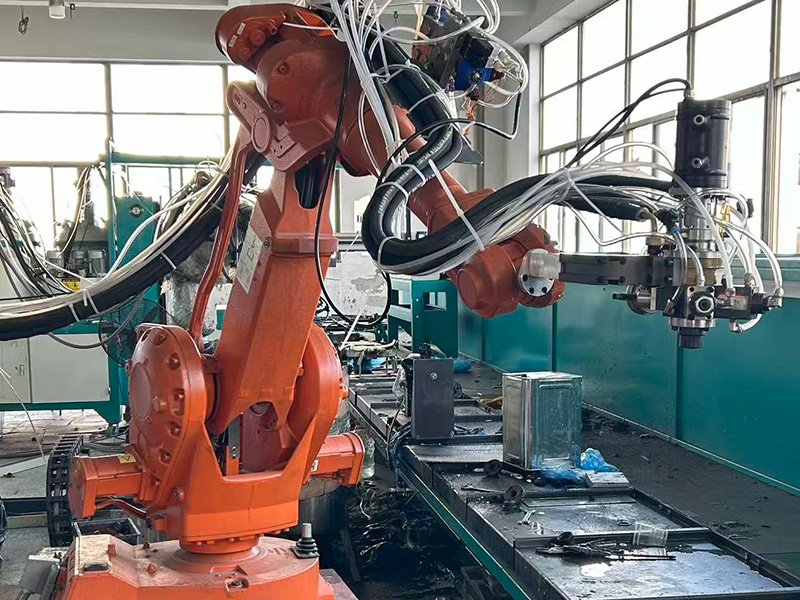
قم بتركيب وحدات التحكم الذكي في درجة الحرارة والتناسب الدقيق والنقل الآلي من Haifeng لتحقيق التحول من العمليات القائمة على المذيبات إلى العمليات الخالية من المذيبات/المياه/المياه مما يقلل من العمالة وخسائر المواد الخام.
التحقق الشامل من الجودة وضمان الامتثال والتحقق الشامل من الجودة

فحص الجودة الذكي
تجهيز معدات الاختبار المتكاملة التي طورتها Haifeng بشكل مستقل، والتي تغطي اختبارات السُمك والعيوب وقوة الترابط واختبارات الأداء الرئيسية. وبكفاءة ≥50 زوجًا في الدقيقة، يتم فرز المنتجات المعيبة تلقائيًا.

التحكم في الوقت الحقيقي
اعتماد نظام التحكم الذكي في الإنتاج من Haifeng لضبط المعلمات ديناميكيًا، والتحكم في معدل الخلل في 2-3%؛ دمج وحدات المراقبة البيئية لتحقيق انبعاثات قريبة من الصفر من المركبات العضوية المتطايرة.
دعم التصديق
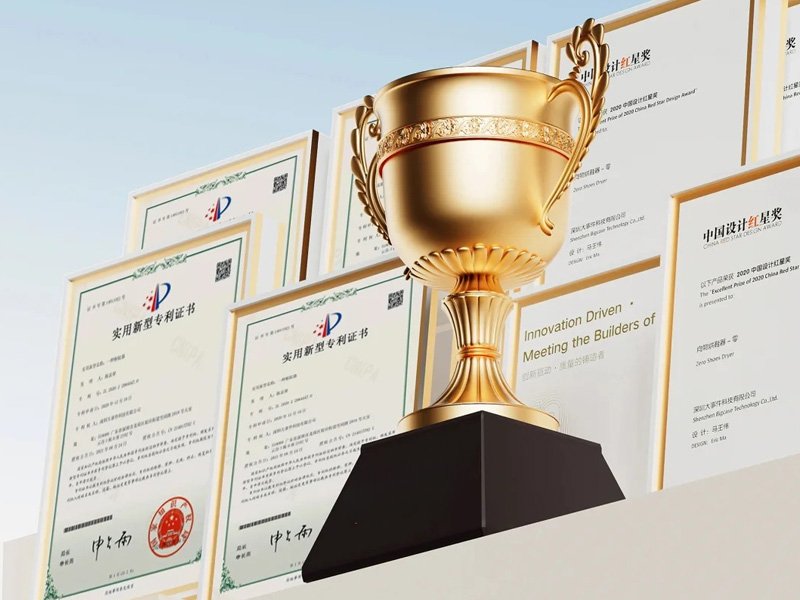
التعاون مع مؤسسات الاختبار الموثوقة للمساعدة في استكمال شهادات متعددة المعايير، وتوفير المعايير الفنية ودعم العينات للمساعدة في الحصول على شهادات CE وLA واختراق حواجز السوق الراقية.
قيمة الحل وآثاره
| البُعد | العملية التقليدية | حلول الأتمتة من هايفنغ | تأثيرات التحسين |
|---|---|---|---|
| معدل الامتثال للأداء الوقائي | أقل من 85% | أعلى من 99% | استيفاء المعايير الوطنية/الدولية والقضاء على مخاطر السلامة |
| معدل العيب | 10-15% | 2-3% | تقليل ما يزيد عن 75% وتقليل خسائر إعادة العمل إلى الحد الأدنى |
| معدل نفايات المواد الخام | ≥15% | ≤5% | خفض بمقدار 67%، مما يوفر أكثر من 300,000 يوان من تكاليف المواد الخام لكل خط سنويًا |
| متطلبات العمل | 8-10 people/line | 2-3 people/line | Reduce by 75% and lower the risk of operational errors |
| انبعاثات المركبات العضوية المتطايرة | الإفراط | Near zero | Achieve environmental compliance and obtain international certifications |
| R&D Cycle | 30-45 days | 7-15 days | Shorten by over 60% for rapid market response |
عملية التنفيذ
بحوث الطلب
يقوم الفريق التقني بإجراء تحقيقات في الموقع لصياغة حلول مخصصة.
تصميم الصيغة والمعالجة
التخصيص الكامل والتحقق من الجدوى بالاعتماد على مركز البحث والتطوير.
تخصيص المعدات/التحويل والتشغيل التجريبي للمعدات
يكمل المصنع الإنتاج، مع قيام المهندسين بإجراء التركيب والتشغيل في الموقع.
الإنتاج التجريبي على دفعات صغيرة
يتتبع الفريق التقني المعلمات ويحسنها.
التركيب في الموقع والإنتاج بكميات كبيرة
تنفيذ خط الإنتاج وبدء الإنتاج الضخم، وتوفير التوجيه الفني.
دعم فحص الجودة وإصدار الشهادات
المساعدة في استكمال طلبات الاختبار والاعتماد.
تشغيل وصيانة ما بعد البيع
توفير خدمات الصيانة والتحديث بالاعتماد على شبكة الخدمة الوطنية.