








PU Spray Foam Principle & Construction Process: Complete Application Guide
The standardization of PU spray foam principle and construction process is the core factor determining the service life of the project. Most engineering defects are not caused by material problems, but out-of-control process details during construction.

Figure 1: PU Spray Foam Standard Construction Process
1. Core Technical Principles of PU Spray Foam
The essence of PU spray foam is that component A (isocyanate) and component B (polyol blend) are instantaneously impinged and mixed under high pressure, atomized and sprayed onto the substrate surface, then rapidly expanded and cured by exothermic chemical reaction to form a dense closed-cell structure.
The quality of the entire process is determined by three core technical dimensions, and any out-of-control dimension will directly lead to engineering defects:
1.1 High-Pressure Metering and Impingement Mixing (Core of the Process)
This is the basis for determining foam performance, and industrial spray process requirements:
- Dosing Accuracy: Servo or hydraulic driven metering pumps are adopted, the volume ratio of A/B materials is strictly controlled at 1:1, and the dosing accuracy deviation is ≤±0.5%. A ratio deviation of more than 1% will cause softness, incomplete curing and insufficient strength.
- High-Pressure Impingement Mixing: A/B materials achieve 150-200bar high-pressure impingement in the mixing head, with mixing uniformity ≥99%, ensuring sufficient molecular-level reaction and avoiding local uncured dead spots with low closed-cell rate.
- Pressure Stability: The output pressure difference between A/B materials is ≤5bar. Excessive pressure difference directly leads to uneven mixing, which is the core cause of foam density drift.
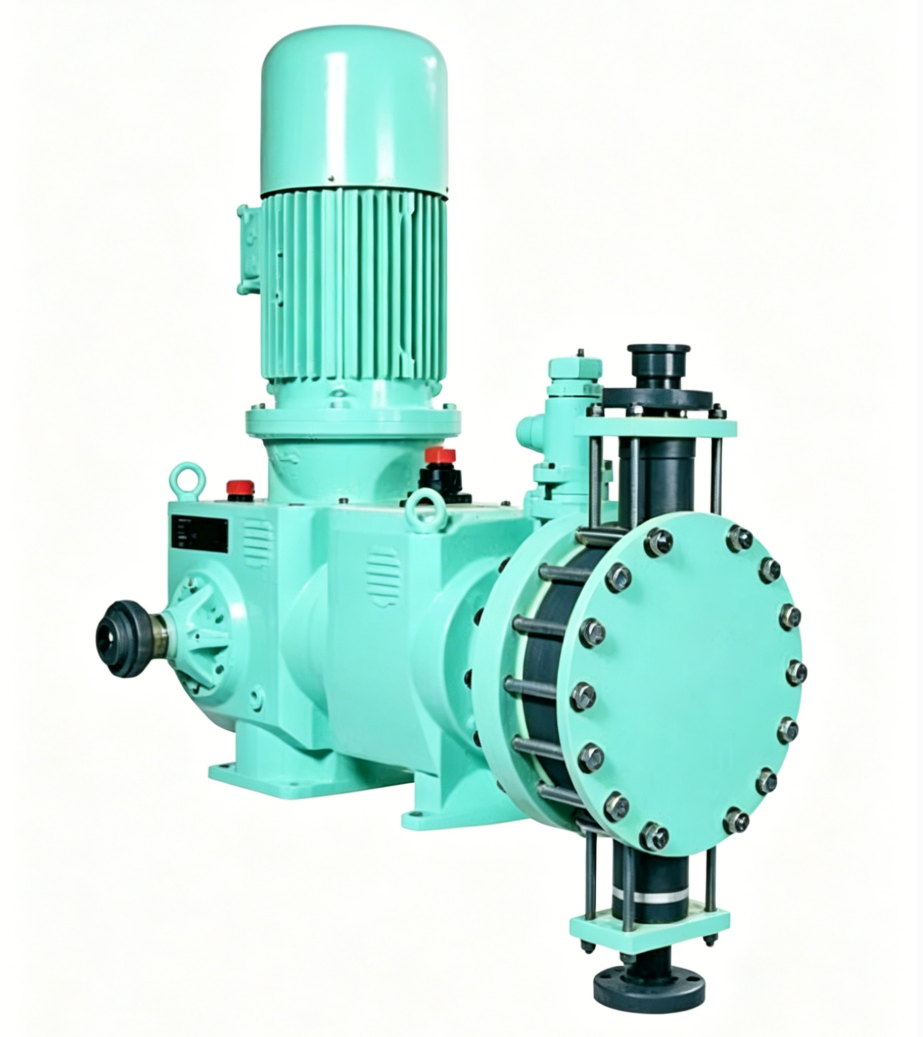
Figure 2: High-precision servo metering pump for ±0.5% dosing accuracy
1.2 Atomization Spraying and On-Site Reaction
The uniformly mixed raw materials are highly atomized after leaving the spray gun, and rapidly nucleate and expand after contacting the substrate. The core control points of this process:
- Atomization Effect: Spray pressure matches fan width to ensure uniform coverage of the substrate without sagging or missing spray.
- Reaction Time Control: Match raw material temperature with ambient temperature, control cream time at 3-5 seconds and gel time at 8-12 seconds. Too fast foaming leads to insufficient adhesion, too slow leads to sagging.
- Closed-Cell Structure Forming: Qualified spray foam has a closed-cell rate ≥90%, which can be increased to more than 95% with supercritical technology, and thermal conductivity ≤0.024 W/(m·K).
1.3 System-Level Environmental Adaptability
Spray foaming is a reaction process completely exposed to the natural environment. The equipment must have full-chain temperature control capability to offset environmental interference:
- Raw Material Temperature Control: The main heater heats A/B materials to the optimal reaction temperature of 40-60℃ to ensure the fluidity of high-viscosity materials.
- Pipeline Temperature Control: The heated hoses maintain constant temperature throughout the process to avoid viscosity changes caused by raw material cooling in the pipeline.
- Environmental Compensation: The equipment can dynamically adjust parameters according to on-site temperature and humidity, adapting to the construction environment of 5-35℃.
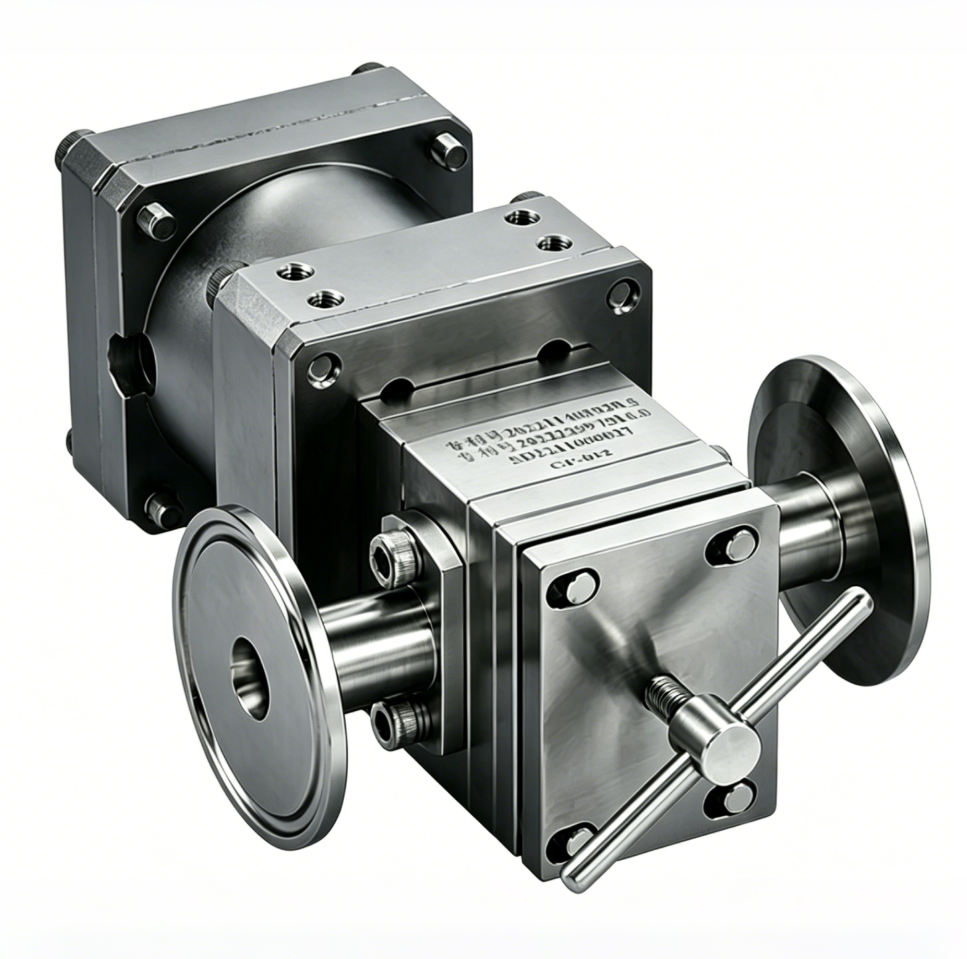
Figure 3: Stainless steel gear pump and full-chain constant temperature control system
2. Standardized Full-Process SOP for PU Spray Foam Engineering
According to GB 50404, ISO 10292 and ASTM C1029 standards, zero-defect spray projects must strictly follow the following four-step standardized process, all steps have clear quantitative control requirements:
2.1 Substrate Treatment and Construction Environment Preparation
This is the most easily overlooked step, and also the core cause of project peeling and hollowing, which must meet the following requirements:
- Substrate Requirements: The surface is absolutely dry, dust-free, oil-free, free of floating rust and loose attachments. The moisture content of concrete substrate is ≤8%, and steel substrate must be sandblasted to Sa2.5 grade.
- Environmental Requirements: Construction environment temperature 5-35℃, relative humidity ≤85%. It is strictly prohibited to construct in open air on rainy, snowy days or with wind force ≥5 levels.
- Protection Preparation: Shield doors, windows, pipelines and equipment that do not need spraying to avoid raw material pollution.
- Equipment Self-Check: Confirm that the main hydraulic/pneumatic system is normal, the high-pressure gun filter is unblocked, and the raw material batch and specification meet the design requirements.
2.2 Equipment Temperature and Pressure Debugging and Parameter Calibration
Equipment debugging must be completed before formal spraying to ensure all parameters are within the qualified range:
- Temperature Setting: Set the temperature of the main heater and heated hoses according to the ambient temperature and raw material characteristics of the day, usually set at 45-55℃ under normal environment.
- Pressure Balance Test: Start the equipment for no-load operation, the dynamic output pressure difference of A/B materials is ≤5bar, and the pressure fluctuation is ≤±2bar.
- Test Spray Verification: Perform test spray on the test board to verify the foaming time, curing state, density and appearance of the foam, and confirm that the parameters meet the requirements before formal construction.
2.3 Precise Spraying Operation Specifications
Spraying operation must strictly follow standardized methods to avoid defects caused by human error:
- Spray Gun Posture: Keep the spray gun perpendicular to the substrate surface, the distance is controlled at 60-80cm, and the gun moving speed is stable at 0.5-0.8m/s.
- Spraying Technique: Adopt the "crisscross" multi-pass coverage method to avoid missing spray and uneven thickness.
- Thickness Control: Strictly implement the principle of "thin spray, multiple passes", the thickness of single pass spray is ≤15mm. It is strictly prohibited to spray too thick in a single pass, which will lead to poor heat dissipation in the center, causing "core burn" and internal cracking.
- Continuous Operation: Large-area construction requires continuous operation, the interval between two sprays is ≤30 minutes to ensure interlayer adhesion.
2.4 Curing Maintenance and Quality Acceptance
Curing and inspection after spraying is the last line of defense for project quality:
- Curing Maintenance: 24 hours after spraying is the initial curing period, and 7 days is the full curing period. It is strictly prohibited to step on or apply heavy pressure during the curing period to avoid the rupture of internal microscopic cell walls.
- Quality Inspection:
- Thickness Inspection: Use needle probing method or ultrasonic thickness gauge, the average thickness meets the design requirements, and the minimum thickness is ≥90% of the design thickness.
- Density Inspection: Apparent density ≥35kg/m³ (insulation scenario), ≥50kg/m³ (anti-corrosion scenario).
- Adhesion Inspection: Pull-off adhesion strength ≥0.3MPa (concrete substrate), ≥5MPa (steel substrate).
- Appearance Inspection: The surface is flat, without hollowing, cracking, peeling and sagging defects.
3. Common Troubleshooting and Solutions
| Common Fault | Core Causes | Solutions |
|---|---|---|
| Foam Hollowing and Peeling | 1. Substrate with moisture, oil or dust; 2. Too fast foaming time, insufficient substrate wetting; 3. Too low substrate temperature | 1. Re-treat the substrate to ensure dry and clean; 2. Adjust raw material temperature to extend foaming time; 3. Preheat the substrate in low temperature environment |
| Foam Core Burn and Internal Cracking | 1. Too thick single pass spray; 2. Too high raw material temperature, too fast reaction speed | 1. Strictly implement thin spray multiple passes, single pass thickness ≤15mm; 2. Reduce raw material temperature to slow down reaction speed |
| Uneven Foam Density, Local Softness | 1. Equipment pressure fluctuation, unstable output; 2. Uneven gun moving speed; 3. Raw material ratio deviation | 1. Check the metering pump and pipeline for blockage or leakage; 2. Standardize the operation, keep the gun moving speed stable; 3. Calibrate the equipment ratio |
| Surface Sagging and Unevenness | 1. Too long gel time, raw material flowing before curing; 2. Too thick single pass spray | 1. Adjust raw material temperature to shorten gel time; 2. Reduce single pass thickness, adopt multi-pass coverage |
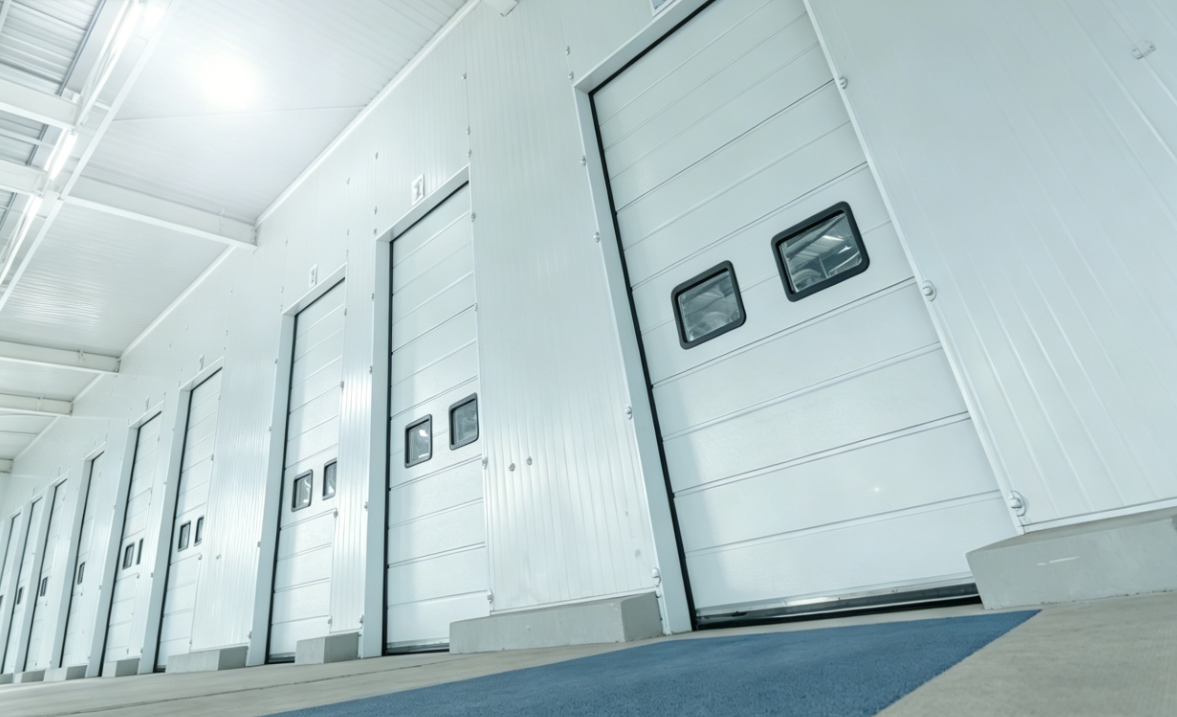
Building & Cold Storage Insulation
- Seamless foaming for superior thermal insulation.
- High adhesion to concrete and metal surfaces.
- Rapid curing to shorten construction cycles.
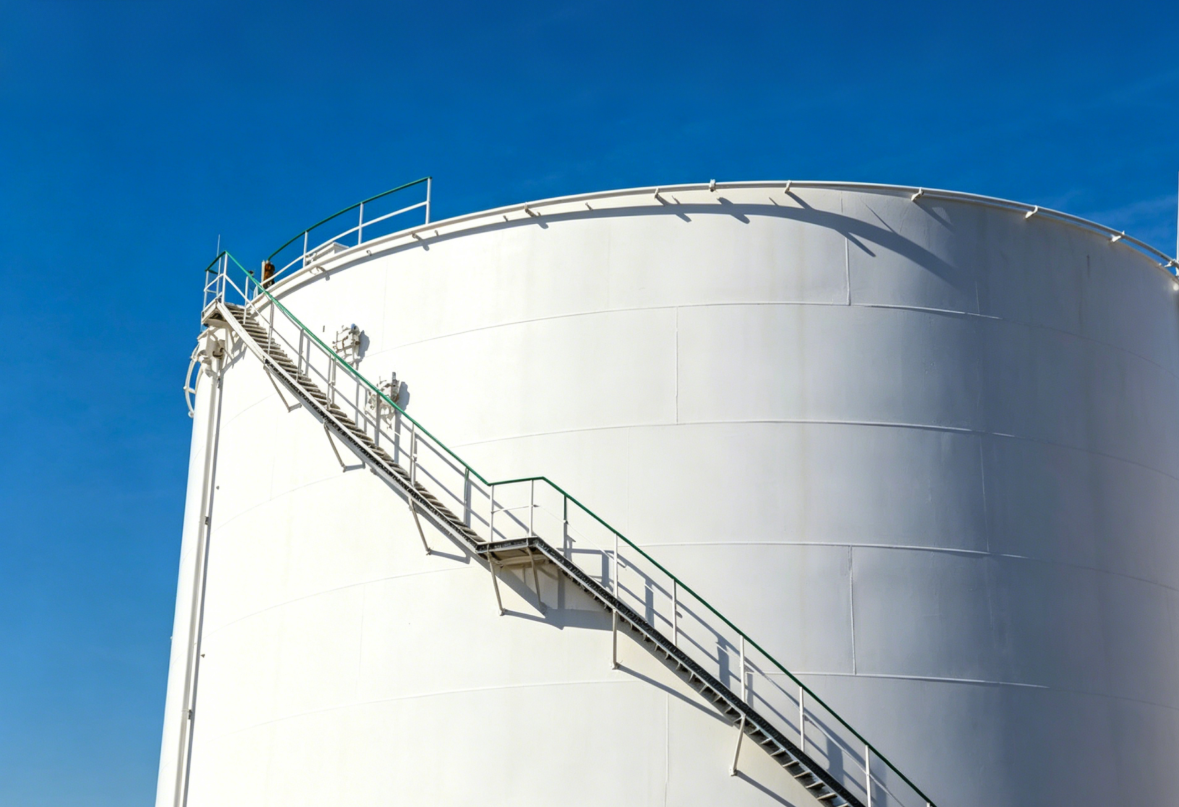
Pipeline & Tank Insulation
- Precise ratio control for consistent density.
- Ability to spray on curved and vertical surfaces.
- Corrosion resistance for outdoor pipelines.
Roofing & Special Scenarios
- Waterproofing and insulation in one step.
- Lightweight material to reduce structural load.
- Adaptability to complex roof structures.
5. Frequently Asked Questions (FAQ)
Q1: What is the optimal construction temperature for PU spray foam?
The optimal construction environment temperature is 15-30℃, and the substrate temperature should be 5℃ higher than the dew point temperature to prevent condensation affecting adhesion. When the ambient temperature is lower than 10℃, it is recommended to preheat the substrate and extend the curing time.
Q2: How long is the curing time of spray foam?
The surface curing time is usually 5-10 seconds, and it can be touched without sticking after 1-2 hours. The initial strength is formed after 24 hours, and the full physical performance is reached after 7 days. During the curing period, avoid water immersion and external force collision.
Q3: What is the service life of PU spray foam?
Under normal use and no external force damage, the service life of qualified PU spray foam can reach more than 25 years. Its closed-cell structure is stable and not easy to age, and the thermal insulation performance attenuation is extremely small.
Q4: How to choose the density of spray foam?
The density of building insulation is generally 35-40kg/m³, the density of cold storage insulation is 40-50kg/m³, and the density of industrial pipeline anti-corrosion is 50-60kg/m³. The higher the density, the better the mechanical strength, but the thermal insulation performance will be slightly reduced.
Need Professional PU Spray Foam Equipment and Technical Support?
Haifeng Polyurethane Machinery provides high-pressure spray machines, raw materials and full-process technical guidance to help your project achieve zero-defect delivery!
Contact Us for Free Quote