








PVC, PU, and TPU Artificial Leather: Technical Comparison & Industry Trends
As the core alternative to natural leather, artificial leather is widely used in footwear, apparel, bags, automotive interiors, and medical devices. The industry has long faced the challenge of balancing manufacturing costs, physical performance, and environmental compliance. Currently, Polyvinyl Chloride (PVC), Polyurethane (PU), and Thermoplastic Polyurethane (TPU) are the three mainstream base materials. This article reviews the production processes, performance characteristics, applications, and environmental attributes of these three materials to provide a reference for industrial R&D, procurement, and product positioning.
1. Core Differences in Production Processes
The performance characteristics of the three types of artificial leather stem from their distinctly different production processes:
PVC Artificial Leather
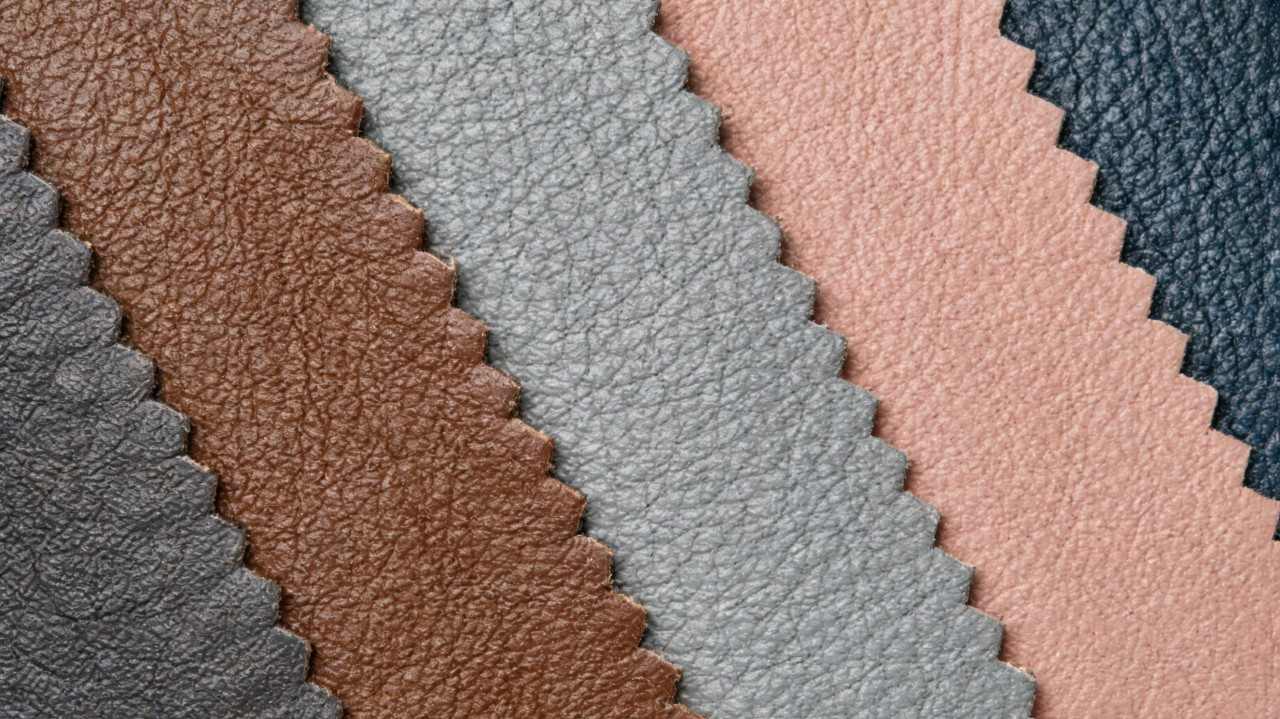
Using PVC resin as the core raw material, it is mixed with plasticizers and stabilizers to form a slurry. The slurry is calendared into a film or directly coated onto the base fabric, then baked and embossed. This process is mature and has low processing difficulty.
PU Artificial Leather
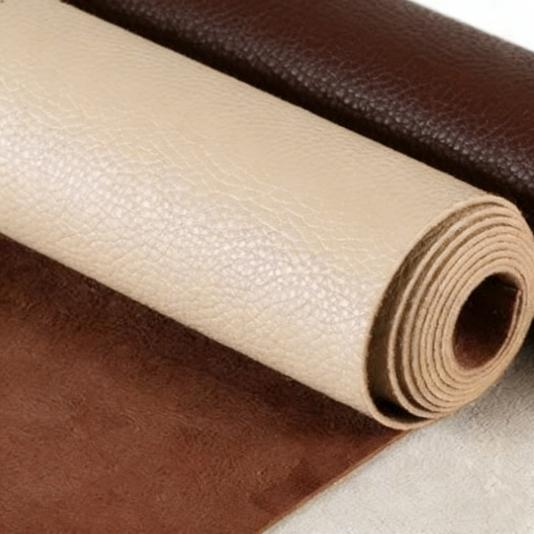
It is mainly divided into wet and dry processes. The wet process involves immersing the base fabric in a DMF water coagulation bath to form a highly breathable structure, suitable for high-end footwear. The dry process involves coating PU slurry on release paper, baking it, and then laminating it with the base fabric, resulting in rich surface textures, mostly used for bags and furniture. The industry is currently accelerating the upgrade to water-based and solvent-free PU processes.
TPU Artificial Leather
Adopts thermoplastic processing. TPU pellets are melted and compounded with the substrate through extrusion casting, film blowing, or coating processes. The entire process basically does not use traditional liquid solvents, making the production flow cleaner.

2. Performance Pros and Cons Comparison
The three materials make different trade-offs in terms of cost, touch, and durability:
- PVC Artificial Leather
- Pros: Significant cost advantage in production; mature technology easy for mass production; decent weather and acid/alkali resistance.
- Cons: Prone to plasticizer migration; ordinary products tend to harden, become brittle, and crack after 2-3 years of use. Poor breathability, stiff hand feel, and average low-temperature tolerance. Contains chlorine elements; inferior products may retain heavy metals and phthalate plasticizers.
- PU Artificial Leather
- Pros: Hand feel is close to natural leather; excellent softness, elasticity, breathability, and flex resistance; environmental performance is superior to traditional PVC.
- Cons: Production cost is 30%-50% higher than PVC. Traditional wet processes require supporting DMF solvent recovery equipment, and some products may have solvent residues. Polyester-based PU is prone to hydrolysis and may stick in high-temperature environments.
- TPU Artificial Leather
- Pros: Outstanding environmental attributes; no plasticizers or halogens; thermoplastic and recyclable. Excellent elasticity and wear resistance; remains flexible at -30℃; superior oil and hydrolysis resistance; complies with mainstream environmental certification standards.
- Cons: Relatively high raw material cost, 1.5-2 times that of PU. Narrow processing temperature window, making the production process difficult. The touch feels slightly "plastic-like," requiring extra cost to achieve a high-simulation leather effect.
3. Main Application Scenarios
Influenced by cost-performance ratios, the three materials have formed a clear market segmentation pattern:
| Material | Core Application Areas | Typical End Products |
|---|---|---|
| PVC | Low-end bags, bookbinding, car mats, economy furniture | Student backpacks, ID card holders, economy sofas |
| PU | Mid-to-high-end footwear/apparel, handbags, furniture, auto interiors | Sneaker uppers, brand bags, business-grade sofas |
| TPU | High-end outdoor gear, medical devices, electronic protection, premium auto parts | Hiking boots, wetsuits, phone cases, medical braces |
4. Environmental Attributes & Industry Trends
Environmental compliance has become the core guide for the development of the artificial leather industry, and the three materials differ significantly in their environmental upgrade pace:
- Production & Waste Treatment:
- PVC: Chlorine-containing production processes carry the risk of dioxin generation. Difficult to degrade after disposal; burning releases toxic hydrogen chloride.
- PU: Traditional processes rely on DMF solvents and require supporting recovery systems. Products are partially biodegradable.
- TPU: Mainly uses solvent-free processes with low production pollution. Thermoplasticity supports recycling, and some are biodegradable.
- Toxic Substance Control:
- PVC: Inferior products may contain lead/cadmium stabilizers and phthalate plasticizers; formula upgrades are needed to avoid risks.
- PU: Traditional process products may retain DMF and amine catalysts; the industry is accelerating the transition to solvent-free methods.
- TPU: Products basically comply with international environmental standards such as REACH and RoHS, with significant compliance advantages.
- Future Development Directions:
- PVC: Improving towards lead-free, calcium-zinc stabilizers, and bio-based plasticizers to meet basic environmental requirements.
- PU: Fully promoting water-based PU and solvent-free PU technologies to break free from traditional solvent process constraints.
- TPU: Relying on environmental and performance advantages, its market share will continue to rise against the backdrop of tightening global environmental regulations.
5. Industry Summary
In the artificial leather industry, there is no absolute "perfect" base material. The choice of PVC, PU, or TPU needs to be determined comprehensively based on product positioning, budget costs, and environmental requirements.
With the tightening of environmental policies and the iteration of production technologies, environmentally friendly materials such as water-based PU, solvent-free PU, and TPU will gradually replace traditional high-pollution PVC, becoming the mainstream development direction of the industry. The application gap between high-performance eco-friendly artificial leather and natural leather will also continue to narrow.