







스마트 팩토리에서 고점도 MDI 처리를 위해 고압 시스템 대신 LPFM을 선택하는 이유.
저압 포밍 머신이란 무엇인가요?
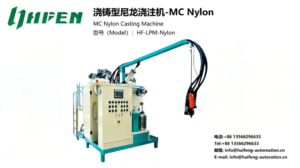
저압 발포기(LPFM)는 고점도, 온도에 민감한 폴리우레탄 엘라스토머를 처리하도록 설계된 특수 산업용 시스템으로 저압 순환(0.3-0.8 MPa)과 고속 기계 교반을 활용하여 고압 충돌로 인한 막힘 위험 없이 완벽한 혼합을 달성할 수 있습니다.
글로벌 시설 관리자와 공정 엔지니어에게 올바른 폴리우레탄 주조 장비를 선택하는 것은 향후 수년간의 운영 기준을 결정합니다. 마이크로셀 안전 신발 아웃솔, 고강도 산업용 롤러, 충격 흡수 자동차 부싱 등에 사용되는 고성능 PU 엘라스토머는 고유한 화학적 과제를 안고 있습니다. 이러한 제품은 열 프로파일이 변동하면 빠르게 결정화될 가능성이 높은 액화 MDI 프리폴리머를 사용하는 경우가 많습니다. 최신 LPFM은 연속적인 온도 제어식 저압 순환 루프를 활용하여 점도가 최대 40,000mPa-s에 이르는 원료를 안전하게 관리합니다. 이러한 구조적 설계는 표준화된 고압 기계의 문제인 국부적인 열 충격과 노즐 막힘을 제거하여 예기치 않은 가동 중단 시간을 대폭 줄이고 예측 가능한 고수율 생산 환경을 보장합니다.
핵심 엔지니어링: LPFM이 점성 엘라스토머를 처리하는 방법
저압 PU 기계의 유체 역학 및 기계적 구조를 이해하면 이 기계가 엘라스토머 주조의 결정적인 주력 제품인 이유를 정확히 알 수 있습니다.
운영 프로세스에는 세 가지 중요한 단계가 필요합니다: 1단계는 결정화를 방지하기 위해 온도 제어식 탱크에서 A와 B 성분을 지속적으로 컨디셔닝하는 것입니다. 2단계에서는 기어 또는 스크류 펌프를 통해 재료를 혼합 챔버로 정확하게 계량하는 데 중점을 둡니다. 3단계에서는 오픈 몰드에 붓기 직전에 높은 전단력의 기계적 교반이 이루어집니다.
저압 순환 대 MDI 결정화
엘라스토머 안정성의 핵심은 온도 관리입니다. 저압 프레임워크에서 A 성분(일반적으로 고점도 폴리에스테르 또는 폴리에테르 폴리올)과 B 성분(이소시아네이트, 종종 액화 MDI)은 별도의 재킷형 탱크에 보관됩니다. “온도 데드 존'을 제거하기 위해 이 탱크는 내부 코일과 저속 교반기를 사용합니다. 액체는 공급 라인과 믹싱 헤드의 재순환 채널을 통해 0.3~0.8MPa의 안정적인 압력으로 지속적으로 펌핑된 후 탱크로 되돌아갑니다.
이 지속적인 움직임은 필러 침전을 방지하고 MDI를 중요한 처리 임계값인 35~45°C에서 정확하게 유지합니다. MDI가 지정된 온도 이하로 떨어지면 미세한 결정이 형성되어 정밀 씰을 파괴하고 계량 구멍을 막는 연마성 고체로 작용합니다. 저압 루프는 화학 물질의 유동성과 반응성을 유지하는 예방적 열 차폐막입니다.
고속 기계식 교반 및 계량 정밀도
디스펜스 명령이 트리거되면 공압 밸브가 즉시 재순환 루프에서 혼합 챔버로 유체를 리디렉션합니다. 이 시스템은 저압에서 작동하기 때문에 속도에 의한 충돌이 아닌 물리적 전단력에 전적으로 의존합니다.
고도로 보정된 기계식 교반기는 3,000~8,000rpm 사이에서 회전하며 엄청난 전단 응력을 생성합니다. 이렇게 하면 점도가 높은 A면과 점도가 낮은 B면이 물리적으로 접혀 완벽하게 균일한 매트릭스가 됩니다. 완벽한 화학량론을 보장하기 위해 유체 공급은 가변 주파수 드라이브(VFD) 모터에 의해 관리됩니다. 일반적으로 마모성이 높고 필러가 많은 A 구성 요소는 견고한 스크류 펌프로 구동되고, 민감한 B 구성 요소는 정밀 기어 펌프로 정밀하게 계량됩니다. 이 듀얼 펌프 아키텍처는 일상적으로 ±1%의 계량 정확도를 달성하여 최종 PU 엘라스토머 부품이 정확한 쇼어 경도 및 압축 설정 목표에 도달하도록 보장합니다.
저압 및 고압 PU 기계 비교: 객관적인 비교
자본 지출(CAPEX)과 운영 지출(OPEX)이 맞물릴 때 엔지니어링 이론이 공장 현장의 현실에 적용될 수 있어야 합니다. 엄격한 표준화된 파라미터가 필요한 기존의 고압 대량 생산 기계에 비해 당사의 맞춤형 저압 기술은 점성 시스템의 출력 일관성을 개선하지만, 최적의 성능을 위해서는 여전히 혼합 헤드의 정기적인 용매 유지 관리가 필요합니다.
많은 시설에서 엘라스토머 생산을 위해 고압 발포기(HPFM)를 구매하면서 높은 압력이 곧 높은 품질과 같다고 가정하는 값비싼 실수를 저지르고 있습니다. 실제로 두꺼운 엘라스토머를 좁은 충돌 노즐을 통해 밀어 넣으면 심한 마찰, 국부적인 과열, 결국 막힘이 발생합니다. 아래는 객관적인 엔지니어링 비교입니다:
비교 차원 | 저압 포밍 머신(LPFM) | 고압 포밍 머신(HPFM) |
시스템 작동 압력 | 0.3 - 0.8 MPa | 5 - 10 MPa, 10-15 MPa 유압이 필요합니다. |
점도 허용 오차 | 탁월함. 최대 40,000mPa-s의 고충진 재료를 쉽게 처리할 수 있습니다. | 제한적입니다. 점성이 있는 MDI로 인해 막힘이 심할 수 있습니다. |
자본 투자 | 더 낮게. 간소화된 펌프 아키텍처와 저비용 레진 몰드를 활용할 수 있습니다. | 더 높습니다. 고가의 고압 펌프와 거대한 강철 주형이 필요합니다. |
에너지 소비량 | 소비 30-50% 에너지 절감 전반적으로. | 유압 시스템에 과중한 전기 부하를 요구합니다. |
비율 유연성 | 넓게. 기본적으로 1:5 ~ 5:1의 동적 비율을 지원합니다. | 제한적. 비율 조정을 위해 하드웨어 변경이 필요한 경우가 많습니다. |
주류 산업용 엘라스토머의 경우 LPFM 에코시스템이 가장 실용적인 선택입니다. 초기 투자 비용이 획기적으로 낮고 에너지 소비가 감소하여 ROI 주기가 크게 단축되므로 제조업체는 용량을 빠르게 확장할 수 있습니다.
고수율 엘라스토머 생산을 위한 턴키 솔루션
B2B 제조의 성공은 단일 장비의 통합으로 이루어지는 것이 아니라 응집력 있는 엔드투엔드 에코시스템이 필요합니다. 엔지니어링 팀은 완전한 턴키 PU 플랜트를 설계함으로써 일치하지 않는 장비가 통신에 실패할 때 발생하는 통합 마찰을 없앨 수 있습니다.
마이크로셀 안전 신발의 대량 생산
경쟁이 치열한 안전화 분야에서는 사이클 시간이 마진을 결정합니다. 완전 자동화된 60 스테이션 로터리 성형 라인을 통합하면 원료 화학 물질을 매우 효율적으로 완제품으로 변환할 수 있습니다.
운영 현장 데이터에 따르면 자동화된 저압 회전 성형 라인을 통합하면 생산 효율이 30% 향상되고 유해 원료 폐기물이 85% 감소합니다.
일반적인 턴키 신발 구성에서는 A 구성 요소(폴리에스테르 폴리올)를 65°C에서 12시간 동안 녹이고, B 구성 요소도 비슷하게 컨디셔닝합니다. 로봇 팔은 첨단 [내부 링크: 이중 색상 및 이중 밀도 폴리우레탄 주입기]를 사용하여 먼저 고밀도의 내마모성 아웃솔을 빠르게 분사합니다. 그 다음에는 “소프트 코어” 미드솔을 위한 정밀한 저밀도 타설이 이어지며, 금형 온도는 정확히 45°C로 유지됩니다. 전체 겔화 및 탈형 사이클은 3~5분 안에 완료됩니다. 최적화된 단일 라인에서 이론적으로 연간 1,050만 켤레를 생산할 수 있어 소재 과학을 대규모로 구현할 수 있습니다.
고강도 산업용 롤러 및 스크린
For the mining and material handling industries, PU elastomers replace steel screens and rubber rollers due to their superior wear life—often lasting 3 to 5 times longer than metal counterparts. These durable goods demand highly customized LPFM configurations capable of dispensing massive volumes of high-filler formulations.
Using specialized rotational pouring technology (often referred to as ribbon flow), modern equipment can cast massive industrial rollers without the need for traditional, restrictive closed molds. The ability of the LPFM to continuously transport viscous Component A via screw pumps, while maintaining a strict ±1% metering precision, ensures the final roller achieves a uniform Shore hardness from end to end, devoid of structural weaknesses.
For a deep dive into global plant layouts and exact throughput metrics, explore our comprehensive [Internal Link: Cases] portfolio, or discover how we can design your facility through our [Internal Link: Turnkey Projects] engineering team.
Future-Proofing: Sustainability and The E-E-A-T Legacy
The trajectory of elastomer manufacturing is colliding rapidly with stringent environmental, social, and governance (ESG) mandates. Forward-thinking facility managers are no longer just buying hardware; they are procuring regulatory compliance.
The transition to sustainable chemistry is fully supported by modern low-pressure systems. As global regulations strictly enforce lower VOC limits and phase out ozone-depleting blowing agents (like HCFC-141b in favor of water-blown or HFO systems), LPFMs are engineered to seamlessly handle these alternative, often highly viscous formulations. Furthermore, the rise of advanced chemical recycling—specifically split-phase glycolysis—allows factories to recover high-quality polyols directly from PU scrap. An intelligent LPFM can precisely meter these recovered “light phase” polyols back into the virgin material stream (up to 30-50% replacement ratios) without compromising the mechanical integrity of the final product.
The Legacy of Zhejiang Haifeng
Equipment excellence is not born overnight; it is forged through decades of iterative engineering. The technological foundation driving these advanced low-pressure systems traces back to 1986, established by the founder of Haifeng, Yuanhai Dai. Since transitioning into formal corporate entities—first in August 1995 and later establishing Zhejiang Haifeng in May 2001—the enterprise has remained exclusively focused on polyurethane machinery.
Today, under the strategic direction of Vice President Jiacheng Dai, Zhejiang Haifeng operates with a dedicated workforce of over 50 professionals and an integrated subsidiary, entirely dedicated to engineering robust, bespoke PU solutions. This unbroken legacy of nearly 40 years ensures that every Low-Pressure Foaming Machine shipped is backed by an unrivaled depth of field experience, delivering absolute peace of mind to factory managers worldwide.
자주 묻는 질문
How does a low-pressure PU machine handle high-viscosity elastomer systems?
Low-pressure foaming machines (LPFMs) are inherently designed for high-viscosity fluids (up to 40,000 mPa·s). Instead of relying on fine impingement nozzles that easily clog, LPFMs utilize a gentle, continuous material circulation loop (0.3-0.8 MPa). High-viscosity “A” side materials are reliably transported using robust screw pumps, while the mixing is executed via a high-torque mechanical stirrer inside a larger chamber, preventing back-pressure failures.
Why is LPFM preferred over high-pressure machines for liquefied MDI systems?
Liquefied MDI (the B component) is highly temperature-sensitive and will rapidly crystallize if temperatures drop. High-pressure machines, which subject the fluid to intense compression and narrow pathways, are highly susceptible to clogging from these abrasive crystals. LPFMs utilize jacketed tanks and continuous low-pressure circulation to meticulously maintain the MDI within the safe 35–45°C thermal window, ensuring continuous, blockage-free operation.
What is the typical mixing speed of a low-pressure PU foaming machine?
To achieve a perfectly homogenous elastomer matrix without the aid of high-velocity impingement, the mechanical stirring head in a standard LPFM typically operates at speeds between 3,000 and 8,000 rpm. In practical footwear and industrial roller applications, engineers frequently set the variable-frequency drive to maintain a constant 4,000 to 6,000 rpm, generating the immense physical shear forces required to blend the components before the cream time begins.
What is the precision rate of metering pumps in modern low-pressure PU machines?
Flawless stoichiometry is critical for achieving exact Shore hardness and tensile strength in PU elastomers. Modern low-pressure machines utilize highly calibrated gear pumps (for isocyanates) and single-screw pumps (for viscous polyols) driven by VFD motors. This sophisticated closed-loop metering architecture maintains an exceptional delivery accuracy of ±1%, with advanced turnkey configurations achieving precision variance of less than ±0.3%.
How does precise temperature control prevent PU line blockages?
Temperature fluctuations cause polyols to thicken unpredictably and MDI to crystallize into solid abrasives. LPFMs eliminate “temperature dead zones” by utilizing double-jacketed storage tanks with internal heating/cooling coils, paired with low-speed agitators. Because the fluid is continuously circulated from the tanks, through the lines, to the mixing head, and back again, the entire fluid path acts as a unified thermal mass, preventing the localized cold spots that cause catastrophic line blockages.
Can low-pressure PU machines manufacture dual-density safety footwear?
Yes. Low-pressure systems are the industry standard for dual-density footwear production. Through sophisticated PLC controls and multi-component mixing heads, an LPFM can rapidly alternate dispensing parameters. It first sprays a high-density, abrasion-resistant polyurethane outer shell, and immediately follows it by pouring a lower-density, microcellular PU “soft core” into the mold. This automated two-stage process yields a sole combining extreme durability with maximum ergonomic cushioning.
What is the best PU casting equipment for high-abrasion industrial mining screens?
For heavy-duty mining screens—which require massive volumes of highly viscous, heavily filled polyurethane—low-pressure elastomer casting machines are the definitive choice. They are specifically designed to accommodate wide mix ratios and aggressive fillers without destroying the internal pumps. Advanced LPFMs utilize rotational pouring (ribbon flow) technology, allowing these massive, durable screens (which outlast steel 3 to 5 times) to be cast efficiently without the need for restrictive, highly expensive closed molds.
How do LPFMs prevent air bubbles in complex 3D sealing strips?
Producing dense, bubble-free industrial seals requires inhibiting the water-isocyanate reaction that generates CO₂ gas. LPFMs address this by utilizing precision micro-flow metering (from 0.5 to 15 kg/min) and continuous vacuum degassing within the circulation tanks. Furthermore, the low-pressure mechanical pour (0.3 – 0.8 MPa) gently introduces the liquid PU directly into the intricate lip of the mold (e.g., a Y-ring), avoiding the “impact bubbles” and flash generation commonly caused by violent, high-pressure injection.
Are low-pressure foaming machines compatible with eco-friendly or bio-based PU systems?
Absolutely. As environmental regulations tighten globally, LPFMs provide the processing flexibility required to handle next-generation chemistry. The low-pressure mechanical mixing head easily adapts to the unique viscosities and surface tensions of plant-oil-based polyols and low-VOC waterborne systems. The variable speed stirrers (3,000–8,000 rpm) ensure that these sustainable materials—which often have narrower processing windows—are thoroughly homogenized without requiring costly hardware modifications to the machine.
How do you clean the mixing head of a low-pressure PU foaming machine?
Because LPFMs use a physical mixing chamber and a mechanical stirrer, the residual reactive PU must be removed immediately after a pouring sequence. The automated PLC cleaning cycle initiates by injecting a specific solvent (commonly dichloromethane) into the mixing chamber. This is immediately followed by a blast of highly pressurized, atomized air, which violently scrubs the stirrer blades and flushes the dissolved residue out of the nozzle, resetting the chamber for the next flawless pour.