








Automatic Disc Solution for Footwear Manufacturing

업계 고충 사항
01
In equipment accuracy and stability
Insufficient positioning accuracy:
Over time, components such as the positioning pins and drive gears in traditional disc machines are subjected to prolonged stress and wear, which can cause misalignment in the disc stations.This can result in misalignment during mold closure, causing issues such as uneven wall thickness in certain areas or pattern misalignment. High-precision equipment requires a repeatability of ≤0.02 mm, a standard that many older models struggle to meet.
Loss of control over closing pressure:
Closing pressure is critical for controlling flash on the product and ensuring mold safety. Insufficient pressure can result in thick flash and increased scrap rates; excessive pressure can cause hydraulic hoses to burst and damage the hydraulic motor. This requires a precise hydraulic control system to maintain stability.
02
The "Black Box" of Process Parameters and Quality Fluctuations
Challenges in temperature control:
Materials such as TPR and EVA have strict temperature requirements. If the temperature is too high, the product may develop bubbles or yellow; if it is too low, the product may not fill the mold completely or take on a bluish tint. At the same time, the uniformity of barrel and mold temperatures directly affects the material’s flow properties and curing rate.
Difficulty in matching pressure and speed:
Parameters such as injection pressure, back pressure, and injection speed are interrelated. High injection pressure tends to cause flash; low pressure, on the other hand, leads to short shots-2. Back pressure control affects material flow stability and foam density, which is particularly critical for lightweight foam soles-2
03
The Real-World Challenges of Manual Operations and Production Safety
Complex processes and physically demanding work:
Operators must perform a series of tasks outside the turntable, including opening the mold, removing shoes, cleaning the mold, applying release agent, and placing accessories. This work is physically demanding and prone to errors-8. Against the backdrop of a labor shortage, difficulties in recruiting workers and high training costs have become major challenges for companies.
Security risks:
Compared to EVA (lightweight and inexpensive), rubber (wear-resistant), and TPU (tough and resilient), single-density PU offers no distinct advantages and lacks value for money.Since the disc machine operates frequently, if safety measures are inadequate, operators are at high risk of being crushed by the clamping mechanism when loading or unloading parts-2. Although the clamping pressure system is designed with two safety mechanisms—"pressure accumulation" and "clamping pressure"—it relies on correct parameter settings and employee safety awareness.
솔루션의 핵심

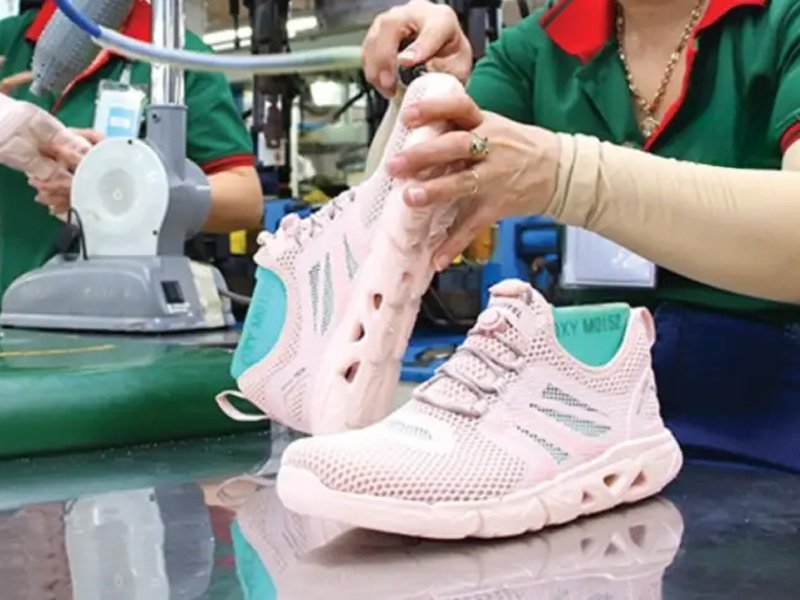
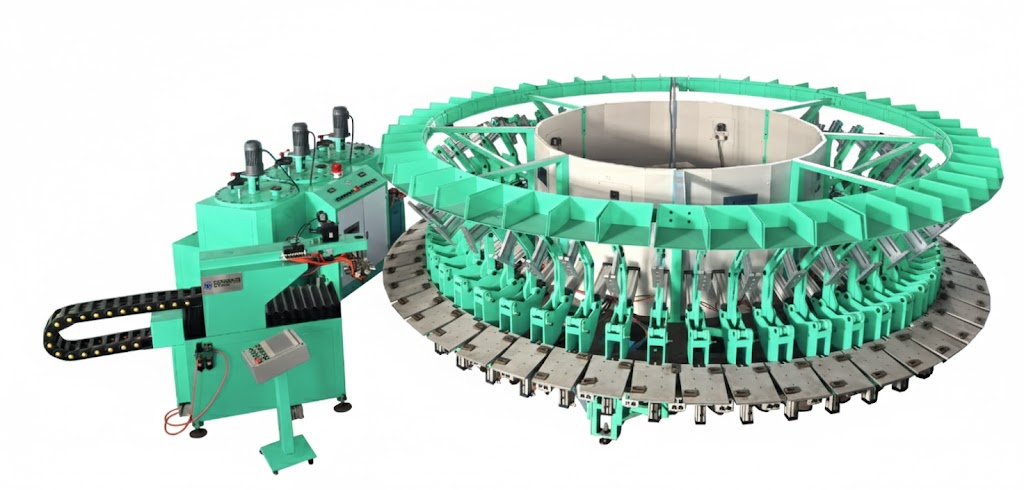
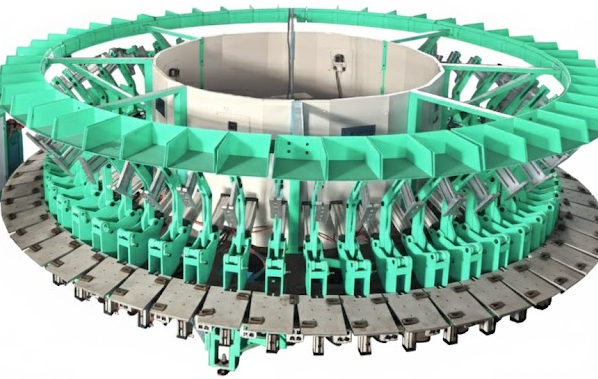
The automated disc solution for footwear manufacturing is a comprehensive polyurethane shoe production system specifically designed for manufacturing polyurethane soles, insoles, and complete footwear. Built on advanced 40-station disc automation technology, this system achieves full-process automation from raw material handling to casting molding. It ensures smooth and stable production workflows while maintaining consistent product quality, making it particularly suitable for large-scale, standardized manufacturing of footwear products.
핵심 솔루션 모듈
R&D of Scenario-Specific Specialized Materials
Raw Materials and Formulation:
The formulation combines Polyurethane Material A (polyester polyol) with Material B (isocyanate), supplemented with catalysts, pigments, and other auxiliary materials to ensure material compatibility and achieve optimal product aesthetics.
Core Features: Full-automatic raw material mixing, precise pouring, automatic mold opening/closing, automatic spraying of release agent, multi-color automatic switching, and automatic heating of shoe molds
Operating Mode:
Fully automated PLC control with touchscreen interface, supporting Chinese-English language switching and one-click startup
Solution Advantages:
1. Highly efficient automation with a continuous production disk design featuring 40 workstations, enabling cyclic production of footwear products. The rotation cycle can be adjusted to 3-8 minutes per cycle, achieving maximum workstation utilization rate.
2. Precise control with stable quality and high-precision measurement system (≤5‰), accurate proportional control to ensure uniform sole density and absence of bubble defects
3. Multi-color automatic switching for diverse designs: The automatic color addition system supports multi-color automatic switching, addressing cleaning challenges in multi-color footwear production.
4. User-friendly operation and intuitive touchscreen interface for maintenance, modular design facilitates routine maintenance and fault diagnosis, reducing reliance on highly skilled personnel.
5. Energy-efficient and environmentally friendly, featuring a safe, reliable, and high-performance thermal circulation system that prevents material degradation, reduces energy consumption, and complies with environmental and safety standards for footwear production workshops.
6. Broad adaptability and flexible adjustment support multiple polyurethane raw materials, meeting production requirements for footwear products with varying hardness and density.
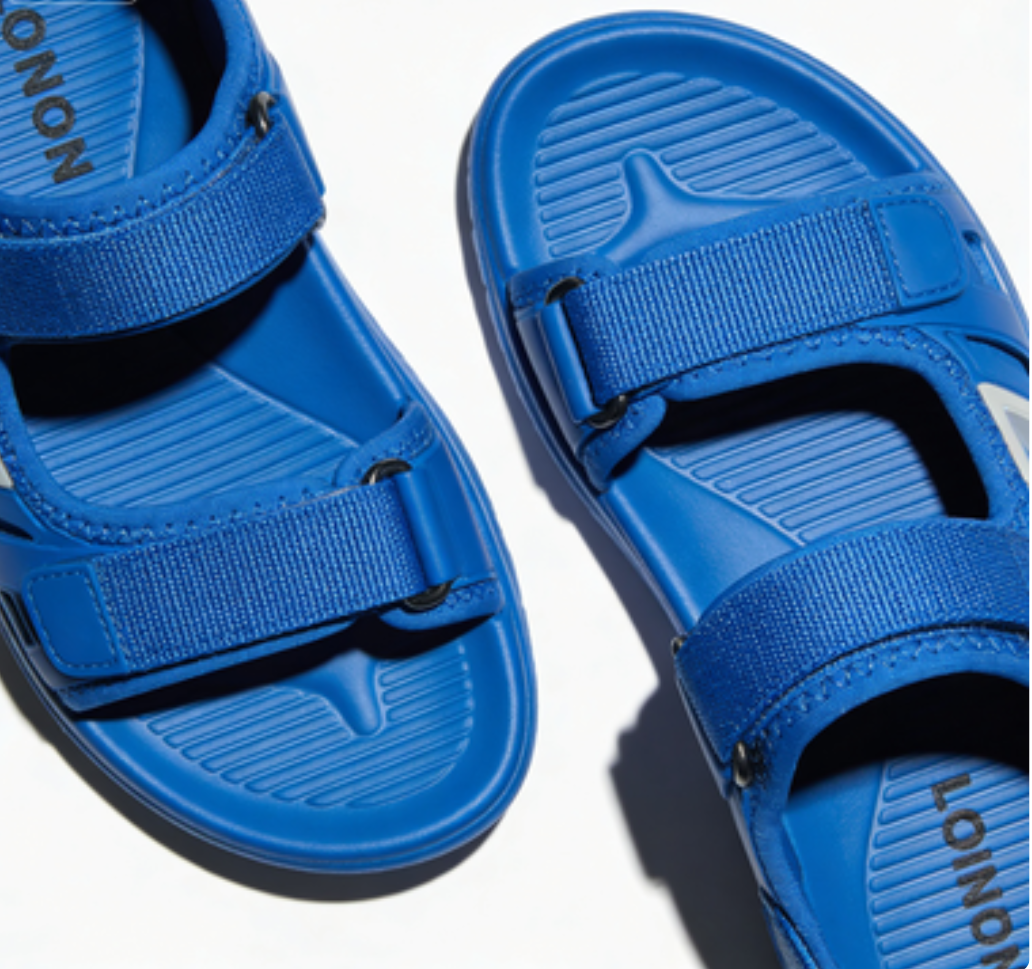
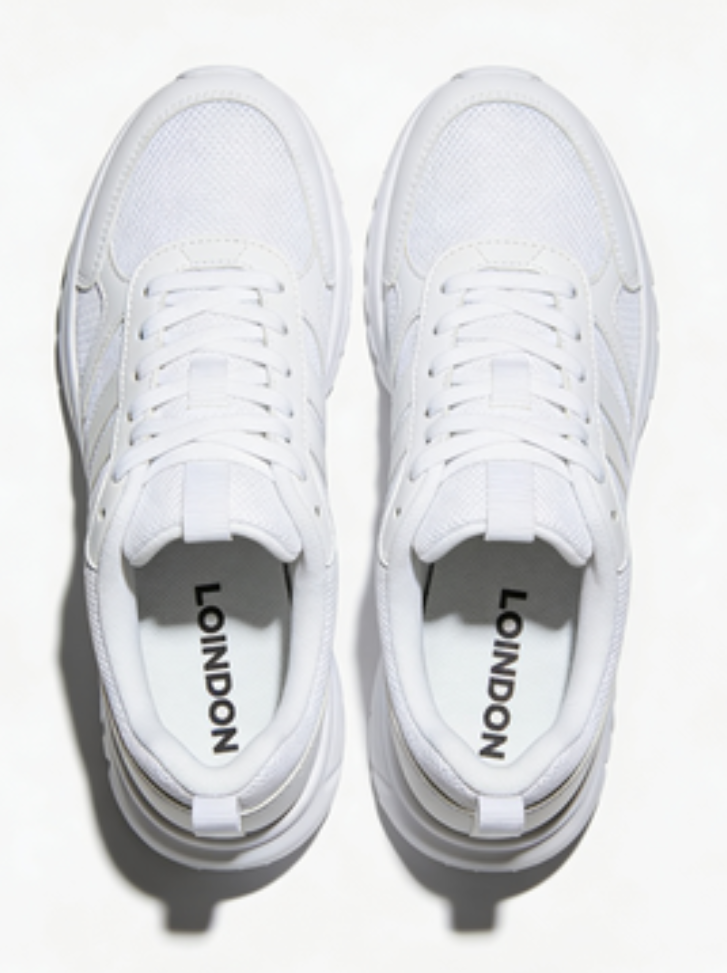
Applicable products:Sports shoes, Casual shoes, Safety shoes, Sandals, Footwear


Production process steps
| step | Process Name | description of the process |
|---|---|---|
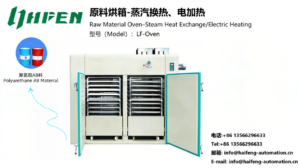
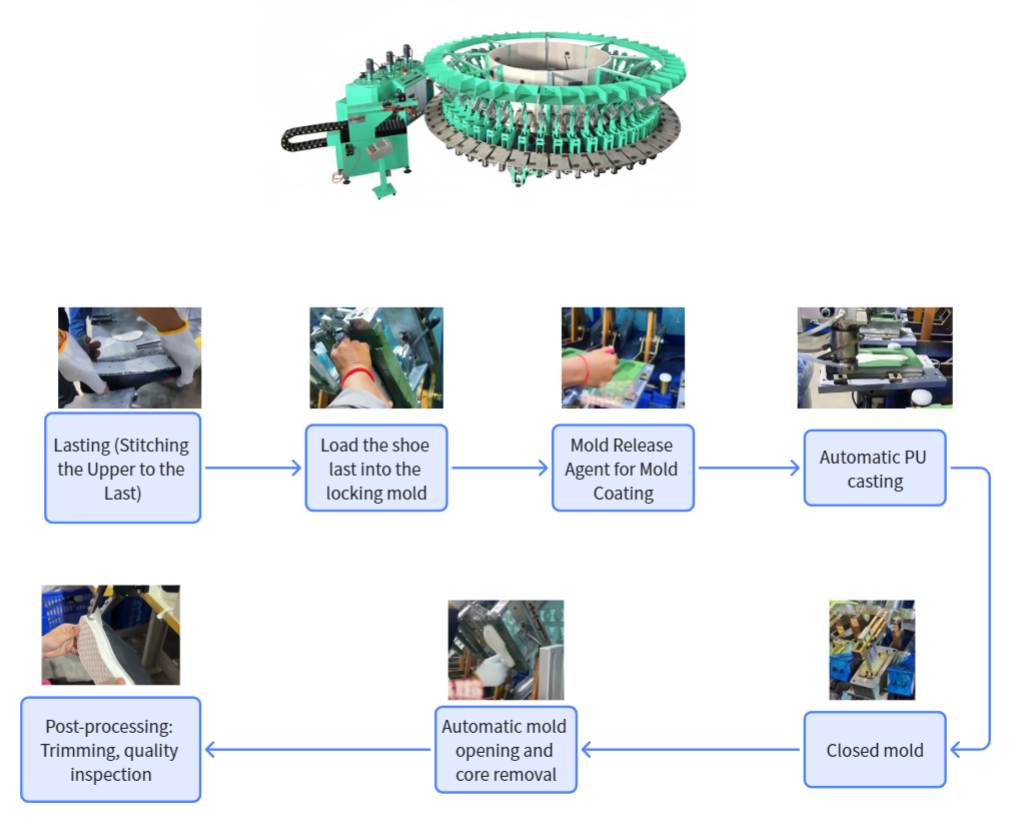
| Pre-production preparations: | Raw material pretreatment and shoe mold heating | The polyurethane A and B raw materials are preheated in the raw material oven to ensure their fluidity and facilitate subsequent processes. The shoe mold utilizes electric heating through the aluminum plate at its base for temperature distribution, with six temperature measurement and control stations installed to guarantee uniform mold temperature. |
| 1 | Shoe vamp and upper lining (pull-on lining) | Accurately fit the upper material onto the shoe last and secure it by stretching to ensure complete adhesion between the upper and last, preparing for subsequent casting procedures. |
| 2 | Load the shoe last locking mold | Precisely install the shoe last with the upper already fitted into the mold and perform pneumatic locking to ensure its fixed position during casting, thereby guaranteeing the precision of sole formation. |
| 3 | Mold Spraying Release Agent | The demolding agent is uniformly sprayed onto the mold surface via an automated spraying system to ensure smooth demolding of the formed shoe sole and maintain a smooth surface finish. |
| 4 | Automatic precise pouring | The three-tank fully automatic PU casting machine achieves precise material mixing and casting, with adjustable flow rates ranging from 50 to 150 g/s, catering to diverse shoe casting requirements. |
| 5 | Closed mold | After casting is completed, the upper and lower molds automatically close to ensure uniform distribution of polyurethane raw materials within the enclosed space and achieve foaming molding. |
| 6 | Automatic mold opening and part retrieval | After the polyurethane foam curing process is completed, automated mold opening is achieved through PLC-controlled cylinder drive to extract the finished shoe sole. |
| 7 | reprocessing | Perform trimming, polishing, inspection, and packaging to complete the warehousing of finished products |
Equipment List and Unit Price
| # | Equipment Name | 모델 | Qty | Technical Features | Photo Reference |
|---|---|---|---|---|---|
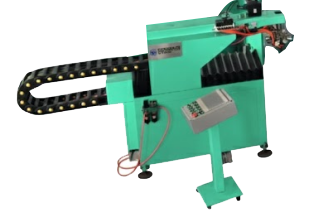
| 1 | 3-Tank Automatic PU Pouring Machine (Shoe-specific) | AIAMP U25XJ-2A1B | 1 | Optimized for shoe production, adapted to sole pouring characteristics; 2A1B configuration (three PU raw material tanks), automatic switching for multi-formula production; Pouring head speed ≤9400 r/min, water circulation cooling via chiller, ensures uniform mixing; Rotary valve pouring head guarantees simultaneous discharge of A and B materials, ensuring sole quality; Touchscreen interface, one-key start for automatic pouring | ![]() |
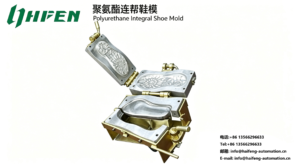
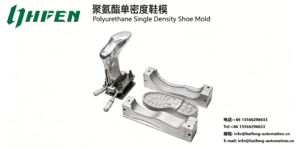
| 2 | 40-Station Automatic Shoe Disc Machine (Rotary Table) | AIAMP U40RH-SHOE | 1 | Disc diameter Φ4600mm, optimized for shoe mold layout; PLC-controlled servo motor drive, adjustable 3–8 minutes per rotation; 40 dedicated shoe mold pneumatic frames, automatic mold opening & closing; Aluminum bottom plate electric heating for shoe molds, 6 temperature control stations ensuring uniform heating; Adjustable mold angle to suit different shoe shape designs | ![]() |
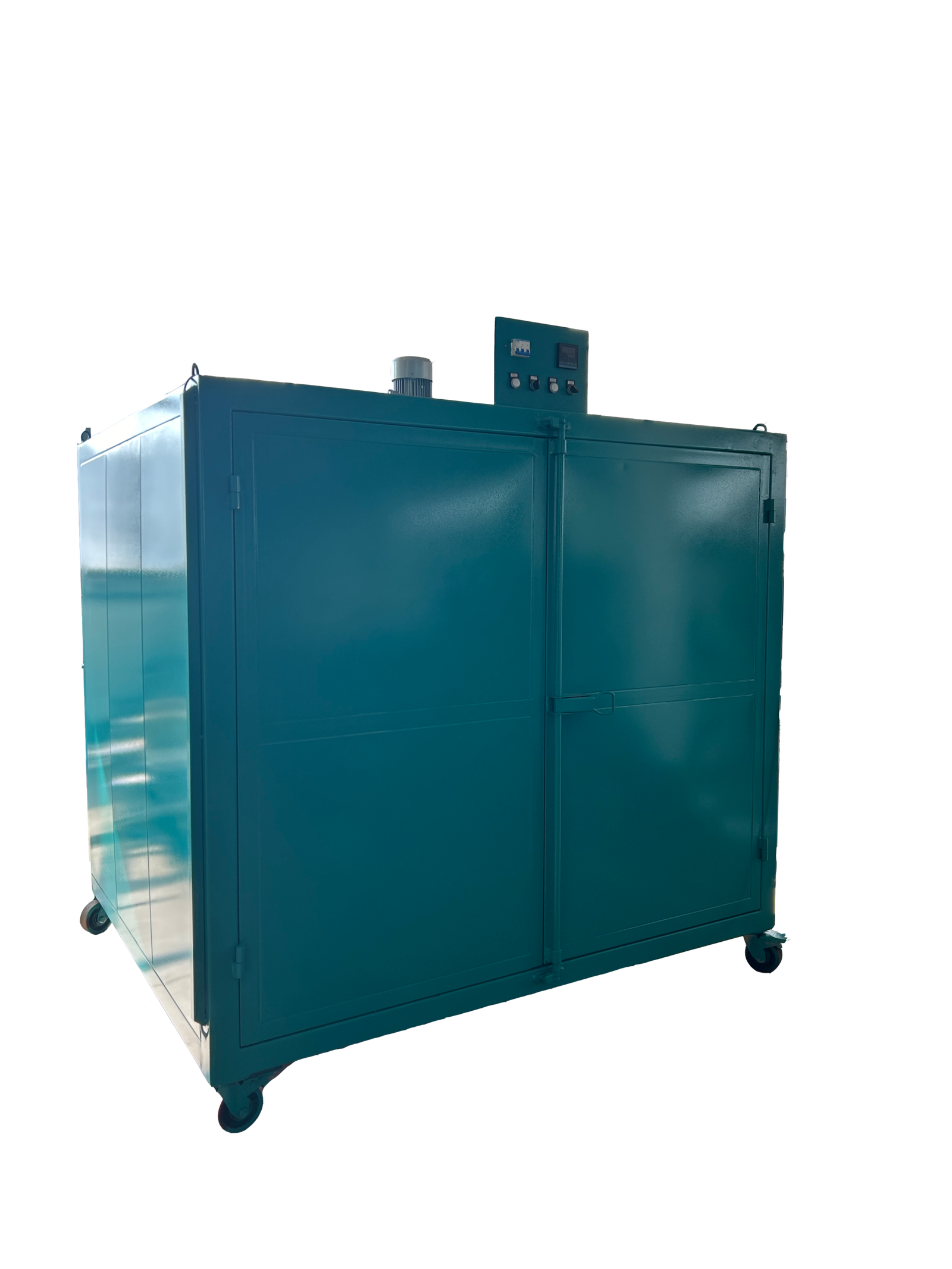
| 3 | Raw Material Oven (Shoe-specific) | DG-RH 1T-SHOE | 3 | Preheating capacity: 48 drums/batch (20 kg/bag); Voltage/Power: 3PH/380V/50Hz, 9KW; Automatic temperature control, anti-crystallization design ensuring materials suitable for shoe production; Optimized for shoe material characteristics | ![]() |
| 4 | 냉각기 | Standard Model | 1 | Provides water circulation cooling for the pouring head, extending mixing head working cycle; Ensures stable shoe sole quality; Optimized cooling for shoe material characteristics | ![]() |
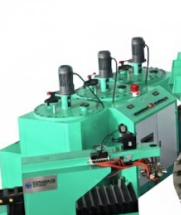
| 5 | Color Dosing Machine (Shoe Multi-color System) | CM-10L-SHOE | 1 | Color tank capacity: 10L, meets multi-color shoe production demands; PLC-controlled high-precision metering pump and color mixing valve; Automatic switching between various colors, supports gradient color design; Optimized for shoe multi-color design requirements | ![]() |
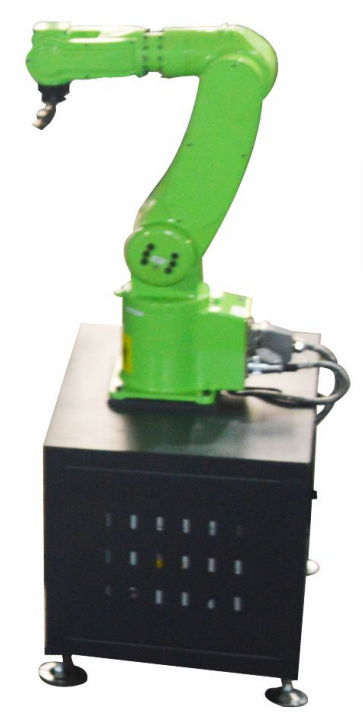
| 6 | Robotic Arm Automatic Spraying System | SHOE 6-Axis | 1 | Automatically sprays release agent, uniform coverage on shoe mold surface; Improves production automation level; 6-axis flexibility for complex mold geometries | ![]() |
Key Technical Parameters
Cast system (specific for footwear)
| 매개변수 항목 | Technical Specification |
|---|---|
| Pouring Volume Range | 50-150g/s (meets pouring requirements of different shoe types) |
| 계량 정확도 | ≤5% (high-precision gear pump ensures consistent sole weight) |
| 믹싱 헤드 속도 | ≤9400 rpm (ensures uniform mixing of raw materials) |
| Raw Material Ratio Range | A:B = 100:50-150 (adapts to different sole hardness production) |
| Applicable Raw Material Viscosity | POLY 500~5000 MPa·s, ISO 500~3000 MPa·s (covers commonly used shoe materials) |
| 측정 방법 | Weight metering, 1-999g (precise control of material usage for each sole) |
| Pouring Trajectory | X-Y axis 2D worktable, programmable pouring trajectory, adapts to complex shoe shapes |
Disc System (for footwear only)
| 매개변수 항목 | Technical Specification |
|---|---|
| Turntable Diameter | Φ4600mm (optimized shoe mold layout) |
| Number of Stations | 40 stations (specifically designed for shoe production) |
| Rotation Speed | Adjustable 3-8 minutes per revolution (adapts to different shoe type production cycles) |
| Mold Heating Power | 40 × 0.3KW (ensures uniform shoe mold temperature) |
| Drive Method | Servo motor drive, PLC programmable control |
| Mold Opening/Closing Method | Pneumatic control, automatic mold opening and closing |
| Mold Angle Adjustment | Supports 0-30° adjustment, adapts to different shoe type designs |
Color Addition System (for footwear only)
| 매개변수 항목 | Description |
|---|---|
| Color Tank Capacity | 10L (meets multi-color shoe production demands) |
| Number of Colors | Supports automatic switching between 4 colors |
| Color Change Accuracy | ≤0.5% (ensures color consistency) |
| Control Method | PLC programming control, touchscreen interface |
Work conditions requirements
| 항목 | Requirement |
|---|---|
| Workshop Requirements | Flat ground (approx. 15m × 10m area), power supply, compressed air, cooling water, good ventilation, dust-free environment |
| Ambient Temperature & Humidity | 20-30°C (optimal), relative humidity ≤70%, no condensation environment |
| 전원 공급 장치 | 3 × 380V ±5%, 50Hz, reliable grounding, total installed power ≥60kW |
| Total Power | Approx. 46KW (Pouring machine 20KW + Rotary table 17KW + Raw material oven 9KW) |
| Compressed Air | 0.6-0.8MPa, dry and oil-free, air flow ≥3m³/min |
| Cooling Water | Clean, low mineral content, maximum inlet water temperature 20°C, flow rate ≥5m³/h |
| Operating Personnel | 3-4 trained operators (including system monitoring, mold change, quality inspection, etc.) |
| Raw Material Storage | Store in dry, cool place away from direct sunlight, temperature 15-25°C |
Main Configuration List
| No. | 이름 | 모델 | Qty | Description |
|---|---|---|---|---|
| 1 | Precision Geared Motor | Standard | 3 | Pouring machine material tank agitation |
| 2 | Precision Geared Motor | Standard | 3 | Speed control for A&B metering pumps |
| 3 | Metering Pump (Shoe-specific) | K20-SHOE | 3 | A&B material metering & conveying |
| 4 | Main Spindle High-speed Motor | Standard | 1 | A&B material mixing & stirring |
| 5 | Pressure Transmitter | Standard | 3 | A/B pressure measurement and control |
| 6 | PLC | Standard | 1 | Automation control |
| 7 | Touchscreen | 10" | 1 | Operation interface |
| 8 | Variable-frequency Drive (VFD) | Standard | 3 | Intelligent control |
| 9 | Temperature Module | Standard | 1 | A&B material temperature monitoring |
| 10 | Servo Motor | Standard | 2 | Automation control |
| 11 | Pouring Head (Shoe-specific) | PU25XJ-2A1B-SHOE | 1 | Mixing & stirring |
| 12 | Cylinder (Shoe mold specific) | Standard | 80 | Shoe mold control |
| 13 | Solenoid Valve | Standard | 120 | Mold control |
| 14 | Inductive Sensor | Standard | 4 | Mold control |
| 15 | Shoe Mold Heating Plate | 40×0.3KW | 40 | Shoe mold heating |
| 16 | Automatic Spraying System | 6-axis | 1 | Release agent spraying |
Production Capacity Estimation
| 항목 | 매개변수 | Description |
|---|---|---|
| Time per Revolution | Adjustable 3-8 minutes | Adjusts according to shoe type complexity |
| Number of Stations | 40 stations | Capable of producing 40 soles simultaneously |
| Daily Working Hours | 20 hours (two-shift system) | Includes equipment maintenance and shift handover time |
| Daily Production Capacity | 2,400 - 6,400 pairs | Calculated based on time per revolution |
| Monthly Production Capacity (26 days) | 62,400 - 166,400 pairs | Meets production demands of medium to large shoe factories |
| Annual Production Capacity (300 days) | 720,000 - 1,920,000 pairs | Ensures large-scale production |
전 공정 자동화 생산 시스템

Integrated production line
Provide customized complete production lines covering all processes from raw material pretreatment to intelligent sorting. Core equipment adopts Haifeng's independently developed imported configuration, ensuring material mixing uniformity ≥98% and stable and reliable operation.
Customized adaptation
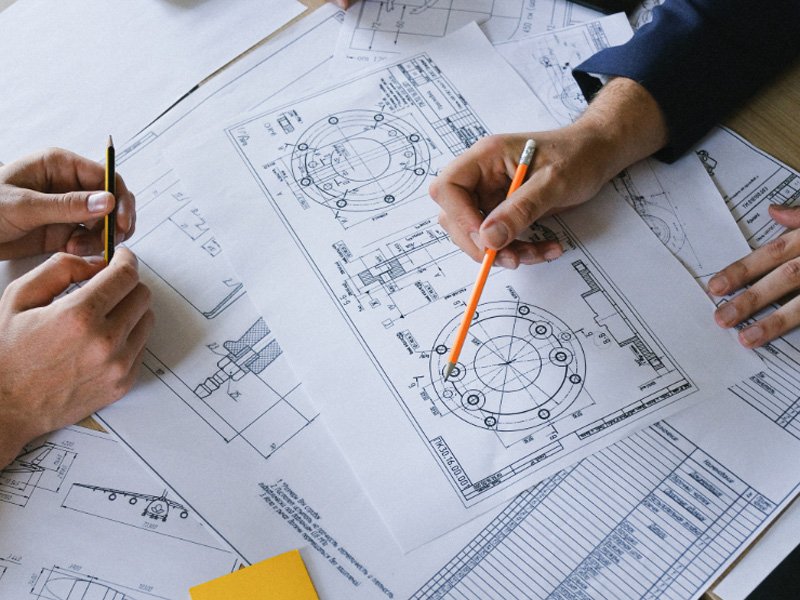
Rely on the CAD modeling and 3D printing capabilities of the Mechanical Design Research Institute to quickly produce customized molds and non-standard components, shortening the R&D cycle of new styles to 7-10 days.
Existing equipment transformation
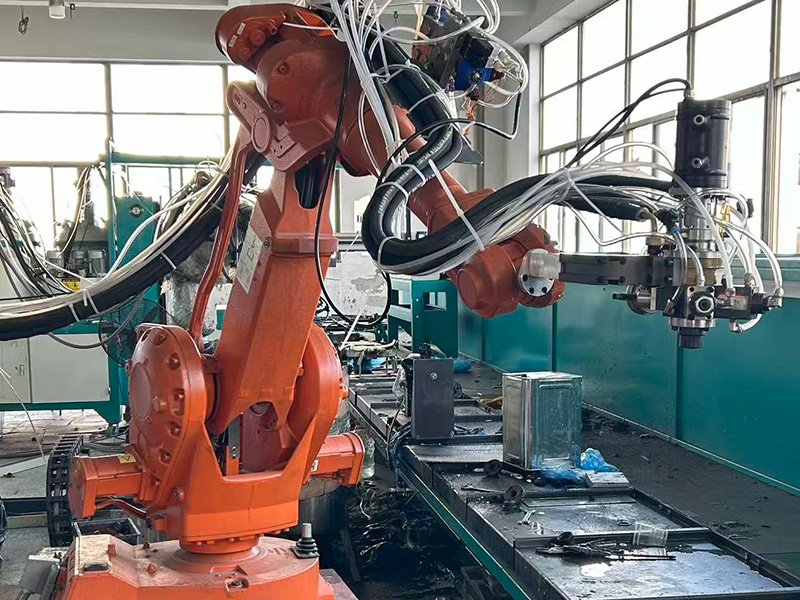
Install Haifeng's intelligent temperature control, precision proportioning, and automated conveying modules to realize the transformation from solvent-based to solvent-free/water-based processes, reducing labor and raw material losses.
포괄적인 품질 검증 및 규정 준수 보장

지능형 품질 검사
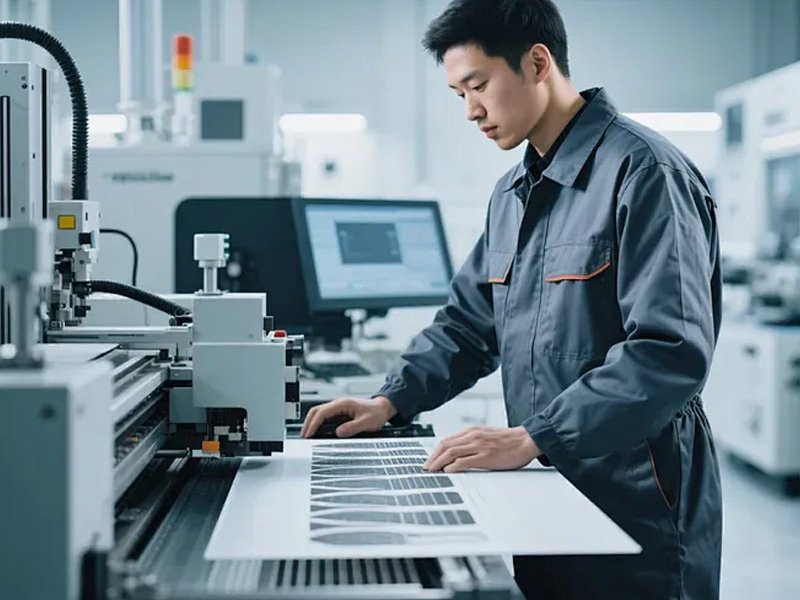
Equip Haifeng's independently developed integrated testing equipment, covering thickness, defect, bonding strength, and key performance tests. With an efficiency of ≥50 pairs per minute, defective products are automatically sorted out.

Real-time control
Adopt Haifeng's intelligent production control system to dynamically adjust parameters, controlling the defect rate at 2-3%; integrate environmental monitoring modules to achieve near-zero VOC emissions.
Certification support
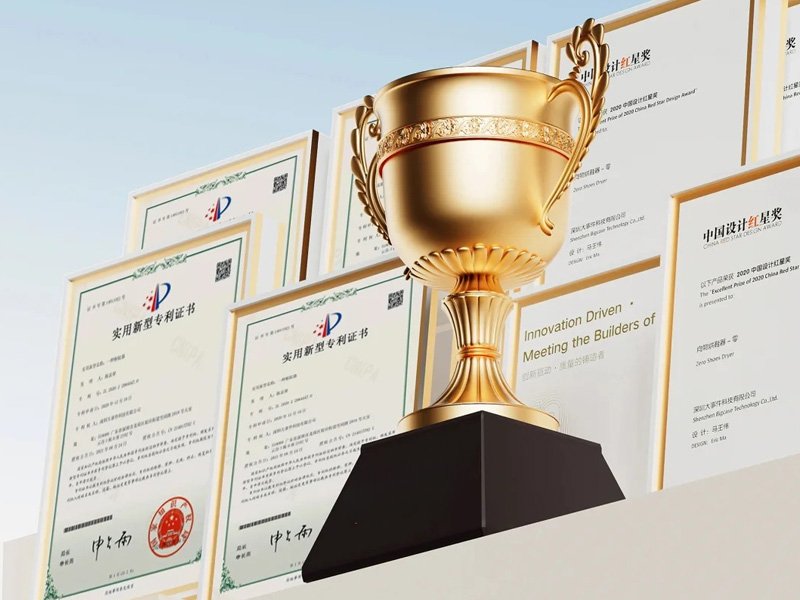
Cooperate with authoritative testing institutions to assist in completing multi-standard certifications, providing technical parameters and sample support to help obtain CE and LA certifications and break through high-end market barriers.
솔루션 가치 및 효과
| 차원 | 기존 프로세스 | 하이펑 자동화 솔루션 | 개선 효과 |
|---|---|---|---|
| Compliance Rate of Protective Performance | Below 85% | Above 99% | Meet national/international standards and eliminate safety hazards |
| Defect Rate | 10-15% | 2-3% | Reduce by over 75% and minimize rework losses |
| Raw Material Waste Rate | ≥15% | ≤5% | Reduce by 67%, saving over 300,000 yuan in raw material costs per line annually |
| Labor Requirement | 8-10 people/line | 2-3 people/line | Reduce by 75% and lower the risk of operational errors |
| VOC 배출량 | 과도한 | 제로에 가까운 | 환경 규정 준수 및 국제 인증 획득 |
| R&D Cycle | 30-45 days | 7-15 days | Shorten by over 60% for rapid market response |
구현 프로세스
수요 조사
기술팀이 현장 조사를 실시하여 맞춤형 솔루션을 수립합니다.
공식 및 프로세스 설계
R&D 센터를 통해 완벽한 커스터마이징 및 타당성 검증을 수행합니다.
장비 커스터마이징/변형 및 시운전
공장에서 생산이 완료되면 엔지니어가 현장에서 설치 및 시운전을 수행합니다.
소량 시험 생산
기술팀은 매개변수를 추적하고 최적화합니다.
현장 설치 및 대량 생산
생산 라인을 구현하고 대량 생산을 시작하여 기술 지침을 제공합니다.
품질 검사 및 인증 지원
테스트 및 인증 신청서 작성을 지원합니다.
판매 후 운영 및 유지보수
전국 서비스 네트워크에 기반한 유지 관리 및 업그레이드 서비스를 제공합니다.