












A Haifeng Automation capacita a produção de couro: Caso de atualização da linha de produção de uma fábrica de couro sintético de Guangdong
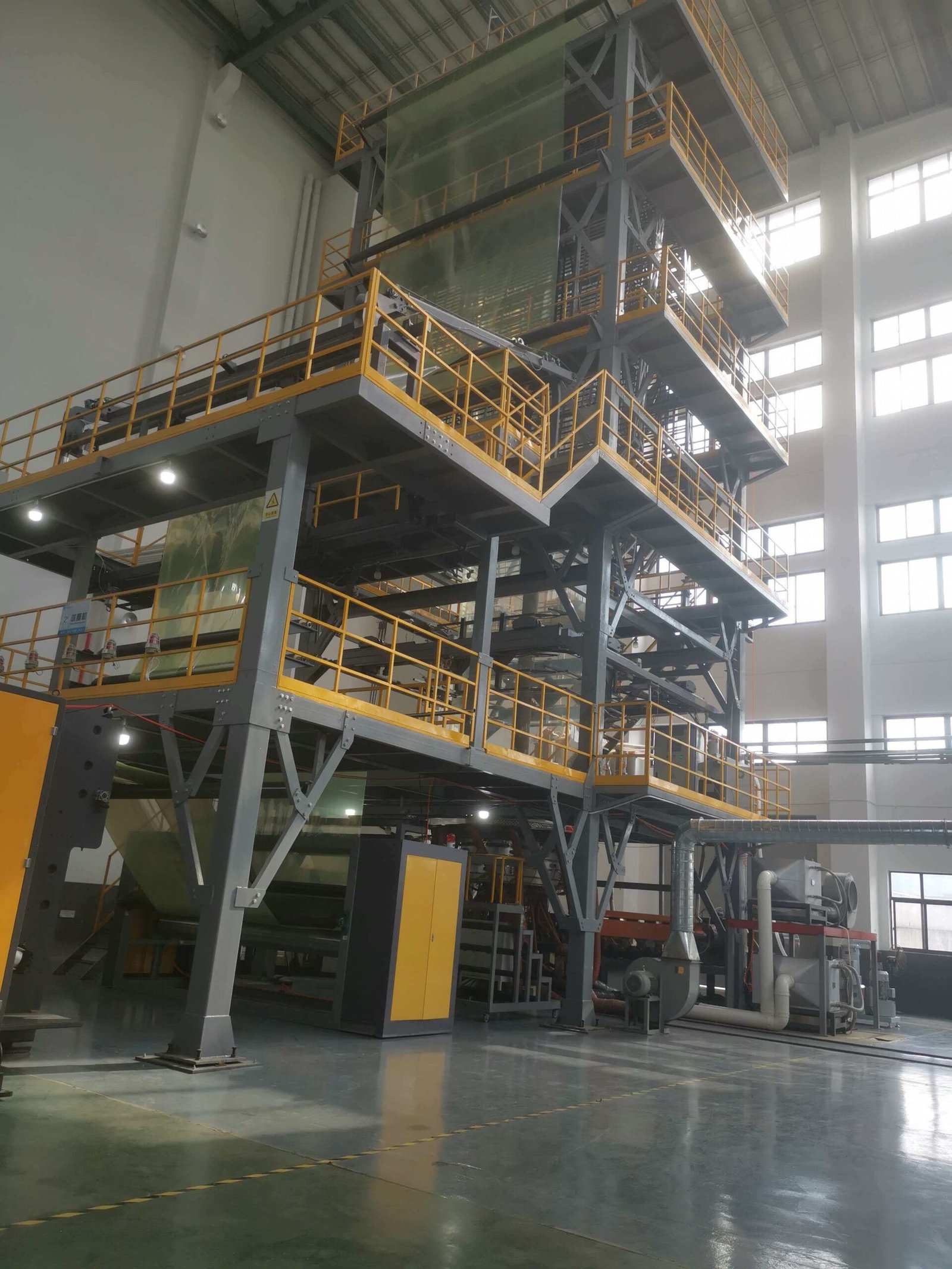
Customer Background
With 11 years of focus on synthetic leather manufacturing, the enterprise covers an area of 14,000 square meters and operates 2 semi-automated polyurethane synthetic leather production lines. Its core products are PU/PVC synthetic leather, including shoe leather, furniture leather, and luggage leather, with an annual output of approximately 7.5 million meters. It mainly provides supporting services for domestic mid-range furniture and shoe enterprises, achieving an annual sales volume of 110 million RMB. In recent years, downstream markets have continuously raised requirements for the tactile fineness, color fastness, and environmental indicators of synthetic leather. Coupled with fluctuations in raw material prices and tightening environmental policies, the original production model can no longer meet the needs of mid-to-high-end orders, requiring automated technological upgrading to break through development bottlenecks.
Project Overview
A synthetic leather manufacturer in Guangdong has long been troubled by three core issues: “significant quality fluctuations, low production efficiency, and heavy environmental pressure.” Based on the enterprise’s actual production scenarios, Haifeng Automation has tailored a full-chain transformation solution integrating “equipment upgrade + process optimization + intelligent control + environmental compliance.” By introducing polyurethane precision coating equipment, iterating production processes and formula systems, the upgrade of 2 core production lines was completed in just 5 months. This helped the enterprise transform from “traditional extensive coating” to “intelligent precision manufacturing,” successfully breaking through the mass production bottleneck of mid-to-high-end synthetic leather and smoothly entering the mid-range supporting market for shoe materials and furniture.
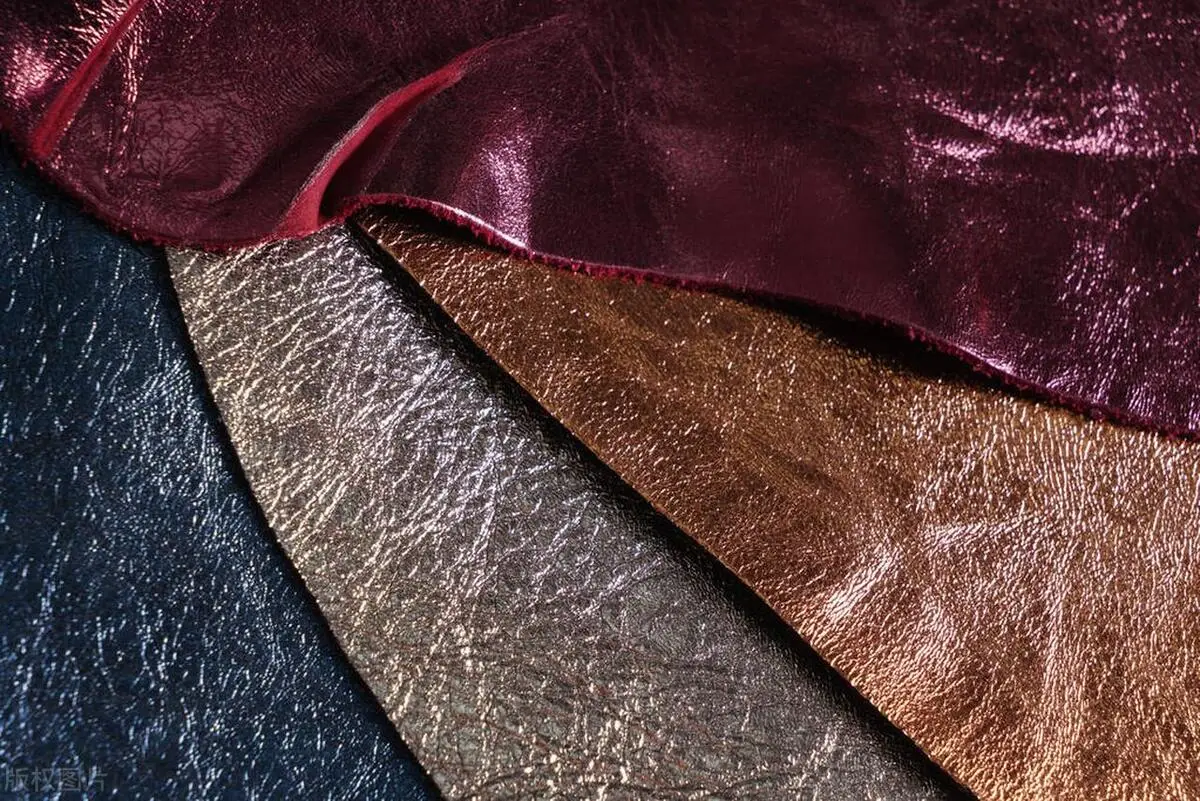
Core Customer Pain Points
01
Unstable product quality
Manual adjustment of coating thickness leads to errors exceeding 7%, resulting in uneven leather surface thickness and obvious differences in glossiness; uneven color paste mixing causes color fastness to only reach Grade 3 (lower than the Grade 4 standard for mid-to-high-end markets), with a finished product unqualified rate of 9% and annual rework losses exceeding 800,000 RMB.
02
Low production efficiency
Adopting the traditional doctor blade coating process, each production line requires 7 workers to be responsible for feeding, adjustment, winding and other links, with a coating speed of only 14m/min. The daily output of a single line is 16,800 meters, and the total annual output of 2 lines is 7.5 million meters, making it difficult to undertake large-volume mid-to-high-end orders.
03
High comprehensive costs
Uneven coating leads to a raw material waste rate of 12%. Based on an annual consumption of 1,100 tons of polyurethane resin at a unit price of 17,500 RMB/ton, the annual wasted raw material cost exceeds 2.31 million RMB; the annual labor cost per production line is over 528,000 RMB, totaling 1.056 million RMB for 2 lines; old equipment consumes high energy, with a daily power consumption of 280 kWh per line, resulting in serious energy waste.
04
Insufficient environmental compliance and production flexibility
The DMF recovery efficiency during production is only 62%, posing environmental compliance risks; switching between leathers of different thicknesses (0.8-2.0mm) and textures requires manual mold and formula adjustments, with a cycle as long as 2.5 hours, making it impossible to quickly respond to multi-specification orders.
Haifeng's Solutions
01
Core equipment upgrade
Replace traditional doctor blade coating equipment with 2 sets of Haifeng XJJF-3×50Z70A polyurethane synthetic leather precision coating machines, customized for conventional PU/PVC leather processing (shoe, furniture and luggage leather). Equipped with an intelligent coating head with an accuracy of ±0.02mm and a high-speed dispersion mixing system (rotating speed of 6800±200 rpm), it enables precise and consistent control of coating thickness for synthetic leather; the matched automatic tension control system ensures flat winding of finished leather and effectively reduces surface defects such as uneven gloss and wrinkles.
02
Implementation of intelligent control
Equipped with a PLC intelligent control system, pre-storing formula databases for more than 30 mainstream specification products (including thickness, color paste ratio, and curing parameters), enabling automatic operation of the entire process from feeding, coating, curing to winding; add a production data collection module to real-time monitor coating thickness, raw material consumption, and equipment operation status, achieving visualized management.
03
Process and environmental optimization
Configure a raw material pretreatment system to improve resin uniformity through constant temperature (50-60℃) stirring and defoaming treatment; optimize the color paste dispersion process and curing curve to increase color fastness to Grade 4; upgrade the DMF recovery device to increase the recovery efficiency to 85%, and match it with an energy-saving motor (power saving rate of 25%) to balance environmental compliance and energy consumption control.
04
Full-cycle support services
Arrange 3 professional engineers to be stationed at the factory for 5 days to complete equipment installation, commissioning, and old equipment removal; conduct a 2-day practical training covering core skills such as equipment operation, parameter adjustment, daily maintenance, and troubleshooting; provide a 1-year whole-machine warranty, establish a 24-hour technical docking mechanism, and conduct comprehensive on-site equipment maintenance every quarter.
Core Achievements of Project Implementation
Quality and Stability Both Improved
- Coating thickness error is now controlled within ±0.02mm, giving the leather a uniform gloss and delicate touch.
- Color fastness consistently meets Grade 4 standards, while the finished product rejection rate has dropped to 3.5%—cutting annual rework losses by over 600,000 RMB.
- The enterprise has also passed supplier qualification reviews from two well-known domestic furniture and shoe brands.
Production Efficiency Steadily Raised
- Coating speed has increased from 14m/min to 25m/min, pushing the daily output of a single line from 16,800 meters to 30,000 meters.
- Total annual output of the two lines now exceeds 11 million meters, a 46.7% increase from pre-upgrade levels.
- This has allowed the enterprise to secure two mid-to-high-end orders for furniture and shoe leather, totaling 1.8 million meters.

Comprehensive Costs Significantly Reduced
- Raw material waste rate has fallen from 12% to 7%, saving over 962,500 RMB in annual material costs.
- The number of operators per line has been cut from 7 to 4, reducing annual labor costs by 528,000 RMB.
- Daily power consumption per line has dropped from 280 kWh to 210 kWh, saving more than 51,000 RMB in annual electricity fees.
- Overall comprehensive costs are down 1.5415 million RMB per year, with an investment payback period of approximately 3.8 years.
Compliance and Flexibility Meet Market Demands
- DMF recovery efficiency has reached 85%, and waste gas and water emissions fully comply with the GB 21902-2008 Emission Standard for Pollutants from Synthetic Leather and Artificial Leather Industry—eliminating all compliance risks.
- The one-click formula retrieval function has shortened the product changeover cycle from 2.5 hours to 40 minutes, enabling the production of leather in full thickness range of 0.8–2.0mm and multiple textures, which greatly improves responsiveness to multi-specification orders.


Market Competitiveness Enhanced
- The enterprise has signed long-term supporting agreements with two domestic leading furniture and shoe material brands.
- The proportion of mid-to-high-end products has risen from 15% (pre-upgrade) to 30%.
- Annual sales have grown from 110 million RMB to 160 million RMB, with market share expanding steadily.


