01
Integration of Industry, Academia, and Research
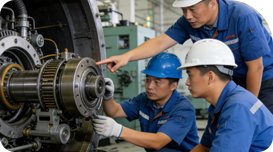
Haifeng is not content with existing technologies. We have established long-term strategic partnerships with renowned universities and research institutions. Through this integrated model, we focus on cutting-edge research in PU lightweighting and green sustainable development.
02
Advanced Materials & Composite Extension
The boundaries of polyurethane applications are constantly expanding. Haifeng is dedicated to developing equipment compatible with bio-based materials, recyclable materials, and high-performance composites.
03
Joint Development with Chemical Giants
Haifeng understands the vital synergy between machinery and chemicals. We maintain close technical collaboration with world-leading chemical suppliers to co-develop customized production lines for innovative chemical systems.

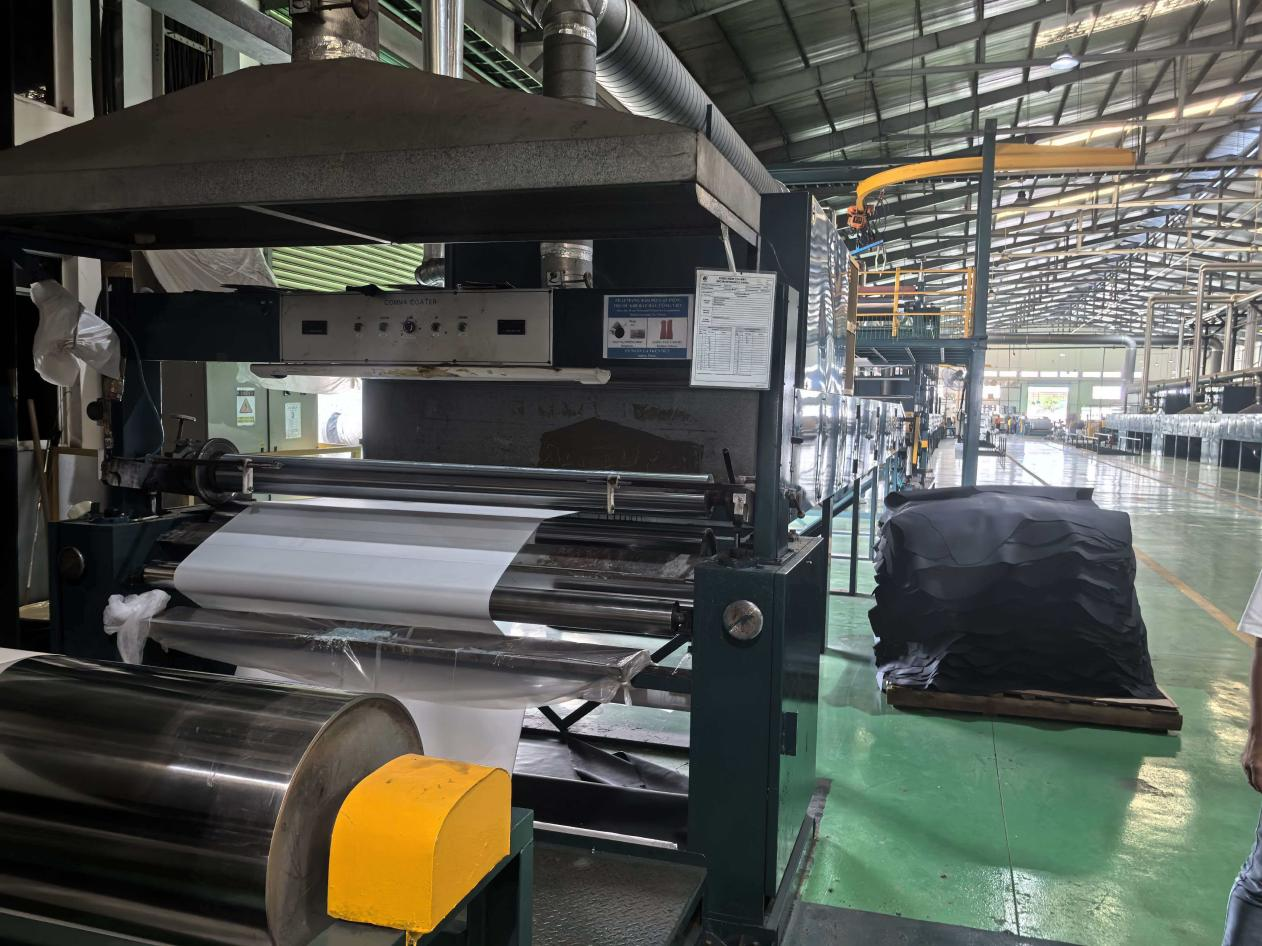
Case Study: Water-borne PU (WPU) Physical Foaming Project
- Collaboration:Haifeng partnered with a leading university in Sichuan to drive the eco-friendly transformation of the synthetic leather industry.
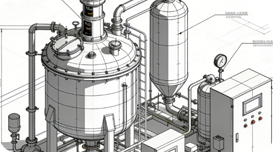
- Technical Breakthrough:Addressing the challenges of solvent residue in chemical foaming, Haifeng developed a dedicated mechanical (physical) foaming system. By precisely controlling air pressure and shear frequency, we achieved uniform shaping of WPU on synthetic leather substrates.
- Value:The project successfully enabled 100% solvent-free production for the client, meeting the stringent green supply chain requirements of top-tier global brands.

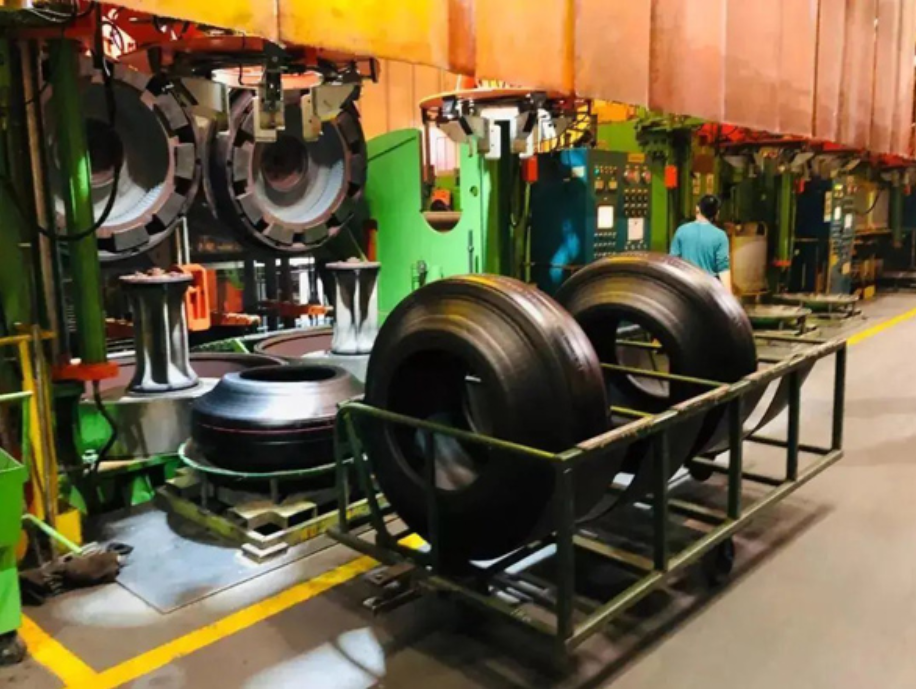
Case Study: OTR Tire Particle Recycling (Zero-Carbon Solution)
- Logic:Realized full-lifecycle utilization of polyurethane. Waste PU or rubber particles are crushed through physical recycling to serve as high-performance fillers.
- Technical Details:Haifeng developed a customized large-channel filler delivery system and specialized anti-abrasive mixing heads. These crushed particles are recombined with PU raw materials and injected into OTR tires via a unique “solid-liquid mixing” process.
- Outcome:This solution not only gives waste resources a second life but also achieves low-carbon or even zero-carbon emission targets by replacing virgin materials with recycled fillers.