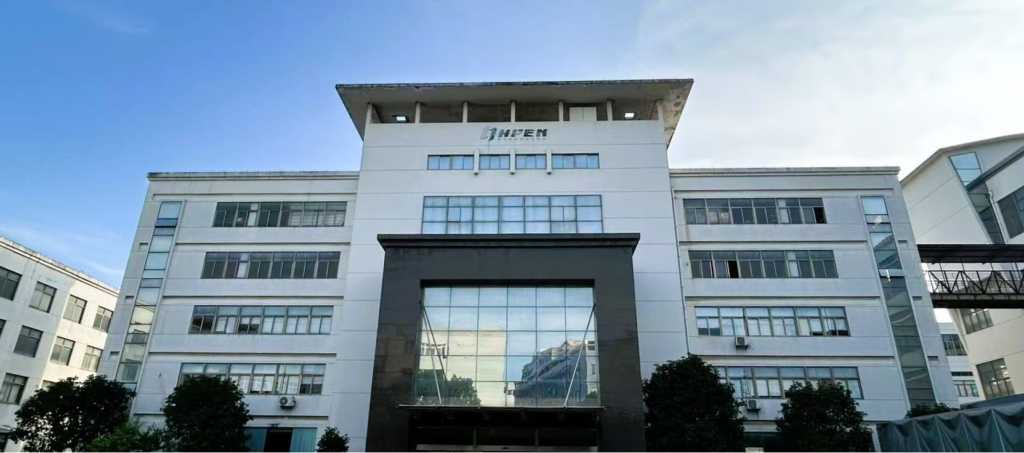
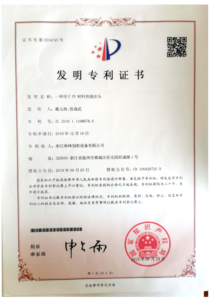
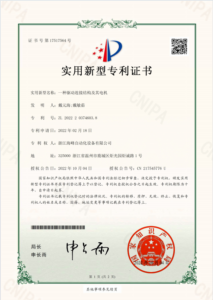
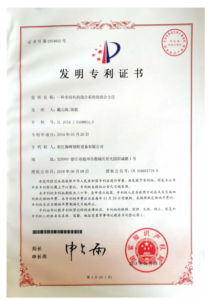
Your Global Partner for Polyurethane Turnkey Projects
From Solvent-Free Synthetic Leather Lines to High-Precision PU Foaming Systems. Backed by 40 years of engineering expertise, we deliver customized production solutions for global manufacturers.
Procurement
03
ABOUT
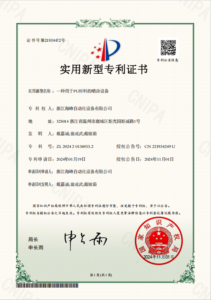
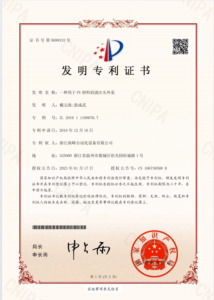
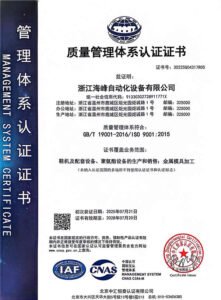
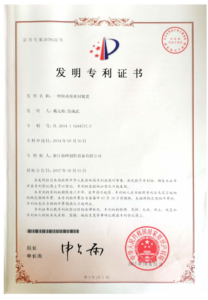
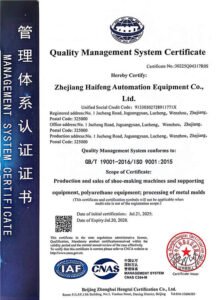
Guided by customer needs, we are committed to providing customers with customized automation solutions and high-quality after-sales services. The company pays attention to quality management and strictly produces and tests in accordance with international standards. We are committed to providing customers with high-quality, reliable automation equipment to help customers improve production efficiency, reduce costs, and succeed in the fiercely competitive market.
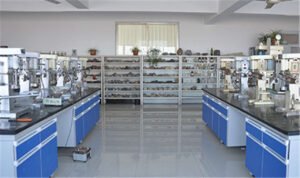
Advanced PU Application & Pilot Center: Bridging Concept to Commercialization
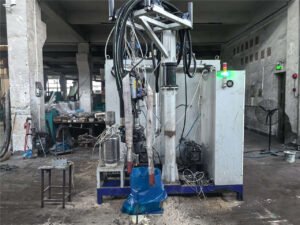
Simulates production environments with high-pressure metering units and foaming lines. Tests raw materials, optimizes ratios, and trials mix heads to turn PU formulas into tangible products without interrupting clients’ production.
Key Objectives Include:
- Accelerate clients’ R&D cycles by enabling pre-production testing.
- Optimize product performance through precise formula and process validation.
- Minimize production risks by ensuring process feasibility before mass manufacturing.
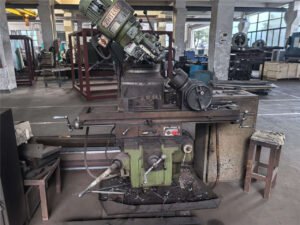
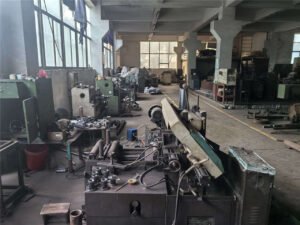
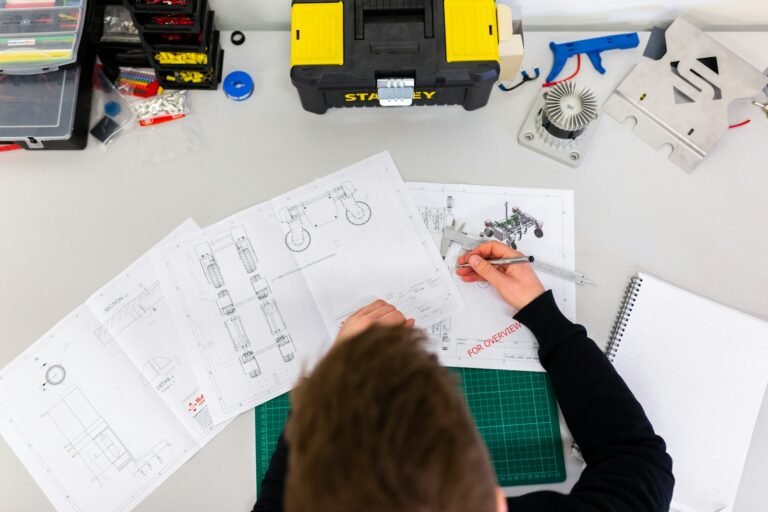
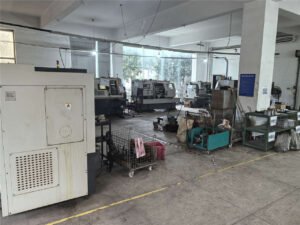
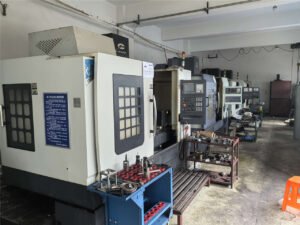
Precision Engineering & Prototyping: Micron-Level Accuracy for PU Equipment
- Deliver high-precision, customized components for optimal equipment performance.
- Shorten lead times for non-standard parts through in-house rapid prototyping.
- Guarantee the reliability and longevity of PU foaming machines under demanding conditions.
INDUSTRY SOLUTIONS
Application field Industry leader
CASE
WHY HaiFeng IS TRUSTED BY GLOBAL PARTNERS?
BLOG
Cost of a Tire Foam Filling Machine
For mining fleets, construction contractors, ports, steel plants, waste management operators, military vehicle operators, tire punctures are an expensive cause of unexpected equipment downtime.
How to Fill Foam in Heavy Duty Tires
In 2026, the most expensive tire failure in mining, steel production, quarry operations, waste management facilities and port logistics is no longer tire replacement cost.
OTR Tire Flat Proofing Technology Explained
By 2026, the greatest cost driver in mining tire operations is not the price of the tire. It is unplanned downtime.
Across open-pit mines and quarry operations, steel plants, ports, demolition sites, waste recycling yards, underground material handling and surface, maintenance teams are sizing up tires against one simple question:
How many production hours are lost following a puncture?
This is the reason behind the growth in business for OTR Tire Flat Proofing Technology, a method of exchanging compressed air with engineered polyurethan elastomer within heavy-duty tires.
Advantages of Foam Filled Tires for Mining
Foam filled tires are replacing pneumatic tires across mining and heavy industrial fleets in 2026 because they greatly reduce costly downtime caused by punctures and pressure failures. Modern polyurethane foam filling systems improve operational continuity, especially in harsh environments such as quarries, underground mines, steel plants, and demolition yards. Key factors now include thermal management, foam density control, automated filling accuracy, and long-term casing durability. Mining operators increasingly prefer integrated, automated foam filling stations with remote diagnostics and explosion-proof safety systems, focusing more on productivity stability and lifecycle performance than on tire price alone.
How Does a Foam Filled Tire Machine Work
Foam quality alone is no longer enough to draw direct comparisons between tire protection systems for most mining fleets, port operators, demolition contractors, and heavy industrial yards in 2026. The difference is operational, based on how the foam filled tire machine manages pressure balance, the stability of the chemical reaction, heat generation, saturation of the cavity, and the behavior of the long cycle curing reaction inside the OTR tire.
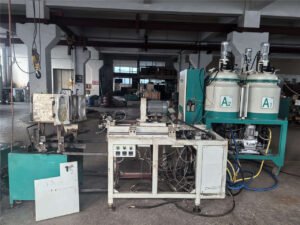
PU Shoe Factory Blueprint: Mastering Production Lines & Robotic Automation [Part 5: Factory Layout]
A perfectly calibrated PU casting machine is useless if the factory layout bottlenecks production. As the global footwear industry faces a severe generational labor shortage and a shift toward small-batch, multi-color orders, traditional manual pouring lines are becoming obsolete. This turnkey EPC+M+O guide dissects the ultimate PU shoe factory layout. We compare high-yield Conveyor Lines, compact Banana Lines, and premium Rotary machines, proving how Haifeng delivers European-level automation (rivalling Gusbi and DESMA) at a fraction of the CAPEX. Learn why CNC aluminum molds are mandatory for automation, the truth about robotic trajectory pouring, and how independent color dosing boosts factory profitability by over 30%.