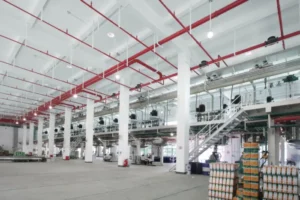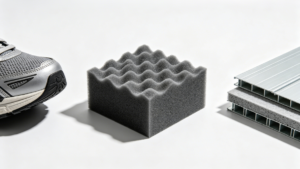









生産ラインが対応できなければ、材料の仕様は意味をなさない。ここでは、工場の現場で実際に何が起きているのかを紹介する。.
実際のところ、何が違うの?
今日、合成皮革工場を経営しているなら、それは実質的に三つの戦線での戦いと言えます。原材料コストを抑え、最高級の肌触りを実現し、さらに新たなESG規制による巨額の罰金をどうにかして回避しなければならないのです。.
では、PVC、PU、TPUの違いは何でしょうか?それは、化学的性質と耐久性に尽きます。. PVC 安価で硬いプラスチックに、曲げやすくするためだけに有毒な可塑剤が大量に添加されている。. PU 手頃な価格で通気性に優れた本革ならではの風合いを楽しめる一方で、通常は溶剤の臭いが付きまとう。そして、もう一つあるのが TPU—まさに聖杯のような存在だ。100%規格に準拠したリサイクルが可能で、極寒の環境にも難なく耐え、可塑剤を一切使用していない。ただし、欠点がある。原材料のコストが法外なほど高いのだ。.
しかし、ほとんどの材料担当者が口にしない現実があります。それは、適切な化学物質を選ぶことは、仕事の一部に過ぎないということです。収率を大幅に低下させることなく、その化学物質を処理するために必要な設備を見極めることこそが、利益を上げる工場と廃業する工場を分ける真の要因なのです。.
1. 実際の製造工程(そして設備の限界)
現場で直面する課題は、これらの素材がどのように作られているかに端を発しているのです。.
PVC:有害な働き者
PVC樹脂に可塑剤(通常はDOPやDBP)を混ぜ合わせ、巨大なカレンダーローラーに通すか、あるいは布地に直接コーティングします。この製造設備はここ数十年間、ほとんど変わっていません。ここでの本当の悩みの種は加工工程そのものではなく、有毒な揮発ガスを処理するためだけに構築しなければならない、大規模な換気設備なのです。.
PU:溶剤トラップ
従来のPU加工では、次の2つの道のいずれかを選ばざるを得ません:
湿式プロセス: 布を水に浸し、DMFと水の混合液の中を引きずります。通気性の良い靴に最適です。.
乾式プロセス: PUスラリーを剥離紙に塗布し、焼成した後、生地に貼り付けます。ソファやバッグに最適です。.
注意点: どちらの方法も、有害なDMFの蒸気を回収するために、巨大で高価な溶剤回収塔を購入・稼働・維持せざるを得ない状況に追い込んでしまいます。.
TPU:押出成形の難題
TPUは業界の常識を一変させます。ペレットを溶かして、押出成形やインフレーション成形を行うだけです。溶剤は不要です。完璧に聞こえますよね?
注意点: TPUはスポンジのように空気中の水分を吸い取ります。その吸湿性は極めて高いのです。押出ラインに最高級の[内部リンク:除湿システム]が導入されていないと、成形されたレザーはまるで気泡緩衝材のような見た目になってしまいます。機械的強度はゼロになり、廃棄物箱はあっという間にいっぱいになってしまいます。.
2. 良い面、悪い面、そしてコンプライアンスの現実
私たちは数十年にわたり、これらの素材が世界の生産現場で熾烈な競争を繰り広げる様子を見守ってきました。ここでは、現在のそれぞれの長所と短所について、ありのままの事実をお伝えします。.
PVC合成皮革
メリット: PVCは、低コスト製造において文句なしの王者です。加工が容易で、耐候性や耐酸・耐アルカリ性にも優れています。.
デメリット: この素材の致命的な欠点は、可塑剤の移行である。2~3年という短い耐用年数の間に、素材は必然的に硬化し、脆くなり、ひび割れが生じやすくなる。また、通気性が極めて低く、低温性能も劣る上、塩素や重金属が含まれている可能性があるため、REACHやRoHSといった厳しい環境規制の対象となっている。.
PU合成皮革
メリット: PUは本革に非常に近く、優れた柔らかさ、弾力性、通気性、そして折り曲げ耐久性を備えています。また、PVCに比べて生分解性が格段に優れています。.
デメリット: PVCよりも約30~50%高価です。さらに、ポリエステル系PUは加水分解に弱く、従来の溶剤系PUには有毒なDMF残留物が残る可能性があるため、高級医療製品や乳幼児向け製品への使用には制限があります。.
TPU合成皮革
メリット: TPUは環境に優しい素材の「聖杯」とも呼ばれています。100%リサイクル可能で、可塑剤やハロゲン元素を一切含まず、優れた弾力性と耐摩耗性を備えています。-30℃でも柔軟性を維持し、卓越した耐油性と耐加水分解性を発揮します。.
デメリット: コストと加工の難しさ。TPUの原材料はPUに比べて1.5倍から2倍高価です。また、加工温度範囲が狭いため、標準的なコーティングラインでは対応できず、専用の高精度押出成形機が必要となります。.
3. 適用マトリックス:どこに当てはまるか?
コストや手間がケースによって大きく異なるため、こうした素材は当然ながら市場の非常にニッチな分野に追いやられてしまう。.
素材 | あるべき場所 | 実際に何ができるのか |
PVC | 超格安商品。. | 安価な学生用リュックサック、合成皮革のバインダー、使い捨てのカーマット。. |
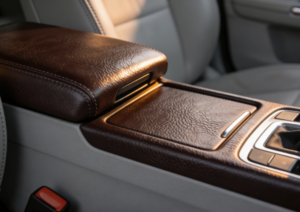
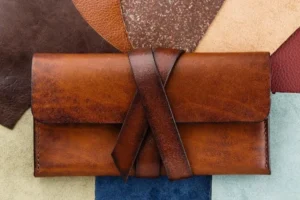
PU | 中~高級市場全般。. | スポーツシューズ、主流のハンドバッグ、上質な車内インテリア。. |
TPU | 卓越した性能と安全性。. | 高級登山靴、医療用サポーター、高級デバイスケース。. |
PVC is basically cornered into the price-war market. PU is still the daily workhorse for most consumer brands. TPU? You only use it when extreme durability or absolute medical-grade safety easily justifies the brutal price tag.
4. The Real Future: Solvent-Free is Mandatory
Let’s look at where the smart money is going. The ESG push isn’t a trend; it’s a regulatory mandate.
PVC is desperately reformulating just to avoid outright bans. TPU is growing naturally because brands want to slap a “Circular Economy” label on their boxes. But the biggest shift? PU is fighting back.
Forward-thinking plant managers aren’t abandoning PU; they are abandoning the solvents. We are seeing a massive pivot toward [Internal Link: Solvent-Free Synthetic Leather Equipment]. Why? Because a good solvent-free line slashes your VOC emissions to practically zero, completely eliminates the need for million-dollar recovery towers, and drops your energy bills. It proves you can actually hit environmental compliance without sacrificing the premium leather feel.
Conclusion
Stop looking for the “perfect” synthetic leather. It doesn’t exist. Your choice between PVC, PU, and TPU has to be a cold, hard calculation based on your budget, what your buyers demand, and how strict your local environmental inspectors are.
More importantly, upgrading to greener materials like TPU or Solvent-Free PU isn’t just a matter of calling a new chemical supplier. If your machinery can’t handle precise moisture control, exact mixing ratios, and razor-thin thermal windows, you’re going to fail.
Tired of dealing with TPU extrusion bubbles or trying to figure out how to ditch your DMF recovery towers? Take a look at our exact machinery layouts, or just reach out to our engineering team at Zhejiang Haifeng for a real conversation about your line.
よくあるご質問
What is the difference between PVC and PU synthetic leather machines?
The main difference is that PVC machines typically utilize calendering with heavy plasticizers. PU leather is usually lighter, much more breathable, and feels closer to genuine leather. PVC is generally cheaper but also stiffer and degrades faster.
Why is TPU so difficult to process?
It depends on your moisture control and temperature. TPU has a notoriously narrow processing temperature window and absorbs moisture rapidly. If your machine lacks a precise dehumidification and extrusion setup, the material will fail.
Is Solvent-Free PU manufacture suitable for a beginner?
Yes, but it’s probably best starting with technical guidance or at least a turnkey solution. There’s a fair degree of material handling, strict stoichiometry (ratio control), and process control to get familiar with initially compared to traditional wet processes.
What is the cost of a modern synthetic leather production line?
Not straightforward. A rough rule of thumb is that from mid six figures USD you can get a very basic system installed, while fully automated, high-output turnkey plants can go significantly higher.
Can one machine make both bags and automotive interior leather?
Yes, in many cases. With suitable release papers and backing fabrics, the same Solvent-Free PU machine can be used to produce both fashion accessories and durable automotive interiors by adjusting the chemical formulation and coating thickness.