








Automated PU Injection Closed-Loop Upgrade Planning Guide
1 Four Typical Automation Pitfalls & Targeted Solutions
1.1 Pitfall 1 Open-loop flow long-term viscosity drift
Hidden Risk Data: Raw material viscosity changes 15%~22% when ambient temperature fluctuates ±5℃; traditional open pump has 2%~3.5% daily cumulative ratio deviation, leading finished density difference ≥6kg/m³, resilience gap over 7 Shore A between morning and evening batches. Closed-loop Solution: Equip Coriolis mass flowmeter + PLC real-time dynamic compensation, whole-process ratio controlled ≤±0.8% continuously under 24h nonstop running, density fluctuation reduced below 2.2kg/m³.
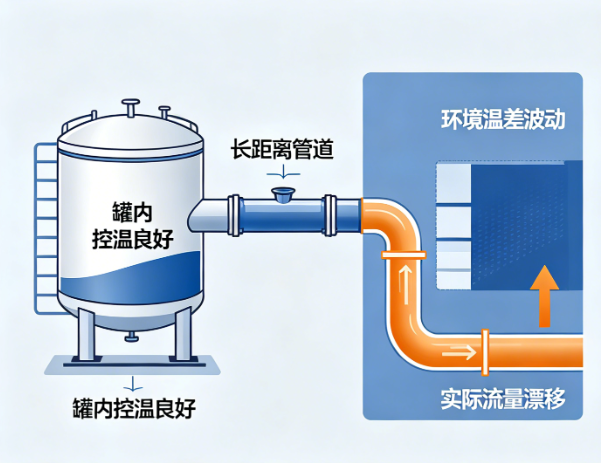
Figure1: Open-loop flow & viscosity drift hidden trouble
1.2 Pitfall 2 Mixing head shear attenuation under high beat production
Hidden Risk Data: After 300,000+ continuous shots, conventional mixing head internal wear reduces shear efficiency by 12%~18%, invisible inner void occurs although product surface is intact, tensile strength drops 10%~15% and fails mechanical inspection. Optimization Scheme: Adopt wear-resistant alloy high-shear mixing head + online wear monitoring module, synchronize mixing rotation speed with mold beat, maintain mixing uniformity ≥99% long-term.
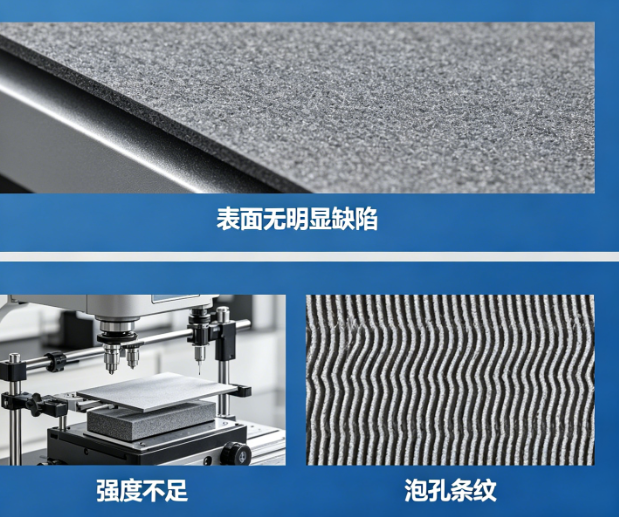
Figure2: Mixing head wear & shear drop defect
1.3 Pitfall 3 Disconnected pouring & curing line rhythm
Hidden Risk Data: Unsynchronized mold conveying and curing oven temperature leads incomplete curing, reject rate rises 7.3% on average; curing zone temperature unevenness over ±3℃ causes local incomplete foaming. System Integration Solution: PLC centralized linkage of injection equipment, rotary/linear conveyor and curing heating system, fix curing time tolerance within ±1.5min according to product specification.
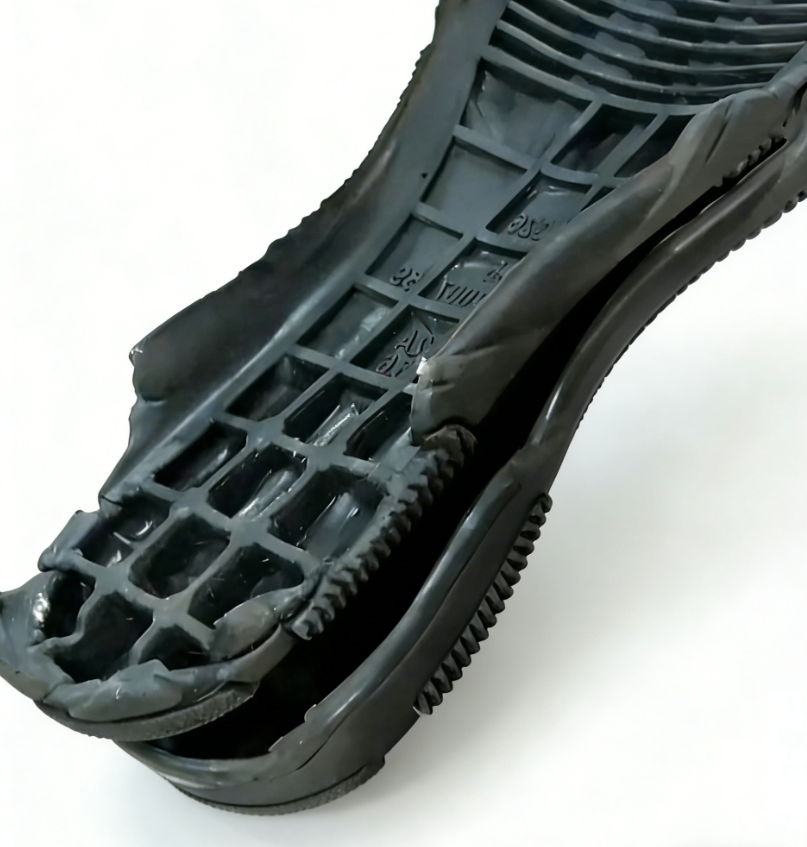
Figure3: Incomplete curing defective shoe sole
1.4 Pitfall 4 Lack of whole-process data traceability
Hidden Risk Data: Factories without SCADA cannot finish Cpk calculation; average Cpk value ≤1.0, far below industry qualified standard ≥1.33, unable to locate abnormal source after batch defects. Digital Solution: Deploy SCADA intelligent monitoring platform, record ratio/temp/pressure per mold automatically, realize full data traceability, OEE improved from average 62% to over 86%.
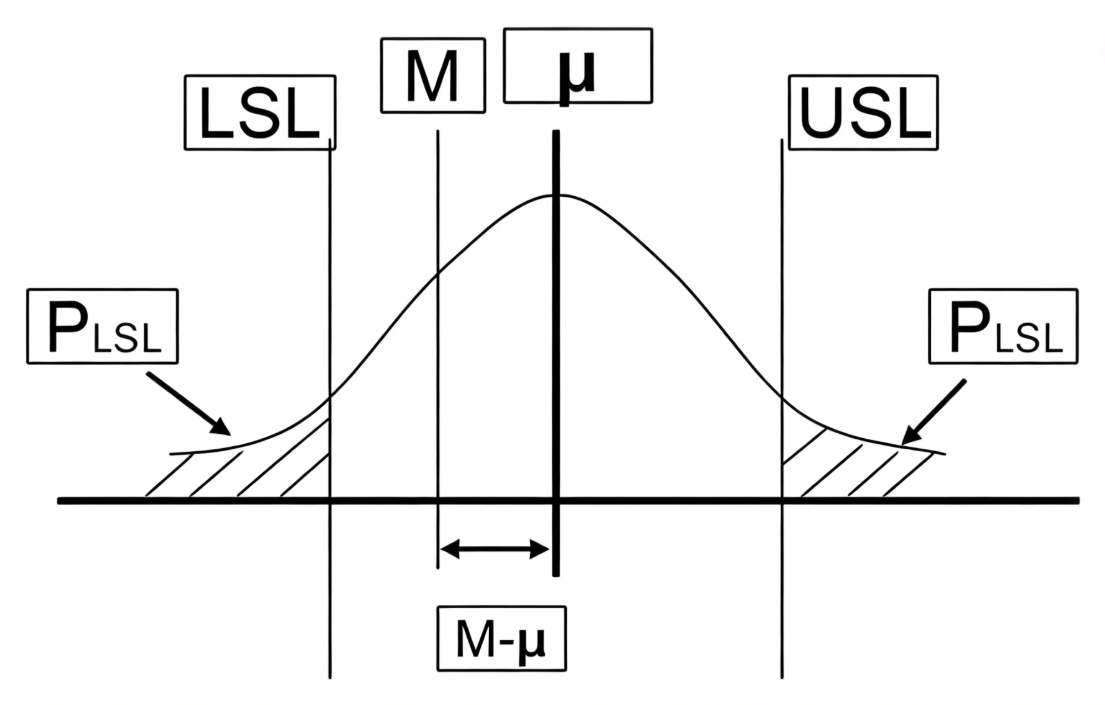
Figure4: Whole-process SCADA trace system
2 Real Factory Renovation Case
A domestic bedding maker with daily output 8500 mattresses used semi-auto open-loop equipment originally, original reject rate 11.7%, Cpk=0.92. After full closed-loop system upgrading following Haifeng’s overall planning:
- Install mass flow closed-loop metering system;
- Upgrade wear-resistant high-shear mixing assembly;
- Realize pouring-curing PLC linkage;
- Access SCADA data management.
Post-upgrade Index: Reject rate dropped to 0.82%, Cpk=1.45, OEE raised from 61.5% to 87.2%, annual raw material cost saving over 320,000 USD.
3 Equipment Selection Reference by Production Scale
| Daily Output | Transformation Focus | Core Matching Configuration |
|---|---|---|
| <5000pcs | Partial closed-loop reform | Retain mainframe, add flowmeter + temp compensation module |
| 5000~20000pcs | Semi-full automatic line | Servo closed-loop + synchronized conveying + independent curing control |
| >20000pcs | Full intelligent production | Whole-line PLC linkage + SCADA full data traceability |
4 Common FAQ
Q1: Is full equipment replacement necessary for automation upgrade?
Q2: What’s qualified Cpk standard for PU mass production?
Q3: How often to inspect mixing head abrasion?
Conclusion
Automation upgrading focuses on systematic closed-loop construction rather than simply replacing manual operation with single machine. Haifeng provides customized whole-line planning, parameter debugging and after-sales service based on product specs, output and existing workshop layout.
Get Custom Automated PU Line Upgrade Plan
Free on-site production evaluation & technical quotation available.
Free Consult