








PU Casting vs Injection Molding: Complete Process Comparison & Selection Guide
This article deeply analyzes the core differences between PU casting and injection molding, provides standardized process selection framework and consistency control solutions, helping you avoid costly equipment investment mistakes.
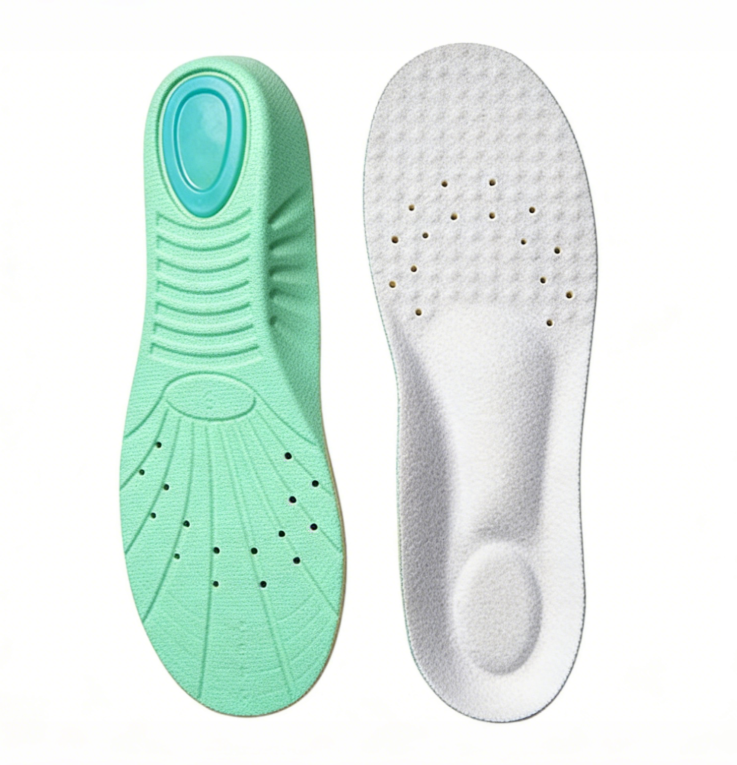
Figure 1: High Precision PU Casting Shoe Insole
1. Core Physical & Mechanical Differences
The essential difference between PU casting and injection molding comes from their different material forming mechanisms, which directly determine their performance characteristics and application boundaries.
1.1 PU Casting / Pouring Process
- Physical Mechanism: Mixed liquid material is poured into open or closed molds via laminar flow, expanding naturally through chemical reaction
- Mold Requirements: Medium to high, usually uses aluminum or resin molds, mold cost is 1/5-1/10 of injection mold
- Cycle Time: 3-15 minutes per piece, depending on product size and curing time
- Density Range: 20-800kg/m³, can produce both soft foam and hard solid products
- Core Advantages: Excellent internal cell structure uniformity, low equipment and mold investment, flexible production for small and medium batches
1.2 PU Injection / RIM (Reaction Injection Molding) Process
- Physical Mechanism: Mixed material is forced into fully closed precision steel mold under 100-300bar high pressure
- Mold Requirements: Extremely high, requires precision steel molds and high-tonnage clamping units, high initial investment
- Cycle Time: 30-90 seconds per piece, suitable for high-volume mass production
- Density Range: 500-1200kg/m³, mainly produces high-density solid or microcellular products
- Core Advantages: Class-A surface finish, extremely high dimensional accuracy, very short cycle times, suitable for large-scale mass production
2. Full-Dimension Process Comparison Matrix
| Comparison Dimension | PU Casting / Pouring | PU Injection / RIM | PU Spraying |
|---|---|---|---|
| Forming Pressure | Low pressure (0-10bar) | High pressure (100-300bar) | Ultra-high pressure (120-240bar) |
| Mold Cost | Low to medium | Extremely high | Zero |
| Equipment Investment | Medium | Extremely high | Medium |
| Minimum Economic Batch | 50 pieces | 10,000 pieces | Unlimited |
| Dimensional Accuracy | ±0,5 mm | ±0.1mm | N/A |
| Surface Finish | Good | Excellent (Class-A) | Fair |
| Maximum Product Size | Unlimited (up to 10m+) | Limited (usually <2m) | Unlimited |
| Core Application | Car seats, integral skin parts, cold chain shells | Car bumpers, load-bearing parts, electronic housings | Building insulation, anti-corrosion |
3. Typical Application Scenarios & Case Studies
3.1 When to Choose PU Casting Process
PU casting is the only solution for products requiring closed mold forming, density control or appearance consistency:
Case 1: High-Precision Shoe Shock Absorbing Pads
A high-end sports brand OEM produced 15g lightweight shock absorbing pads. Traditional gear pumps had 10% metering error in low flow range, leading to hardness deviation and cushioning failure.
- Haifeng Solution: Servo-driven closed-loop metering system with Coriolis mass flow meter
- Result: Metering accuracy ≤±0.5% even at 10g/s low flow, batch weight tolerance ≤±0.5g, scrap rate reduced from 15% to <1%
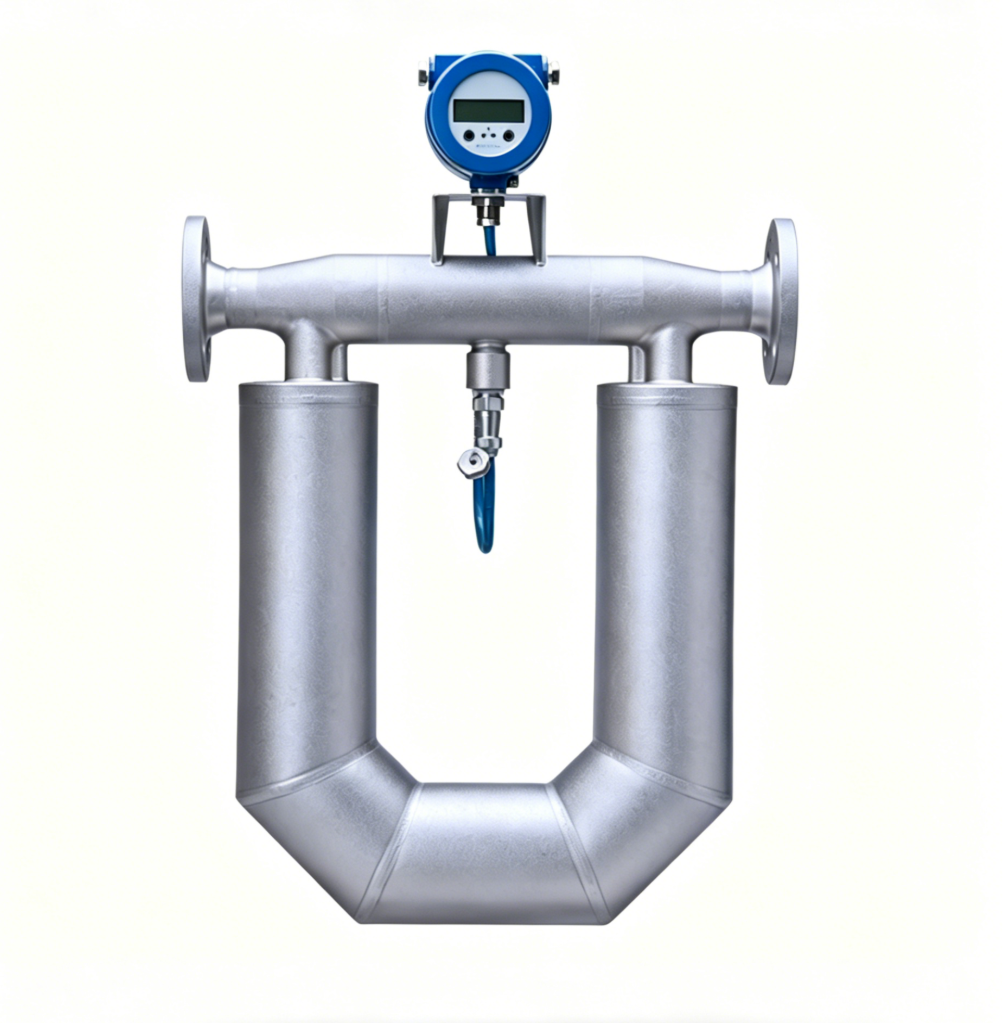
Figure 2: Coriolis Mass Flow Meter for ±0.5% Metering Accuracy
Case 2: Integral Skin Automotive Steering Wheels
An automotive parts factory had surface pinholes and fragile skin defects on steering wheels, caused by mismatch between mold temperature and material temperature.
- Haifeng Solution: PLC interconnection between casting machine and mold temperature controller, precise thermodynamic gradient control
- Result: Dense skin layer formed perfectly within 1.5 seconds, surface defect rate reduced to zero, passed IATF 16949 certification
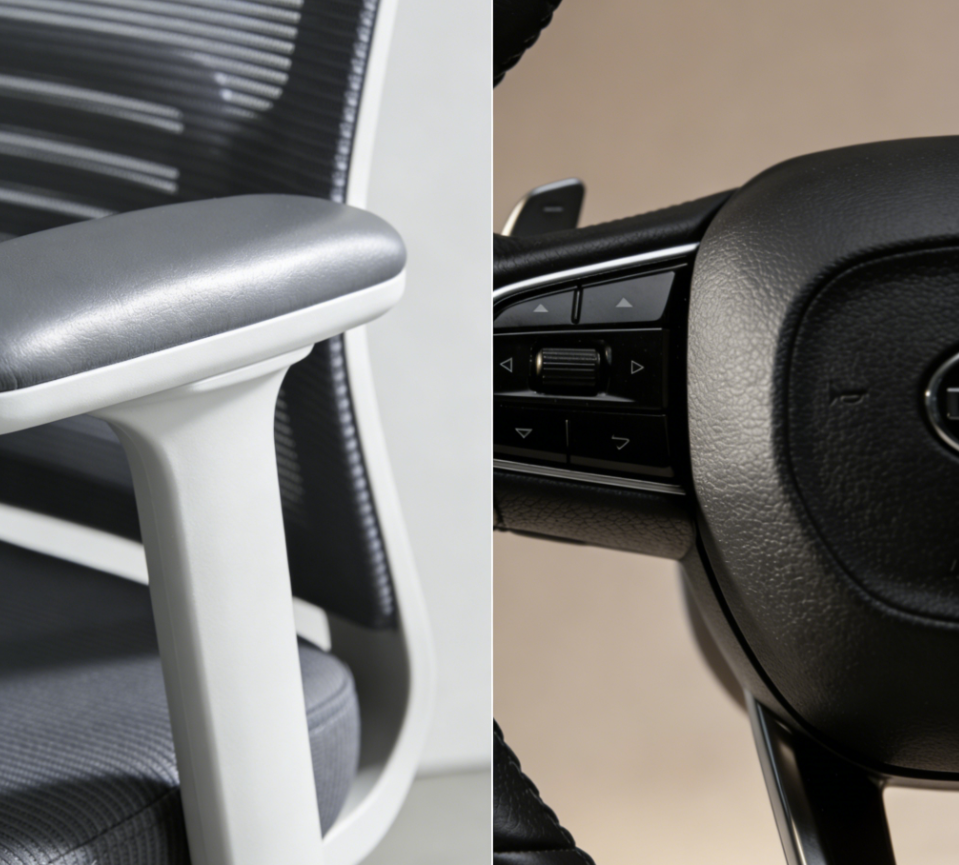
Figure 3: Integral Skin PU Casting Process for Automotive Steering Wheels
Case 3: Large Cold Chain Box Insulation Filling
A cold chain equipment manufacturer had density stratification and voids in 2m tall closed cavity filling, leading to insulation failure.
- Haifeng Solution: Ultra-high flow dynamic injection curve planning, precise cream time control
- Result: Uniform closed-cell rate from top to bottom, insulation performance improved by 30%, energy consumption reduced by 25%
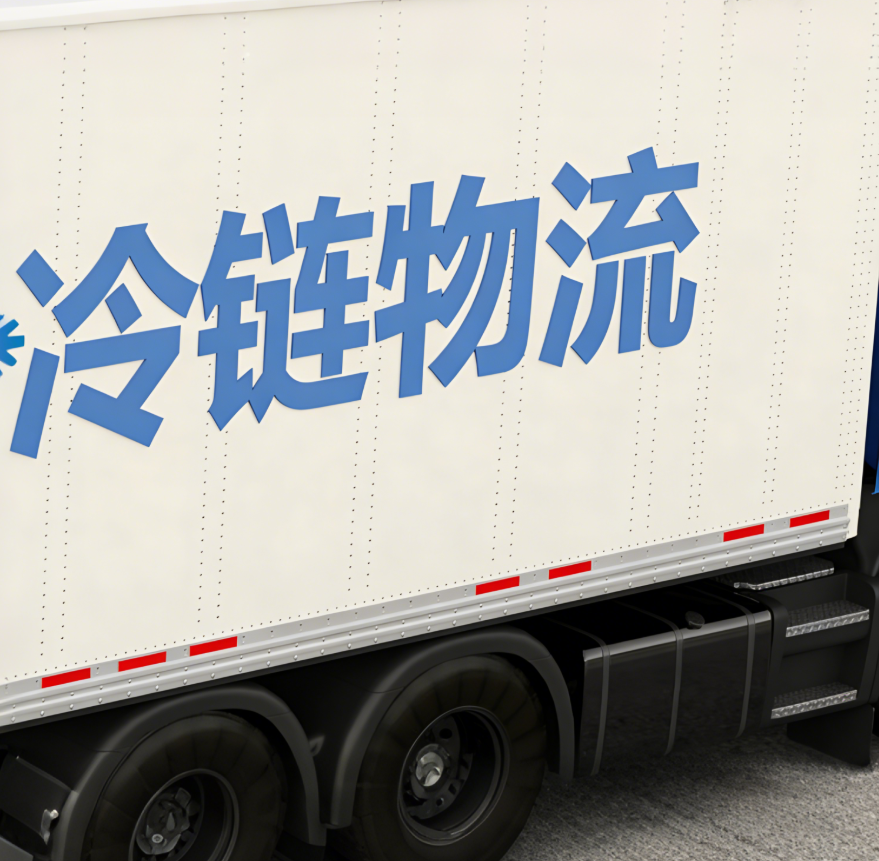
Figure 4: PU Casting Equipment for Large Cold Chain Box Insulation
3.2 When to Choose PU Injection Molding Process
PU injection molding is suitable for high-volume production of precision parts with strict dimensional and surface requirements:
- Automotive bumpers, fenders and other exterior parts
- Heavy-duty industrial load-bearing parts and structural components
- Electronic equipment housings and medical device shells
- High-volume production of small precision parts with Class-A surface requirements
4. Production Consistency Control Solutions
The biggest challenge in PU molding is maintaining consistent product quality during long-term continuous production. Haifeng provides standardized solutions for common consistency issues:
| Common Consistency Issue | Core Root Cause | Standard Solution |
|---|---|---|
| Batch hardness difference >5 Shore A | Raw material viscosity change leads to ratio drift | Adopt servo closed-loop metering; enable temperature dynamic compensation |
| Internal voids and air traps | Poor mold venting, too fast pouring speed | Optimize mold venting design; reduce pouring speed appropriately |
| Surface defects and poor appearance | Mold temperature uneven, mixing uniformity insufficient | Calibrate mold temperature machine; adopt high-shear mixing head |
| Density stratification in large parts | Too short cream time, unreasonable pouring path | Adjust formula to extend cream time; optimize pouring path |
5. Equipment Selection Guide
5.1 Core Selection Criteria
When choosing between casting and injection equipment, evaluate from the following three core dimensions:
- Production Volume: <10,000 pieces/year choose casting; >100,000 pieces/year choose injection
- Product Requirements: High dimensional accuracy and Class-A surface choose injection; density control and internal structure choose casting
- Investment Budget: Limited budget choose casting; sufficient budget for high-volume production choose injection
5.2 Core Equipment Performance Indicators for Casting Machines
- Metering Accuracy: ≤±0.5% servo closed-loop system is the basic requirement for stable production
- Mixing Uniformity: ≥99% high-shear mixing head ensures consistent product performance
- Temperature Control Accuracy: ≤±1℃ full-chain temperature control ensures stable reaction conditions
- Flow Range: Wide flow range adaptation to meet different product size requirements
6. Frequently Asked Questions
Q1: Can the same equipment produce both casting and injection products?
Q2: What is the typical scrap rate difference between casting and injection processes?
Q3: Which process has lower total production cost?
Q4: Can casting process produce products with Class-A surface finish?
7. Conclusion
There is no absolutely better process between PU casting and injection molding, only the most suitable process for your product requirements and production scale.
- Choose PU casting process for small and medium batch production, density control requirements and large-size products
- Choose PU injection molding process for high-volume mass production, strict dimensional accuracy and Class-A surface requirements
Haifeng Polyurethane Machinery has 40 years of experience in R&D and manufacturing of PU molding equipment. We provide full-process services from process evaluation, equipment customization, formula debugging to after-sales maintenance for global manufacturers. All equipment complies with ISO, IATF 16949 and other industry standards.
Contact our engineering team for free technical diagnosis and customized production line solutions.
Get Professional PU Molding Process & Equipment Solution
Full-process support from process evaluation to on-site technical guidance.
Get Free Technical Consultation