








Polyurethane_Equipment_Solution_Single_Density

9 2

Industry Pain Points

01

Performance and Durability Challenges

It is impossible to balance performance and density; a single density cannot accommodate all scenarios.

The trade-off between support and cushioning: High density means the shoe is firm, offering good support but poor underfoot feel and causing fatigue; low density means the shoe is soft, providing good cushioning but insufficient support, and is prone to deformation and ankle sprains.

Significant shortcomings in durability

Hydrolytic degradation: Polyester-based PU is prone to hydrolysis in humid or high-temperature environments, causing the sole to become brittle, crack, and flake off—a problem that is particularly pronounced in southern regions and during the rainy season.

02

Environmental and Compliance Challenges

Non-biodegradable and difficult to recycle:

Traditional PU relies on petroleum-based raw materials, making it difficult to dispose of once discarded and creating significant environmental pressure.

Low production efficiency:

Single-density formulations have limited tolerance, poor flow properties, slow demolding, and significant fluctuations in yield rates; unit costs can rise by more than 48% during small-batch, flexible production.

03

Market and Application Challenges

Non-biodegradable and difficult to recycle:

Traditional PU relies on petroleum-based raw materials, making it difficult to dispose of once discarded and creating significant environmental pressure.

Clear competitive disadvantages:

Compared to EVA (lightweight and inexpensive), rubber (wear-resistant), and TPU (tough and resilient), single-density PU offers no distinct advantages and lacks value for money.

Core of the Solution

lx 1

Haifeng Automation, a veteran in the polyurethane automation equipment industry, focuses on the core demands of “comprehensive protection, long-lasting durability, green environmental protection, and intelligent efficiency”. It integrates independently accumulated solvent-free/water-based PU technology, precision manufacturing processes, and intelligent quality control systems, integrating core equipment and process solutions into the entire industrial chain of safety shoes. Leveraging technical experience in PU foaming equipment, precision metering systems, and other fields, it achieves four core goals, adapts to multi-scenario needs, and provides integrated “technical solution + equipment implementation” services.

Core Solution Modules

R&D of Scenario-Specific Specialized Materials

Ingredients and formulation:

PU polyurethane raw material (A material is generally polyester polyol/B material is generally isocyanate)

The raw material ratio is about 100:40-70

Raw material preheating temperature: 60-70℃ (Note: a drying oven is required)

Other ingredients: demolding agent (function: prevent adhesion), pigment (function: spray color on the sole), (MC) dichloromethane (function: clean the machine head), (DOP) dioctyl phthalate (function: clean the material tank)

Pouring capacity:

Maximum instantaneous flow: 70g/s

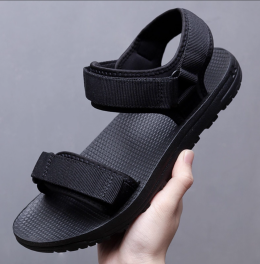
Adult sandals/sandals (single density, about 150g-300g per use)

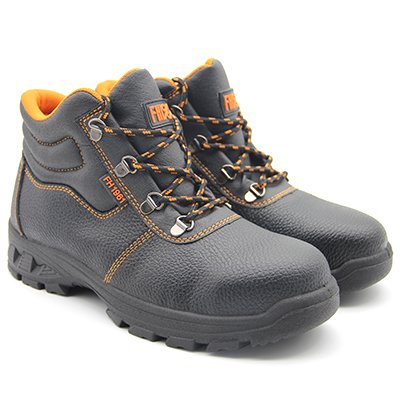
Adult labor shoes (single density one use is about 300g–500g)

Measurement accuracy: ±0.5%

10343IN2 1
流水线2
1

Specific Process

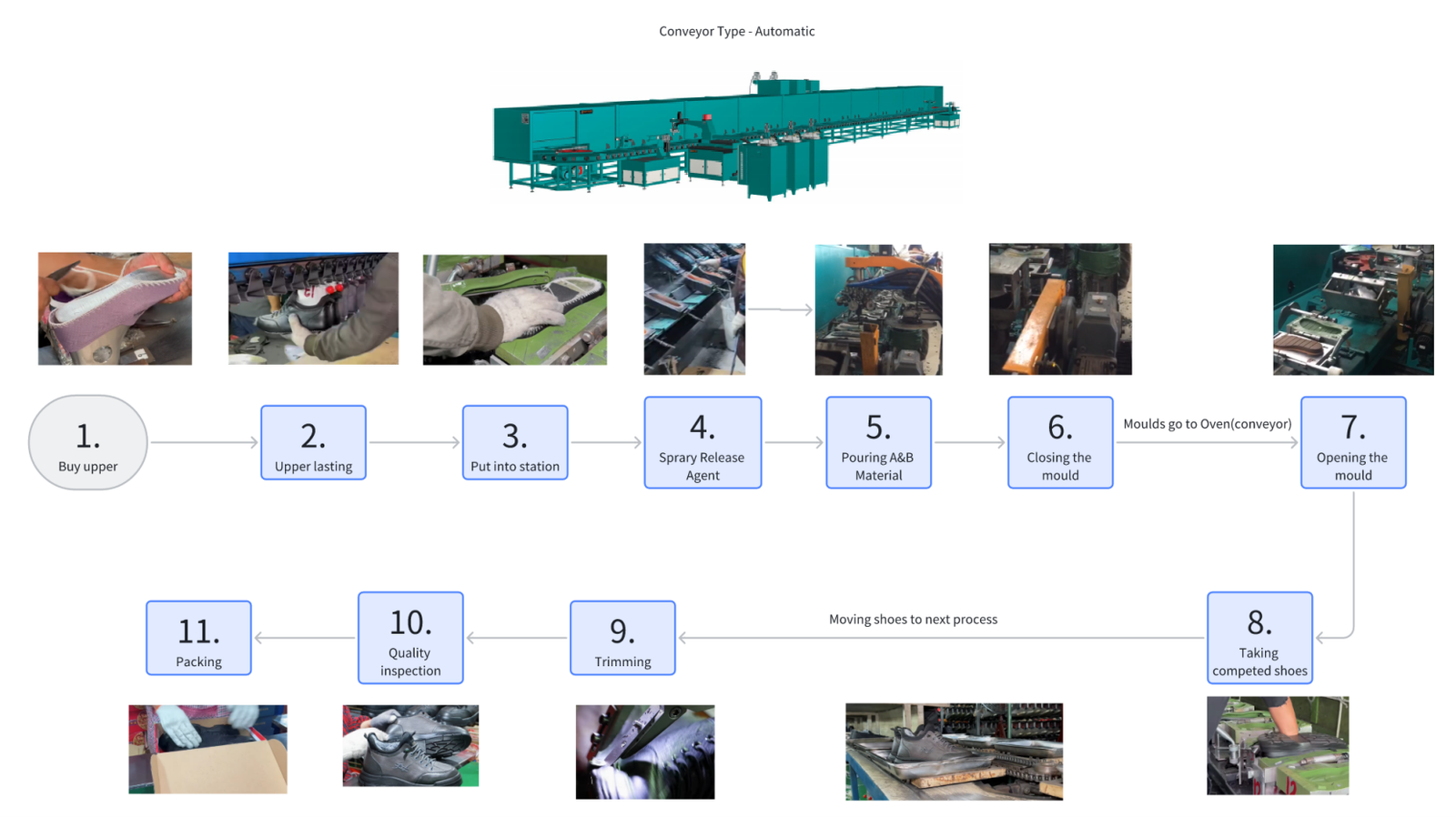
Area detailed introduction Corresponding step diagram
1 Complete step 4 in Figure 1 to spray the mold release agent 编织 固定鞋帮 放入模具
2 Complete step 4 in Figure 1 to spray the mold release agent 喷脱模剂
3 Complete step 5 of the figure 1 pouring machine for one pouring 浇注
4 Complete step 6 in Figure 1 to close the mold 闭模
5 The mold is sent into the oven for shaping screenshot 20260408 155103
6 Complete step 7 in Figure 1 to open the mold 开模
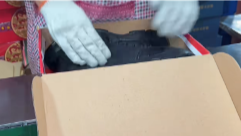
7 Complete step 8 in Figure 1 to take the shoes and send them to the next process. Complete step 9, 10 and 11 in Figure 1 to trim the edges of the shoes, conduct quality inspection and acceptance, and then package them 修边 质检 包装

Equipment List and Unit Price

order number name quantity size Unit price (United States dollars)
1 drying tunnel 1 set Single unit (unit mm)2000×1150×1000
2 Casing machine 2 sets Approximate (unit mm) 1300×1000×1000
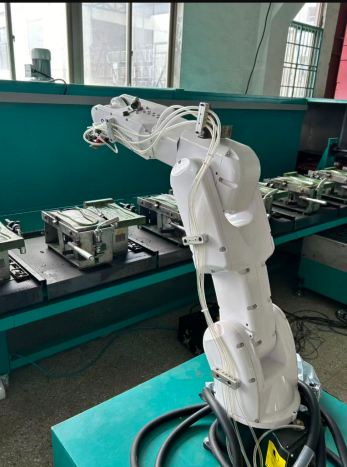
3 Automatic spray demolding agent manipulator (can be replaced by other equipment) 1 set Approximate (unit mm) 750×750×1500
4 air compressor 1 set Approximate (unit mm) 1800×1000×2000
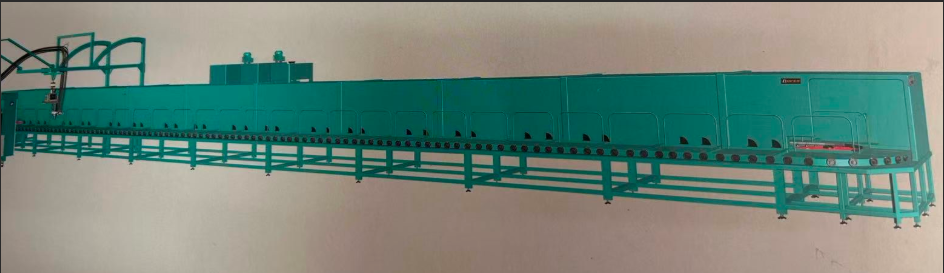
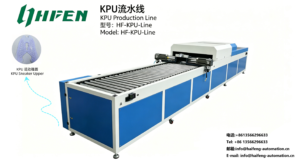
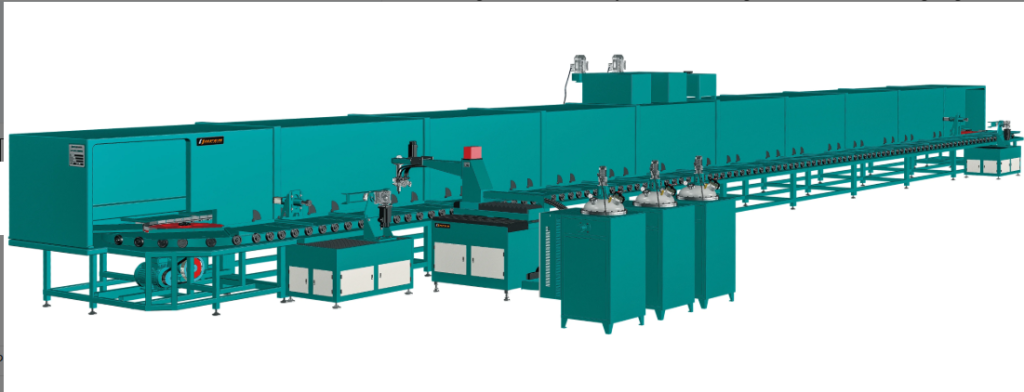
5 60 automatic conveyor lines 1 set Approximate (unit mm) 9000×2000×2200
6 Raw material oven 1 set Approximate (unit mm)1700×1360×2050
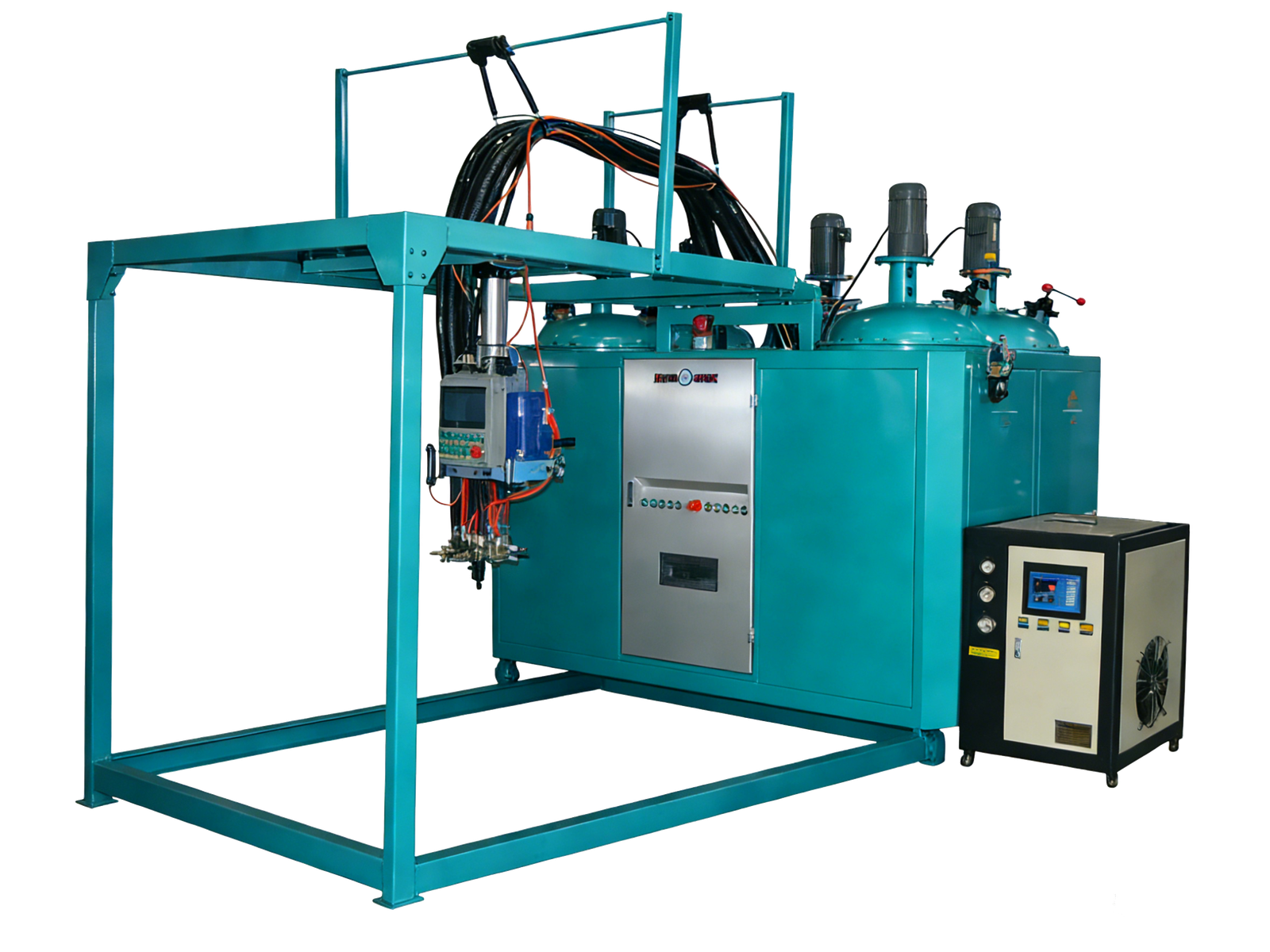
7 casting machine 1 set Approximate (unit mm)2200×1400×2200
8 Demolisher storage tank 1 copy Approximate (unit mm)300×300×1000
9 cooling-water 1 set Approximate (unit mm)900×600×1100 (Note: it will be smaller in reality)
EXW total
Transport: 1 x 40ft container
Note: Optional spare parts and consumables (e.g. seals, filters) can be provided as required.

Technical parameters

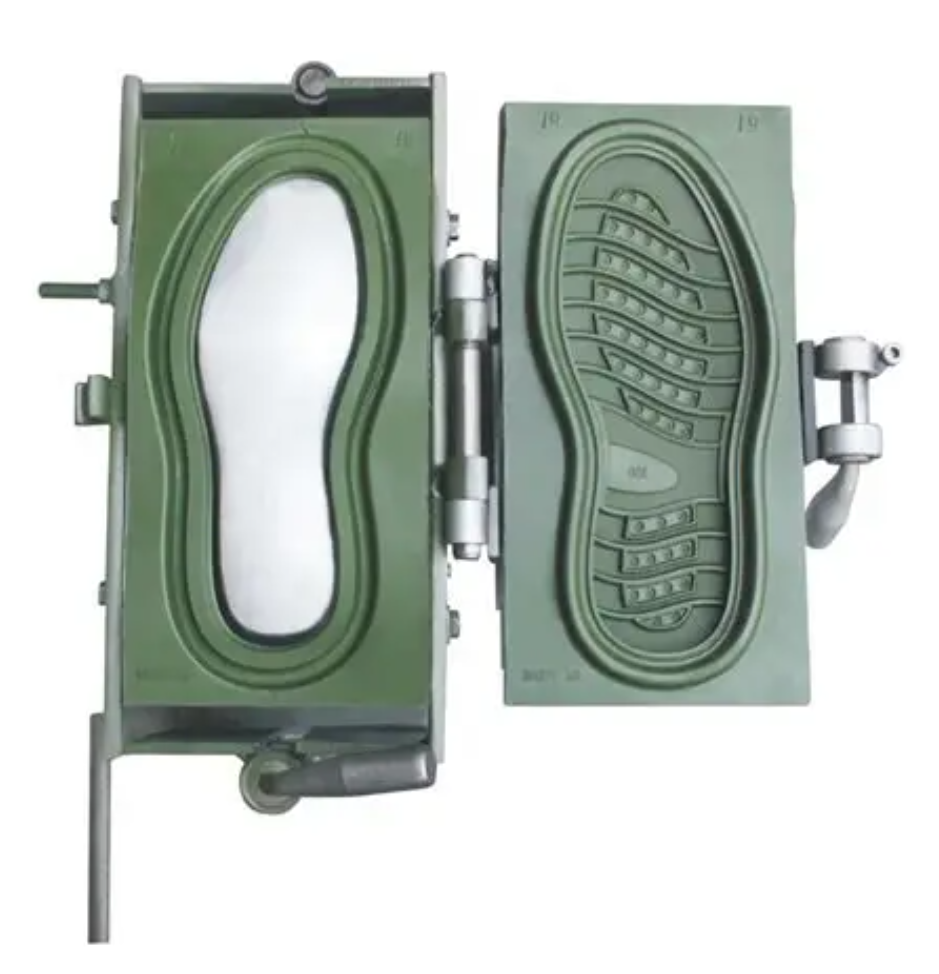
Moulding
Function: First choose the mold to make the product
Raw materials: aluminum alloy, Cr12MoV alloy tool steel
Beach shoes/ sandals mould
The mold length is about 220-280mm
Width about 80-95mm Thickness about 15-30mm
沙滩鞋模具
Labour protection shoe moulds
The mold length is about 250-350mm
Width about 90-110mm Thickness about 40-60mm
模具
Raw material oven system
Function: Raw material oven preheating and drying AB material
Model: XHG×3-2.5, volume m³: 2.5
Temperature set range: 90℃
Temperature control mode: automatic
Rated voltage V: 380
Overall power KW: 6.55
1 scaled
Release agent spraying system
Function: automatically open the mold
Material: Stainless steel/iron
Electrical cabinet: one PLC, two servo relays and three sensors
Motor: AC servo motor
Rated torque: 5.39
Rated voltage V: 380
Power KW: 2
kbmj
Automatic opening and closing mold system
Function: automatically spray release agent at
the beginning of the mold cycle
Model: SD7/900, brand: Xintida, working range: 912MM
Electrical cabinet: one PLC, two servo relays and three sensors
Load capacity: 7KG, weight: 35KG
Power KW: 1 (depending on the mechanical hand required)
图片1 1
Automatic opening and closing mold system
Function: the pouring machine is poured
according to the formula (single density
pouring and double density pouring are realized)
Maximum instantaneous flow: 70g/s, rated voltage V: 380
Measurement accuracy: ±0.5%, power phase number: 3
Measuring pump speed adjustment range, RPM: 30-150
Hybrid head speed, RPM: 8600±150
Rated power supply frequency, Hz: 50
Servo motor is used with planetary reducer
Electrical cabinet: Electrical control system
Cylinder material: stainless steel, cylinder capacity: 120-220
(can be customized according to customer demand)
Power of a single machine: 20.55KW (continuous power supply is required)
10
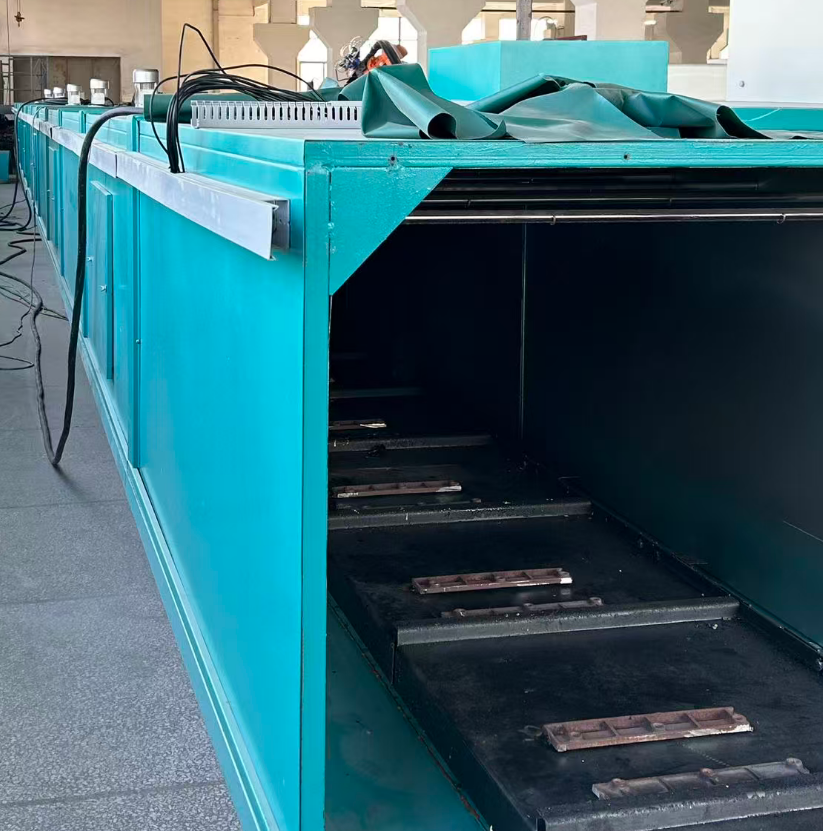
Drying system
Function: enter the raw material oven at a
uniform speed for maturation and shaping
Finally: 1. Single density production (open mold sampling)
2. Double density production (open mold, second pouring,
close mold, maturation, open mold, sampling)
Baking material: the outer layer is iron,
the inner layer is stainless steel
Three asynchronous motors: YE3-80M1-4 model,
power KW: 0.55, rated voltage: 380V
Heating system; infrared lamp tube is used
No.7 oven diameter (900×650mm)
(Note: the quantity and size
can be selected according to the mold situation)
screenshot 20260408 155103
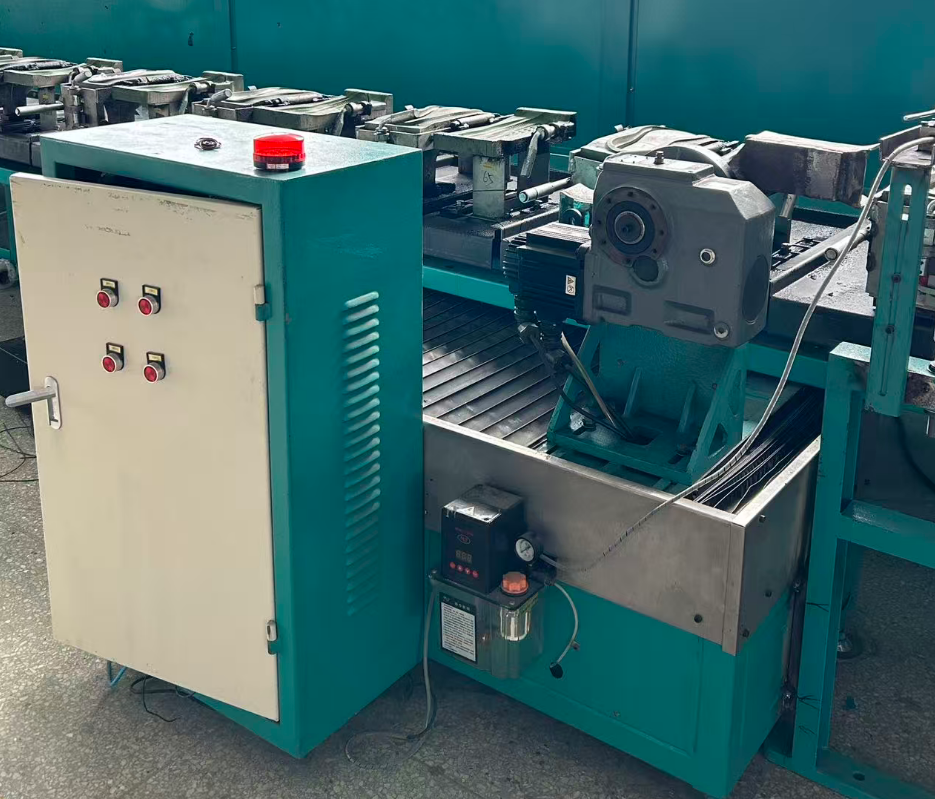
60 automatic conveyor lines
Function: carry the mold uniform speed cycle operation
External dimensions: The total length is about 19 meters
Gear reducer: Model KCW97RC67-F-543-240914K,
transmission ratio i: 543 Brand: Hui Xin
Total power of pipeline KW: 45-55
screenshot 20251025 092528
refrigeration system
Function: used for cooling the pouring head and
mixing chamber
Brand: KINGFIT, Model: QLB6FC/UU
Nominal cooling capacity KW: 6.02
Power KW:1.91KW
Rated voltage/V: 220
Number of pairs: 1
Frequency/Hz: 50
Refrigerant: R22 1.2kg
Energy efficiency ratio: 3.2
图片2
Air compressor system
Function: Cleaning and valve control provide
power and cooling source for pneumatic
system and pouring head cooling
(Continuous power supply required)
Brand: Deslan, model specification: DSR-30A
Motor power: 22KW
Rated/maximum exhaust capacity 1.0Mpa
Exhaust volume: 3.2 cubic meters per minute
图片3
Production and production efficiency
production pattern Single density mode (sandals/flip-flops)
Average time of circulation About 6 minutes
Class output (8 hours) ≈ 2400 pairs (about 720kg--1440kg of raw materials are needed)
Daily production (16 hours) ≈ 4800 pairs (the raw material needs about 1440kg--2880kg)
Annual yield (300 days) ≈ 1440,000 pairs (raw materials are about 432t--864t)
production pattern Single-density mode (labor protection shoes)
Average time for circulation About 9 minutes
Class output (8 hours) ≈ 1600 pairs (the raw material needs about 960kg--1600kg)
Daily production (16 hours) ≈ 3200 pairs (about 1920kg--3200kg of raw materials are needed)
Annual yield (300 days) ≈ 960000 pairs (about 576t--960t of raw materials are required)
Working conditions
project ask
Workshop requirements Flat ground (area about 25m×5m), power supply, compressed air, cooling water, ventilation
Temperature and humidity ≤40℃, no condensation environment
source 3×380V±5%,50Hz, reliable grounding
compressed air 0.7-0.8 MPa, dry oil free
cooling water Clean, low mineral content, maximum inlet temperature 15℃
operation staff 4-5 trained operators (including pouring control, sampling, shoe removal, trimming, cleaning and spraying off the mold)
Energy consumption
project numeric value
Installed power KW The power of the pipeline is about 45-55, and other pouring systems (about 25-30) have a total power of about 70-85
compressed air 0.6-0.8 MPa, about 0.6 m3 / min
cooling water About 6 m3 / h, ≤15℃

Full-Process Automated Production System

ScreenShot 2026 01 13 211445 096

Integrated production line

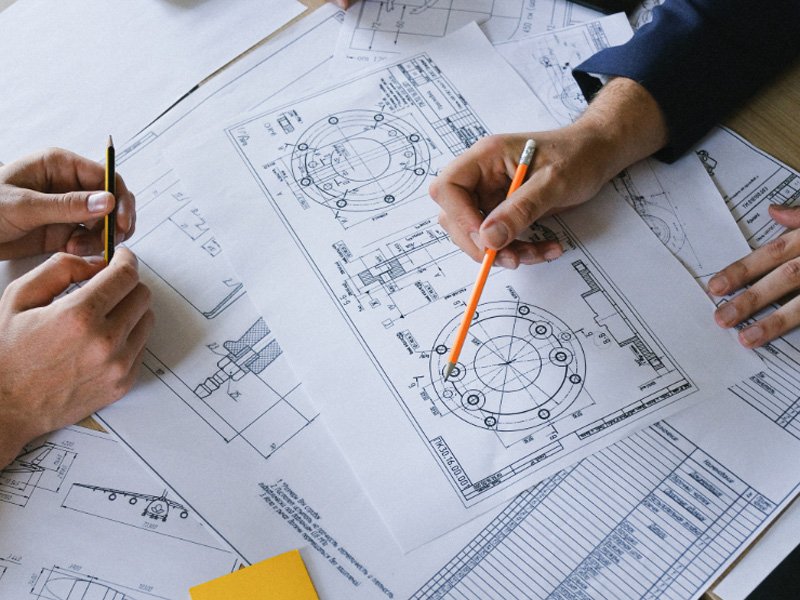
Provide customized complete production lines covering all processes from raw material pretreatment to intelligent sorting. Core equipment adopts Haifeng's independently developed imported configuration, ensuring material mixing uniformity ≥98% and stable and reliable operation.
11

Customized adaptation

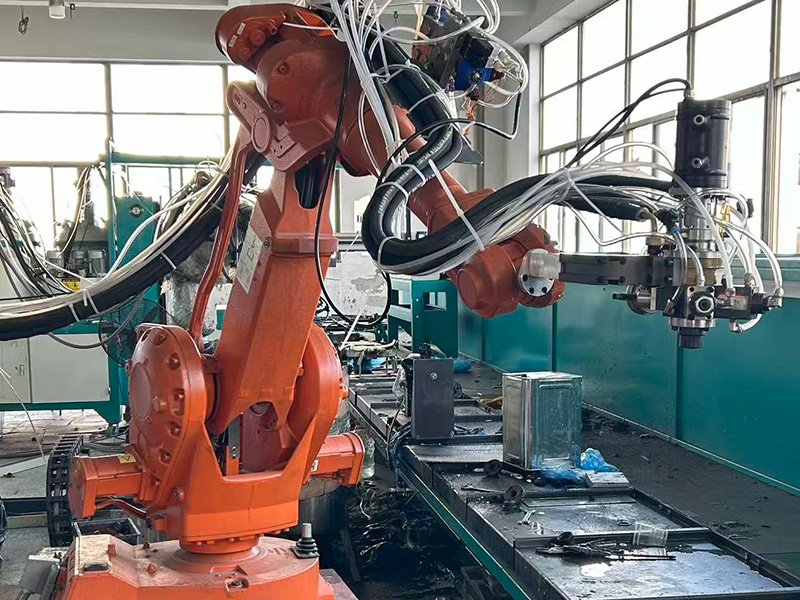
Rely on the CAD modeling and 3D printing capabilities of the Mechanical Design Research Institute to quickly produce customized molds and non-standard components, shortening the R&D cycle of new styles to 7-10 days.
8 1

Existing equipment transformation

Install Haifeng's intelligent temperature control, precision proportioning, and automated conveying modules to realize the transformation from solvent-based to solvent-free/water-based processes, reducing labor and raw material losses.
Comprehensive Quality Verification and Compliance Assurance

14

Intelligent quality inspection

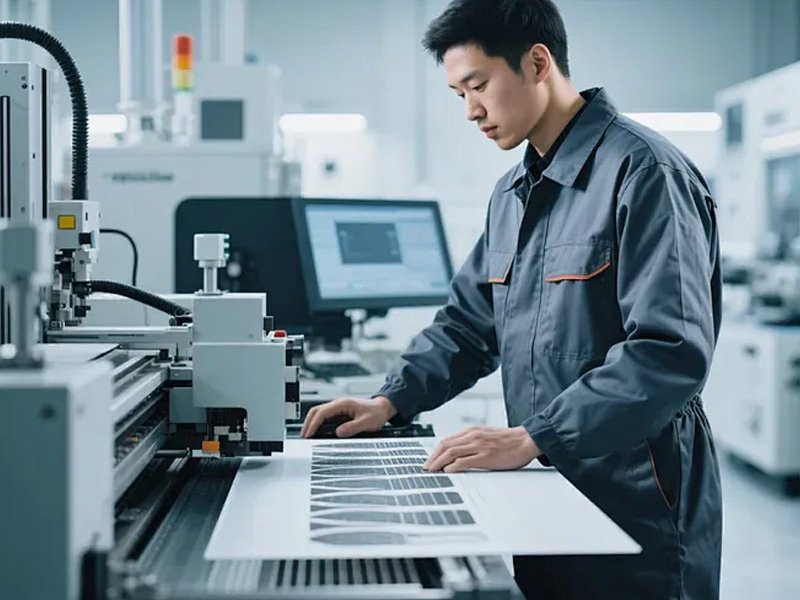
Equip Haifeng's independently developed integrated testing equipment, covering thickness, defect, bonding strength, and key performance tests. With an efficiency of ≥50 pairs per minute, defective products are automatically sorted out.

15

Real-time control

Adopt Haifeng's intelligent production control system to dynamically adjust parameters, controlling the defect rate at 2-3%; integrate environmental monitoring modules to achieve near-zero VOC emissions.
16

Certification support

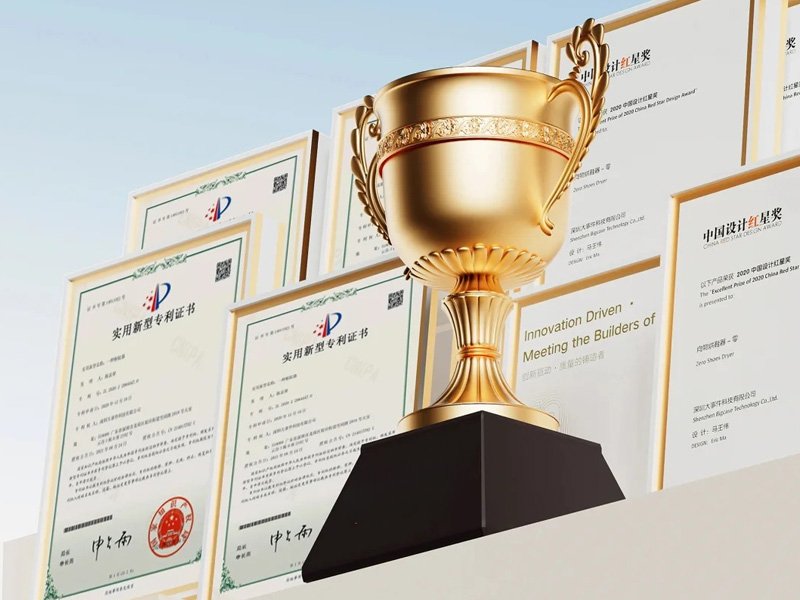
Cooperate with authoritative testing institutions to assist in completing multi-standard certifications, providing technical parameters and sample support to help obtain CE and LA certifications and break through high-end market barriers.

Solution Value and Effects

Dimension Traditional Process Haifeng Automation Solution Improvement Effects
Compliance Rate of Protective Performance Below 85% Above 99% Meet national/international standards and eliminate safety hazards
Defect Rate 10-15% 2-3% Reduce by over 75% and minimize rework losses
Raw Material Waste Rate ≥15% ≤5% Reduce by 67%, saving over 300,000 yuan in raw material costs per line annually
Labor Requirement 8-10 people/line 2-3 people/line Reduce by 75% and lower the risk of operational errors
VOC Emissions Excessive Near zero Achieve environmental compliance and obtain international certifications
R&D Cycle 30-45 days 7-15 days Shorten by over 60% for rapid market response

Implementation Process

Demand Research

Technical team conducts on-site investigations to formulate personalized solutions.

Formula and Process Design

Complete customization and feasibility verification relying on the R&D Center.

Equipment Customization/Transformation and Commissioning

Factory completes production, with engineers conducting on-site installation and commissioning.

Small-Batch Trial Production

Technical team tracks and optimizes parameters.

On-Site Installation and Mass Production

Implement the production line and start mass production, providing technical guidance.

Quality Inspection and Certification Support

Assist in completing testing and certification applications.

After-Sales Operation and Maintenance

Provide maintenance and upgrading services relying on the national service network.

RELATED PRODUCTS

RELATED NEWS

CONTACT US

To find out more about our products and solutions,please fill out the form below and one of our experts will get back to you shortly.