








Cold Room Panel & Insulation Panel Production Line Selection Guide: Differences, Pitfalls & Logic
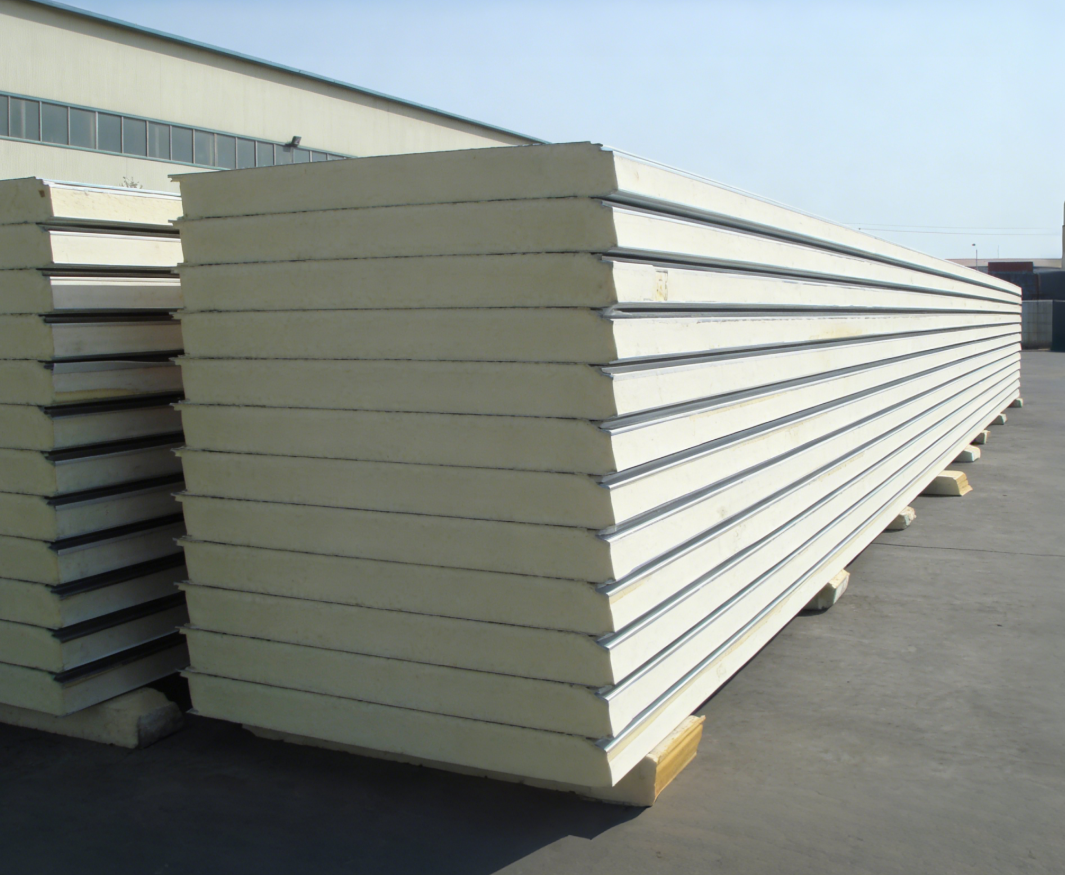
1. Core Differences: Cold Room Panel Line vs Standard Insulation Panel Line
The technical requirements are completely different, directly determining equipment configuration, and they are absolutely not universal:
| Technical Dimension | Cold Room Panel Specialized Line (CSP) | Standard Building Insulation Panel Line (GIB) |
|---|---|---|
| Core Performance Index | Thermal insulation & structural strength, closed cell rate ≥95%, no thermal bridge | Production efficiency & fire resistance, high capacity, low cost |
| Standard Panel Thickness | 100mm~200mm+ thick, -30℃~+30℃ extreme temperature | 30mm~100mm standard, roofing, wall, general HVAC |
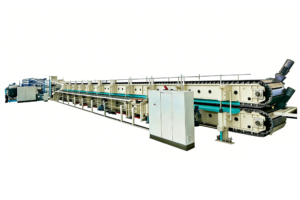
| Double Belt Press | Heavy duty extended 24m~36m, multi-zone precise heating | High speed traction 18m~24m, 15~20m/min continuous production |
| Metering & Mixing | Full closed-loop mass flow control, high pressure impingement mixing | High speed servo metering, fast PUR/PIR formula switching |
| Curing Control | Extended curing & stress release, slow cooling + preheating | Fast curing, high speed cutting & automatic stacking |
| Surface Treatment | Corona/plasma treatment + preheating for permanent adhesion | Thin steel/aluminum foil, standard surface treatment |
2. Four Common Technical Pitfalls in Line Selection
Most equipment suppliers only report basic parameters, will not tell you these hidden pitfalls, which will cause full batch scrap if encountered:
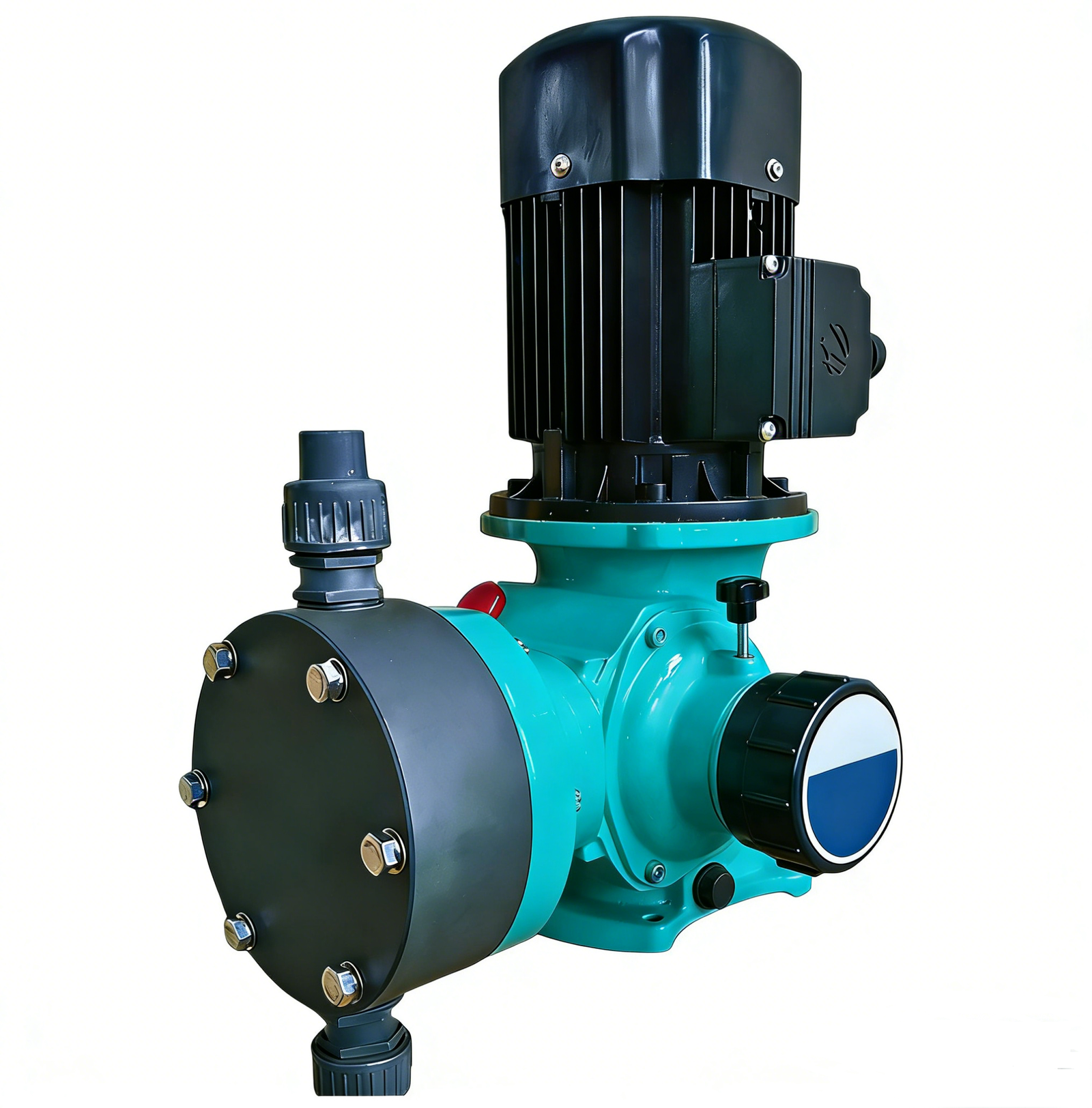
Pitfall 1: No mass flow closed-loop for metering system
Root Cause: Suppliers' "closed-loop" only controls pump speed, no real-time mass flow feedback. Raw material temperature and viscosity change with seasons, actual output deviates quietly, density becomes unstable.
✅ Qualified Standard: Integrated pressure compensation + mass flow feedback, density deviation ≤±1.5% even with 10℃ ambient fluctuation.
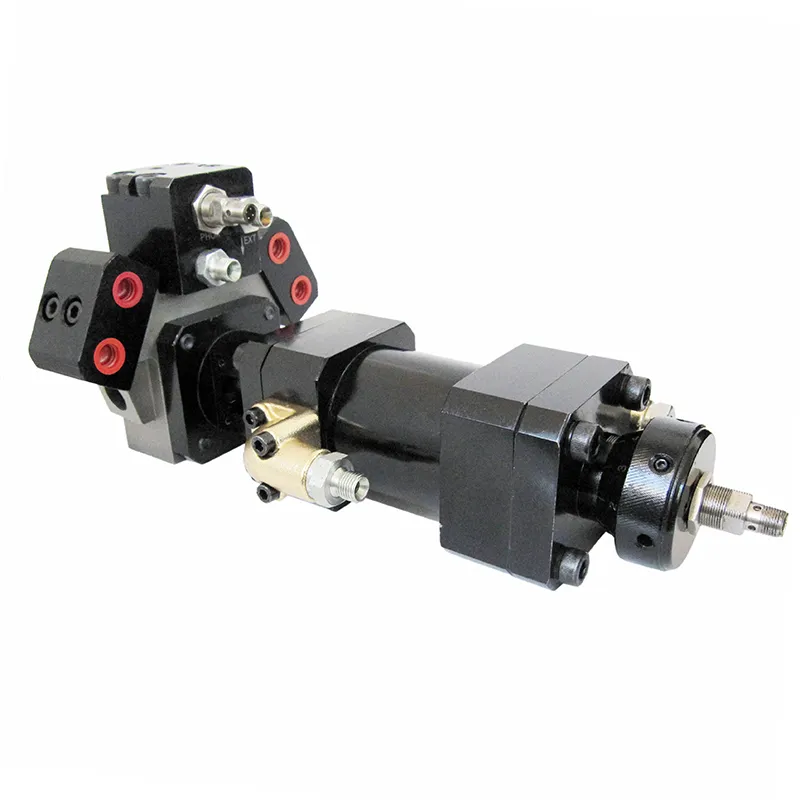
Pitfall 2: Unreasonable mix head flow channel design
Root Cause: Unstable mixing pressure and poor flow channel design cause foam streaks and air entrapment, closed cell rate cannot reach 95%. Thermal insulation performance is completely invalid, panels absorb water and fail after years.
✅ Qualified Standard: Instant molecular level uniform mixing, stable closed cell rate ≥95%, core barrier for moisture and thermal resistance.
Pitfall 3: Insufficient double belt press stroke
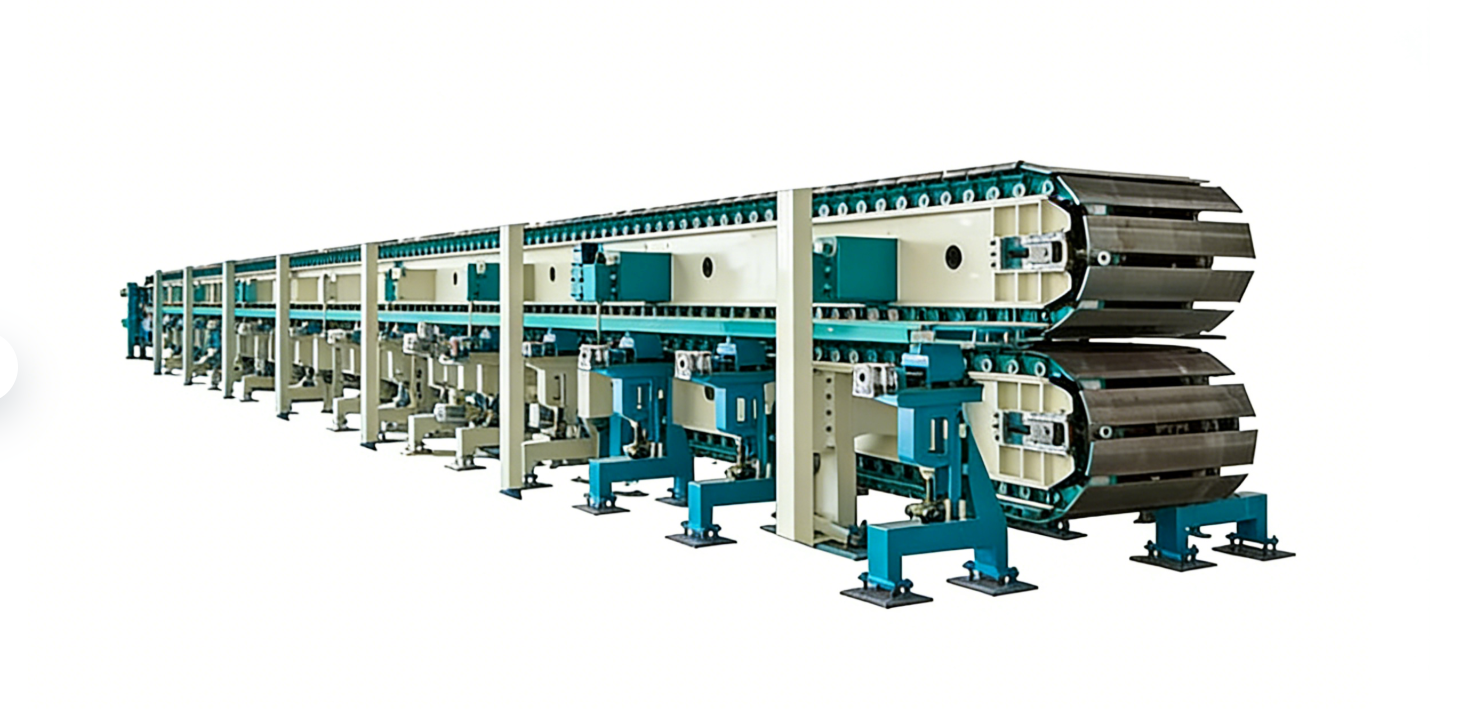
Root Cause: Short double belts modified from standard insulation lines. Foaming is not fully cured before exiting the press, internal stress is not released, panels gradually warp after a few days.
✅ Qualified Standard: Multi-stage pressure adjustment + full line synchronization, dimensionally stable panels, no warping, no delamination.
Pitfall 4: No full process data traceability
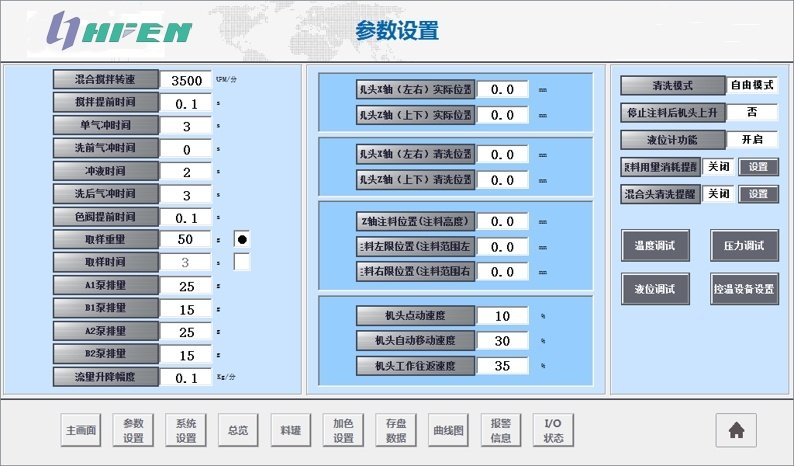
Root Cause: No pressure, temperature and ratio curve records. Batch defects are often found after customer installation, no way to find root cause, no preventive maintenance can be done.
✅ Qualified Standard: Full record of all production parameter curves, full process quality traceability + preventive maintenance.
3. Correct Production Line Selection Logic
Selecting PU sandwich panel lines should never only compare price and parameters, but reverse derive configuration from polyurethane foaming chemical reaction characteristics:
PU foaming is an exothermic reaction, reaction rate is affected by temperature, pressure and ratio accuracy. The faster the production speed, the narrower the reaction window. If double belt length and curing speed do not match the gel time of raw materials, density gradient and poor adhesion will inevitably occur.
Professional selection must follow four steps:
- Material Analysis: Confirm target product density, reaction curve and thermal conductivity index first
- Process Simulation: Calculate required belt length, pouring flow rate and pressing pressure parameters
- Equipment Matching: Select specific configurations of metering pump, mixing module, temperature control circuit
- Full Line Integration: Fully link control system with downstream cutting, stacking and packaging modules
Frequently Asked Questions
Q1: Can we modify standard insulation lines to produce cold room panels?
Q2: Can cold room specialized lines produce standard insulation panels?
Q3: Can the same line produce both PUR and PIR systems?
Q4: How long to stabilize yield for a new cold room panel line?
Q5: What is the core quality index for cold room panels?
Conclusion
The core value of cold room and insulation panel production lines is never "able to foam", but absorb all variables — no matter ambient temperature or raw material viscosity changes, ratio, temperature and pressure can maintain stable closed-loop coordination.
The scrap rate and customer compensation cost of low-end equipment are far more than the money saved on purchasing.
Cold Room & Insulation Panel Line Customization & Upgrading
Haifeng Polyurethane Machinery provides one-stop turnkey services from equipment manufacturing to on-site process optimization. Contact us for a free production line configuration solution