








Automotive Interior PU Leather Types & Industry Development Trend Guide
1 Three Categories PU Leather Parameter Comparison Table
| Categoría | Core Craft | Key Environmental Index | Typical Mechanical Property | Application Position | Cost Level |
|---|---|---|---|---|---|
| Dry PU | Coating on base cloth, pre-foam forming | Medium VOC, no DMF | Abrasion ≥300 cycles ISO17075 | Armrest, side bolster | Low |
| Traditional Wet PU | DMF solvent phase inversion | High VOC, DMF residue risk | Abrasion≥800 cycles, excellent moisture permeability | Full seat, door panel | Mid |
| Waterborne/Wet-Free-Solvent | Waterborne coagulation / Haptex solvent-free | Zero DMF, ultra-low VOC meet REACH | Abrasion≥1200 cycles, hydrolysis resistant | Premium seat, luxury interior | High |
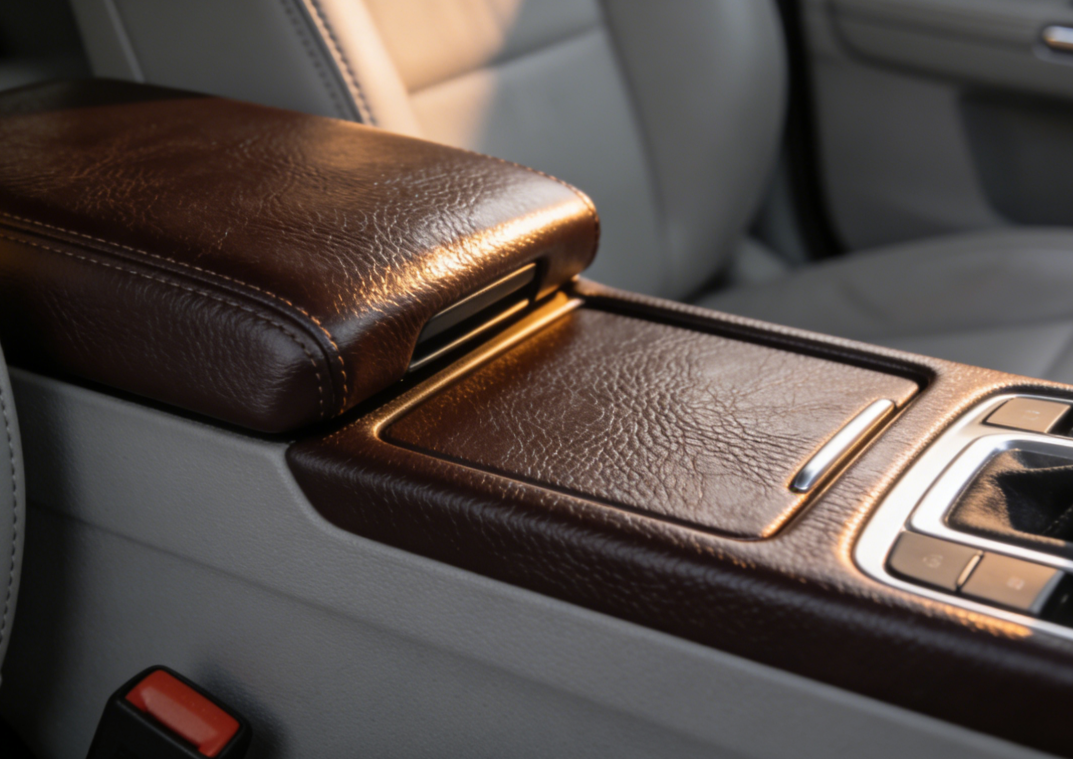
Figure1 Various finished automotive interior PU leather
2 Core Raw Material Technology & Brand Scheme
- Covestro INSQIN Waterborne PU: Save95% water consumption, carbon footprint down45%, widely used in European mid-high end vehicle;
- BASF Haptex Zero-Solvent PU: Complete solvent-free production, VOC<30μg/m³ conform to global vehicle interior standard GB/T27630;
- Conventional solvent wet PU: Gradually phased out in EU due to DMF limit regulation.
3 OEM Vehicle Practical Application Cases
BMW SensaTec dry modified PU
Standard configuration for X1/X3/3/5/iX series, fully REACH compliant, abandon partial genuine leather;
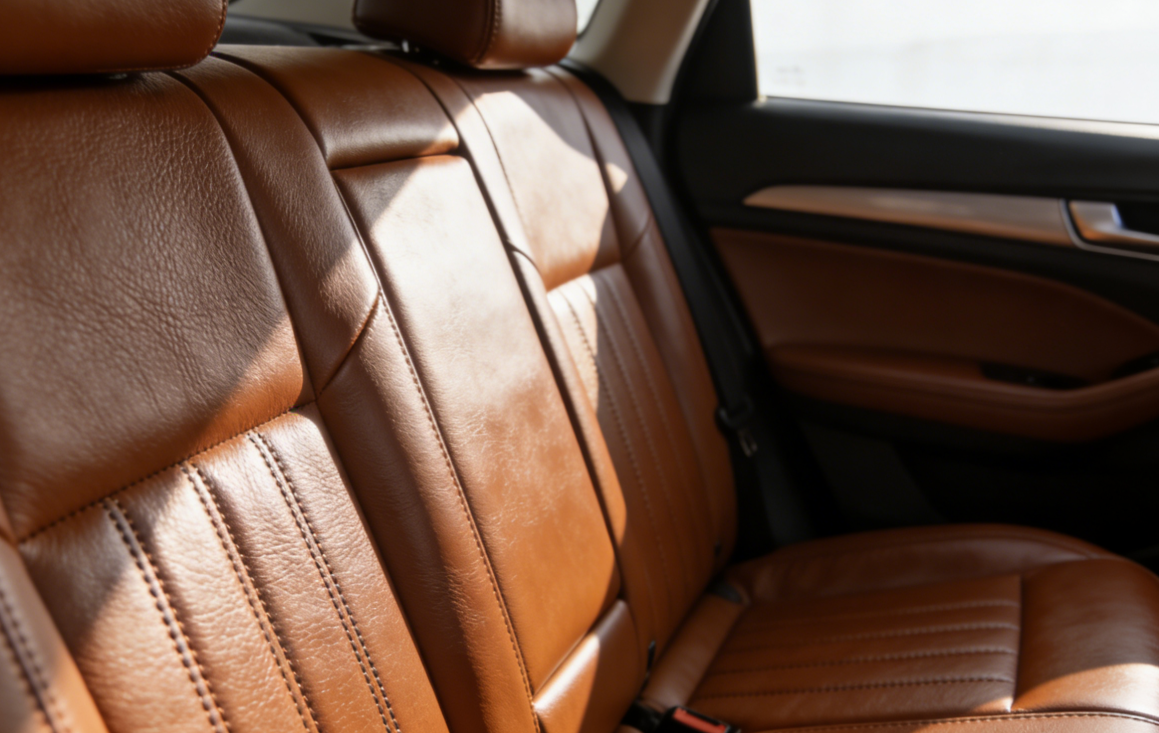
Figure2 BMW car interior PU leather application
Volvo C40 Bio-Based PU Interior
All interior adopt bio-based modified PU (34% bio-carbon from Covestro), zero animal leather, target 25% recycled material by 2025;
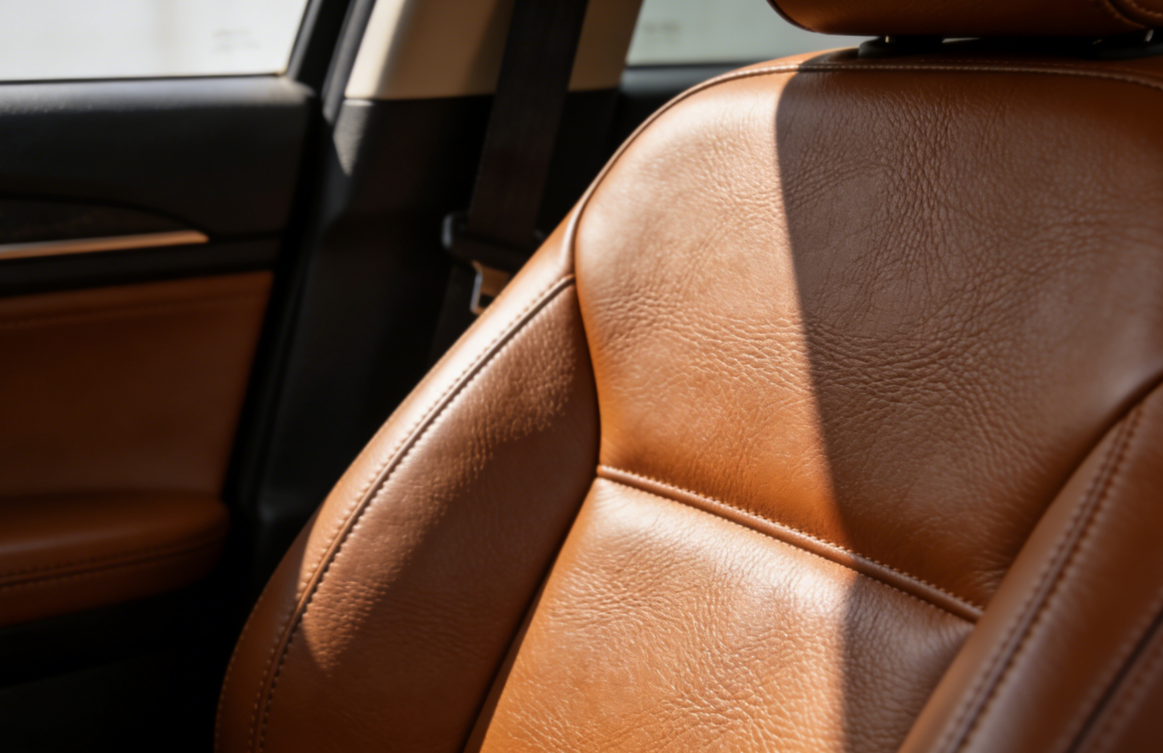
Figure3 Volvo full eco PU interior
Lexus NuLuxe Synthetic Leather
VOC reduction 65% vs natural leather, zero phthalate for all passenger vehicles.
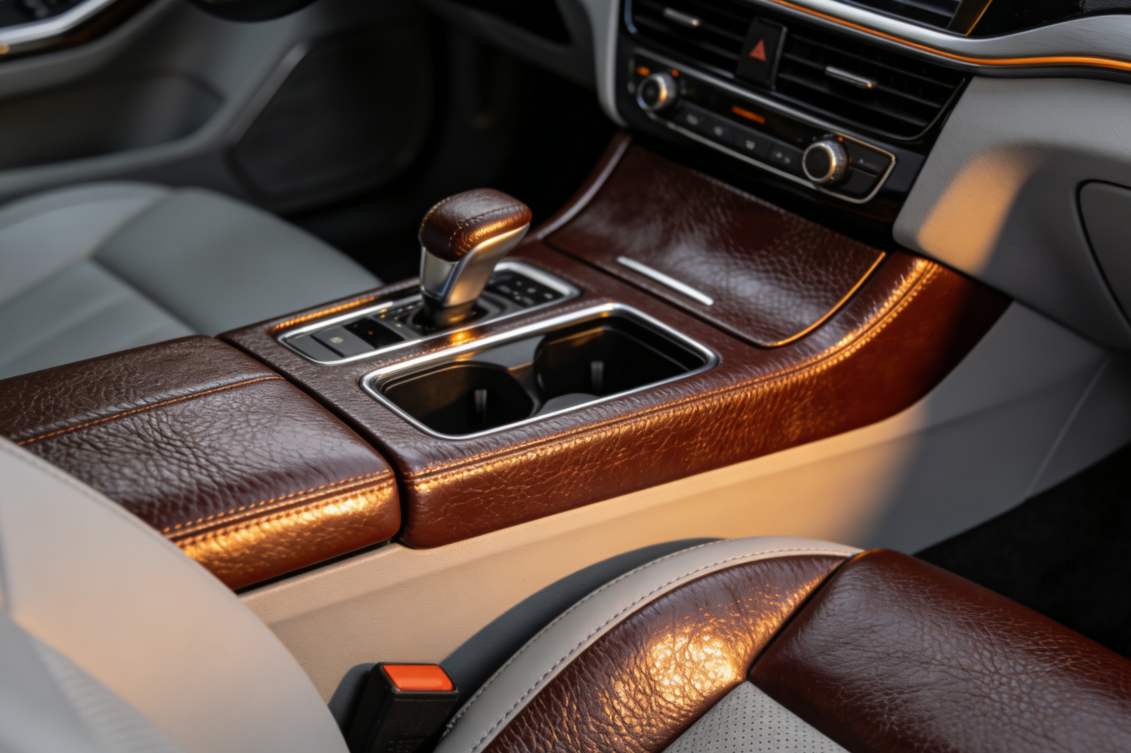
Figure4 Lexus NuLuxe PU finished interior
4 Global Industry Sustainable Development Trend
- Regulation-driven: REACH phthalate ban + China GB/T27630 push solvent PU elimination, zero-solvent & waterborne become mainstream;
- Raw material upgrade: Bio-based PU dispersion (34% renewable content) commercialized and batch loaded by global tier1 suppliers;
- Market replacement: PVC annual replacement ratio up 8~12% year by year, high-end car leather-free penetration over35%.
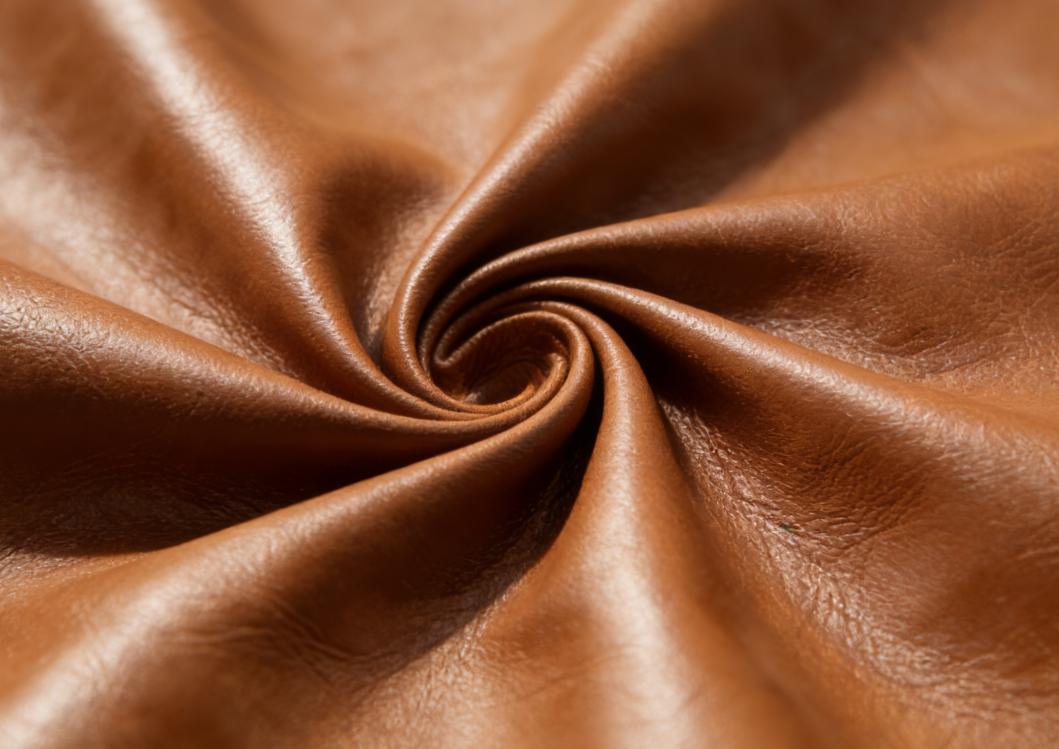
Figure5 New energy vehicle environmental PU interior
5 Frequently Asked Questions
Q1 What’s core difference between zero-solvent and common wet PU?
Q2 Can dry PU be used on full car seat?
Conclusión
Driven by environmental laws and new energy vehicle upgrading, waterborne & zero-solvent PU will occupy over60% auto interior leather market by 2030. Material suppliers optimize formula to balance cost and environmental compliance.
Custom PU Leather Production Solution
Free process consultation and equipment quotation available.
Free Consult