












Haifeng - Solución total para máquinas inteligentes de fundición de neumáticos de bicicleta
Antecedentes del cliente
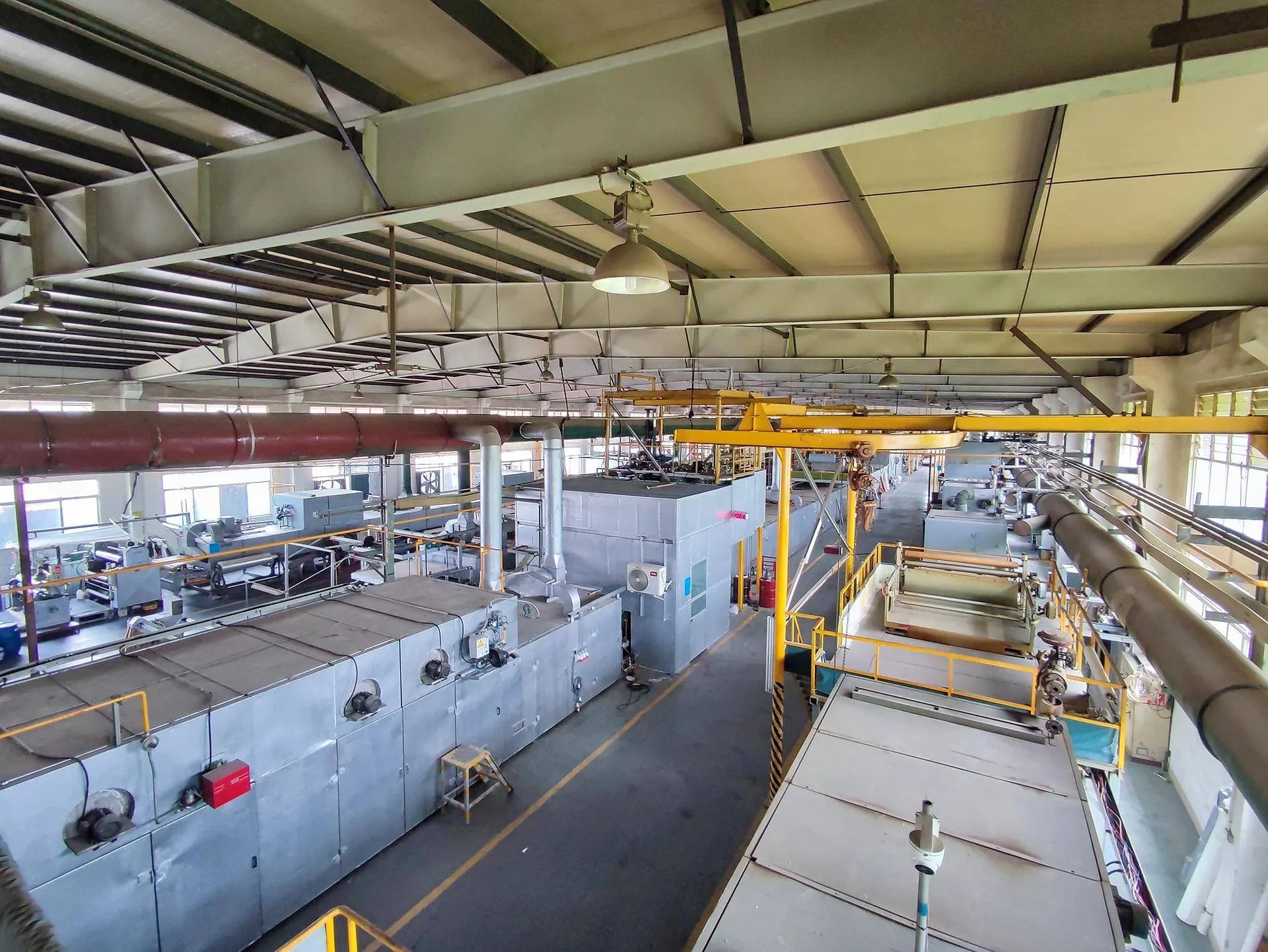
Jiangxi Songji Sports Technology Co., Ltd. is a leading domestic bicycle tire manufacturer specializing in the R&D, production, and sales of bicycle tires. The company mainly adopts centrifugal molding technology to produce a full range of bicycle tires, including products for bicycles, wheelchairs, and electric assist bicycles, serving dozens of well-known bicycle brands and complete vehicle manufacturers at home and abroad.
With an annual production capacity of 7.5 million bicycle tires and 4 traditional centrifugal tire production lines, the company has gained high brand awareness and a stable market share in the domestic and international bicycle tire markets through high-quality products. With the rapid development of the electric assist bicycle industry, the customer urgently needs to upgrade the casting equipment in existing production lines to solve problems such as insufficient collaboration between traditional casting machines and centrifuges, and poor casting precision, thereby meeting the higher requirements for molding precision, structural stability, and production efficiency of high-end electric assist bicycle tires.
Resumen del proyecto
The global bicycle industry is developing rapidly towards lightweight and high-performance. Bicycle tires are core components ensuring riding safety, and the precision and efficiency of production processes directly affect an enterprise’s market competitiveness. Centrifugal molding is the mainstream production process for tires of high-end bicycles and electric assist bicycles. As a key equipment in the centrifugal molding process, the casting machine is responsible for precise rubber casting and collaborative matching with centrifugal rhythm. Its performance directly determines tire wall thickness uniformity, compactness, and final product quality.
Currently, casting machines in traditional bicycle centrifugal molding production lines face numerous issues: insufficient casting precision, poor coordination with centrifuges, low automation levels, and lack of effective data management and control. These problems hinder the improvement of overall production efficiency and product quality, failing to meet the strict quality requirements for tires of high-end bicycles and electric assist bicycles.
Addressing these key pain points, Haifeng focuses on the intelligent upgrading of casting machines, developing a total solution for intelligent casting machines integrating precise casting control, casting-centrifuge collaboration, automation upgrading, and closed-loop data management. This solution helps customers transform from traditional semi-automatic casting to fully automated, data-driven casting, while optimizing the entire centrifugal molding process, achieving comprehensive improvements in production efficiency and product quality.
Principales puntos débiles de los clientes
01
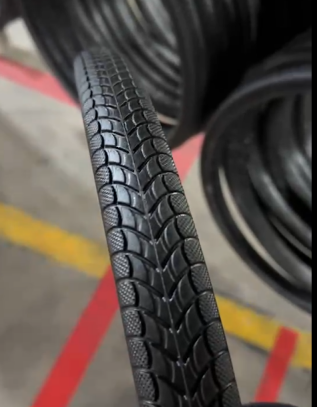
Unstable Casting Precision and Insufficient Collaboration
Semi-automatic casting machines in traditional production lines rely on manual control of casting volume and speed, which easily leads to uneven rubber distribution, unsynchronized casting, and excessive proportional deviations. This further results in uneven tire wall thickness, significant differences in compactness, and low yield rates, seriously affecting product competitiveness and enterprise profits.
02
Low Automation Level and Limited Production Efficiency
Existing casting machines require manual operations such as casting, manual parameter adjustment, and start-stop control. Each production line needs to be equipped with 8-10 operators (including casting-related links), resulting in high labor costs. For dual-density tires, the casting volume difference between inner and outer tires is large. Manual operations are slow and labor-intensive, failing to keep up with the high-speed rotation rhythm of centrifuges, leading to longer overall molding cycles and increased cleaning times. The hourly output of a single device is only 450 units, making it difficult to meet the needs of large-scale production. In addition, when switching between tires of different brands, the swing position of the casting machine must be repeatedly adjusted manually, greatly reducing production line utilization.
03
Weak Quality Control and Lack of Data Traceability
During production, key process parameters of the casting machine such as rubber casting volume, casting speed, and casting pressure are not collected in real time, nor can they be managed and controlled in conjunction with parameters such as centrifuge speed and molding temperature. When parameters fluctuate, timely early warning and adjustment cannot be made. Moreover, there is a lack of a complete product data traceability system. Once quality problems such as substandard tire compactness and uneven wall thickness occur, it is difficult to accurately determine whether the problem lies in the casting link or the centrifugal link, resulting in low efficiency of quality rectification.
04
High Energy Consumption Costs and Heavy Operational Burden
Traditional casting machines often suffer from blockages and frequent failures. At the same time, key wearing parts such as casting pumps and nozzles wear quickly due to unstable parameter control, resulting in short maintenance cycles and high annual maintenance costs, which undoubtedly increases the operational burden on enterprises.
Soluciones Haifeng
01
Precision Casting and Centrifugal Collaborative Control
Customized intelligent casting machines for centrifugal molding processes are equipped with a servo closed-loop control system, integrating high-precision flow metering pumps, pressure sensors and speed linkage modules to accurately control the casting volume (accuracy ±1g), casting speed (adjustment accuracy ±0.1mm/s) and casting pressure. A proprietary linkage algorithm is independently developed to realize dynamic linkage between the casting machine and centrifuge, which can adjust casting parameters in real time according to the centrifuge speed to ensure uniform material distribution and consistent tire wall thickness. A variety of standardized collaborative parameters for different tire models are pre-stored in the equipment and can be configured with one click, ensuring consistent molding precision of multi-batch products and reducing the scrap rate from the source of the process.
02
Full-Process Automation Integration
A full-process automation system adapted to large-scale and multi-variety production needs is built. Diaphragm pump automatic feeding is combined with precise alignment of the casting machine to the casting nozzle, which can replace more than 90% of manual casting and repetitive operations, directly reducing 2-3 operators per production line and significantly cutting labor costs. An intelligent rapid model change module is equipped to deeply cooperate with the centrifuge’s mold change system, automatically storing key production parameters of tire bodies of different specifications. One-click switching and automatic calibration are available during model change without repeated manual debugging, greatly shortening the model change time. With the intelligent casting machine as the core, the entire processes of automatic feeding, casting and centrifugal molding are seamlessly connected without additional manual intervention. The hourly output of a single device can reach 500-550 units, with a production capacity increase of more than 10% compared with traditional equipment.
03
Full-Lifecycle Data Closed-Loop Management and Control
A full-process data management and control system is built based on the industrial internet intelligent management and control platform. With the casting machine as the core data collection node and a multi-dimensional sensor network, more than 10 key process parameters of the casting machine and centrifuge are collected in real time at a frequency of 5ms/time, supporting real-time parameter monitoring and visual display. When parameters in any link fluctuate, the system will automatically issue an early warning and link relevant equipment to complete closed-loop adjustment, giving priority to optimizing the casting machine parameters to avoid quality problems from the source. The entire production process fully records core data such as casting parameters and equipment operating status. In case of quality problems, the root cause in the casting or centrifugal link can be accurately located within minutes, greatly improving the efficiency of quality rectification.
04
Energy Conservation, Consumption Reduction and Intelligent Operation & Maintenance Optimization
The structure of core components such as casting pumps and nozzles of the casting machine is optimized to significantly extend the service life of wearing parts. Combined with standardized on-site equipment maintenance, the overall service life of the equipment can be further improved. Based on the intelligent management and control platform, the operating parameters of the casting machine and the linkage data of the centrifuge are in-depth analyzed to early warn potential equipment failures, effectively avoiding production losses caused by sudden equipment shutdowns. At the same time, the overall failure rate and operating energy consumption of the equipment are reduced to achieve energy conservation and consumption reduction in the production process, helping enterprises cut comprehensive operational costs.
Principales logros de la ejecución del proyecto
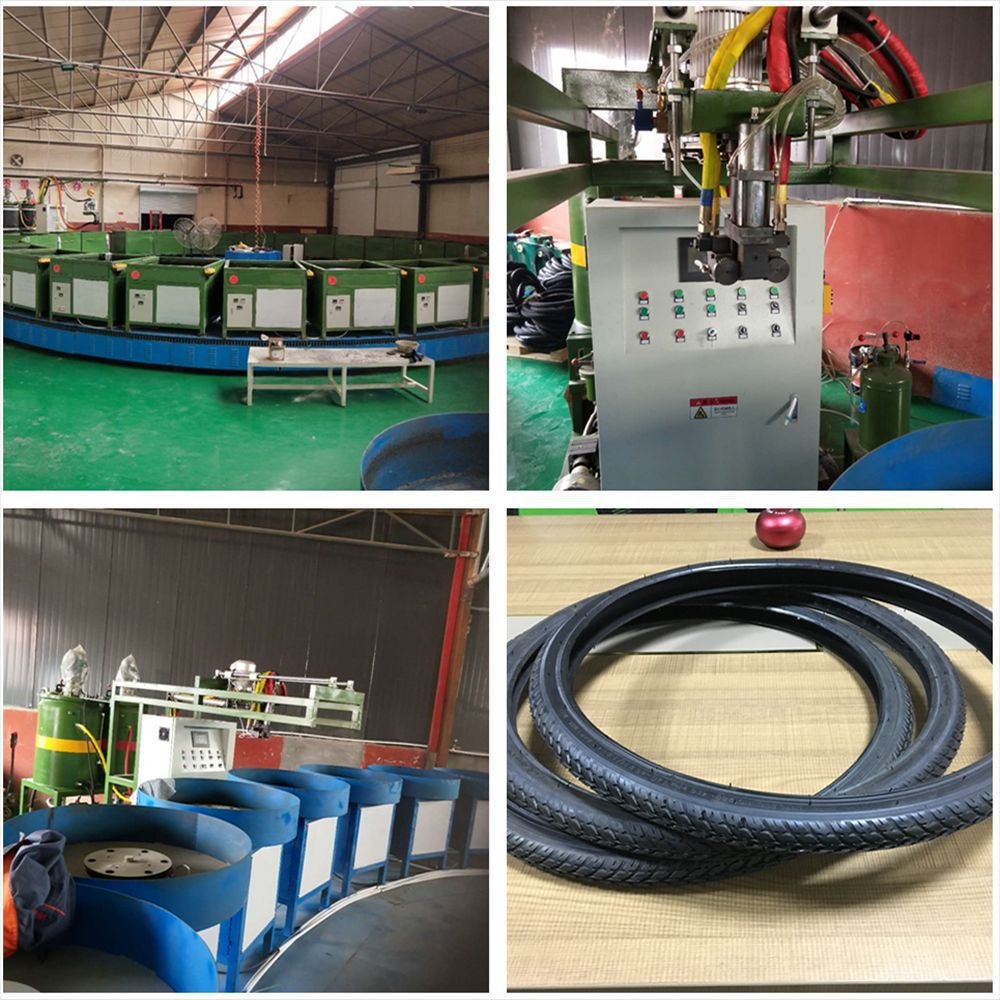
Haifeng Automation completed the upgrading of 4 intelligent tire casting machines and the transformation of the entire production line for the customer, providing one-stop services including equipment installation and commissioning, casting-centrifugation process collaboration optimization, and personnel training. Significant results have been achieved after project implementation, with core benefits as follows:

Qualitative Leap in Product Quality
Through precise control of intelligent casting machines and collaborative optimization with centrifugal processes, the qualified rate of finished tires has reached 99.5%. The product quality has successfully passed the supplier qualification review of leading domestic and foreign bicycle brands, and the sales volume of high-end bicycle tires has increased by 25% year-on-year.
Significant Improvement in Production Efficiency
The hourly output of a single device has increased from 450 units to 500-550 units, and the annual production capacity of 4 production lines has increased by approximately 500,000 units. The number of operators per production line can be reduced from 8-10 to 5-7, and the 4 production lines can save about 1 million yuan in labor costs annually.

Significant Reduction in Operational Costs
After optimizing the circuit of casting machines, the total energy consumption has decreased significantly. The maintenance cycle of casting machines and related equipment has been extended by 2 times, and the annual maintenance cost has been reduced by 50%. After automatic casting, the number of cleanings has been greatly reduced. Each production line can reduce cleaning by about 190 times per day, significantly reducing the usage of cleaning agents and further lowering operational costs.
Comprehensive Upgrade of Intelligent Management and Control Level
Achieved full-process automated and data-driven management and control of bicycle tire production with casting machines as the core. The time for locating quality problems has been shortened from several hours to 3 minutes, and production management efficiency has been improved by 85%. Through predictive maintenance, the sudden equipment shutdown rate has been reduced by 95%, and production line stability has been significantly improved, laying a solid foundation for enterprises to produce bicycle tires on a large scale and at a high-end level.


