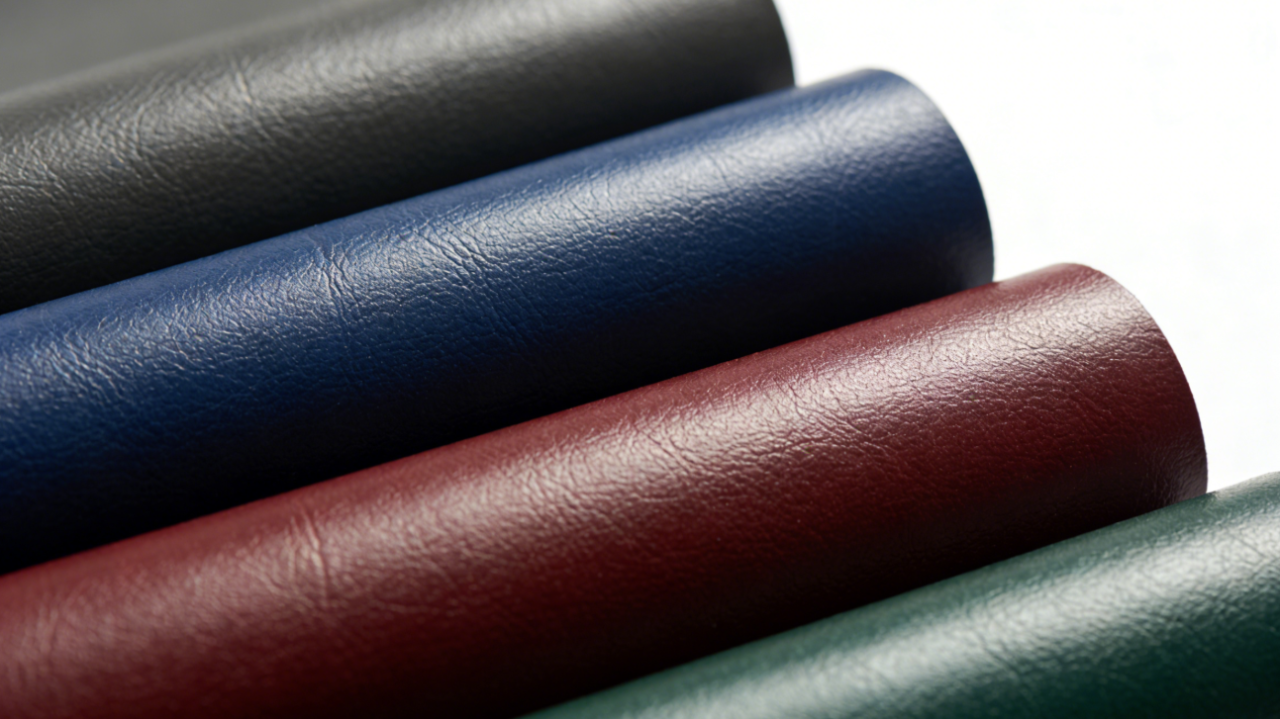
PU Leather Finished Product Quality Testing Standards & Technical Specifications
1 Physical and Mechanical Performance Testing
Physical performance is the fundamental base of PU leather. Stable mechanical indicators avoid cracking, edge tearing and durability problems.
- Tensile & Elongation : ISO 527 / ASTM D882
- Tear Strength : ISO 4674 / ASTM D624
- Abrasion Resistance : Taber / Martindale ASTM D3884 ISO 1294
- Flex Resistance : ISO 5402 / ASTM D6182
2 Surface Performance & Weather Resistance Testing
Long-term usability depends entirely on surface durability and aging resistance.
- Dry & Wet Rub Fastness : ISO 105-X12 / AATCC 8
- Hydrolysis Aging : ISO 1419 / ASTM D3137
- UV Yellowing Resistance : ISO 105-B02 / ASTM G154
3 Chemical & Environmental Safety Testing
Chemical and VOC indicators are the main reason for batch rejection in European and American markets.
- Formaldehyde : ISO 14184 / EN 717
- Extractable Heavy Metals : EN 16711 / ISO 17072
- SVHC Substances : EU REACH over 0.1% notification
- VOC & Odor : ISO 16000 / VDA 277
- Phthalate Plasticizers : EN 15777 / ISO 14389
4 Special Industry Additional Testing Standards
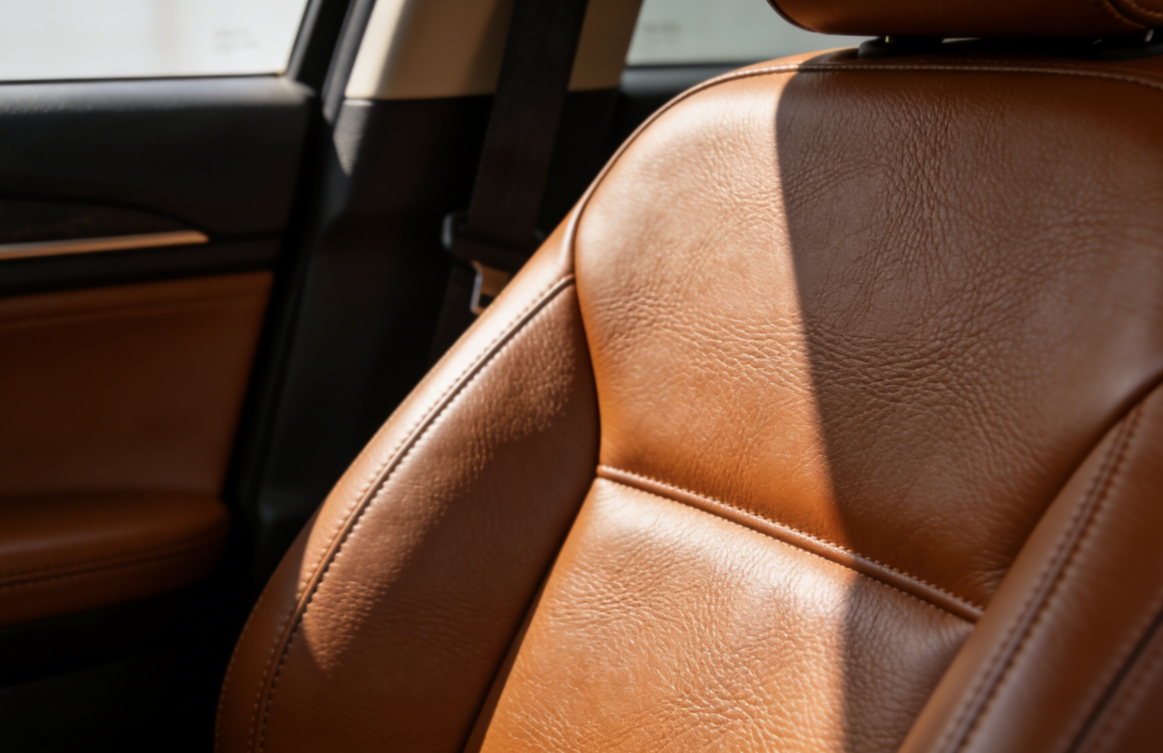
Automotive Interior
ISO 3795 flammability, fogging, odor, full VOC standard
Medical & Food Grade
FDA & EU 10/2011 migration and heavy metal test
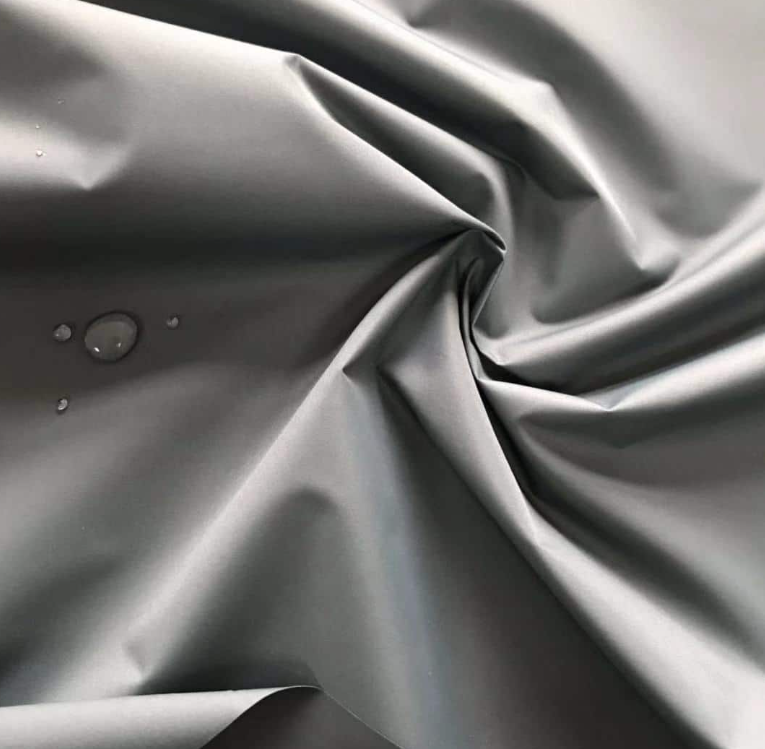
Outdoor & Sports
ISO 811 waterproof and weather resistance test
5 Standard Testing Process & Essential Equipment
Sampling & Preconditioning
Random sampling away from edges; standard environment 23±2℃, humidity 50±5%, precondition at least 24 hours.
Core Laboratory Equipment
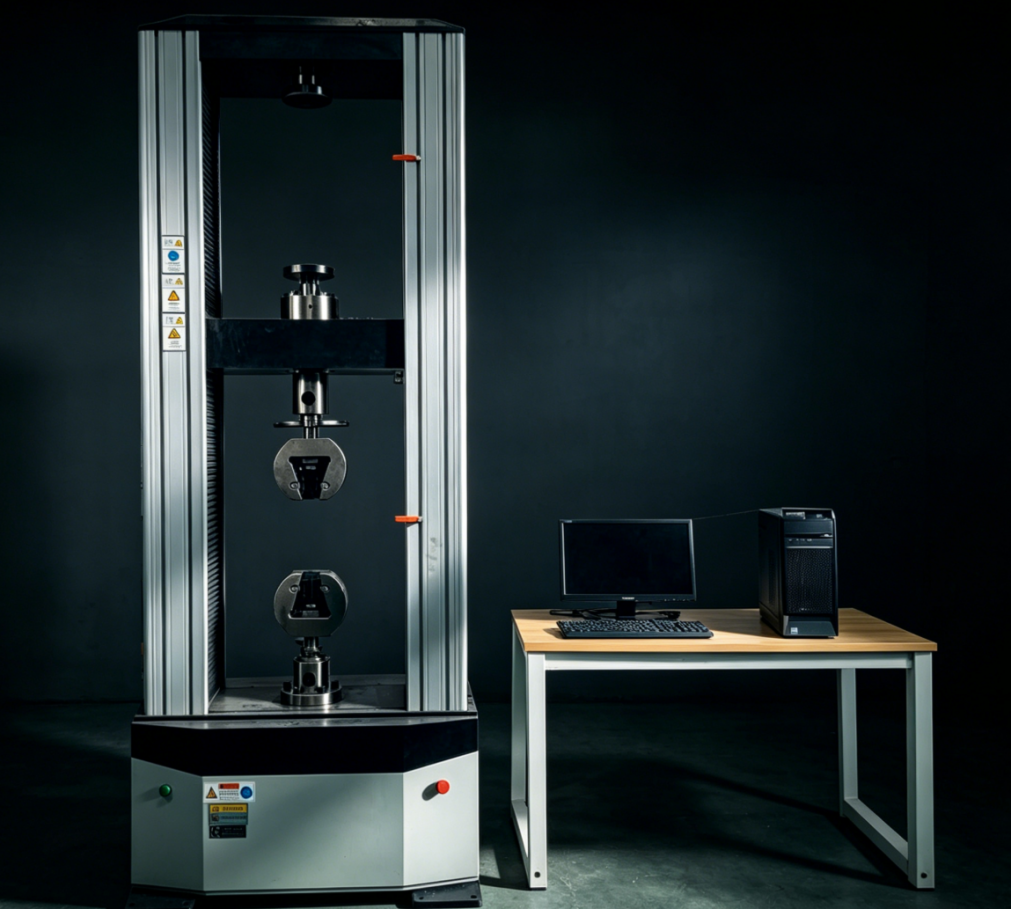
- Universal tensile testing machine
- Taber / Martindale abrasion tester
- MIT flex resistance tester
- GC-MS / HPLC for VOC, SVHC, formaldehyde
- Suggest ISO/IEC 17025 laboratory management
6 Industry Challenges & Future Trends
Global REACH, Prop 65 continue adding restricted substances such as PFAS and chlorinated paraffins.
AI visual inspection replaces manual defect checking; bio-based degradable PU leather becomes mainstream, with unified ISO degradation standards under improvement.
Frequently Asked Questions
Q1 What tests are mandatory for EU & US export PU leather?
Q2 Standard yellowing requirement for light-colored leather?
Q3 What lab qualification is recognized globally?
Q4 Which leather requires strict hydrolysis test?
Q5 How often to test SVHC?
Conclusion
PU leather quality inspection has developed into a complete system covering mechanical performance, surface durability, chemical safety and industry-specific compliance.
Establish full-process quality control to keep stable competitiveness in European, American and automotive supply chains.
PU Leather Testing & Production Line Solutions
Haifeng Machinery provides one-stop equipment, formula and process optimization for high-standard PU synthetic leather production.