Wet Process Color Blocking Technology for PU Yoga Mats: Full Production Guide
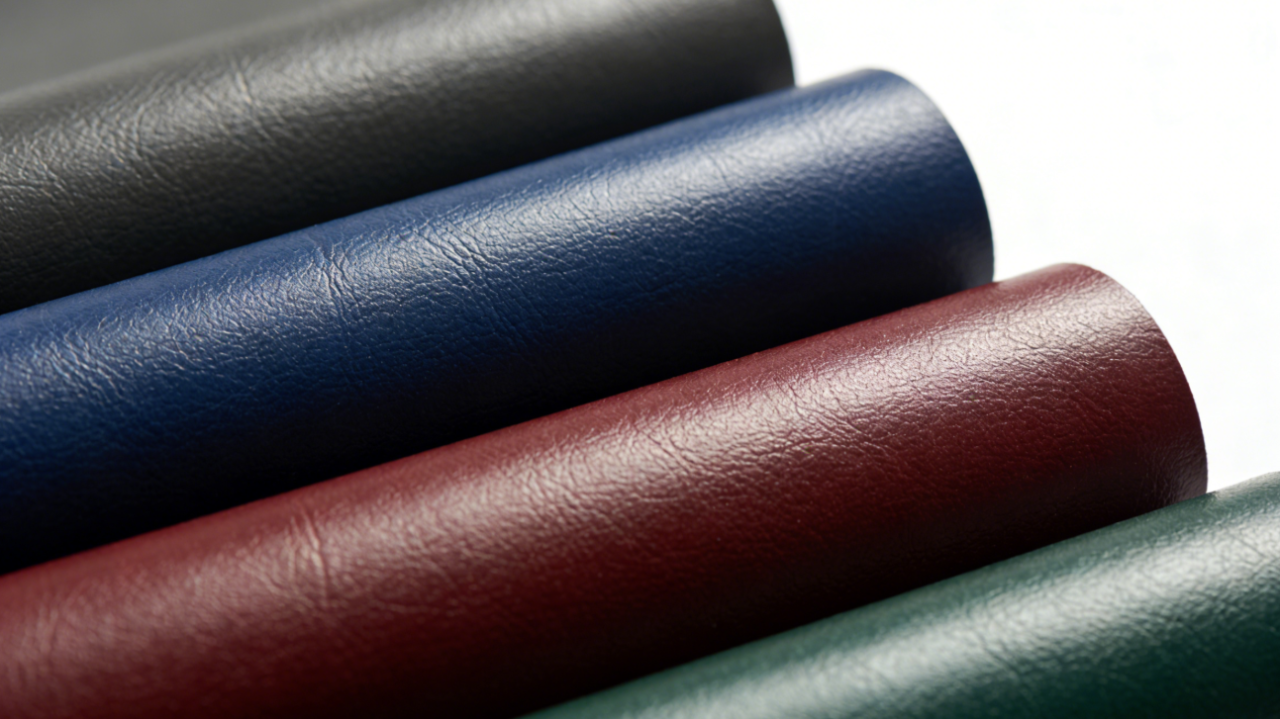
Dry process color blocking is simple to produce, but has hard, unnatural boundaries and poor layer adhesion. Wet process color blocking creates soft, natural color transitions, excellent color fastness, and retains the full microporous non-slip, breathable structure of PU.

Core Process Concept
Wet process color blocking for PU yoga mats is a forming technology based on wet processing. It precisely controls the coating and solidification of different colored PU pastes to achieve clear color zones or natural gradient effects.
The core principle leverages the “paste solidifies on contact with water” characteristic of wet processing. Different colored pastes are applied to the base fabric as designed, forming stable color boundaries during solvent displacement and resin solidification, while retaining the microporous structure for non-slip and breathable performance.
Compared to dry process, wet process delivers softer boundaries, higher color fastness, no delamination, and can be combined with antibacterial and anti-slip functions, balancing both aesthetics and performance.

Full Mass Production Process
There are 7 core steps, any deviation will result in batch scrap:

1. Base Fabric Preparation & Paste Formulation
Standard base fabric: 20% polyamide + 80% polyester white spunlace nonwoven, weight 100±5g/m². All colored pastes must have identical resin content, viscosity and DMF concentration, with full vacuum degassing.
2. Base Fabric Impregnation & Pre-Solidification
Squeeze rollers control paste pickup precisely, enter DMF bath for initial solidification. Stable pressure and proper pre-solidification time are critical for later color layer adhesion.
3. Core Step: Color Block Coating
Zone Coating for sharp color blocks: doctor blade spacing tolerance ≤0.1mm; Blended Coating for gradient effects: feed rate speed difference ≤5%.
4. Secondary Solidification
DMF concentration 15%-25%, temperature 25-35℃, solidification time 10-15 minutes. Critical for color fastness and microporous non-slip structure.
5. Water Washing & Drying
At least 3 washing stages to control DMF residue; staged drying at 120-140℃, final moisture content ≤5%.
6. Post-Treatment & Cutting
Anti-slip coating, antibacterial treatment, softening rubbing, then cut to specification and trim defects.
7. Inspection & Packaging
Core inspection items: color block effect, mechanical properties, DMF residue ≤100mg/kg, non-slip performance, dry/wet rub fastness ≥ Grade 4.
Core Technical Key Points
- Paste Compatibility: All colored pastes must have identical resin, viscosity and DMF concentration, high temperature resistant and non-migrating.
- Coating Precision: Doctor blade tolerance ≤0.01mm, line speed fluctuation ≤0.5m/min, real-time paste flow monitoring.
- Solidification Parameters: Temperature, DMF concentration and time must be precisely matched for color stability and microporous structure.
- Compliance & Performance Balance: Optimize washing process for low DMF residue, while maintaining non-slip, abrasion resistance and breathability.
Summary & Industry Trends
Wet process color blocking combines PU forming technology with color design, delivering natural, long-lasting color effects while maintaining performance and environmental compliance, increasing product added value by over 50%.
Current limitations include high production threshold, large equipment investment, 30% lower efficiency than single color production, and higher cost, so it is currently mainly used in the mid-to-high end market.
In the future, with the popularization of automated coating equipment and the maturity of solvent-free wet process, costs will gradually decrease, and personalized color block and gradient designs will become the mainstream differentiation direction for PU yoga mats.

Frequently Asked Questions
Q1: Will wet process color block yoga mats fade?
Q2: Can we produce complex gradient and ombre patterns?
Q3: How much higher is the production cost than single color?
Q4: Can DMF residue meet EU export standards?
Q5: Will color boundaries crack or delaminate over time?
PU Yoga Mat Wet Production Line Upgrading & Process Debugging
Haifeng Machinery provides one-stop turnkey solutions from equipment manufacturing to on-site process optimization. Contact us for a free production line audit