








Invisible Quality Trap: Where Do Odors in Solvent-Free PU Automotive Leather Come From and How to Eliminate Them Completely?
Solvent-free PU was supposed to fix this. We switched to it for zero VOCs, zero DMF residues, and full environmental compliance. But almost every plant that’s upgraded their lines has learned the hard truth: Solvent-free does NOT equal odor-free.
1. What’s Actually Causing the Odor?
Solvent-free PU is formed via a two-component crosslinking reaction, with no solvent evaporation. None of the odors come from traditional DMF or toluene. They all come from unreacted residuals and reaction byproducts, and there are only 3 core sources:
1.1 Excess Isocyanate + Humidity Side Reactions
The entire reaction revolves around the ratio of NCO (isocyanate) to OH (polyol groups) — what we call the Isocyanate Index, or R-value. Run your R-value too high, and you leave unreacted free isocyanate trapped in the cured coating. This slowly volatilizes over time, creating that sharp, chemical-like smell.
It gets even worse in humid production floors. Excess NCO will react with ambient moisture to form primary amines. These have an extremely pungent odor, and will continue off-gassing for months after production. This is why so many plants see odor issues spike out of nowhere during wet, humid seasons.
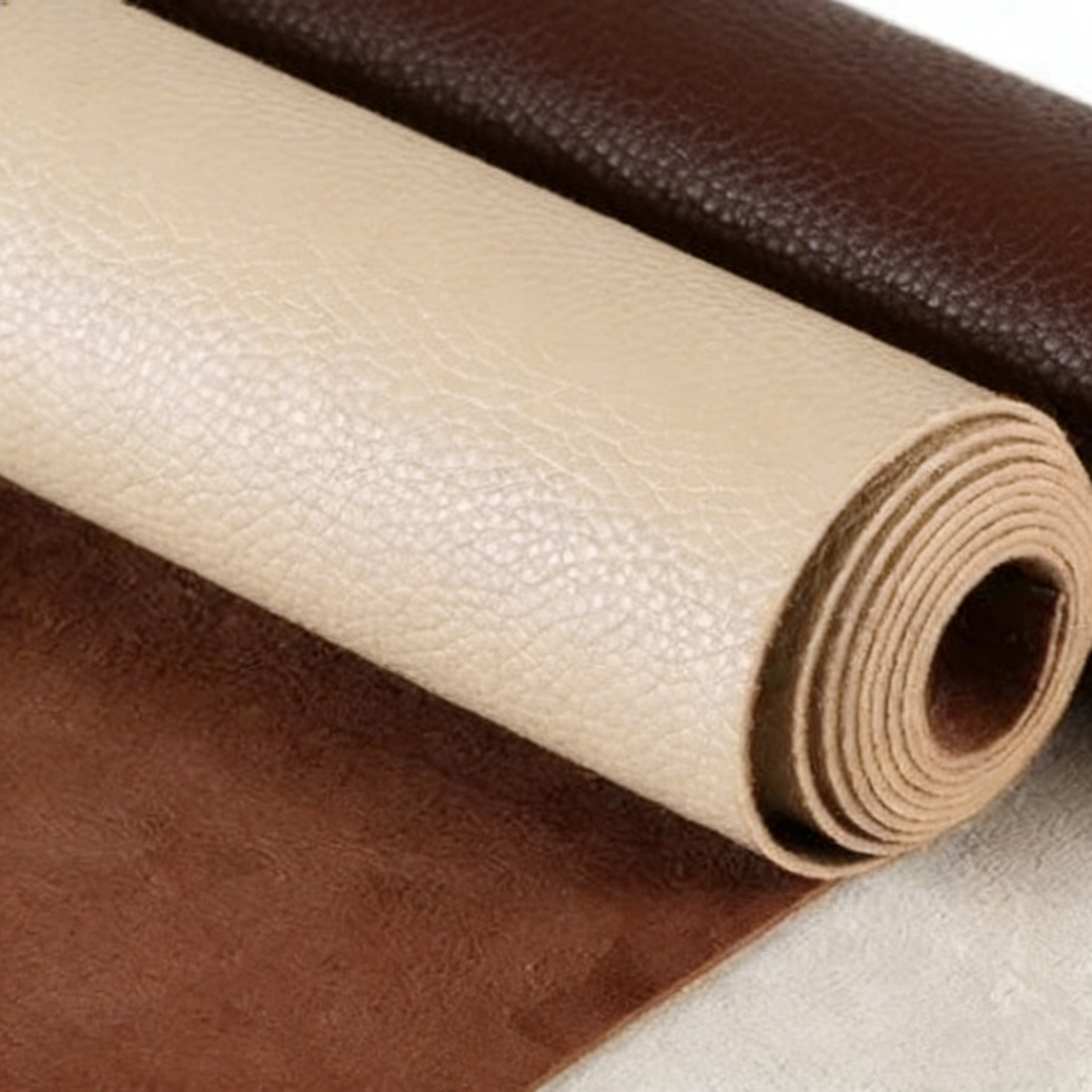
1.2 Polyether Polyol Degradation: The "Cheap Plastic" Smell
The purity of your polyol directly sets the baseline odor of your finished leather. Low-grade, budget polyether polyols almost always carry residual unreacted propylene oxide, ethylene oxide, and trace aldehyde and ketone byproducts. When these hit the high heat of your curing oven, they volatilize out, creating that familiar "cheap plastic" chemical smell.
If you run your oven too hot — above 130°C — you’ll actually thermally degrade the polyether chains themselves, breaking them down into formic acid, acetic acid and aldehydes. This creates a sour, acrid odor that’s almost impossible to remove later.
1.3 Migratory Amine Catalysts: The "Fishy Ammonia" Smell
This is the most common, most hated odor in solvent-free production. You add amine catalysts to balance your foaming and gelation speeds. But traditional tertiary amine catalysts don’t bond to the polymer structure. They do their job catalyzing the reaction, then sit free and mobile inside the cured matrix. Over time, they migrate to the surface of the leather, off-gassing that distinct, unpleasant fishy/ammonia-like smell.
If you’ve spent months tweaking your formula and still can’t get rid of the odor, 9 times out of 10, this is your problem.
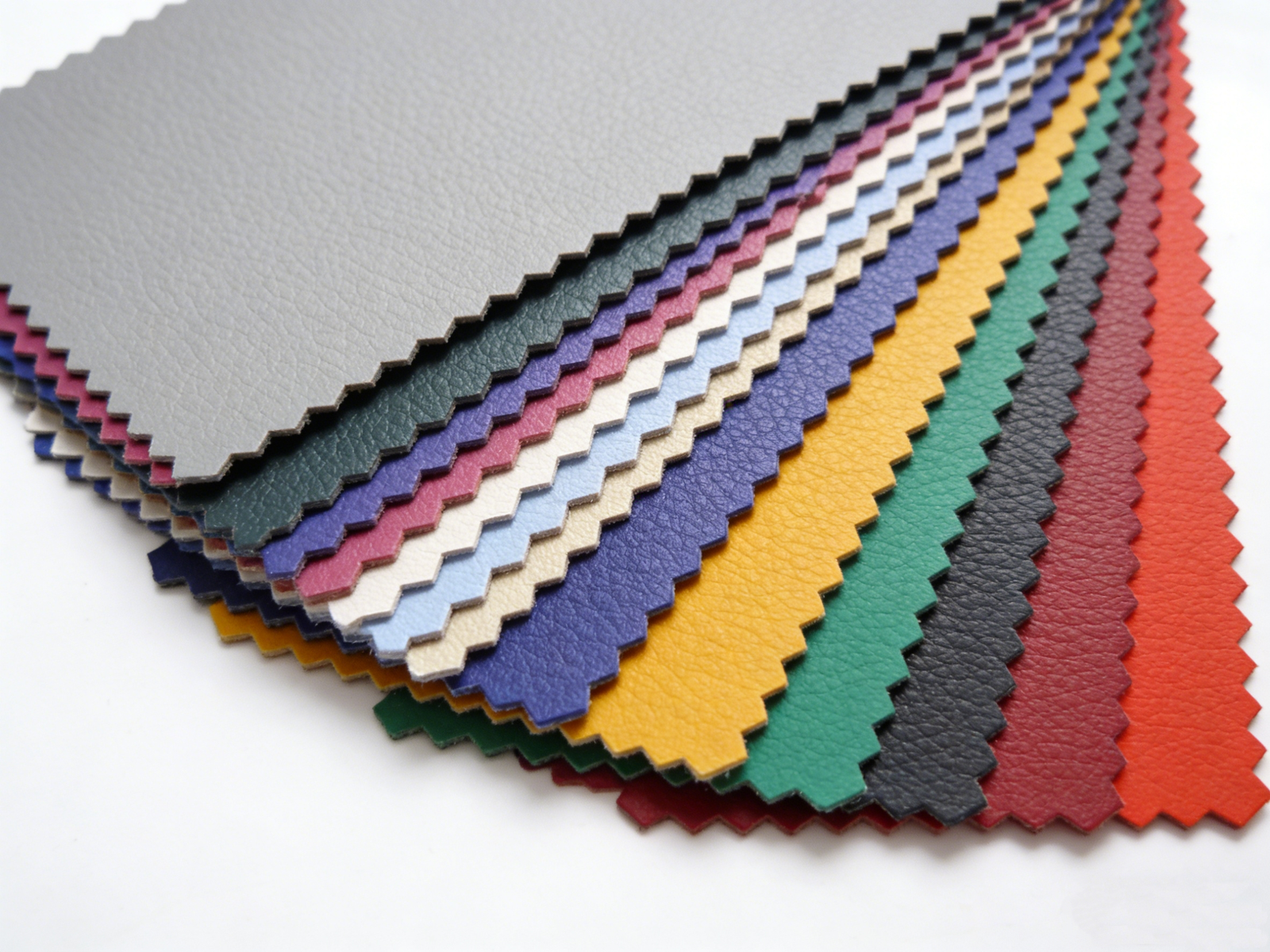
2. Why Your Odors Won’t Go Away: Your Process Is Trapping Them Inside
Many plants use premium low-odor raw materials, and still end up with smelly leather. The problem is your process: you’re physically locking odor molecules inside the foam structure, so they can only leach out slowly over time.
2.1 Closed Cells Are Odor Prisons
Add too much gel catalyst, and your matrix cures too fast. Your foam bubbles harden before they can rupture, creating a structure dominated by closed cells. These closed cells act like millions of tiny, sealed containers. They trap unreacted catalysts, free isocyanate and volatile byproducts deep inside the foam. They can’t escape during oven curing, so they just slowly permeate out over months — guaranteeing a permanent chemical smell in the finished car interior.
2.2 The R-Value Window Is Extremely Narrow
For automotive grade solvent-free leather, the golden R-value range is 1.04 to 1.05. A difference of 0.01 is enough to cause issues.
- Run below 1.03: Leather absorbs moisture, fails wet heat aging tests, picks up ambient odors
- Run above 1.06: Excess unreacted NCO, triggering permanent pungent odor
Holding this tight range for hours of continuous production is impossible with standard gear pumps and manual calibration. This is why odor issues often seem random and intermittent.
3. The Complete Blueprint to Eliminate Odor At The Source
Stop wasting money on masking agents and odor sprays. They only cover up the smell, add new VOCs, and will get your batches rejected by every major OEM. To fix the problem permanently, you control 4 key areas:
3.1 Fix Your Raw Materials First
- Source polyols with full monomer stripping and vacuum degassing, guaranteed TVOC below 50ppm, eliminating 50% of baseline odor
- Replace pure MDI with carbodiimide-modified or uretonimine-modified MDI, lower vapor pressure, no volatilization
- Replace migratory tertiary amine catalysts with reactive amine catalysts, which bond to the polymer backbone and completely eliminate fishy ammonia odor
3.2 Get Your Equipment Precision Right
- Upgrade to Coriolis Mass Flow Meters to hold R-value steady in the 1.04-1.05 range, unaffected by temperature and viscosity shifts
- Use high-pressure impingement mixing heads to mix A and B components at molecular level, zero unreacted pockets
3.3 Run A Gradient Oven Profile
- Zone 1 (80-90°C): Gentle foaming initiation, let trapped air escape
- Zone 2 (100-110°C): Full crosslinking reaction, lock polymer structure
- Zone 3 (90-100°C): Devolatilization zone, bake out low-boiling volatiles with negative pressure exhaust extraction
3.4 Off-Line Post-Treatment
- Maturation room at 60-80°C for 24-48 hours, re-roll periodically to release trapped volatiles
- Vacuum oven at -0.08MPa and 70°C for strictest luxury OEM standards
Final Thoughts
Solvent-free technology eliminated the environmental harm of traditional solvent-based leather, but achieving true zero-odor automotive grade material is the ultimate test of a plant’s process and equipment control.
It’s not magic. Pick the right raw materials, run precise, well-calibrated equipment, and control your process parameters at every step, and you can consistently hit VDA 270 Grade 2.5, and pass every OEM odor standard on the market.
The rule is simple: don’t try to cover up odor after the fact. Control it at every step of production, and you’ll never have to worry about rejected batches again.