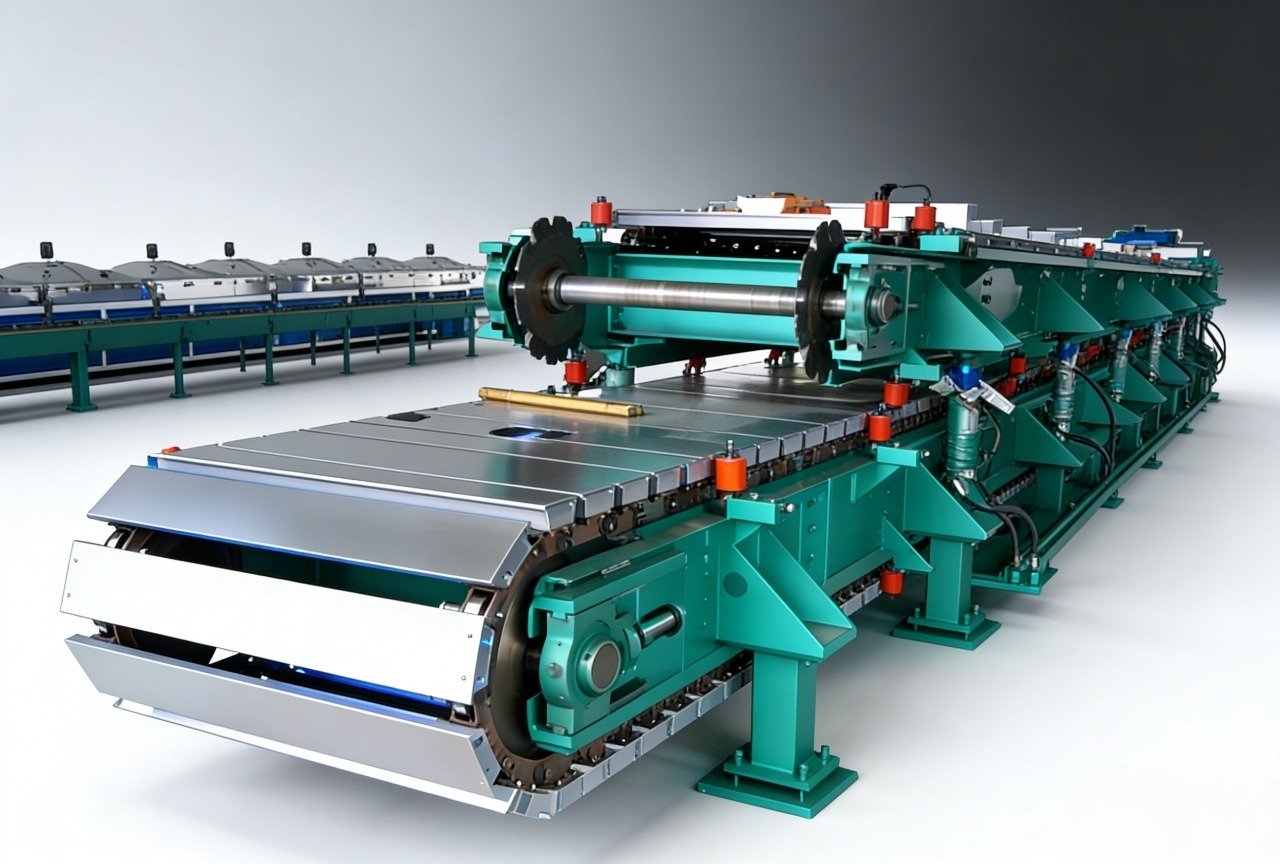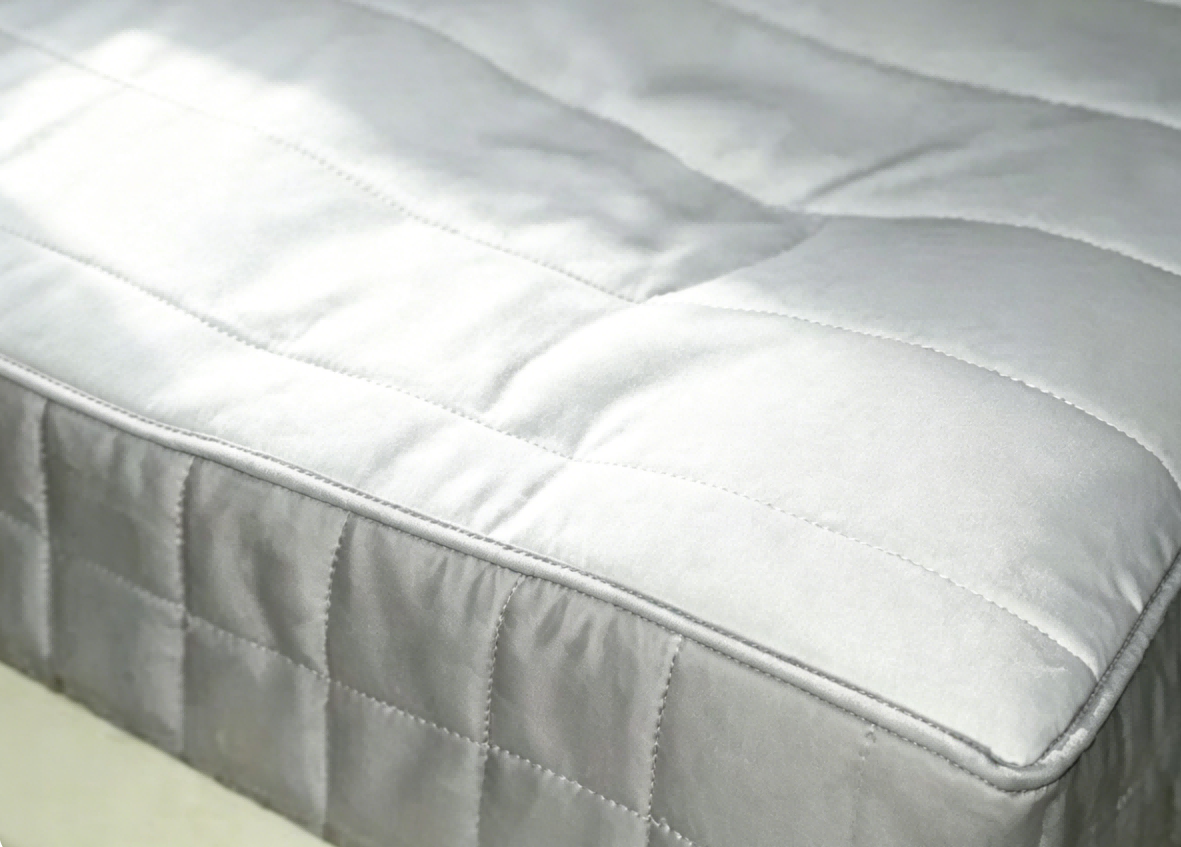
What Is a Polyurethane Foam Machine and Why It Matters
A polyurethane foam machine is an industrial system that combines two liquid components—typically a polyol blend and an isocyanate—under controlled temperature, pressure, and ratio conditions to produce polyurethane foam. The foam result can range from flexible cushioning to rigid insulation, depending on the formulation. The machine matters because foam consistency is not only about chemistry. Even a proven chemical system will produce scrap parts if the metering ratio drifts by a few percentage points or the mixing energy drops mid-shift. For manufacturers producing thousands of parts a week, that variability directly hits profitability.
What components make up a polyurethane foam machine?
Every polyurethane foam machine shares five core modules: raw material supply tanks with temperature conditioning, high-precision metering pumps, a mixing head that combines the two streams, a dispensing unit matched to the mold or substrate, and a PLC control system that monitors parameter drift. Among these, the metering pump and mixing head have the largest impact on final foam quality.
How a Polyurethane Foam Machine Works: Metering, Mixing, and Dispensing
The working principle of a polyurethane foam machine can be broken into three interdependent steps. If any one step deviates from its setpoint, the finished foam will show density variation, voids, or poor cell structure.
The metering system: precision ratio control
The metering system pumps the polyol and isocyanate at a precisely controlled ratio, often expressed as parts by weight. Gear pumps or piston pumps driven by servo motors maintain a constant flow rate independent of material viscosity changes. High-quality machines hold a metering accuracy of ±0.5%, and this number is not a brochure claim—it is what separates a full shift of consistent parts from one where every tenth part is soft or collapsed. Temperature control of the metering circuit is equally critical because viscosity variation of even a few percent can pull the ratio off-target.
Mixing head technology: how foam cells form
The mixing head receives the two streams and applies mechanical energy—either via a high-speed impeller in low-pressure machines or impingement mixing at 100 to 200 bar in high-pressure designs. The goal is to create a homogeneous mixture in a few hundred milliseconds before the reaction begins. A well-designed mixing head achieves mixing uniformity above 99.5%, a value that can be verified per ASTM D3795. In practice, that means the foam cell structure is fine and consistent, and the skin density is close to the core density.
Dispensing: pouring, injection, and spraying
Once mixed, the material must be delivered to the mold or surface before the cream time expires. Pouring heads deposit an open stream into an open mold. Injection heads seal against a closed mold and fill under pressure. Spray heads atomize the mixture and apply it to a surface in a controlled pattern. Each method creates a different flow front, and the dispensing method must match the mold geometry or the substrate orientation.
Types of Polyurethane Foam Machines: High Pressure, Low Pressure, and Spray
Manufacturers generally categorize polyurethane foam machines by the mixing method and the dispensing technique. The three main types cover the vast majority of industrial applications, though many machines can be configured across multiple modes.
High-pressure polyurethane foam machines
High-pressure machines mix the two components by impinging them against each other at pressures typically between 100 and 200 bar. The mixing chamber is small, and no mechanical stirrer is used, which means the mixing head can be self-cleaning. This design supports fast cycle times and suits high-volume production of parts with complex mold geometries, such as automotive seats, steering wheels with integral skin, and refrigerator cabinet insulation. In automotive-tier production, a high-pressure machine often cycles every 15 to 30 seconds. The foam density distribution across a contoured part can be held within a narrow band as long as the metering stays within specification. This is not trivial. I have seen programs where a pump seal wear of six microns degraded the ratio enough to cause visible surface porosity in the finished part, and tracing it back to the pump took hours because the drift was gradual. 
Low-pressure polyurethane foam machines
Low-pressure machines use a mechanical stirrer inside a mixing chamber that operates at pressures below 30 bar. Because the mixing energy comes from a motor-driven rotor rather than impingement, the equipment structure is simpler and the power consumption is lower—often 30 to 40 percent less than an equivalent-output high-pressure line. These machines are common in furniture, small appliance insulation, and flexible foam parts where throughput is moderate and mold changeovers are frequent. The open-pour head allows visual verification of the mix quality before it enters the mold. Our LJJ series, for example, covers dual-density and two-color molding within the same cycle, which addresses a real need in multi-layer cushion production where the base layer and the top layer have different hardness requirements. 
Polyurethane spray foam machines
Spray foam machines atomize the mixed material and apply it as a coating. The metering and mixing sections are similar to low-pressure designs, but the dispensing end uses a spray gun with a nozzle pattern optimized for uniform thickness. Coating thickness tolerance of ±2% is achievable with a properly tuned system, and that matters when the insulation value per millimeter of foam is fixed. Spray machines are used in building insulation, automotive underbody coating, and industrial waterproofing. Robotic integration adds repeatability: a 6-axis robot can maintain a constant standoff distance and traverse speed across curved surfaces, which keeps the foam thickness consistent. I have found that without a robot, even a skilled operator will see thickness variation of 10 to 15 percent across a large roof panel.  The table below summarizes the key differences between the three machine categories.
| Feature | High-Pressure | Low-Pressure | Spray |
|---|---|---|---|
| Mixing method | Impingement | Mechanical stirrer | Mechanical stirrer + nozzle |
| Typical pressure | 100–200 bar | Under 30 bar | Under 30 bar |
| Cycle time | 15–30 seconds | 30–120 seconds | Continuous |
| Best for | High-volume, complex molds | Medium-volume, open molds | Surface coating, insulation |
| Energy cost per part | Higher | Lower | Moderate |
Low Pressure vs High Pressure Foam Machines: Which One Fits Your Production?
 The choice between low-pressure and high-pressure architecture is not simply a matter of budget. I have visited plants where a company replaced a low-pressure line with a high-pressure machine expecting a throughput gain, only to find that the mold-closing automation on the upstream side was still the bottleneck. The machine was waiting for the mold, not the other way around. A better starting point is the daily part volume and the foam density tolerance. If you produce fewer than 500 parts per day and your part geometry does not require high-velocity mold filling, a low-pressure machine with servo-controlled metering will meet the density specification at a lower total cost of ownership. The electricity saving alone, over a five-year period, often exceeds the machine price difference. High-pressure becomes the right choice when cycle time drops below 45 seconds, when the mold requires a sealed, pressurized fill, or when the part has long flow paths that demand a high-pressure injection to fill before the cream time expires. Automotive tier-one suppliers run high-pressure machines because every second of cycle time on a car-seat line costs real money. If you are still unsure, a practical next step is to run a small batch trial on each machine type with your actual chemical system. The foam density map and the cycle time data from that trial will provide more decision confidence than any specification sheet.
Key Applications of Polyurethane Foam Machines Across Industries
Polyurethane foam machines serve industries where a balance of density, mechanical properties, and thermal resistance matters. The machine configuration, not just the chemical formulation, determines how well the final part performs.
Automotive: car seats, steering wheels, and interior parts
 Car seat foam requires a precise hardness and resilience across a contoured shape. High-pressure machines with closed-mold injection deliver fast cycle times and tight density control. Integral-skin foams for steering wheels and armrests add a cosmetic requirement: the surface must be smooth, bubble-free, and wear-resistant without a secondary coating.
Building insulation: spray foam for walls and roofs
 Closed-cell spray polyurethane foam applied to building envelopes must meet a target R-value per inch, and that value depends directly on the foam density. A spray machine with robotic traverse control can maintain the specified thickness across a roof area, which prevents thin spots that would compromise the insulation rating.
Home appliances: refrigerator and freezer insulation
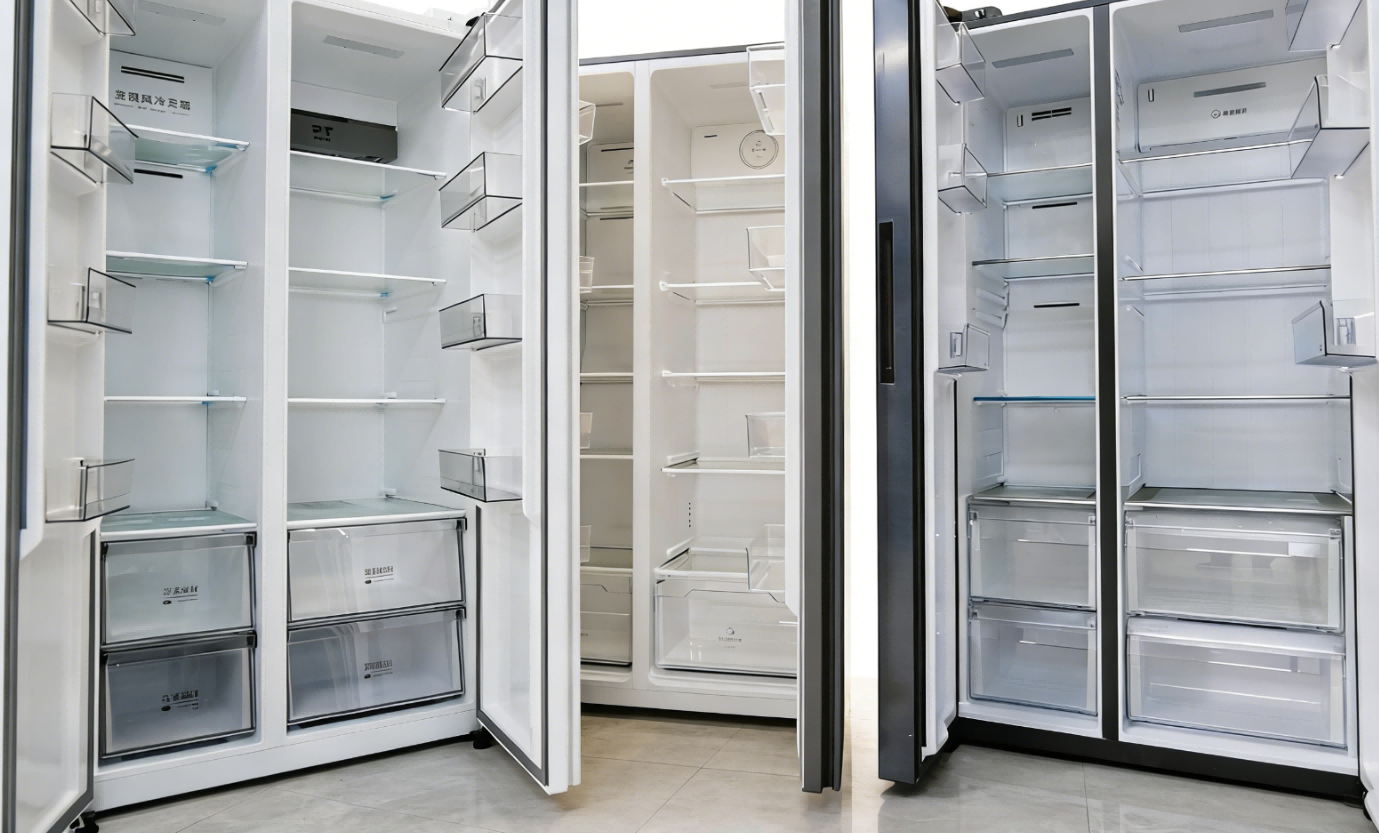
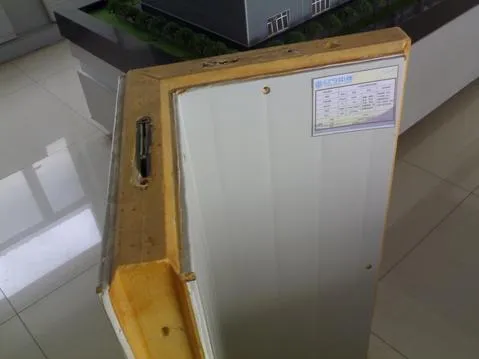 Refrigerator cabinet insulation uses high-pressure injection between the liner and the outer shell. The foam must fill every void without trapping air pockets that would later cause hot spots. Metering accuracy and injection pressure are the two machine parameters that control this outcome.
Medical and industrial: specialized foam components
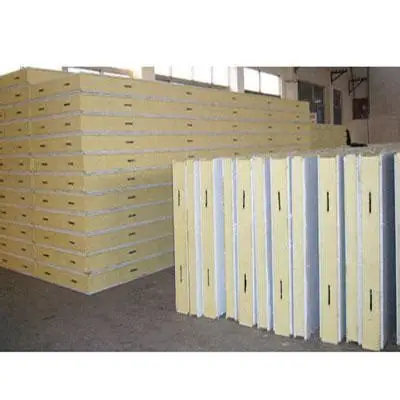 Medical-grade polyurethane sponges, industrial wear-resistant rollers, and pipe-lining elastomers all require specific hardness and chemical resistance. These applications often use elastomer casting machines that operate at low pressure with heated material circuits. The machine must handle a viscosity that changes by a factor of two across a 40°C temperature window, which places high demand on the temperature control stability.
How to Choose the Right Polyurethane Foam Machine for Your Line
When I start working with a new customer, I ask them to provide three data points: the part geometry as a CAD file or drawing, the acceptable foam density range, and the target daily output. Those three inputs answer about 80% of which machine architecture will work. The remaining 20% covers factors that are easy to overlook until they become operating costs. A few of the most important: Cycle time versus actual throughput—if your mold handling system or downstream trimming cannot keep up with the machine, the added capacity never converts to output. Energy consumption—a low-pressure machine can cut power consumption by 30 to 40 percent compared to a high-pressure unit of similar output, which compounds over the machine life. Maintenance access—mixing heads and metering pumps are wear parts. A machine design that allows a pump seal change in under 30 minutes versus three hours makes a real difference to uptime on a single-shift line. Future part range—if your product family is likely to expand from simple flat cushions to contoured parts with inserts, a machine with flexible dispensing options will avoid a premature replacement in three years. The machine specification that matters most is almost never the maximum pressure rating. It is the metering stability over a complete shift and the mixing head’s ability to handle the viscosity range of your chosen chemical system. Confirm those two parameters with a trial run on your actual part, and the rest of the decision becomes much simpler.
Getting a Machine Configuration for Your Specific Production
A machine that is slightly wrong for your application costs more than just the purchase price. It costs you in scrap parts, cycle time inefficiency, and operator frustration over months of production. I have seen it repeatedly: a company buys a capable machine but never reaches its nameplate throughput because the dispensing method does not match the mold layout. Our engineering team at Zhejiang Haifeng Machinery reviews your part design and daily volume target to recommend a machine configuration that matches your actual production load, not a generic maximum capacity. There is no charge for this analysis. Send your part drawings and production target to info@haifeng-automation.cn or call +8613566296633 to start a machine configuration review.
Common Questions About Polyurethane Foam Machines
What is the difference between polyurethane foam and other industrial foams?
Polyurethane foam is a thermoset polymer produced by reacting isocyanate with polyol, typically in the presence of a blowing agent. Unlike thermoplastic foams such as polystyrene or polyethylene, polyurethane foam crosslinks during the reaction, which gives it higher temperature resistance and better adhesion to substrates. This is why polyurethane is the standard choice for in-situ insulation and bonded cushioning applications. The reaction generates its own heat, so a foam machine must manage exotherm timing to avoid scorching the core of thick parts.
How accurate must the mixing ratio be in a PU foam machine?
In most industrial formulations, the isocyanate index tolerance is about ±2 index points. A metering accuracy of ±0.5% on each component, as delivered by servo-driven positive-displacement pumps, keeps the ratio within that window over a full shift, even as material viscosity changes with ambient temperature. I have measured off-ratio events where a pump coupler slip of less than one percent caused the foam to feel soft in one batch out of twenty, just enough to trigger a quality hold. This is why closed-loop servo control with real-time flow feedback is worth the cost in any line that ships inspected parts.
Can a single foam machine handle multiple formulations?
Yes, provided the machine has separate material circuits for each formulation or a flushing protocol that prevents cross-contamination. Many polyurethane foam machines support formula switching between jobs. The key is that the mixing head must be fully flushed with solvent or purged with air between incompatible chemistries. On systems with color paste injectors or multiple polyol feeds, changeover time can be held under ten minutes. On a single-circuit machine, a full line flush can take longer and consumes solvent, so the practical limit depends on how often you need to switch.
What maintenance does a polyurethane foam machine need?
Daily maintenance centers on cleaning the mixing head and checking pump pressures. Weekly checks should include filter elements and temperature control calibration. The highest-wear parts are the mixing chamber seals and the metering pump packing, and these typically need replacement after 3,000 to 5,000 hours of operation, though that number varies with the abrasiveness of the filler in your polyol blend. A machine with an automatic pour-head cleaning cycle reduces the operator workload and cuts solvent consumption. I recommend logging every seal change so you can spot a trend before an unscheduled stop.
How long does a polyurethane foam machine typically last?
With proper maintenance, the structural frame and control system of an industrial-grade polyurethane foam machine will operate for 15 to 20 years. The components that wear—pump seals, mixing chamber elements, hose assemblies—are designed for periodic replacement. The economic life of a machine is therefore determined more by changes in your production volume or part geometry than by mechanical failure. If your product family has evolved significantly over a decade, a machine replacement may be driven by new dispensing requirements rather than wear. For a specific application assessment, sharing your foam density and daily throughput target can help us confirm the right machine configuration. Reach out at info@haifeng-automation.cn with your part data and volume. If you’re interested, check out these related articles: PU Shoe Machine Maintenance Checklist Polyurethane Bumper Stopper Manufacturing Turnkey What Is an OTR Tire Foam Filling Machine?