Table of Contents
Manufacturing automotive polyurethane (PU) bumper stoppers requires a nuanced balance between equipment precision and project budget. While advanced features like vacuum degassing, nitrogen blanketing, and fine temperature control significantly enhance production stability, they are not always mandatory depending on your specific product requirements and CAPEX. Haifeng Polyurethane Machinery offers a consultative EPC+M+O approach, tailoring solutions from manual starter lines to fully automated rotary carousels. Whether you are navigating the physical differences between MDI and NDI systems or building a factory from the ground up, deep consultation with our engineering team is the first step toward a stable, high-yield manufacturing environment.
Introduction:
In the competitive landscape of automotive manufacturing, the “Zero-Defect” mandate is non-negotiable. Suspension components, particularly Polyurethane Bumper Stoppers (also known as Jounce Bumpers), are critical for vehicle safety, comfort, and longevity. However, for many investors and manufacturers, the transition from “buying a machine” to “operating a profitable factory” is fraught with technical hurdles.
Establishing a production line for microcellular PU elastomers is a multi-disciplinary challenge that bridges high-end chemistry with precision mechanical engineering. This guide outlines the blueprint for a successful turnkey plant, showcasing how Haifeng Polyurethane Machinery transforms complex industrial visions into high-yield realities.
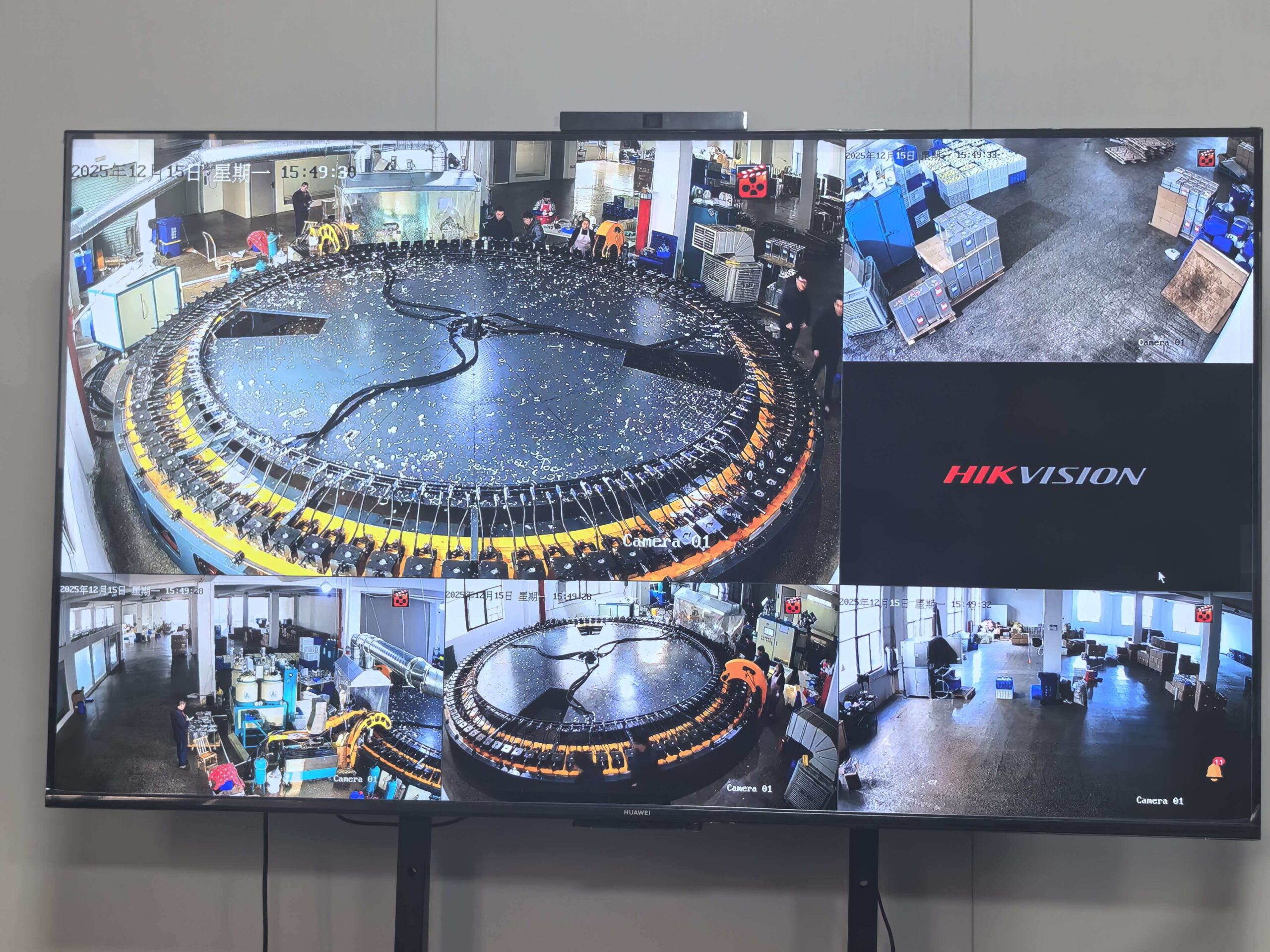
Figure 1. Haifeng automatic rotary carousel for bumper stopper
1.What is a Polyurethane Bumper Stopper? (MDI vs. NDI)
A polyurethane bumper stopper is a high-performance microcellular elastomer component designed to manage suspension travel and absorb impact energy. Unlike standard solid PU, these parts feature a unique cellular structure that provides non-linear stiffness. The chemical system choice dictates both the equipment requirements and the final price point:
-
MDI Systems: Generally more cost-effective. A single MDI bumper stopper typically ranges from USD 0.5 to USD 1.5 per unit. It provides reliable performance and is widely used in standard passenger vehicles.
-
NDI Systems: Offers superior dynamic fatigue resistance and extreme thermal stability. Due to high raw material costs and specialized processing requirements, an NDI stopper can range from USD 2 to USD 4 per unit.
-
Engineering Impact: NDI systems require more stringent temperature management. Haifeng engineers the casting equipment to match these specific material demands, ensuring your ROI aligns with your target market.
2. What Haifeng Can Offer for Turnkey Plants?
At Haifeng, we don’t just sell equipment; we sell a proven business model. Understand your vision by contacting us for a consultation.
Buy Finished Bumper Stopper Products in China
Leveraging our 40-year accumulation in the PU field, Haifeng operates a unique dual-track ecosystem. We have our own holding manufacturing factories and a vast network of loyal OEM clients who use Haifeng machines. We can facilitate the production of finished bumper stoppers based on your drawings, handle mold sampling, and conduct rigorous internal testing to ensure quality before shipping.
Start from 0 to 1 with Confidence
If you are looking to build your own production base, Haifeng guides you through every step:
-
Mature Formulas: Through our deep partnerships with top-tier material suppliers like BASF, Huntsman, Huafon, Xuchuan, and Huide, we provide ready-to-use material recipes from day one.
-
Sanction-Resilient Supply Chain: For regions facing geopolitical restrictions (such as Russia), we utilize our flexible global network to source equivalent, high-quality alternative materials, ensuring your supply chain remains uninterrupted.
For established manufacturers, Haifeng provides modular upgrades to modernize existing lines, integrating robotic handling, carousel automation, and closed-loop metering for Industry 4.0 standards.
3. How to Start a Polyurethane Bumper Stopper Factory? (The EPC+M+O Checklist)
Building a successful MCU production facility requires more than just floor space. Haifeng’s turnkey approach covers the following critical milestones:
-
Infrastructure & Layout: Consultation starts with strict technical specifications: power voltage, air pressure requirements, and floor load-bearing capacity. Note: Large-scale automated rotary lines are extremely heavy; they must be positioned on the ground floor to ensure structural safety.
-
Production Manager Delivery: If you require a production manager proficient in automotive PU stopper manufacturing, you need to communicate this early. Haifeng will filter qualified candidates from our extensive industry talent pool, and you will conduct the final interviews to ensure a perfect fit.
-
Advanced Machinery Procurement: The core setup includes the PU Casting Machine and the corresponding workstations. Auxiliary equipment is equally vital: curing ovens, industrial chillers, product trimming machines, and air compressors.
-
Testing Center Establishment: Plan this according to your specific scale. The standard professional workflow involves in-house product testing first, followed by third-party laboratory certification, before final delivery to the end-user.
-
Certification Support: If your product is aimed at the aftermarket (repair parts), you will need at least ISO 9001 certification. If you are supplying OEMs (Original Equipment Manufacturers), IATF 16949 is absolutely mandatory.
-
Molds & Material Sourcing: We recommend consolidating to a single trusted mold supplier. For raw materials, the most secure strategy is allocating 70-80% to a primary supplier and 20-30% to a secondary supplier as a reliable backup.
4. Key Features of a Microcellular PU Elastomer Casting Machine
To maintain automotive-grade quality, look for these specific features in Haifeng’s casting systems:
- Temperature Control Accuracy: Essential for maintaining stable viscosity in both high-performance MDI and NDI elastomers.
- Casting Precision: High-precision metering pumps with closed-loop compensation ensure consistent weight and density during the pouring process.
- Automation Level: For a limited budget or starting a new project, a manual line is always good to begin with. As demand scales, upgrading to our Fully Automatic Rotary Carousel will maximize output.
- Project-Specific Customization: Features like vacuum degassing and automation levels must be matched strictly to your budget and project requirements. Proper matching is more important than simply buying the most expensive hardware.
5. Operating Tips for Consistent Quality
-
Calibration is King: Before starting production, you must perform a rigorous A/B component flow rate testing and calibration to prevent ratio drift.
-
Degassing Logic: If your budget allows for vacuum tanks, ensure the material is degassed sufficiently to eliminate micro-bubbles that compromise the dynamic fatigue life of the bumper stopper.
6. Common Buying Mistakes
-
The Price Trap: Choosing the cheapest machine often leads to a high scrap rate. In the automotive world, a low yield will bankrupt a factory faster than initial investment costs.
-
Ignoring Integration: Buying a machine from one vendor and molds/ovens from another often leads to thermal and communication mismatches. A turnkey provider ensures everything is pre-synchronized.
-
Neglecting the Lab: Without proper testing equipment, you won’t know a product has failed until it’s already installed on a vehicle.
7. Plan for Future Expansion
Haifeng designs turnkey plants with modularity in mind. As your market share grows, our systems allow you to:
-
Add more stations to your rotary carousel line.
-
Integrate AI-driven visual inspection systems for automated quality control.
-
Expand into related automotive products like steering wheels or seat cushions using the same core infrastructure.
Conclusion
Polyurethane bumper stopper manufacturing is a high-entry-barrier business that offers significant rewards for those who execute it correctly. By partnering with Haifeng Polyurethane Machinery, you aren’t just buying equipment; you are inheriting 40 years of engineering excellence and a global resource network. From the first factory layout to the first successful batch of automotive-grade stoppers, we are your partner in every phase of the EPC+M+O lifecycle.
Video Resource
FAQ
How often should the casting system be maintained?
Usually, you need to check and switch the mixing head every two hours. However, this time can be adjusted as long as your product quality and production capacity remain stable.
What is the budget for a turnkey bumper stopper plant?
For a manual project (focusing only on the machines), the cost generally ranges between USD 20,000 and USD 50,000. For a full rotary carousel line, the investment usually ranges between USD 130,000 and USD 300,000+, depending on specific automation levels.
How do I choose the best polyurethane machine for bumper stoppers?
First, you need to evaluate the manufacturer’s technical team and their comprehensive service capabilities. Second, the equipment that best matches your budget and operational capacity is the “best” equipment for you.
What if I do not know anything about PU bumper stoppers—where should I start?
Start with a deep consultation. Haifeng handles the complex engineering and chemistry, guiding you step-by-step from material selection to factory commissioning.

Vice President, Sales & Marketing of Zhejiang Haifeng Automation Equipment Co., Ltd
– Member of the Polyurethane Equipment Professional Committee, China Polyurethane Industry Association
– Member of the Expert Committee on Footwear and Apparel Equipment, China Leather Association
– Executive Vice President, Wenzhou Footwear Machinery Chamber of Commerce, China