Day tank sizing for a low-pressure polyurethane foaming machine is not the same as calculating how much material you use in a shift. The tank is the buffer between the drum or tote and the metering pumps, and its useful volume has to keep the pumps fed during the longest unattended pour, keep the recirculation loop stable, and allow the next refill without starving the machine. A tank sized only from average consumption creates level swings, temperature drift, or a low-level alarm in the middle of a shot. The more useful starting point is the machine’s actual component takeaway rate plus the time the tank must run without operator intervention.
Start with the Metering Section’s Actual Demand, Not the Tank Name
Many small machines are sold with a nominal tank volume that has little relationship to the production call on material. The correct sizing basis is the total continuous flow the metering pumps draw from the tank, including the component flow to the mixing head and any recirculation return. For a two-component system, the polyol tank and isocyanate tank are usually sized separately because the ratio, viscosity and moisture sensitivity differ.
If the machine is rated for a maximum output, do not use that number alone. A continuous pour at 80 percent of nominal output, a solvent-free system with high recirculation, and a filled polyol with slow settling all place different demands on the same tank. The tank name is only a label. The sizing calculation must start from the metering section’s real continuous draw.
A day tank is only one link in the feed system, and its usable volume must agree with the metering unit, recirculation loop and cleaning routine. <Polyurethane Foaming Machine: How It Works, Components & Maintenance Tips> covers how the main components fit together in a polyurethane foaming system.
How Shot Pattern and Machine Output Set the Working Volume
Calculate each component flow rate as Q_component = Q_total × (parts of that component / total ratio parts). The day tank volume then covers that flow for the longest period the machine is expected to run without a refill.
For continuous pouring, the working volume is the steady-state component flow multiplied by the unsupervised operating interval, plus a level-control band. For intermittent molding, the load is not average output. You must account for a sequence of large shots, rapid indexing, and then a pause. If the refill logic is manual, use the longest burst, not the shift average. If refill is automatic, you can size closer to steady demand plus a safety band, but the low-level sensor and refill pump still need enough time to recover during the peak.
A useful check is to compare the peak draw-down rate with the refill pump’s actual delivery rate. If the tank level continues to fall during refill, the tank is effectively undersized or the refill setpoint is too low. The machine should never depend on the operator catching a falling level before the pump loses suction.
Recirculation, Agitation and Temperature Control Add Volume
In low-pressure machines, day tanks often serve as part of the temperature-control and conditioning circuit. The pump may withdraw more than the shot requires because a portion returns to the tank through a recirculation line. That return flow keeps viscosity stable and prevents stagnation in the piping, but it also draws down the tank faster than the shot rate alone would suggest.
The tank must hold the working volume for the shot, the recirculation hold-up inside the tank and piping, and enough material for the agitation vortex without pulling air into the pump suction. If the tank is too full, thermal expansion and return flow can overcome the vent. If it is too low, the agitator can draw air into the liquid and create bubbles that later appear in the foam.
Temperature control is part of the same volume decision. A jacket or heat exchanger must be able to bring the largest refill batch to processing temperature within the available time. If the tank is sized very large, the heating load increases and the material spends more time at temperature, which can affect reactive or moisture-sensitive systems. The goal is not maximum capacity but stable conditioning at the turnover rate the process actually uses.
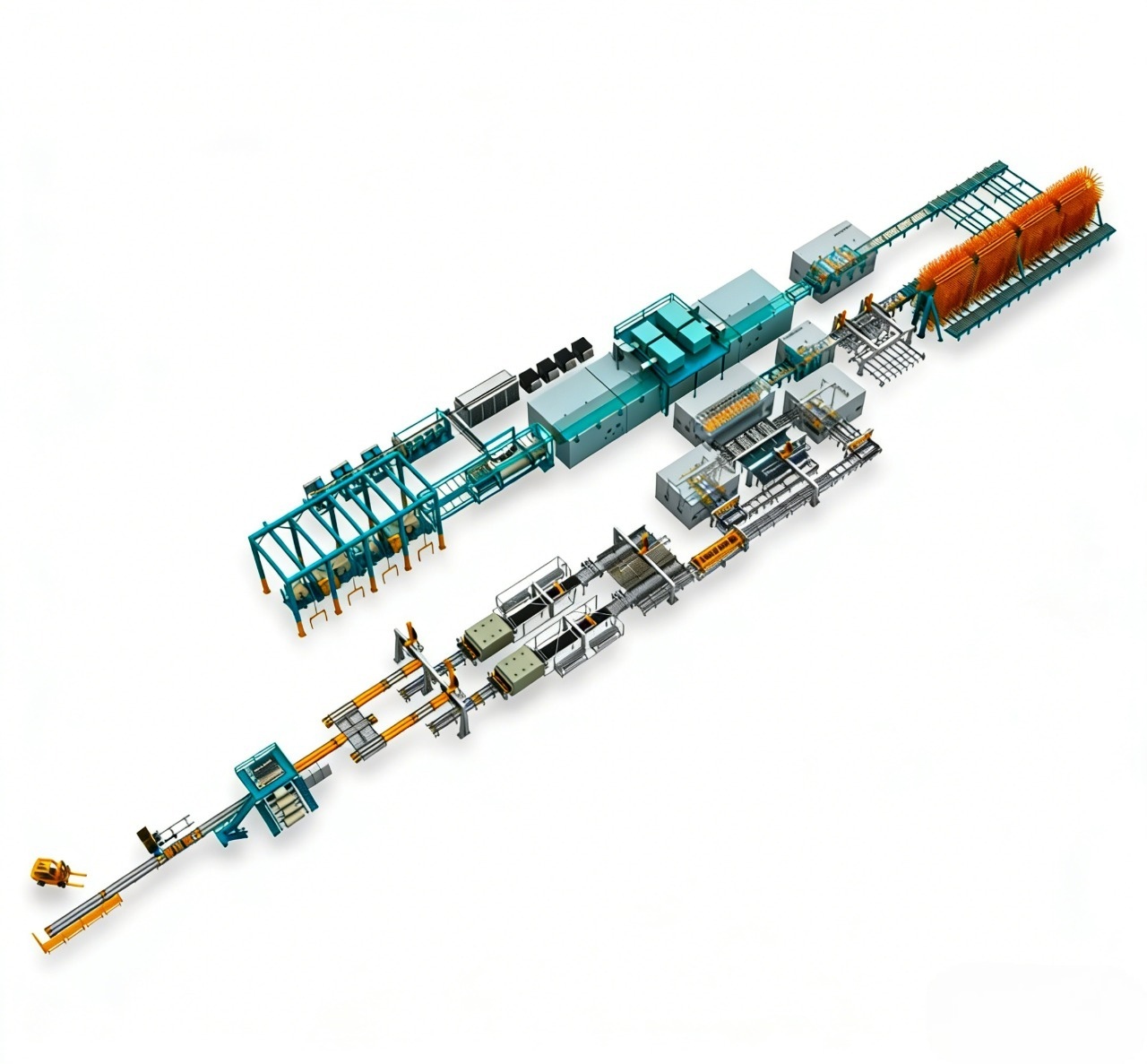
Recirculation and temperature control are part of the same metering stability problem as pump calibration. <PU Foam Injection Machine: Key Components & Calibration Best Practices> covers component-level checks that help keep ratio and temperature behavior predictable.
Level Control and Refill Logic Are Part of Tank Sizing
Tank volume is only useful if the control system knows when to start and stop refilling. Set the low-level alarm above the pump suction minimum, and set the high-level stop below the overflow or vent line. The difference between those two points is the usable control band.
If the refill pump is slow, the low-level setpoint must be high enough to cover consumption during the refill cycle. If the refill source is a drum exchange, the tank needs additional reserve for the time an operator takes to swap containers. A premixing station can monitor the day tank level and pump automatically from an IBC or drum, which reduces the manual reserve required. Haifeng’s auxiliary polymer premixing station, for example, uses buffer tank logic to keep the metering machine running while the empty transport container is replaced.
The filling method also affects the tank height and nozzle placement. A high-velocity fill stream can introduce bubbles or disturb settled material if the inlet is poorly placed. For many materials, the fill line should discharge below the liquid surface or through a sub-surface connection to reduce air entrainment and splashing.
Material-Specific Sizing Factors for Polyol, Isocyanate and Filled Systems
Each material leg has its own failure mode. Isocyanate must be protected from moisture, so the headspace should be small, sealed, dry-air or nitrogen blanketed, and the level should not spend long periods low with a large humid air volume. Polyol blends may need continuous agitation to keep catalysts, water and additives evenly distributed. Filled systems, such as mineral-filled polyol or pigmented systems, need more attention to settling.
| Material stream | Main day-tank concern | Key design requirement | Failure if ignored |
|---|---|---|---|
| Isocyanate | Moisture uptake in headspace | Small sealed tank, dry-air or nitrogen blanketing | Side reactions, gassing or reduced reactivity |
| Polyol blend | Additive settling or segregation | Continuous agitation with adequate coverage | Hardness or density drift across batches |
| Filled polyol | Solids settling in dead zones | Bottom outlet design, low-shear suspension | Compacted solids, ratio error, pump wear |
| High-viscosity polyol | Restricted suction flow | Short suction path, large outlet and line | Cavitation, pulsation, metering error |
| Blowing-agent-containing polyol | Vapor loss during long residence | Low headspace, sealed vent and temperature control | Density loss and unstable nucleation |
A large tank can be a liability for reactive or moisture-sensitive materials because longer residence time increases the chance of side reactions, water pickup or additive separation. The tank size should match the turnover rate, not represent storage capacity. Bulk storage belongs in the raw material warehouse or a separate premixing room.
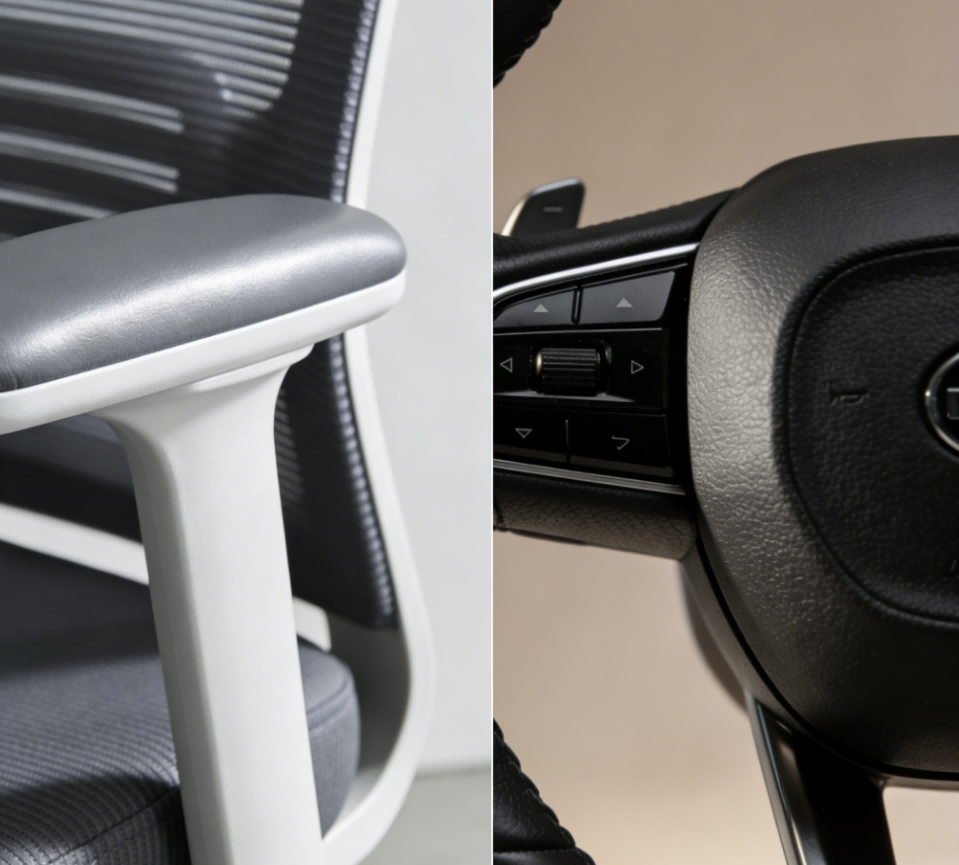
Different polyurethane material systems move through the same basic machine types but impose different feed and mixing constraints. <Polyurethane Foam Machine: Types, Working Principle and Applications> covers how machine type and process requirements are matched to the material system.
A Day Tank Sizing Checklist for a Low-Pressure PU Machine
Before approving a tank size, confirm these points:
- Calculate the continuous component flow at the highest expected output, not the average.
- Add the recirculation flow that returns to the tank.
- Define the longest unsupervised run or drum-exchange interval.
- Confirm the tank is not so large that residence time harms the material.
- Check the low-level sensor is above the pump suction minimum, not at the tank bottom.
- Check the high-level alarm or overflow vent leaves adequate headspace.
- Confirm the heating or cooling system can condition the largest refill batch in the available time.
- Verify agitation keeps material uniform without pulling air into the suction.
- Test the refill cycle at the machine’s peak consumption before production start.
The final number is not just the tank volume. It is the combination of working volume, usable control band, recirculation hold-up, conditioning capacity and refill response. If those elements do not agree with the metering machine’s actual takeaway, the tank will become a source of process variation instead of a buffer against it.
Day Tank Sizing Support for Your Low-Pressure PU Line
Send the system name, raw material grades, mixing ratio, required total output, recirculation flow, refill interval and available headroom. Haifeng Polyurethane Machinery will review the tank capacity, level-control setpoints and conditioning capacity against the machine’s actual metering demand. Contact info@haifeng-automation.cn or WhatsApp 86 13566296633.
FAQ
Does a larger day tank always improve production stability?
No. A larger tank can reduce refill interruptions, but it increases residence time and may worsen settling, moisture pickup or temperature recovery. Size the tank for the longest controlled run plus a refill band, then stop. Extra volume is not automatically safer.
Can one day tank feed both polyol and isocyanate?
No. Polyol and isocyanate must remain separate, with separate tanks and conditioning. They have different ratios, viscosities and moisture sensitivity. A shared tank would also create contamination risk and unsafe reaction.
What happens if the tank level runs low during a shot?
The pump can draw air or lose suction, producing bubbles, ratio drift or a short shot. The low-level alarm must be above the suction minimum and tied to the refill control so the machine has enough material to finish the current cycle.
How does sizing change for filled or abrasive materials?
For filled materials, add more agitation and design the bottom outlet to avoid dead zones. The tank may need a slower turnover and larger suction path, but the volume itself should not be increased just to hold more solids. Residence time still matters.
If you’re interested, check out these related articles:
Rotary vs Linear PU Shoe Machines
PU Shoe Injection Machine Troubleshooting Guide
Rain Boot Manufacturing Equipment List
How to Reduce Defects in PU Shoe Production
What Is the Best Machine for Rain Boot Production