Small flow is harder because fixed errors do not shrink with the shot. A metering machine has a small amount of internal clearance, pump slip, sensor deadband, and mixing-chamber volume that stays roughly constant whether the machine is running at 2,000 g/min or 20 g/min. At high output, those fixed offsets are a tiny percentage of the shot. At minimum output, the same offsets become a large share of every dispense, so ratio drift, shot-weight variation, and wet-out problems appear even though the machine performed well in normal production.
This article explains the main sources of that low-output error, the machine features that reduce it, and what to check before accepting a minimum-output specification.
Why Small Flow Is Harder Than High Flow
Low-pressure polyurethane metering depends on two interacting demands: the machine must hold the A and B component ratio accurately while also starting and stopping the flow without a tail, splash, or pre-shot pressure error. At high flow, a momentary pump-speed error or a small bypass leak is diluted by a large shot volume. At low flow, the same physical deviation becomes a much larger percentage error.
Consider a pump circuit with an internal slip of 0.5 g/min. At 1,000 g/min that is 0.05 percent. At 20 g/min it is 2.5 percent, and a ratio-sensitive system may already be outside the tolerance window. This is not a precision failure in the pump alone. It is the effect of a fixed mechanical clearance operating close to the bottom of the output range.
The table below shows how several control areas behave differently at high flow and minimum output.
| Control area | At high flow | At low flow |
|---|---|---|
| Pump internal slip | Small percentage of output | Large percentage of output |
| Flow sensor resolution | Error is diluted by shot volume | Error occupies a higher share of the shot |
| Dynamic mixing chamber | Refills quickly with fresh material | Refill time lengthens and residence time increases |
| Shot cut-off and recirculation | Stable pressure before and after dispense | Pressure recovery or bypass transition disturbs the shot |
This difference explains why a machine can pass a ratio test at 80 percent of its output range and still fail at 5 percent. The high-flow test does not prove the low-flow corner.

What Minimum Output Really Means
Minimum output is not a single number stamped on the pump. It is the lowest flow rate at which the complete metering unit can deliver the required component ratio, shot accuracy, and repeatability under the customer’s material conditions. A raw material with high viscosity, filler, or shear-sensitive behavior moves the realistic minimum output upward.
There are four practical minimums to compare:
- The pump and drive minimum, where speed or flow remains controllable without pulsation.
- The recirculation minimum, where the system maintains enough velocity to keep the material conditioned and the pressure stable.
- The mixing head minimum, where the chamber fills correctly and the material exits without trapping air or degrading.
- The system minimum, where all of the above remain valid for the required shot size, ratio, and cycle time.
A vendor may state the lowest possible pump opening, but the useful minimum output is the system minimum. It is always higher than the pump’s theoretical lower limit.

Pump and Drive Limits at Small Flow
The pump choice has a direct effect on the low-output corner. Gear pumps generally offer smooth continuous flow and good performance for filled materials, but the internal clearances that protect the pump also allow slip. When the output is low, the slip becomes a larger share of the delivered flow.
Piston or plunger pumps behave differently. They are positive-displacement devices that can hold a more direct relationship between stroke and shot volume, but at very low speed they may produce pulsation unless the drive and accumulator are designed for that range. Screw pumps can support high-viscosity and filled materials, but their minimum stable output also depends on clearance, material lubrication, and inlet pressure.
The minimum output specification should always be tied to the pump type and the material viscosity range. A pump that is excellent at 500 g/min may be unusable at 15 g/min with the same clearances and control loop.
Mixing Head Behavior at Low Output
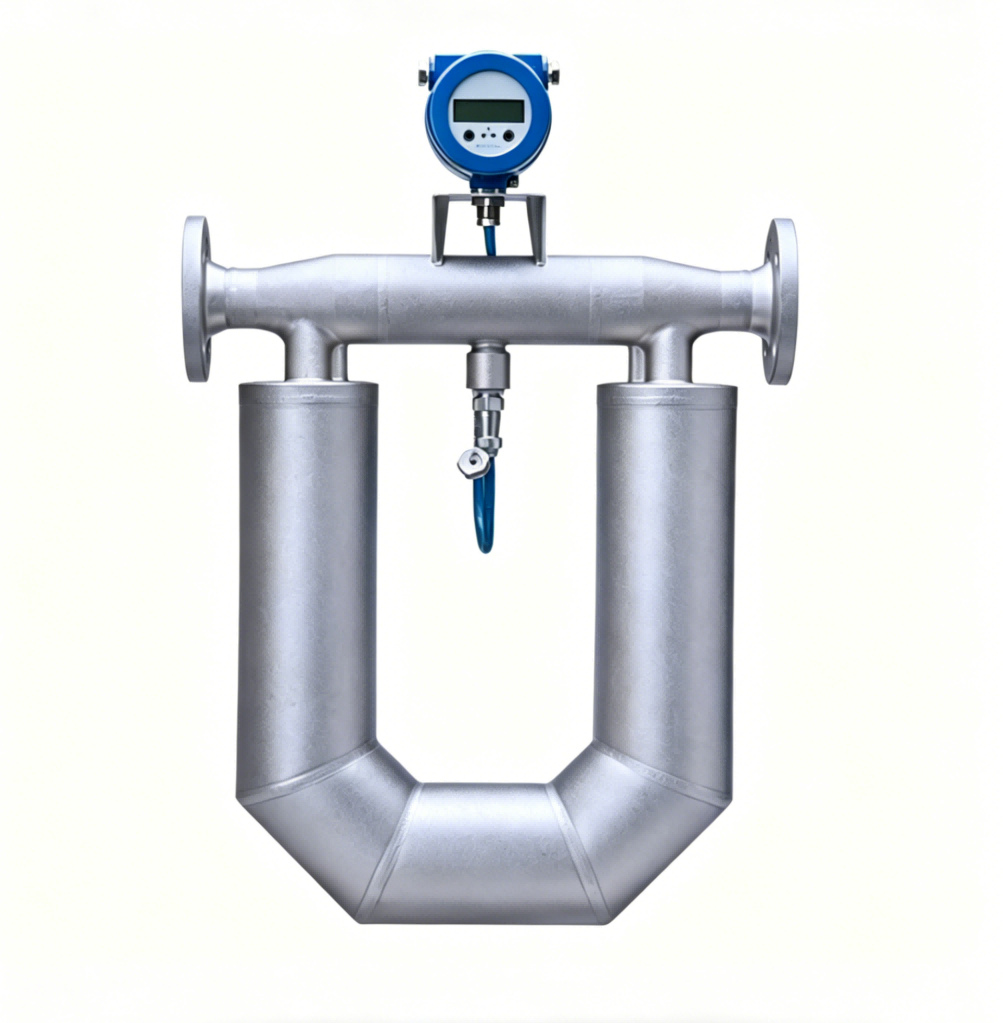
In low-pressure dynamic mixing, the mixing head is not a passive nozzle. It has a chamber volume, a rotor or stirrer, and a recirculation path. At low output, the chamber refill time becomes significant. The material stays in the mixing zone longer, which can be useful for complete mixing but harmful for reactive systems with limited pot life.
Three problems show up in this region. First, the chamber may not reach a fresh steady state before the shot ends, so the first part of the shot has a different concentration history than the last part. Second, the recirculation bypass may not close cleanly at the start of a shot, causing a pressure dip or a ratio shift. Third, solvent flushing or air purge timing can disturb the next small shot more than it would disturb a large one.
At low output, the dynamic mixing chamber and recirculation path control the result more than the basic pump curve. > Low-pressure machines often pass their worst tests when the pump, mixing head, and solvent-flush logic are treated as one system. <Polyurethane Foaming Machine: How It Works, Components & Maintenance Tips> covers how those metering, mixing, and maintenance points interact in daily operation.

How to Define a Workable Low-Flow Window
A workable low-flow window is not defined by a catalogue turndown ratio alone. It is defined by the combination of minimum shot size, cycle time, component viscosities, mixing ratio, and permitted repeatability.
The practical test is a shot-weight study at the proposed low output. Run a series of short shots with the real material, not a low-viscosity test fluid. Weigh each component after a stable warm-up period, record the shot-to-shot variation, and then run a ratio check under conditions that match production, including material temperature and inlet pressure.
When the machine is running at the bottom of its range, the required checks are:
- Confirm that the pump and drive remain in closed-loop control rather than switching to an open-loop minimum speed.
- Confirm that the recirculation or bypass transition does not create a visible start-of-shot pressure sag.
- Confirm that the mixing chamber refills fresh material before the dispense begins.
- Confirm that shot weight stays inside the required repeatability band for at least twenty consecutive cycles.
A machine that cannot meet these checks at the quoted minimum output should be rated at a higher, honest minimum. That is not a machine defect by itself; it is the real operating boundary of that metering system with those materials.
Machine Features That Improve Small-Shot Accuracy
Several design choices reduce the low-flow error without forcing a move to a high-pressure machine.
A closed-loop servo drive with a flow meter or feedback on pump speed helps correct errors before they become a full shot. A small-volume mixing chamber helps the head reach a fresh steady state faster at the bottom of the range. Temperature control on the material lines keeps viscosity predictable, which matters more at low flow because viscosity changes alter pump slip and line pressure.
The most important feature is a specified turndown that comes with test data. A machine built with high-precision metering pumps and closed-loop flow control may specify a metering accuracy of plus or minus 0.5 percent, but that number alone does not identify the lowest output at which the accuracy still holds. The usable low-flow window must be supported by the pump curve, mixing-head design, recirculation logic, and a repeatability test with the customer’s material.

Define Your Small-Flow Window Before Buying
If you are comparing low-pressure metering machines for small shots, send the actual process inputs instead of starting from a nominal output figure. Include the planned shot size, cycle time, component viscosities and filler content, mixing ratio, material temperature, and the required shot-weight repeatability. That information is enough to evaluate whether the quoted minimum output is real for your material and not just a pump’s theoretical lower limit.
Send those details, along with any existing material TDS or trial data, to info@haifeng-automation.cn or WhatsApp +86 13566296633.
FAQ
What is the smallest shot a low-pressure PU machine can reliably meter?
There is no universal smallest shot. The reliable minimum depends on the pump type, material viscosity, mixing head chamber volume, recirculation behavior, and cut-off accuracy. A useful low-flow rating must be tied to a shot-size test with the customer’s material rather than to the pump’s theoretical lower opening.
Why does the ratio drift mainly at low output?
At low output, fixed mechanical effects such as pump slip, sensor resolution, and mixing chamber volume become a larger percentage of the dispensed shot. A small bypass leak or a slow recirculation transition can move the A to B ratio enough to matter at 20 g/min even when the same machine is stable at 500 g/min.
Is a gear pump better than a piston pump for small flow?
It depends on the material and the shot pattern. Gear pumps give smoother continuous flow and often handle filled materials well, but internal slip becomes more important at low flow. Piston pumps maintain positive displacement but can pulsate at low speed unless the drive and accumulator are designed for that range. The better choice depends on viscosity, filler content, shot size, and required repeatability.
How do I know whether a minimum output specification is realistic?
Ask for a low-flow test report with the real material, not a test fluid. A realistic specification includes the minimum shot size, shot-to-shot weight variation, ratio accuracy, and the recirculation and mixing-head settings used during the test. Without those details, a quoted minimum output may only reflect the pump’s theoretical limit.
If you’re interested, check out these related articles:
How to Prevent Tire Punctures in Mining
Cost of Setting Up a PU Safety Shoe Factory
How to Choose a Tire Foam Filling Machine
How to Design a PU Shoe Factory Layout
PU Shoe Machine Price Guide for Manufacturers