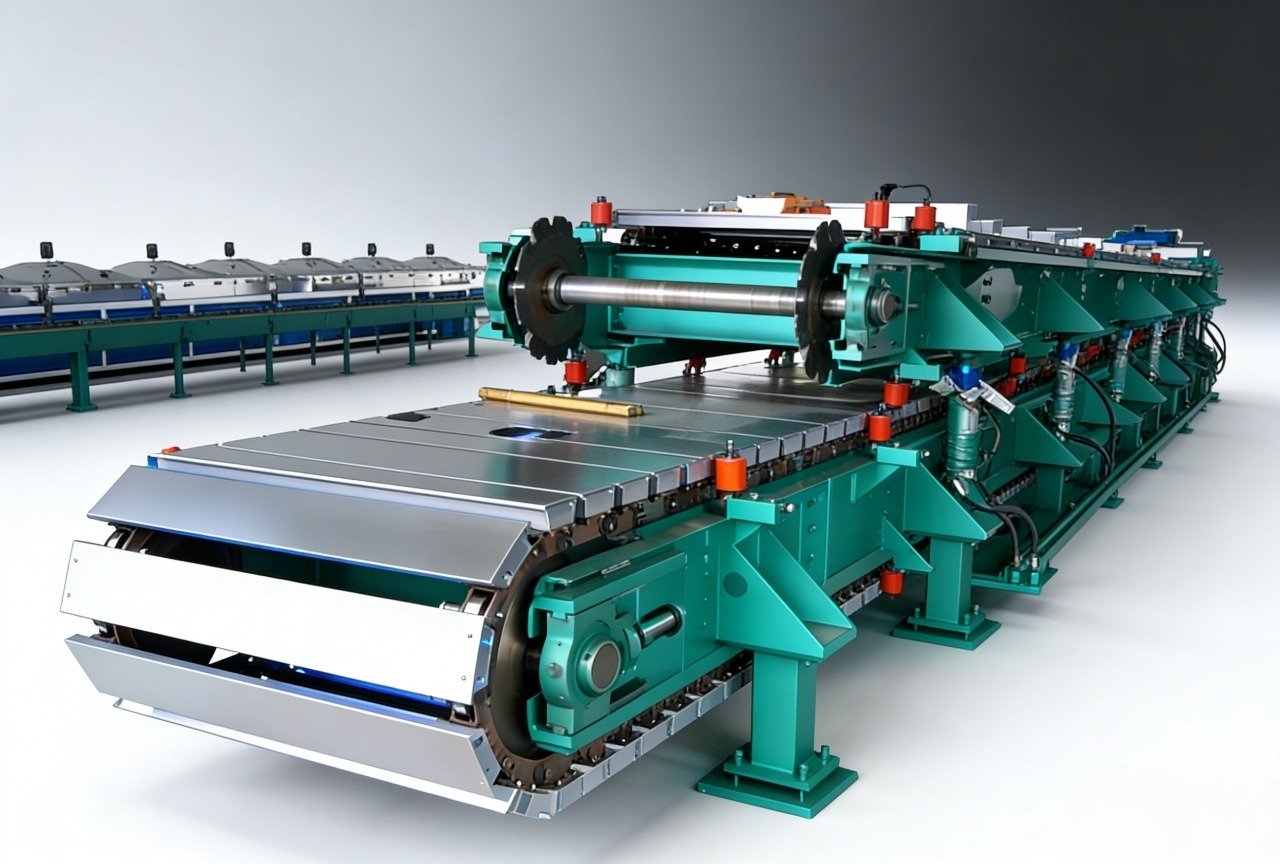
A polyurethane foam machine is the piece of equipment that accurately meters, mixes, and dispenses the two main components – polyol and isocyanate – together with additives to form polyurethane foam. In production environments, the quality of the foam – and the final product – depends far more on how these materials are handled than on the chemical formulation alone. A poorly metered shot or an insufficiently mixed stream will create density variations, shrinkage, surface defects, and inconsistent cell structure, regardless of the quality of the raw materials.
The machine is not a simple pump-and‑pour device. It is the control centre of a chemical reaction that must be triggered with precision, under controlled temperature and flow conditions, and delivered to a mould or substrate at exactly the right time. Understanding the basic types, their working principles, and where they fit in different manufacturing processes is the first step towards productive, low‑scrap foam processing.
How a Polyurethane Foam Machine Works
At the core of every PU foam machine, whether low‑pressure or high‑pressure, a metering system draws the polyol and isocyanate from storage tanks and delivers them in a tightly controlled ratio to the mixing head. The two components are kept separate until the point of mixing because the reaction starts immediately and generates heat and carbon dioxide (or physical blowing agent expansion) that forms the foam structure.
-
Metering – Gear pumps, piston pumps, or servo‑driven systems move the components. On modern systems, closed‑loop control continuously adjusts pump speed to maintain the target ratio even when material viscosity changes or back‑pressure varies. A deviation of one percentage point in the component ratio can shift final foam density by more than 3 kg/m³, enough to turn a compliant part into a reject.
-
Temperature conditioning – Both materials pass through heat exchangers to reach the reaction temperature required by the specific formulation. Temperature stability directly affects viscosity, reaction speed, and foam cell size. In high‑output lines, the machine’s temperature control system must compensate for the heat generated by the mixing process itself.
-
Mixing – Inside the mixing head, the two streams collide. The mixing mechanism differs fundamentally between machine types (see below), but the principle is the same: create intimate contact between the components in milliseconds, before the mixture leaves the head. Mixing uniformity greater than 99.5 % is not a luxury; it is the minimum needed to avoid soft spots and delamination.
-
Dispensing – The reacting mixture flows into an open mould, is injected under pressure into a closed cavity, or is sprayed onto a surface. The dispense pattern, flow rate, and timing relative to mould movement (in conveyorised lines) determine whether the foam fills the cavity evenly or traps air and creates voids.
-
Clean‑out – Because the reaction continues inside the mixing head if material residues remain, every machine has a cleaning mechanism. Low‑pressure machines often flush with solvent or use mechanical cleaning; high‑pressure machines typically rely on a self‑cleaning design that purges the mixing chamber with a piston after each shot.
Main Types of Polyurethane Foam Machines
The practical difference between machine types is not just operating pressure; it is the set of physical principles used to achieve mixing and the resulting process capabilities. The following categories cover the vast majority of industrial polyurethane processing.
Low‑Pressure Foaming Machines
Low‑pressure machines operate at 2–6 MPa and rely on a mechanical stirrer or static mixer inside the mixing head to blend the components. Because the mixing energy comes from a motor‑driven agitator rather than from the fluid pressure itself, these machines can handle a wide range of viscosities and even heavily filled formulations containing mineral fillers, pigments, or flame retardants.
Advantages for production:
– Lower energy consumption than high‑pressure equipment for equivalent throughput.
– The mixing head can be easily adjusted or replaced for different materials.
– Often the first choice for footwear, furniture cushions, small‑volume moulded parts, and prototyping.
A practical machine in this class is the Haifeng LJJ Series Low‑Pressure Foaming Machine, engineered with high‑precision metering pumps (typical accuracy ±0.5 %) and an exclusive low‑pressure mixing head that ensures uniform mixing without high‑pressure impingement. This type of equipment is widely used for two‑color, dual‑density moulded products and for flexible foam parts in the home appliances and footwear sectors.
High‑Pressure Foaming Machines
High‑pressure machines operate at 10–20 MPa, and mixing is achieved by the collision of the two component streams inside a small mixing chamber. No mechanical stirrer is needed; the impingement energy alone creates the micro‑scale interaction required for complete mixing. Because the mixing head is self‑cleaning (the piston following each shot scrapes the chamber walls), there is no need for solvent flushing, which makes these machines ideally suited for high‑cycle, fully automatic lines.
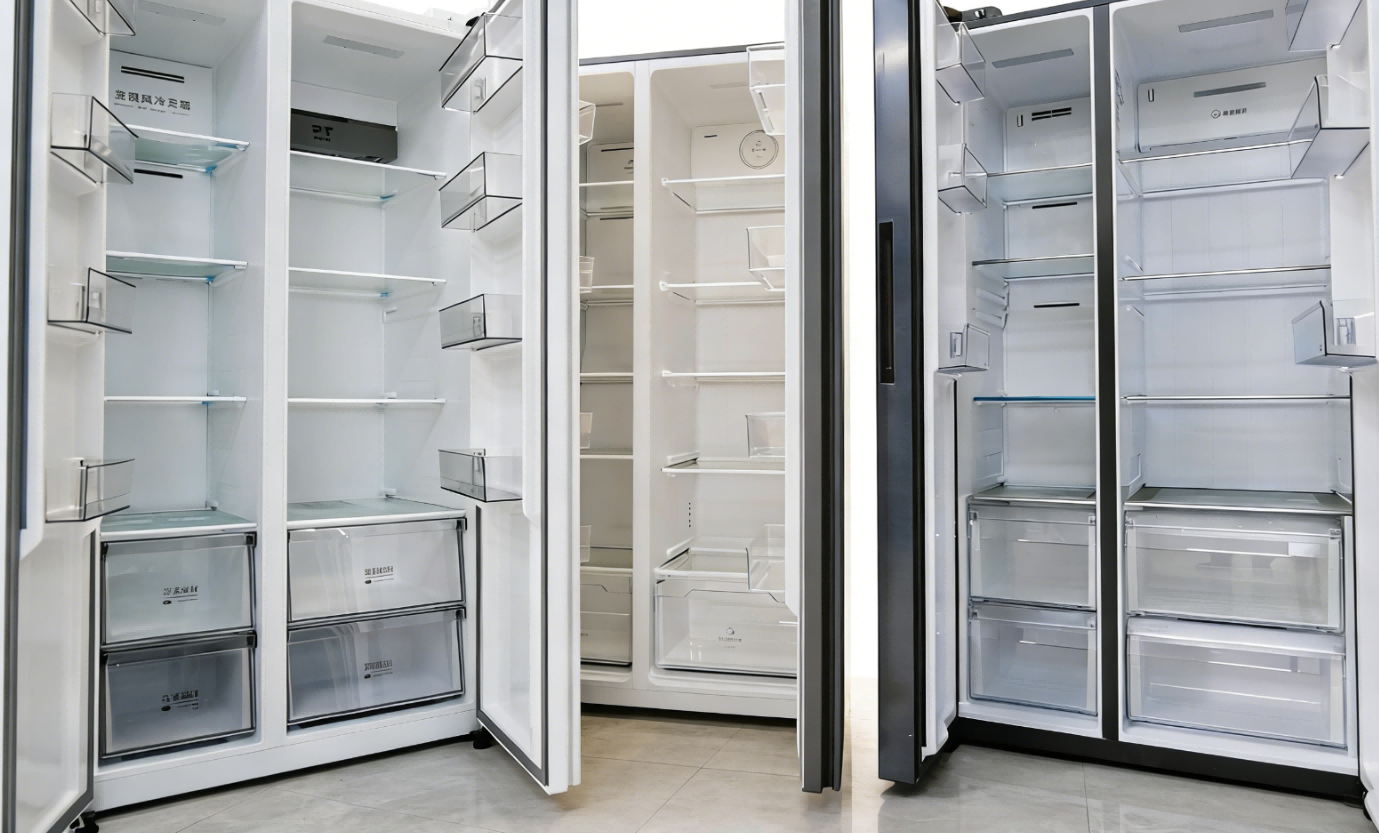
High‑pressure machines dominate automotive interior production: car seats, headrests, steering wheels, and instrument panels. In these applications, the short injection time and rapid demoulding cycles are essential for high‑volume manufacturing. They are also the standard choice for refrigerator and medical sponge moulding because the closed‑mould process ensures a skin‑forming, smooth surface.
For example, a high‑pressure PU foaming machine designed specifically for car seat cushion production integrates precision metering, a hydraulic or linear‑motor self‑cleaning head, and multi‑axis mold carriers so that the foam is injected at the exact density and distribution required for comfort and durability.
Elastomer Casting Machines
Polyurethane elastomer systems (prepolymers cured with a chain extender) require fundamentally different processing from foam. The machine must handle much higher viscosities, maintain a vacuum on the material to eliminate gas bubbles, and pour the mixture into open molds where it cures into a solid, resilient part.
Elastomer casting machines are employed for industrial rollers, seals, printing rollers, pipe linings, photovoltaic guide rollers, and high‑load wheels. In a CPU (casting polyurethane) process, the machine precisely meters the prepolymer and chain extender (MOCA or BDO), mixes them under vacuum, and delivers the bubble‑free compound. Temperature control is especially critical because the pot life of the mixed material is short, and gelation must happen after the pour is complete.
Spray Foam Machines
Spray machines are designed for applying a fast‑reacting polyurethane foam or coating directly onto a surface. The two components are metered, heated, and pumped to a spray gun where they mix either internally or externally and then hit the substrate. The critical parameters are spray pattern uniformity, coating thickness control, and adhesion.
Modern spray equipment, such as Haifeng’s robotic‑assisted spraying systems, uses a 6‑axis robot combined with a precision metering unit. Flow rate is adjusted automatically based on robot movement speed, so coating thickness stays within ±0.1 mm across complex curved parts. This capability is essential for automotive interior trim, industrial insulation, and waterproofing applications where manual spraying cannot deliver the required consistency.
Robot‑Assisted Pouring and Spraying Systems
For parts with complex three‑dimensional contours – automotive cockpits, new energy battery housings, medical devices – a fixed‑head pouring or spraying station is not enough. A 6‑axis industrial robot with a dedicated pouring program can follow the mould or part geometry, maintaining the correct distance, speed, and orientation. The robot’s repeat positioning accuracy of ±0.05 mm translates directly into part dimensional stability and minimal foam waste.
The integration of robot and metering unit requires synchronisation between the robot controller and the machine’s PLC. In the best‑executed systems, the machine’s flow rate adapts in real time to the robot’s instantaneous speed, ensuring that the same mass of foam is applied per unit area irrespective of path curvature. This is not standard on all commercial solutions and is an important point to verify when sourcing an automated cell.
Common Applications Across Industries
The versatility of polyurethane chemistry means a single machine type can serve multiple sectors, but each application places particular demands on the equipment specification.
Footwear – Midsoles, insoles, and sandal soles require a machine that can pour two‑color, dual‑density components with a fine cell structure and a consistent rebound feel. Low‑pressure machines are the traditional choice, but high‑pressure systems are gaining ground where volume and mould utilisation are critical.
Automotive – Seats, headrests, steering wheels, acoustic insulation, and interior trim components. High‑pressure injection machines dominate here because of cycle‑time requirements and the need to produce integral skin products with a high‑quality surface. The metering system must hold a ratio tolerance within ±0.5 % to maintain the same hardness and resilience from part to part.
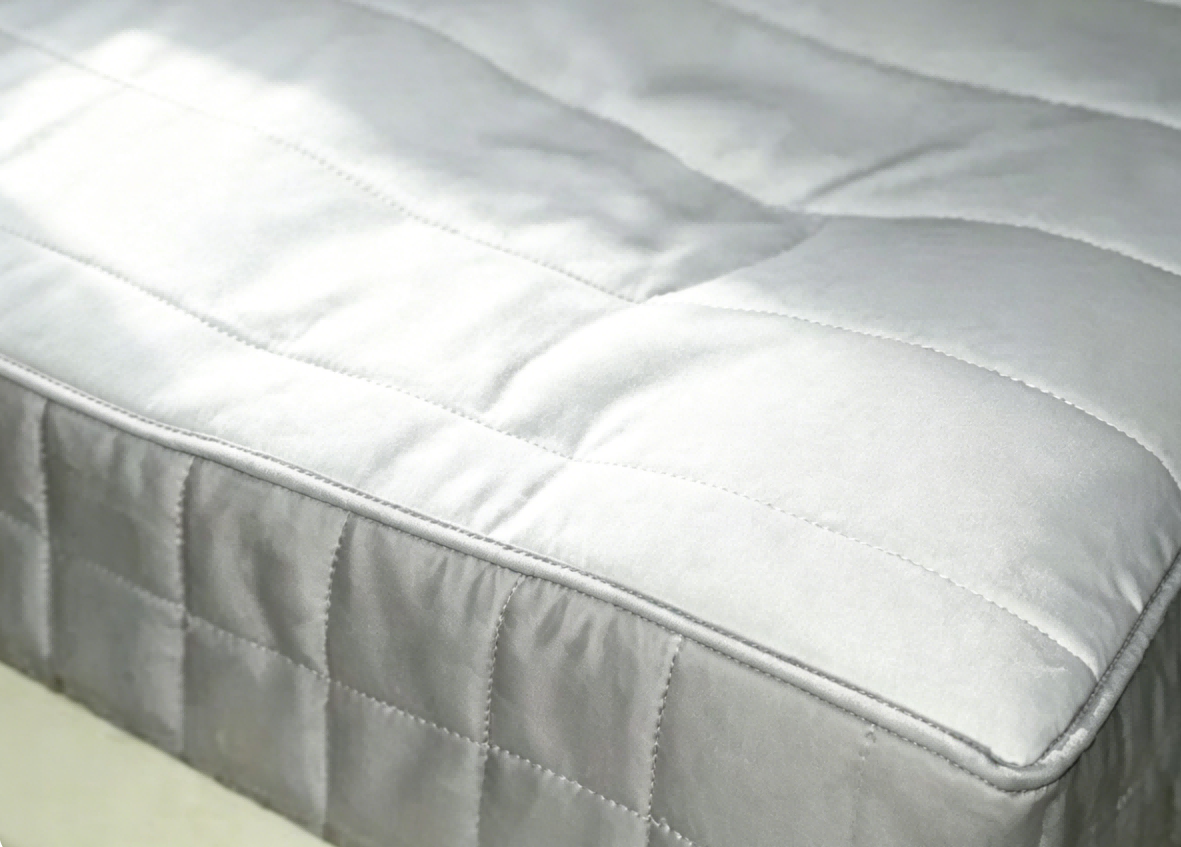
Furniture and Bedding – Flexible slabstock foam for sofas and mattresses is produced on continuous foaming lines, while individual cushion shaping uses low‑pressure pouring machines. The main concern is foam density consistency and the avoidance of pinholes that lead to premature softening.
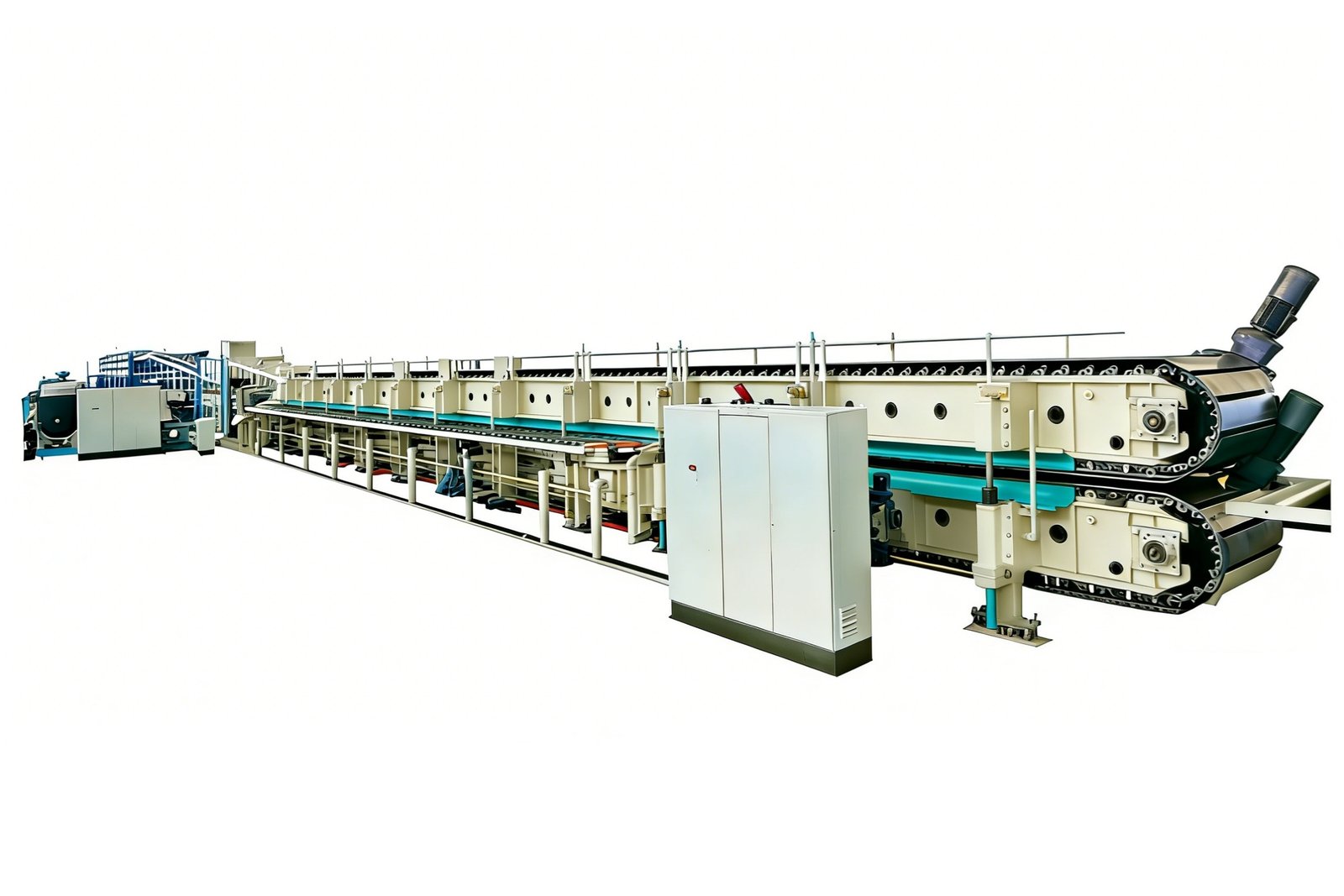
Building and Insulation – Rigid PU/PIR foam is sprayed for roof and wall insulation or injected to fill the core of sandwich panels. Spray machines must maintain a stable 1:1 mixing ratio and an even coating thickness, often in challenging outdoor conditions. For sandwich panel lines, the foam machine interfaces with a continuous lamination line, and the metering must adapt to line speed to keep the core density constant.
Medical and Food‑Contact – PU wound dressings, medical sponges, and food‑grade seals need machines that can process materials meeting biocompatibility or FDA standards, with absolute traceability of every batch parameter and validated cleaning procedures between material changes.
Key Factors to Consider When Selecting a Machine
Choosing the right polyurethane foam machine is not simply a matter of matching pressure rating to budget. The following criteria often make the difference between a line that runs at 90 % OEE and one that generates 5 % scrap and frequent downtime.
Metering accuracy and stability under real production conditions – A specification of ±1 % accuracy in a lab is not the same as maintaining that accuracy when the material temperature drifts over a 24‑hour shift or when the pump draw changes as the supply drum empties. Servo direct‑drive closed‑loop systems, as found on advanced machines, monitor and correct flow errors in real time.
Mixing head design and compatibility – The mixing head determines the foam quality and determines how much solvent you consume for cleaning. For high‑pressure heads, the self‑cleaning piston must withstand thousands of cycles with minimal wear; for low‑pressure heads, the agitator geometry must suit the material viscosity and the required output range. A standardised interface for quick head changeover is an advantage if you process multiple formulations in one line.
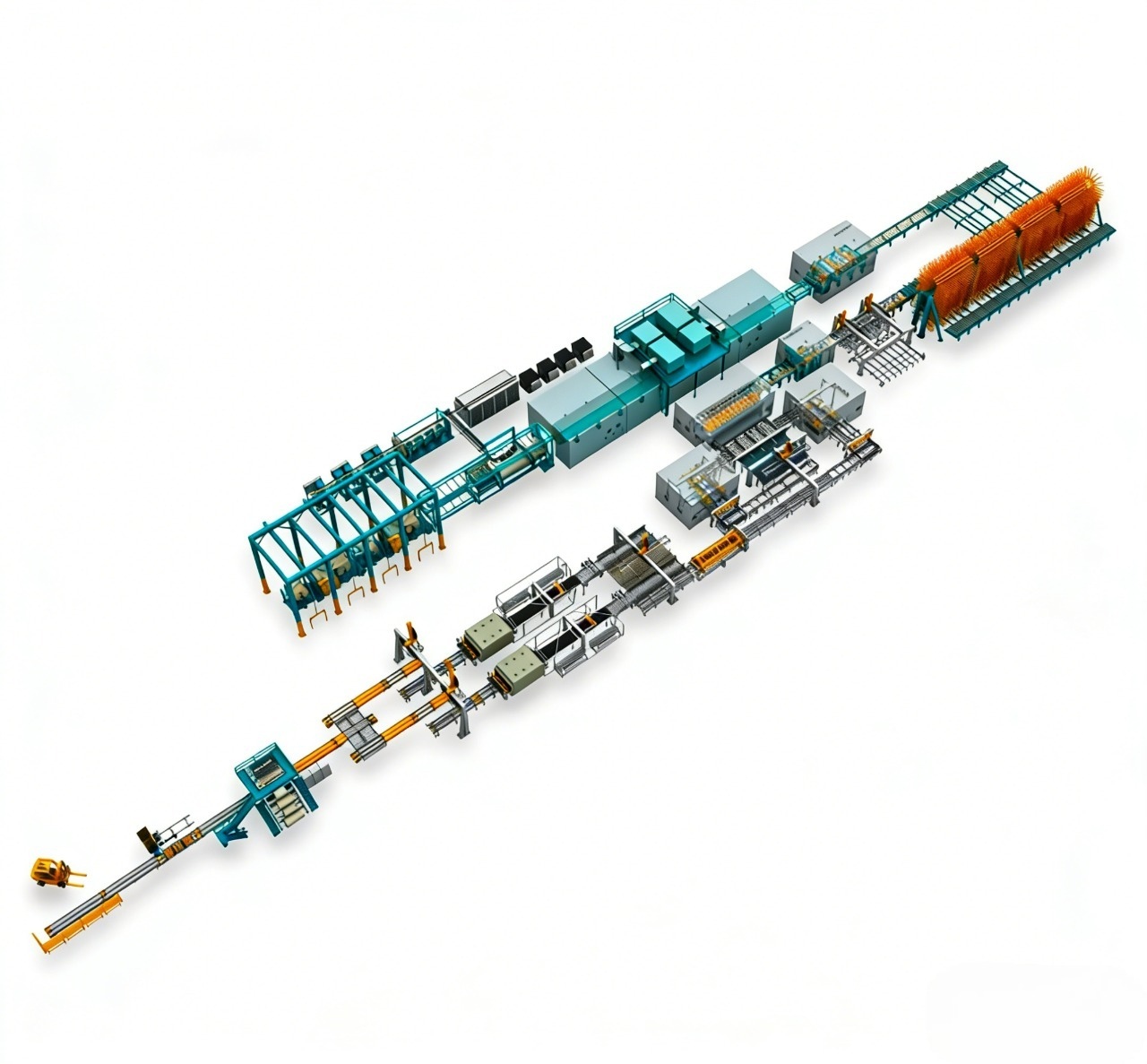
Automation and system integration – In a turnkey production cell, the foam machine must talk to the robot, the mould conveyor, the preheating oven, and the SCADA system. Check that the manufacturer provides not only the software protocol but also commissioning support for the full integration.
Maintainability and spare parts support – Machine downtime is far more expensive than the price of a spare pump. Look for features such as easily accessible metering units, tool‑less removal of the mixing chamber, and remote diagnostics capability.
Process‑specific capabilities – If you need dual‑density pouring, vacuum‑assisted defoaming, or the ability to switch between open‑pour and closed‑mould processes on the same machine, verify that the equipment is initially built for that flexibility. Retrofitting such features later is rarely cost‑effective.
Practical Production Insights
From the hundreds of installations we have been involved in, a few patterns emerge that separate smooth‑running lines from constant trouble‑shooting.
1. The ratio drifts, not by failure but by neglect. Gear pump clearances wear, seals degrade, and filter screens clog. Operators often notice the problem only when foam density has shifted enough to be obvious. A daily check of the actual component ratio, using a simple weigh‑scale method on a test shot, catches the trend long before scrap starts appearing.
2. Material conditioning is part of the machine, not an accessory. The raw material premixing station – with agitators, recirculation lines, and temperature‑controlled oven – must keep the polyol and isocyanate within the supplier’s recommended viscosity and temperature window 24 hours before they reach the metering unit. When a production line produces soft foam at 8 a.m. and different foam at noon, the cause is almost always insufficient material conditioning overnight.
3. Cleaning is a process step, not a chore. A poorly purged mixing head will gradually build up solidified material that changes the flow geometry and, in high‑pressure heads, can damage the piston seals. Automating the cleaning cycle – air flush, liquid wash, air purge – with an interlock that prevents the next cycle until clean‑out is complete is one of the highest‑payoff reliability improvements a plant can make.
4. Choose metering stability over nominal throughput. A machine capable of 80 kg/min that holds its ratio within ±0.3 % will produce more good product over a month than a machine rated at 120 kg/min that shows a ±1.5 % swing when back‑pressure changes. This is especially true for continuous foaming lines where the extruded slab must maintain uniform density along its entire length.
Frequently Asked Questions
What is the difference between a low‑pressure and high‑pressure PU foaming machine?
Low‑pressure machines use a mechanical stirrer to mix the components; they run at 2–6 MPa and are ideal for viscous, filled systems and for smaller production volumes. High‑pressure machines achieve mixing through impingement at 10–20 MPa, clean themselves between shots, and are the standard for high‑cycle, closed‑mould processes such as automotive interiors.
Can one machine produce both rigid foam and flexible foam?
Yes, provided the machine’s material handling and mixing system can accommodate the different viscosities and reactivity profiles. The machine must be thoroughly cleaned when switching between foam types to avoid cross‑contamination that can cause foam collapse or density errors. Dedicated machines are still the norm in high‑volume lines.
What maintenance does a polyurethane foam machine require?
Daily checks of the component ratio and mix‑head condition; weekly inspection of pump seals, filters, and temperature‑control elements; periodic replacement of wear parts in the mixing head and metering pumps according to the manufacturer’s schedule. Preventive maintenance is far cheaper than unplanned downtime.
How do I know which machine type is right for my application?
Start by quantifying your product’s requirements: required output (kg/min), number of formulations, shot size range, tolerance on foam density and hardness, and the level of automation needed. Then map these requirements against the capabilities of low‑pressure, high‑pressure, spray, or elastomer casting machines. The best first step is often to test your actual materials on the candidate machine.

Whether you are scaling up a prototyping line, integrating foam processing into a new product, or replacing machinery that no longer holds its ratio, the equipment you choose will determine your scrap rate, your cycle time, and the consistency your customers rely on. Haifeng Automation’s applications team, with its background in non‑standard machinery engineering and turnkey system integration, can help you match the right machine configuration to your specific process requirements. Contact us to discuss your production targets and material characteristics.