A production manager evaluating whether to invest in a high-pressure polyurethane foaming machine is often caught between two data points: the promise of faster cycle times from the sales brochure, and the scrap rates he’s been fighting on the line. The real decision doesn’t hinge on the “high pressure” label — it depends on whether the machine’s metering accuracy, mixing head design, and control architecture can hold a consistent foam density across 500 shots a day, with raw material that may vary by batch.
This guide breaks down the technical specifications that actually influence production quality, maps common industrial applications, and explains how to match machine parameters to the demands of your process.
Why High Pressure Isn’t Just “More Pressure”
Low-pressure foaming machines rely on mechanical stirring to mix polyol and isocyanate. They work well for low-viscosity systems or open-pour molds with forgiving tolerance. But when you need to fill a complex automotive seat mold in under eight seconds, or inject a medical-grade PU sponge with absolute cell uniformity, thorough mixing must happen at the molecular level — and that requires impingement mixing under high pressure.
High-pressure machines force the two components through opposing nozzles at pressures typically between 100 and 200 bar. The collision creates intense turbulence inside a small mixing chamber, achieving a mixing uniformity that mechanical stirring cannot replicate. Once the shot is complete, a high-speed cleaning piston purges the mixing chamber automatically, eliminating solvent flushing for most production cycles.
The immediate benefit is the ability to process fast-reacting, high-viscosity formulations without sacrificing consistency — a prerequisite for high-resilience foams, integral skin parts, and critical medical components.
Core Technical Specifications That Matter on the Production Floor
When comparing high-pressure PU foaming machines, several specifications go beyond nominal numbers. Here are the ones that directly affect output quality and line efficiency.
1. Metering System Accuracy
The foam’s final density — and by extension its hardness, resilience, and cell structure — is governed by the A/B component ratio. A deviation of ±1% in the ratio can cause density shifts of more than 3 kg/m³. In high-speed production, that drift translates into entire batches of parts falling outside tolerance.
- Target specification: Servo-driven closed-loop metering with real-time feedback correction. A well-engineered system holds metering accuracy at ±0.5% across the full flow range, automatically compensating for viscosity changes caused by temperature drift or material lot variations.
- What to ask: Does the control system monitor and adjust flow dynamically, or is it relying on pre-set motor speeds alone?
2. Mixing Head Design
The mixing head is the heart of the process. Two critical parameters define its performance:
- Impingement pressure: Must remain stable throughout the shot. The mixing chamber’s nozzle geometry, often based on adjustable needle or spool configurations, determines the pressure drop. Inconsistent pressure leads to “lead and lag” streaks — localized zones of off-ratio material at the start and end of a pour.
- Self-cleaning reliability: In high-pressure heads, the cleaning piston operates at the same pressure as the injection cycle. If the piston does not seal perfectly, material can seep into the recirculation path, creating dead zones that eventually cure and cause blockages.
A good mixing head maintains a mixing uniformity ≥99.5% and supports tandem production with zero solvent downtime for extended shifts.
3. Flow Rate Range and Turn-Down Ratio
Machine throughput is measured in grams per second (g/s) or kilograms per minute. The spec sheet may cite a maximum flow, but it’s the turn-down ratio — the range over which accurate ratio control is maintained — that defines flexibility.
- For a machine rated at 50–3000 g/s, you should expect ratio stability across the entire span. In practice, if you run a small 80 g shot for a steering wheel cover and a 1200 g pour for a refrigerator panel on the same day, the metering system must not lose its calibration window.
- Actionable tip: Request ratio tolerance data at 10%, 50%, and 100% of rated flow. If the supplier can’t provide it on request, assume the control system is not fully characterized.
4. Temperature Control Zones
Polyurethane reactions are exothermic and sensitive to heat history. Raw material temperature directly affects viscosity and reactivity, which in turn alters mixing quality and cream time.
Expect the machine to have independent PID-controlled heating zones for:
– Polyol tank and recirculation loop
– Isocyanate tank and recirculation loop
– Mixing head body
– Feed lines up to the nozzles
Temperature stability within ±1°C per zone is achievable with well-designed systems. When lines are shared across multiple mixing heads (e.g., carousel systems), each head should have its own temperature management to avoid hot-spot drift on the outer stations.
5. Control System & Data Integration
A modern high-pressure machine should offer more than a touch screen. The PLC should log:
– Per-shot ratio and flow traces
– Pour time and pressure curves
– Alarms for parameter deviations
– Maintenance counters for mixing head cycles
This data becomes indispensable when diagnosing process shifts. Without it, a technician can spend hours adjusting parameters by feel, chasing a density issue that actually originates in a slowly wearing nozzle insert.
Industry Applications & Machine Configuration Logic
High-pressure PU foam machines are not “one size fits all.” Three application families dominate the market, each imposing distinct technical requirements.
Automotive Interior Components

Parts: Seat cushions, backrests, headrests, steering wheels, armrests, instrument panels.
What the machine must deliver:
– Fast injection shot times (6–12 seconds) to match mold carrier cycle
– Integrated mold carrier communication for open-mold detection and pour synchronization
– Dual-density capability: many seat designs require a softer section for comfort and a firmer section for side bolsters, achieved by a single machine with two mixing heads or rapid formulation switching
– Consistent density with TDI/MDI blend formulations, which tend to be more reactive and less forgiving of metering lag
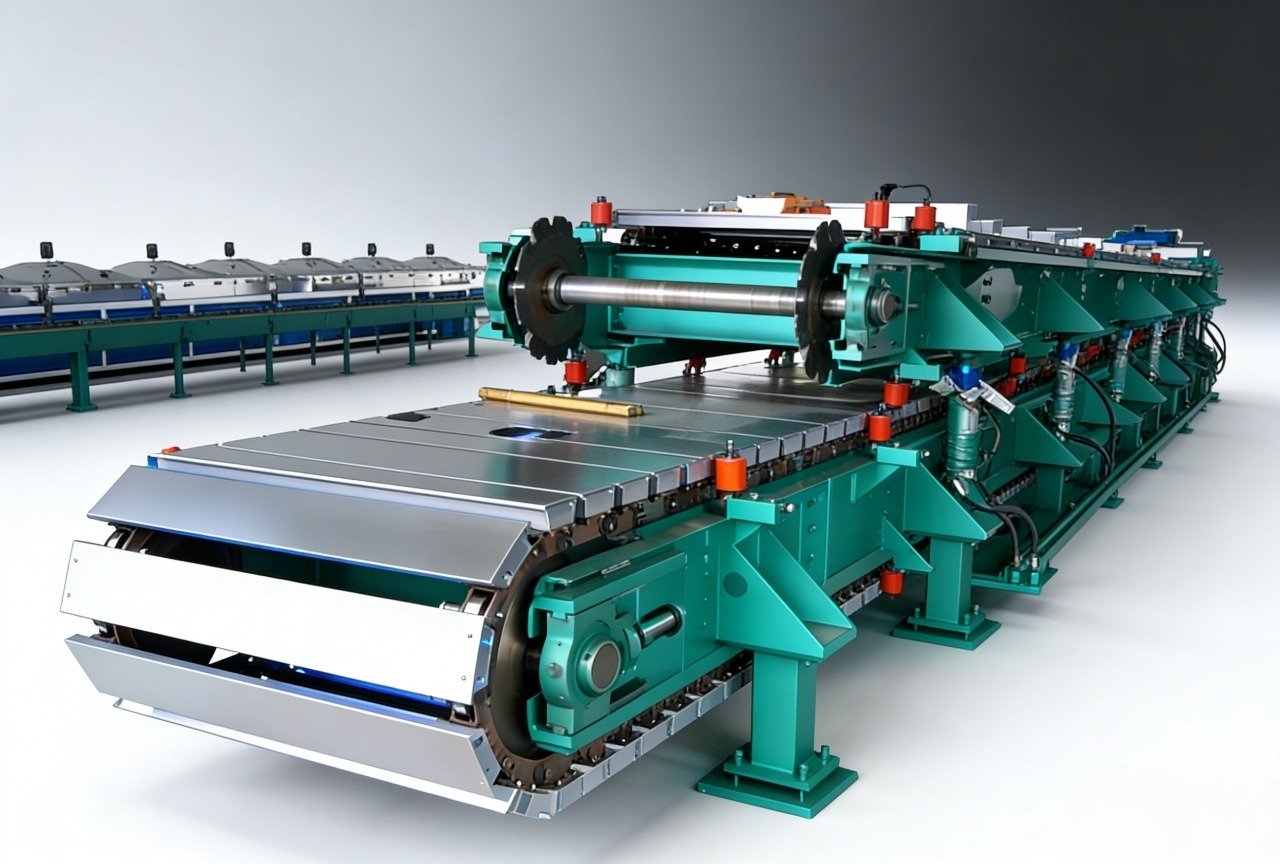
Key configuration: Typically, a multi-station turntable or conveyor loop, with the mixing head mounted on a manipulator or robot for precise pour path control. The machine’s ratio control must handle high-output continuous production, often 200–500 parts per hour.
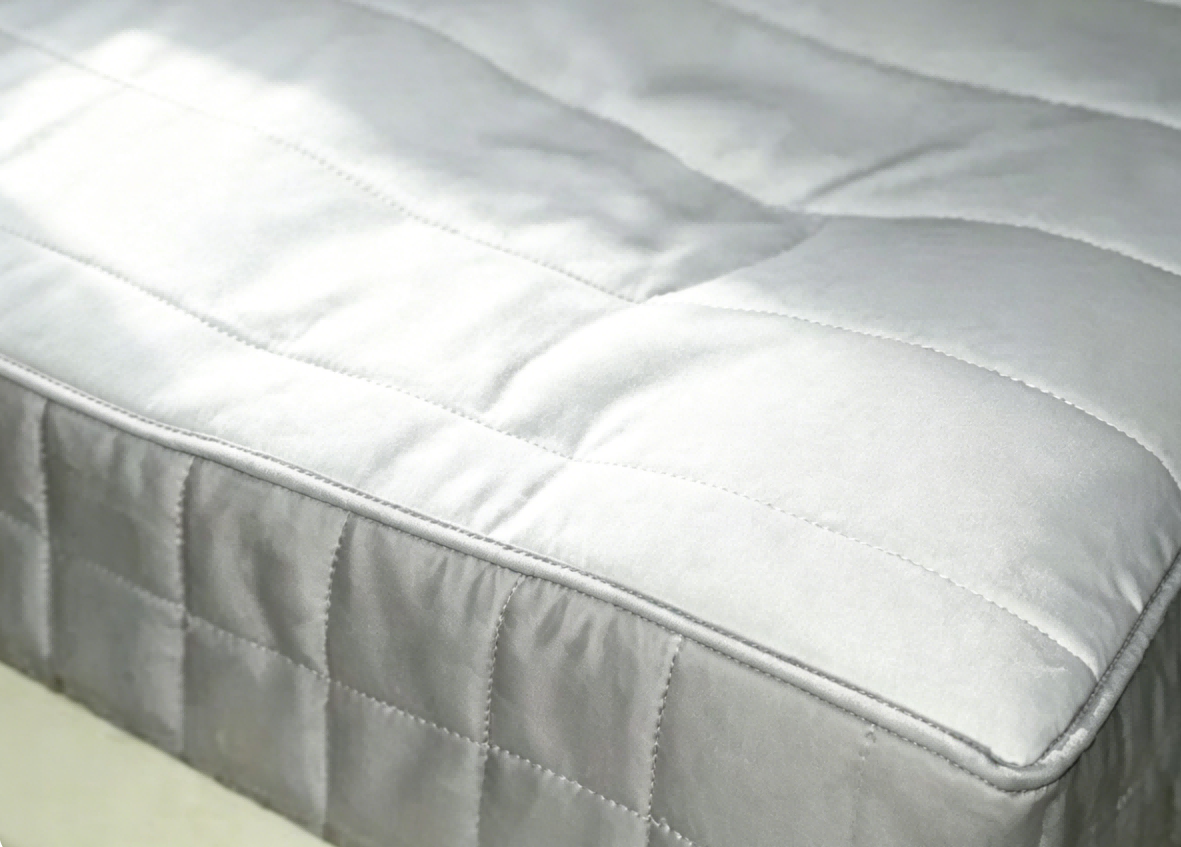
Medical and High-Specification Sponges

Parts: Wound dressings, hemostatic sponges, surgical pads.
What the machine must deliver:
– Absolute raw material containment: the mixing head, tanks, and piping must prevent cross-contamination that could cause biocompatibility failure
– Small shot sizes with extreme accuracy: medical sponge parts often weigh 5–30 grams each, so a 0.5% metering error on a small shot can mean the difference between an open-cell and closed-cell structure
– In-line degassing: many medical formulations require vacuum assistance to eliminate micro-bubbles that would compromise absorbency or mechanical properties
Key configuration: Specialized low-volume high-pressure machines, often with integrated vacuum chambers on the mixing head terminal. Because batch validation is critical, full traceability logging (material lot, shot parameters, ambient conditions) is a must.
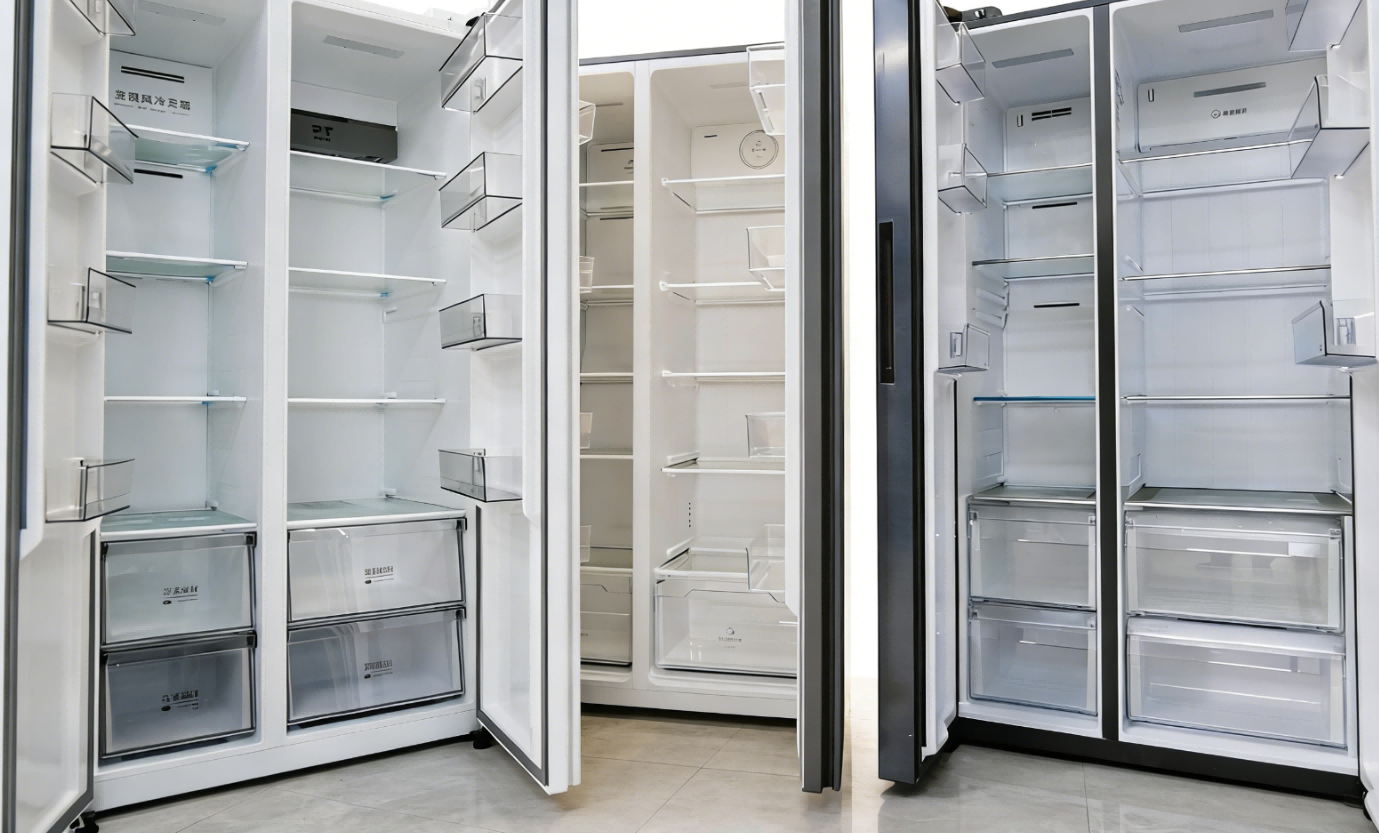
Refrigerator and Panel Insulation

Parts: Refrigerator cabinets, freezer doors, insulation panels.
What the machine must deliver:
– Very high flow rates (often 3,000–6,000 g/s) to fill large, complex cavity molds before the cream time expires
– Accurate, even distribution across a wide area, sometimes via multi-nozzle pouring fixtures
– Consistent density from the center to the corners of the mold, avoiding voids or over-packed zones
Key configuration: High-output piston or gear pump metering units, often with a traversing pouring device that follows a program to lay down foam in a specific pattern inside the cavity. The challenge here is maintaining pressure and ratio stability at flow rates that are 10–50 times higher than automotive shot sizes.
Additional Applications
- Footwear: High-pressure machines produce microcellular PU soles with precise, consistent density; the ability to switch between colors and densities on the same line is critical.
- Filtration and flexible foam: For certain flexible polyether foams used in air filtration, high-pressure mixing provides a finer, more uniform cell count than low-pressure processes.
- Construction: Spray-applied high-pressure PU foam for insulation or sealing, where the machine is integrated with a robotic spray system to control thickness and overlap.
Matching Machine Specifications to Your Process: A Practical Checklist
Before discussing specifications with a supplier, clarify the following variables. They’ll determine whether you need a single-station machine, a turnkey carousel line, or a customized solution.
- Formulation reactivity: What is the cream time and rise time of your production foam? Machines with slower ratio change response times will fail with fast-reacting systems.
- Shot size range: What are the minimum and maximum pour weights across all SKUs? If the ratio exceeds 1:30, you may need multiple metering pump sizes or a machine with a wide turn-down design.
- Mold complexity: Do molds have flow obstacles, inserts, or multi-cavity layouts? This affects the required pour pattern control and the need for a robotic arm.
- Production volume: Are you running 5,000 parts per day or 500? High-volume lines justify servo-driven, closed-loop systems. Low-volume specialty production can accept good-quality gear pumps with regular calibration.
- Material sensitivity: Does your isocyanate crystallize at room temperature? Do you add solid fillers? Both conditions demand specialized tank agitation, preheating ovens, and filtration in the recirculation path.
Common Installation Pitfalls That Affect Machine Performance
Even a well-built machine can underperform if its installation ignores a few fundamental rules:
- Poor raw material preconditioning: Isocyanate stored below 15°C can develop dimer crystals that clog nozzles. A preheating oven with uniform air distribution and sufficient dwell time is not optional — it’s part of the system. Haifeng’s raw material preheating ovens, for example, hold 200 kg drums at a tight ±1°C tolerance to feed the day tank consistently.
- Insufficient day tank recirculation: The material in the day tank must be continuously circulated and conditioned. If the recirculation pump is too small or the tank design allows dead spots, the material reaching the metering unit can have local temperature or viscosity variations.
- Metering unit placement far from the mixing head: Long, unheated or poorly insulated hose runs cause pressure drop and temperature loss. For high-pressure systems, hose length should be minimized and actively temperature-controlled.
Getting the Specification Right — Not Just the Price
High-pressure PU foam machines represent a significant capital investment, but the cost of choosing the wrong specification or an unproven control architecture can far exceed the initial purchase price — in the form of higher scrap rates, excessive downtime, and limitations on future product development.
When evaluating machines, focus on the specifications that directly protect your process capability: closed-loop metering with documented ratio stability, mixing head design proven with your material family, and a control system that gives your process engineers the data they need to make decisions.
If you are developing a new production line or upgrading an existing one, a conversation about process requirements should precede a conversation about machine price. Our engineering team at Haifeng Polyurethane Machinery, with 40 years of R&D background in turnkey PU production systems, is available to discuss your application in detail — from initial feasibility to EPC+M+O delivery.
Frequently Asked Questions
What’s the typical pressure range for a high-pressure PU foaming machine?
Most production machines operate between 100 and 200 bar at the mixing head nozzles. The exact setting depends on the nozzle geometry, formulation viscosity, and desired mixing quality. Higher pressure yields finer mixing, but at the cost of increased component stress and energy consumption.
Can a single high-pressure machine handle both automotive and medical applications?
Physically possible — but not recommended without a dedicated flushing and cleaning protocol. Medical applications demand isolated material paths to prevent cross-contamination; a machine used for industrial seat foam will carry residual isocyanate byproducts that are unacceptable for medical use. Separate machines or a completely segregated material handling system are the norm.
How long does a mixing head last in high-pressure operation?
A well-maintained mixing head (hard-chrome coated or ceramic-lined components) can perform more than 100,000 cycles before nozzle or piston wear requires attention. Regular monitoring of shot pressure traces can give early warning of nozzle wear or seal degradation before parts start to fail.
Is a closed-loop metering system worth the extra cost?
If your product has a narrow density tolerance (±2 kg/m³ or less) or you process fast-reacting systems, closed-loop control usually pays for itself within the first year through reduced scrap and faster start-up. For low-volume, commodity foam with wide tolerance, open-loop gear pumps may suffice.
What do I need to prepare before the machine arrives on site?
At minimum: a conditioned raw material storage area with preheating capability, clean compressed air at the specified pressure, a stable electrical supply (check for voltage drops when other equipment starts), and the floor plan to accommodate the machine’s layout including maintenance access. Many suppliers, including Haifeng, provide a site preparation document as part of the project planning phase.
[CTA] Ready to define the right specifications for your process? Contact Haifeng’s engineering team to discuss your material, molds, and production goals — no speculation, just a clear path forward.