
Low-pressure PU machines can process high-viscosity and filled materials, but only when the feed path, pump type, temperature control, and mixing head are selected for those materials. The main risk is not the low-pressure mixing principle itself; it is starvation and settling. A viscous polyol that cools in an undersized line can cavitate a pump before the mixing head sees a problem. A filled system that sits in a dead tank corner starts the next shot out of ratio. The decisions below turn those failure modes into design checks and operating limits, from tank layout through shot weight.
Why High-Viscosity and Filled Materials Are Harder to Meter
High viscosity slows every feed step: material drains more slowly from the tank, line pressure drop rises, pump fill time increases, and the mixing head needs more energy to reach a homogeneous shot. Filled materials add a second failure mode: solids settle toward low-flow zones or accelerate wear at the pump and rotor. The combination means a machine that meters clean, low-viscosity polyol well can produce the correct ratio on the display while the actual shot is resin-rich or filler-poor.
| Material condition | Dominant failure | What it looks like | Equipment response |
|---|---|---|---|
| High-viscosity polyol | Pump starvation or cavitation | Fluctuating inlet pressure, falling shot weight | Heated feed, short large-diameter suction, moderate pump speed |
| Mineral-filled polyol | Settling in dead zones | Ratio drift after idle, sediment in the tank | Agitation, recirculation, sloped or cone bottom |
| Abrasive filler | Pump or mixing-head wear | Rising internal leakage, changing pressure drop | Hardened rotor and liner, wear monitoring, cleanable wetted path |
| Thixotropic or shear-sensitive material | Viscosity changes with shear history | Shot viscosity differs from tank reading | Controlled agitation, recirculation, test at process temperature |
| High filler loading | Poor dispersion or head clogging | Streaks, filler agglomerates, high head pressure | High-shear dynamic mixer, narrow gap, routine flush |
Feed and Tank Design for Filled Material Stability
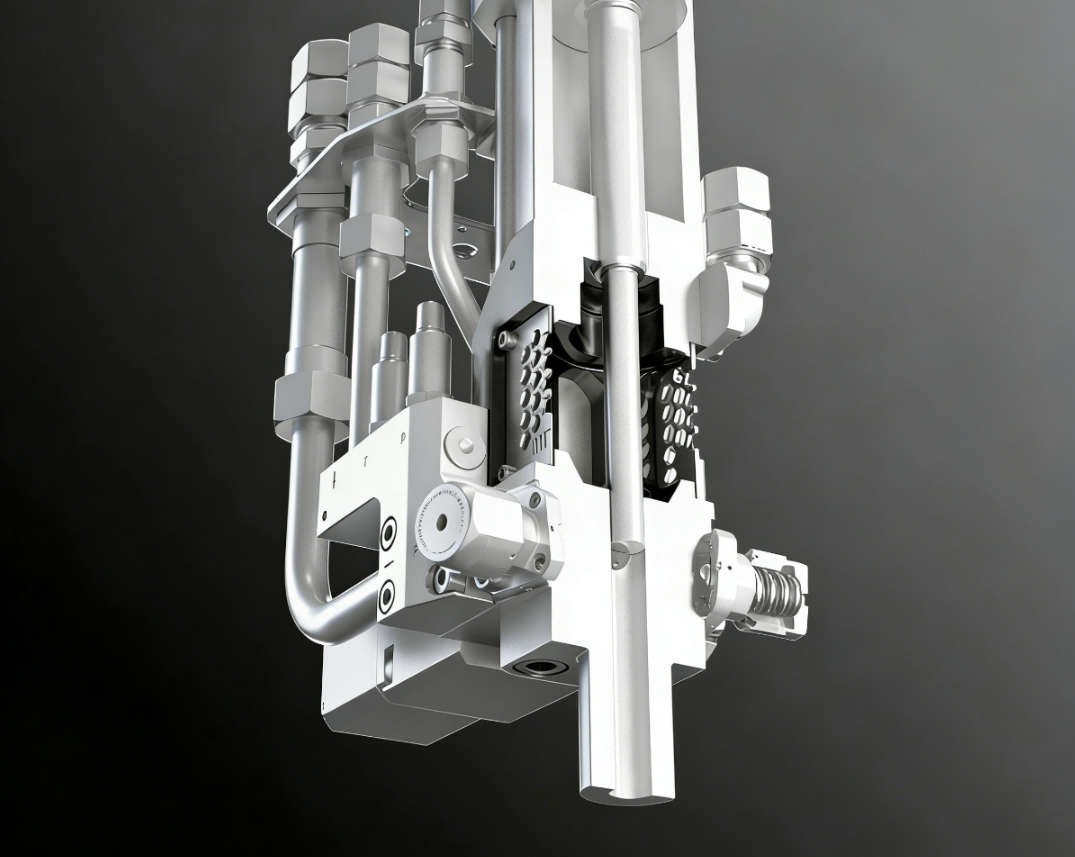
The feed system has to deliver a homogenous material to the pump, not just a full tank. A flat-bottom tank with a low-speed agitator may look active while solids remain in the corners. For filled systems, the more useful design moves are a sloped or cone bottom, a bottom outlet with short drop to the pump, and slow recirculation that keeps solids suspended without overheating the material.
Recirculation does two jobs: it removes stagnant boundary material from the line and brings temperature back to the tank. For viscous polyol, the loop should be generous enough to keep the pump inlet fed, but not so fast that shear creates permanent viscosity loss or air entrainment. The operating check is simple: after an idle period, the first shots should match the last steady-state shots. If not, the suspension or the drain-back path needs correction before the metering system is changed.

Pump Selection and Inlet Conditions
Pump selection for viscous and filled materials is not only about nominal flow. The pump has to fill completely on each stroke or gear pocket, and it has to tolerate filler wear while holding volumetric efficiency.
Gear, Piston, and Screw Pumps
Gear pumps provide simple, continuous displacement, but the clearances that allow rotation are also the path for filler wear and internal leakage. For clean medium-viscosity materials they work well; for abrasive fillers, leakage and tip wear can drift the ratio before the pressure alarm activates.
Piston pumps create positive displacement with a longer stroke and can handle high-viscosity and filled streams when the inlet is kept flooded and the check valves are designed for solids. Screw pumps offer low-pulsation, low-shear transfer, which helps shear-sensitive filled systems. The selection depends on viscosity, filler hardness, shot size, and whether the system runs continuously or batch-wise.
Inlet Pressure and Cavitation Signs
Cavitation begins when the pump cannot draw enough material to fill the displacement volume. The first signs are usually unstable inlet pressure, a falling shot weight, and air bubbles that appear even though the mixing head and tank show no obvious leak. Raising the tank head, increasing line diameter, reducing pump speed, or heating the material can move the system back into a stable fill condition. If the problem disappears at lower pump speed, the inlet path, not the mixing head, is the limiting component.
High-viscosity elastomer and filled polyol systems put different demands on the machine than clean low-viscosity foam systems. <Guide to Low-Pressure Foaming Machines for PU Elastomers> covers configuration choices for elastomer processing.
Temperature Control Before the Mixing Head
For high-viscosity materials, temperature is the first viscosity correction. Heating should start in the tank and continue through the line and pump inlet, not just at the mixing head. A cold, viscous component can defeat an otherwise well-sized pump by raising line pressure drop and preventing complete pump fill.
The setpoint comes from the material TDS, not from a general machine recommendation. Higher temperature lowers viscosity and improves flow, but it also shortens pot life or accelerates side reactions for some systems. The useful operating range is the one where viscosity is low enough for stable feeding and high enough to avoid reaction or vapor problems. Heated tanks, traced lines, or a thermoregulator can hold that range steady through the run.

Mixing Head Design for Viscous, Filled Formulations
A low-pressure machine does its mixing mechanically, so head design determines whether a filled shot disperses or just folds filler into streaks. For high-viscosity and filled materials, the head needs enough shear to break agglomerates and a wetted path that does not clog during short pauses.
For example, Haifeng Polyurethane Machinery’s HF-LPM-1A1B-LO pairs a high-shear dynamic mixing head with terminal vacuum degassing, which is useful when viscous or filled formulations trap air during the shot. This is product capability, not a universal cure: the formulation still needs the right tank suspension and temperature control before the head can do its job.
Dynamic Mixing vs Static Mixing
Dynamic mixing is usually the stronger choice for filled and high-viscosity systems because the driven element supplies the shear and can be cleaned by solvent or air sequences. Static mixers have no moving parts, but they rely on flow-driven mixing and can produce high pressure drop or partial blending when a filler stream is slow or uneven. If a filled system must use a static mixer, the machine has to provide enough stable flow and a confirmed replacement interval.
Shear, RPM, and Cleaning
The right mixing-head speed depends on the filler type and loading, not on a fixed machine value. Too little shear leaves agglomerates; too much shear can generate heat or damage a sensitive filler. The cleanability test is equally important: after a filled run, the head should come clean under a defined solvent, air, or sequential flush without leaving residue in the narrow gap.
Ratio Drift, Shot Weight, and In-Process Checks
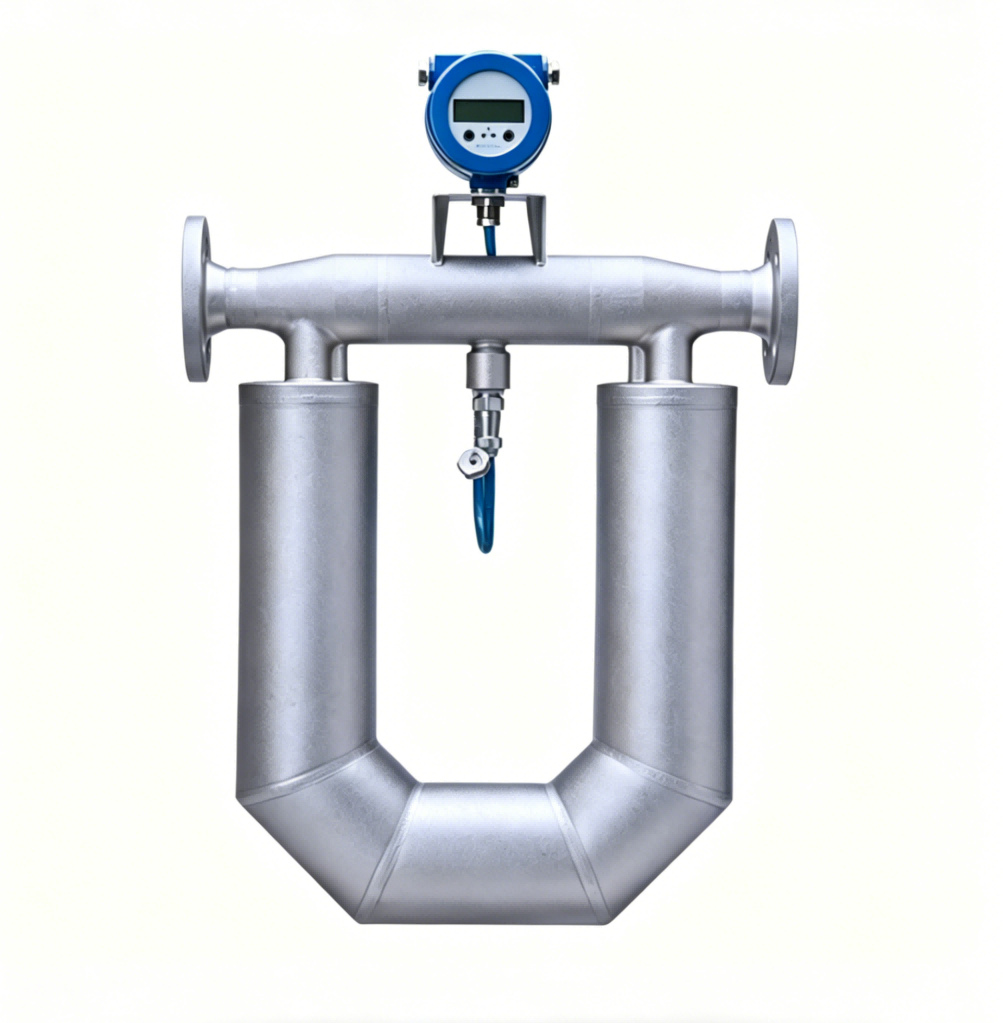
The final check is not the setpoint; it is the measured shot. A machine can display the commanded ratio while wear, settling, or a partially blocked inlet moves the actual shot out of tolerance. For filled and high-viscosity runs, record shot weight, both component pressures, pump speed, and temperature on a trend, not as a once-per-shift log.
Short-run checks should compare the first shot after idle with the last shot of the previous run. A drift after idle points to settling or temperature loss. A drift across continuous running points to pump wear or inlet restriction. Set the alarm on shot weight and ratio deviation, and make that alarm stop production until the measurement returns to the qualified window.
A small ratio drift may not stop the line, but it can turn into scrap across a shift. <Polyurethane Foam Machine Types: The Scrap Cost of Inaccurate Metering> covers how metering error becomes scrap cost.
Equipment Checklist Before You Run or Buy
Use this checklist before a filled-material trial or a machine purchase:
- Confirm the tank outlet, agitation, and recirculation path can suspend the filler without creating dead zones.
- Confirm the suction line is sized for the material viscosity at the selected temperature.
- Confirm the pump type and wear parts are rated for the filler hardness and loading.
- Confirm the mixing head can generate the required shear and can be cleaned completely between shifts.
- Confirm the HMI records shot weight, component pressures, temperature, and ratio trend data.
- Confirm the acceptance trial uses your actual material and expected shot size, not a low-viscosity reference fluid.
Each check has a pass condition, not just a name. If the machine supplier cannot answer a checklist line, ask for the hardware details behind it before the trial begins.
Confirm Your Material and Machine Fit
Send the material TDS, viscosity curve, filler type and loading, required shot size, cycle time, and the current failure description. We will use those inputs to check where your existing machine or a revised metering package can hold the ratio and shot weight your process needs. Write to info@haifeng-automation.cn or WhatsApp 86 13566296633.
FAQ
What viscosity range can a low-pressure PU machine handle?
There is no single viscosity number that fits every machine. A low-pressure PU machine can handle high-viscosity material only when the tank feed, line size, pump type, heating, and mixing head are matched to that material. Before accepting a quoted range, test it with your actual material TDS and filler loading.
Can filled materials run without settling?
Settling cannot be solved by the metering pump alone. Filled systems need continuous movement in the tank and recirculation loop, with no dead volume below the outlet. If the first shot after idle is out of ratio, the suspension or drain-back path needs correction before the pump or mixing head is changed.
How do I know if bubbles come from cavitation or poor mixing?
Cavitation usually appears with unstable inlet pressure, falling shot weight, and air at the pump inlet. Poor mixing more often appears as stable feed with streaks, agglomerates, or uneven color and filler distribution in the shot. The two problems need different corrections, so the first step is to separate the feed signature from the mixing signature.
Should heating be applied before the pump or only at the mixing head?
Start heating before the pump. Cold, high-viscosity material raises line pressure drop and makes pump fill incomplete, which causes cavitation and ratio error. The setpoint must come from the material TDS because some formulations have a narrow window between flowable viscosity and reduced pot life.
If you’re interested, check out these related articles:
Guide to Low-Pressure Foaming Machines for PU Elastomers
PU Shoe Machinery Manufacturer China Guide
How Polyurethane Foam Machines Work: Types and Applications
How to Choose a Tire Foam Filling Machine