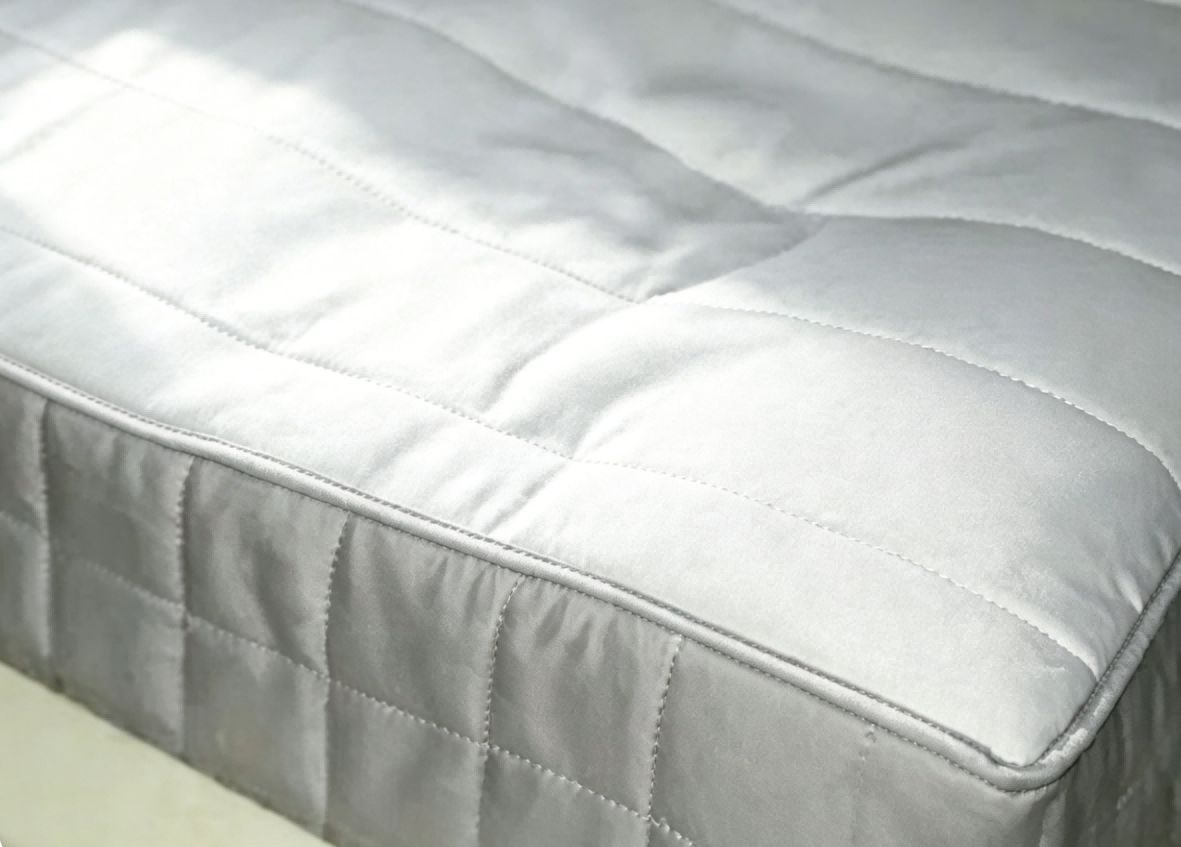
A low-pressure polyurethane foaming machine is often treated as a smaller, cheaper alternative to a high-pressure line, but that framing misses the point. The real distinction is mixing method: low-pressure equipment uses a mechanically driven mixing head to disperse polyol and isocyanate into a homogeneous mixture before pouring, while high-pressure equipment relies on impingement energy from high-speed jets. That difference determines not only foam structure, but also which formulations the machine can run, how much maintenance it needs, and where it fits in a production line.

What Is a Low-Pressure Polyurethane Foaming Machine?
A low-pressure polyurethane foaming machine is a metering and mixing system that handles two or more liquid components—typically polyol, isocyanate, and sometimes additives or pigments—and delivers them to a mold, cavity, slab stock, or open pour. The “low-pressure” label refers to the mixing method and the pressure required to move material into the mixing head, not to the amount of foam produced.
The basic function is straightforward: the machine pulls conditioned raw material from day tanks, meters each component through precision pumps, controls temperature along the way, and mixes the components mechanically in a dynamic mixing head. The mixture is then dispensed through a pour nozzle or trough into the mold. Because mixing is mechanical, the machine does not need the very high pressures used by impingement mixing heads.
In polyurethane processing, the fundamental reaction is exothermic. Polyol reacts with isocyanate to form the polymer matrix, while water or physical blowing agents create the cellular structure [1]. Machine design becomes important because the reaction starts the moment components meet. If metering is unstable or mixing is incomplete, the resulting foam can show density variation, poor cell structure, or uncured pockets.
Working Principle
A low-pressure PU foaming machine works as a closed material path with three main stages: metering, mixing, and dispensing.
Metering is the first control point. Gear pumps, piston pumps, or screw pumps deliver each component at a set flow rate. The ratio between polyol and isocyanate must stay within the formulation window. A deviation of one percentage point in the component ratio can shift final foam density by more than 3 kg/m³, change hardness, or leave unreacted material in the part.
Dynamic mixing is the second control point. The mixing head contains a rotor or screw that shears the two streams together. Rotor speed, chamber volume, and residence time determine whether the blend is uniform. The goal is enough shear to create a fine dispersion without trapping air or building excessive heat. Because low-pressure machines use mechanical agitation, they are more tolerant of viscosity differences and filled formulations than impingement mixing can be.
Dispensing is the third control point. The mixed material exits through a nozzle or pour head into the mold. Pour rate, shot size, and mold movement must match. On automated lines, the robot or mold carrier may follow the pour, or the mixing head may move along a gantry. Shot time is especially important because the mixture has a limited usable time before viscosity rises and the foam begins to react.
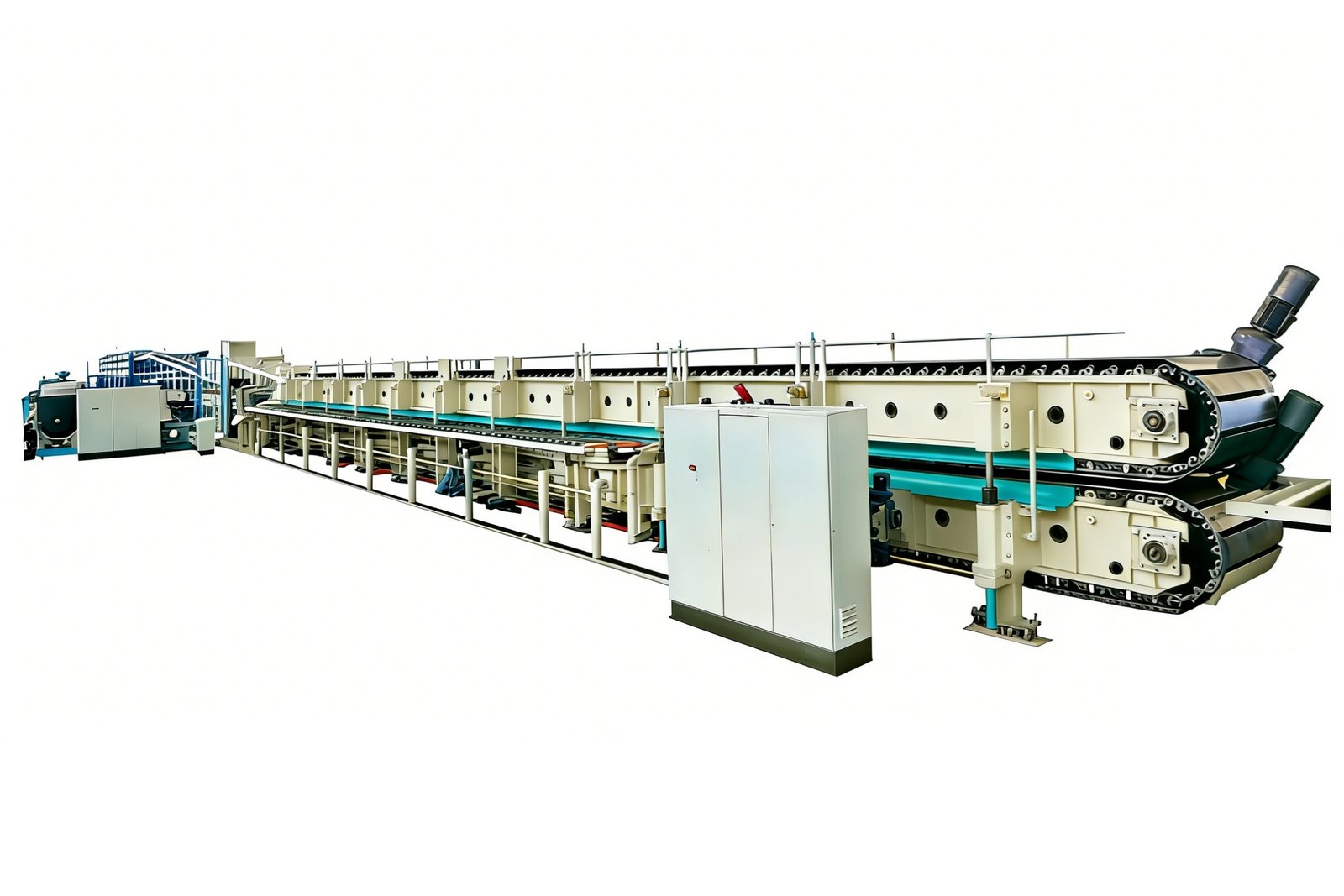
Low-Pressure vs High-Pressure: Where the Difference Shows Up
High-pressure machines create mixing energy by forcing the components through opposing jets at high speed. This requires pressures that can reach well above 10 MPa and demands careful nozzle alignment, pressure balance, and fast switchover. The advantage is solvent-free self-cleaning in many designs and very fast shot cycles. The trade-off is sensitivity to formulation changes, higher capital cost, and tighter maintenance discipline.
Low-pressure machines mix with a rotating element, so they operate at much lower pressures. That changes the economics and the process behavior. A low-pressure machine is easier to clean in many cases, can handle small shots more predictably, and is generally more flexible for short runs, prototyping, and filled systems. However, the mixing head must be flushed or cleaned between incompatible shots, and purging can consume solvent unless the machine has a well-designed cleaning system.
Pressure is only part of the story. (https://haifengmachine.com/high-pressure-vs-low-pressure-polyurethane-foam-machine-how-to-choose-the-right-one-for-your-production/) covers the cost, output, and quality trade-offs in a structured comparison.
Most ratio drift and bubble problems first show up as small changes in pump behavior or mixer cleanliness. (https://haifengmachine.com/pu-low-pressure-foaming-machine-maintenance-checklist-troubleshooting-guide/) covers the daily checks that catch these issues before they reach the mold.
For a broader view of machine categories and where low-pressure equipment fits, (https://haifengmachine.com/polyurethane-foam-machine-types-working-principle-and-applications/) covers the full equipment landscape.
Applications
Low-pressure polyurethane foaming machines are used where controlled mixing and flexible shot sizes matter more than ultra-high throughput. Common applications include:
- Furniture cushioning and upholstery foam
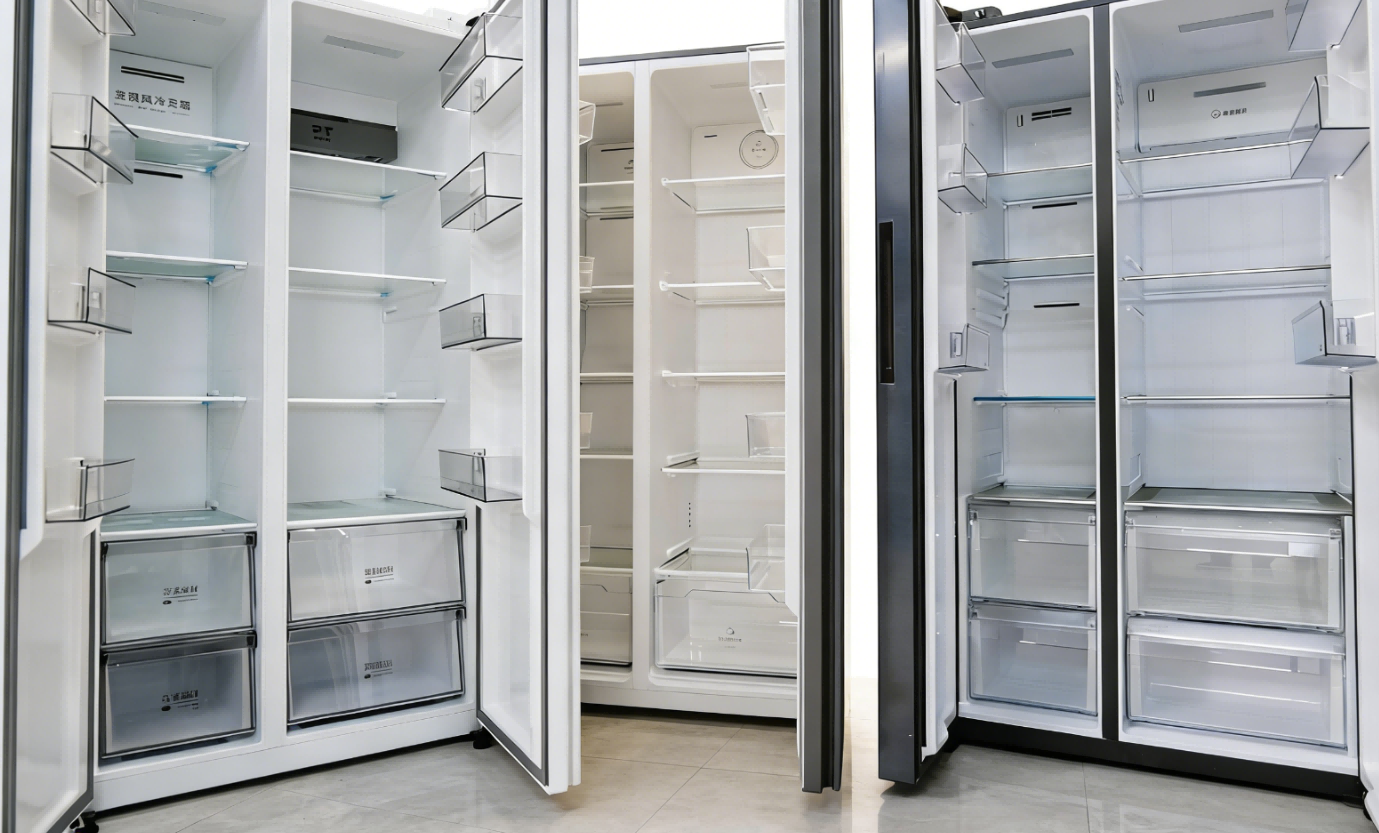
- Home appliance insulation and sealing
- Flexible molded foam and small polyurethane accessories
- Footwear midsoles, insoles, and dual-density soles
- Automotive interior trim, armrests, and gaskets
- Prototyping, laboratory trials, and R&D scale-up
- Small-batch elastomer or semi-rigid foam parts
Because low-pressure mixing is gentler and more tunable, it handles filled polyols, flame-retardant systems, and color pastes more easily than some high-pressure lines. The same machine can often switch between open pour and closed-mold dispensing with only a tooling change. This flexibility is why low-pressure equipment remains common in both production shops and process-development labs.
Components and Key Selection Parameters
A dependable low-pressure PU foaming machine is only as good as its component chain. When you evaluate a machine, look at the parts that determine repeatability.
Metering pumps set the ratio. For multi-component systems, the pumps must hold their relative output across the entire operating range. Haifeng’s LJJ low-pressure machines, for example, specify ±0.5% metering accuracy through high-precision pumps and flow control. That level of control matters when a formulation uses a narrow ratio window.
The mixing head determines mix quality. Dynamic mixers run at controlled speeds to balance dispersion against air entrapment. A good head should be easy to open, inspect, and clean. For filled materials, hard-coated rotors and wear-resistant chamber surfaces extend service life.
Temperature control keeps viscosity stable. Polyol and isocyanate both become harder to meter when temperature varies. Day tanks, jackets, heat exchangers, and recirculation loops should hold each component within the range specified by the material TDS.
Recirculation and tank conditioning prevent settling and dead zones. Filled systems need agitation and continuous recirculation to keep solids suspended and avoid clogging. Without recirculation, material can sit in a line and change viscosity between shots.
Control system records shot data. A PLC with recipe management, shot records, and trend logging makes it easier to trace density variation or ratio drift. The HMI should show actual flow, actual ratio, temperature, and alarm status rather than only setpoints.
When you specify a machine, the first questions should be about minimum and maximum shot size, number of components, filler content, cycle time, and viscosity range. Density is usually verified by ISO 845 methods [2], while flexible foam resilience is tested by ball rebound in ISO 8307 [3]. Those tests are downstream, but they depend on the mixing quality and metering accuracy the machine delivers.
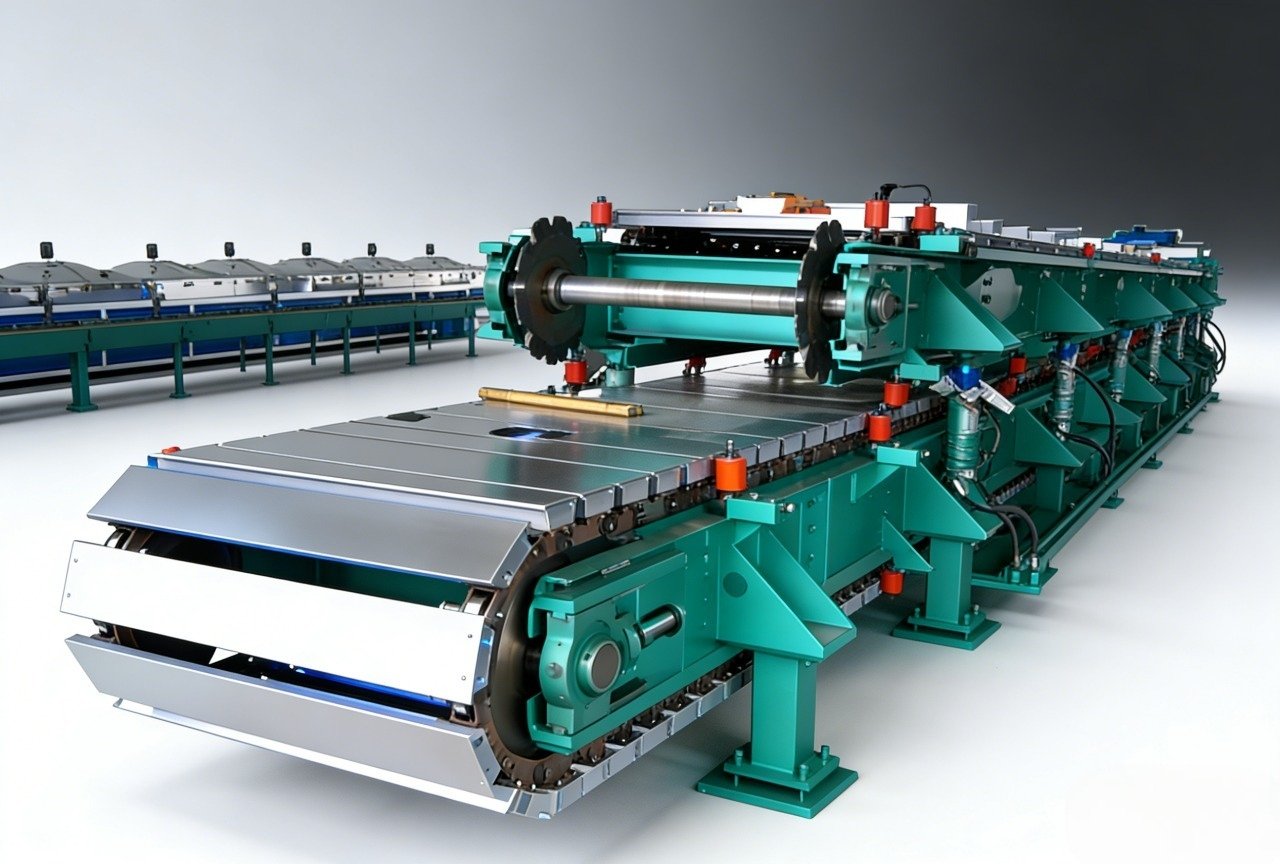
Common Process Problems
Three issues account for most low-pressure PU processing trouble: bubbles, ratio drift, and poor mixing.
Bubbles usually come from air introduced during agitation or from material degassing problems. High mixer speed is a frequent culprit because it can pull air into the vortex. Vacuum degassing in the tank and proper mixer speed control reduce bubble load. In finished foam, trapped air shows up as pinholes or irregular cells rather than uniform cellular structure.
Ratio drift happens when one component is slightly too high or too low over a run. Worn pumps, inlet starvation, temperature changes, or partial blockage can all cause drift. A machine that records actual flow over time will show the drift before it becomes a quality failure. Isocyanate content can also change if material is not properly conditioned or recirculated; ASTM D5155 describes isocyanate content determination [4].
Poor mixing creates soft streaks, hard spots, or uncured areas. This can be caused by low mixer rpm, a blocked rotor, incorrect chamber volume, or a shot that is too small to fill the mixing chamber properly. The remedy is usually a combination of mechanical inspection and process tuning—not simply increasing pump output.
Before you commit to a quoted output range, send the material TDS, target shot weight, mold count, and cycle time to engineering support. Haifeng Polyurethane Machinery can check whether the proposed pump sizes, mixing speed, and tank configuration match the process.
Engineering Support for Your Low-Pressure PU Foaming Line
A low-pressure polyurethane foaming machine should be sized around the process, not around a brochure maximum. Send the material data sheets, product drawings, and expected cycle time to info@haifeng-automation.cn or WhatsApp: +86 13566296633. Haifeng Polyurethane Machinery helps production managers and plant owners define the operating window before purchase, so the machine is built for the actual shot size, viscosity, and output the product requires.
Frequently Asked Questions
What is the difference between low-pressure and high-pressure PU foaming machines?
The difference is in how the components are mixed. A low-pressure machine uses a mechanically driven mixing head, while a high-pressure machine uses impingement energy from high-speed material streams. Low-pressure machines operate at lower pressures and are generally more flexible for small shots and filled formulations; high-pressure machines are faster for very high-output closed-mold production but are more sensitive to pressure balance and nozzle condition.
What materials can a low-pressure polyurethane foaming machine process?
Typical materials include flexible foam, semi-rigid foam, filled polyols, flame-retardant systems, color pastes, and some elastomer formulations. The machine can handle high-viscosity and filled materials if the pumps, mixer, and recirculation loops are specified for those materials.
How accurate is the mixing ratio on a low-pressure PU machine?
Accuracy depends on the pump design, calibration, temperature control, and inlet conditions. Precision pump systems can hold metering accuracy around ±0.5%, but that requires proper material conditioning and regular calibration. Without those, even a good machine can drift.
Can a low-pressure PU machine run filled or abrasive materials?
Yes, but it must be selected for that duty. Filled materials require agitation and recirculation to prevent settling, plus wear-resistant pumps and mixing head components. Abrasive fillers shorten the life of standard rotors, seals, and pump internals if the machine is not specified correctly.
What output range should I specify?
Specify the actual shot size range and cycle time for your products, not just a nominal hourly output. A machine with a very wide output range can struggle at its lower end because small shots are harder to meter and mix consistently. The useful operating window is usually more important than the maximum rated output.
References
- G. Oertel, Polyurethane Handbook, 2nd ed., Munich: Hanser Publishers, 1994.
- ISO 845:2006, Cellular plastics and rubbers — Determination of apparent density, International Organization for Standardization, 2006.
- ISO 8307:2018, Flexible cellular polymeric materials — Determination of resilience by ball rebound, International Organization for Standardization, 2018.
- ASTM D5155-19, Standard Test Methods for Polyurethane Raw Materials: Determination of Isocyanate Content of Aromatic Isocyanates, ASTM International, 2019.
If you’re interested, check out these related articles:
Polyurethane RIM Machine: A Manufacturer’s Selection Guide
Safety Tips for Tire Foam Filling Operations
Inside a Continuous PU Foam Line: Foam Production
High Pressure vs. Low Pressure Polyurethane Foam Machine: How to Choose the Right One for Your Production
Polyurethane Foam Spraying Machine: Robot-Assisted Precision Spraying Systems