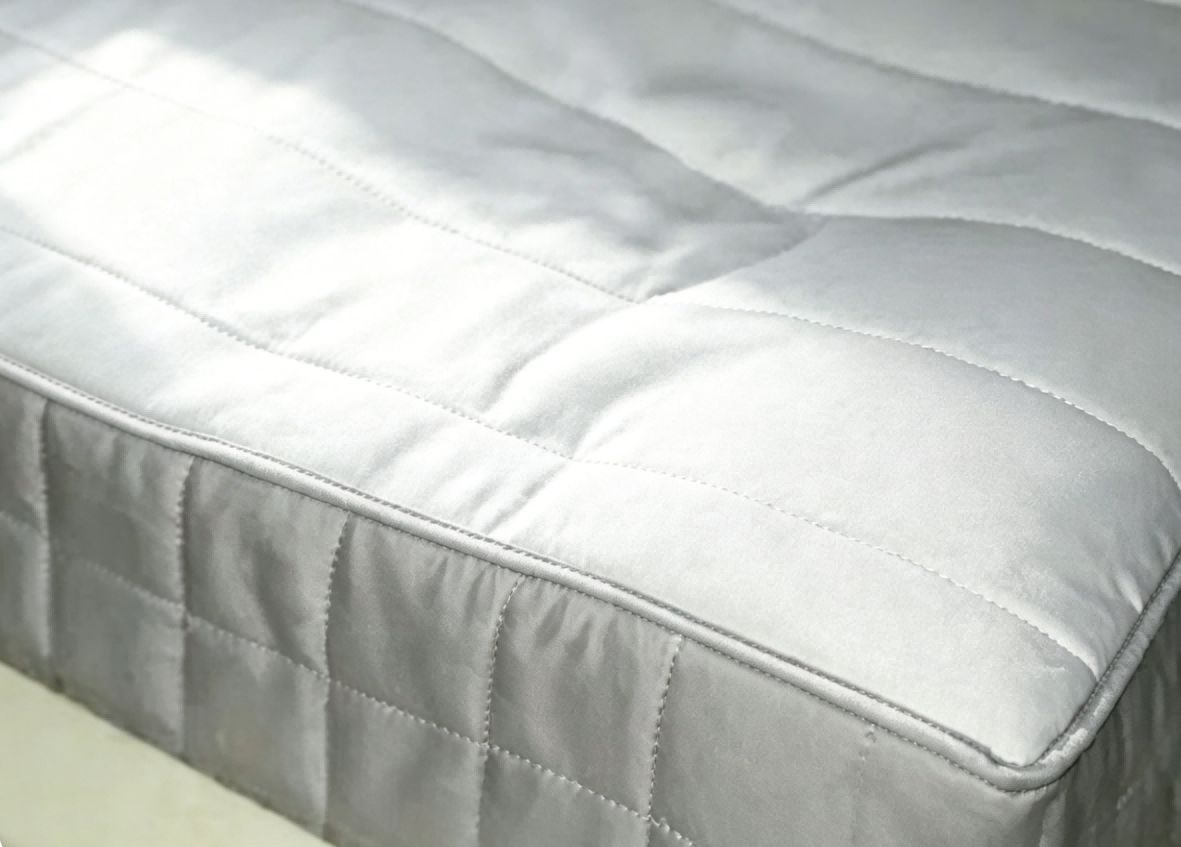
A PU/PIR sandwich panel line is not a single machine. It is a continuous process that turns steel coils and two-component polyurethane chemicals into finished insulated panels. The hard part is not pouring foam — it is keeping the chemical reaction, foam rise, belt temperature and line speed in the same operating window for hours at a time. This guide explains the main process stages, where panel quality is actually decided, and which equipment parameters deserve the most attention before purchase.
The Core Idea: A Moving Mold for Reactive Foam
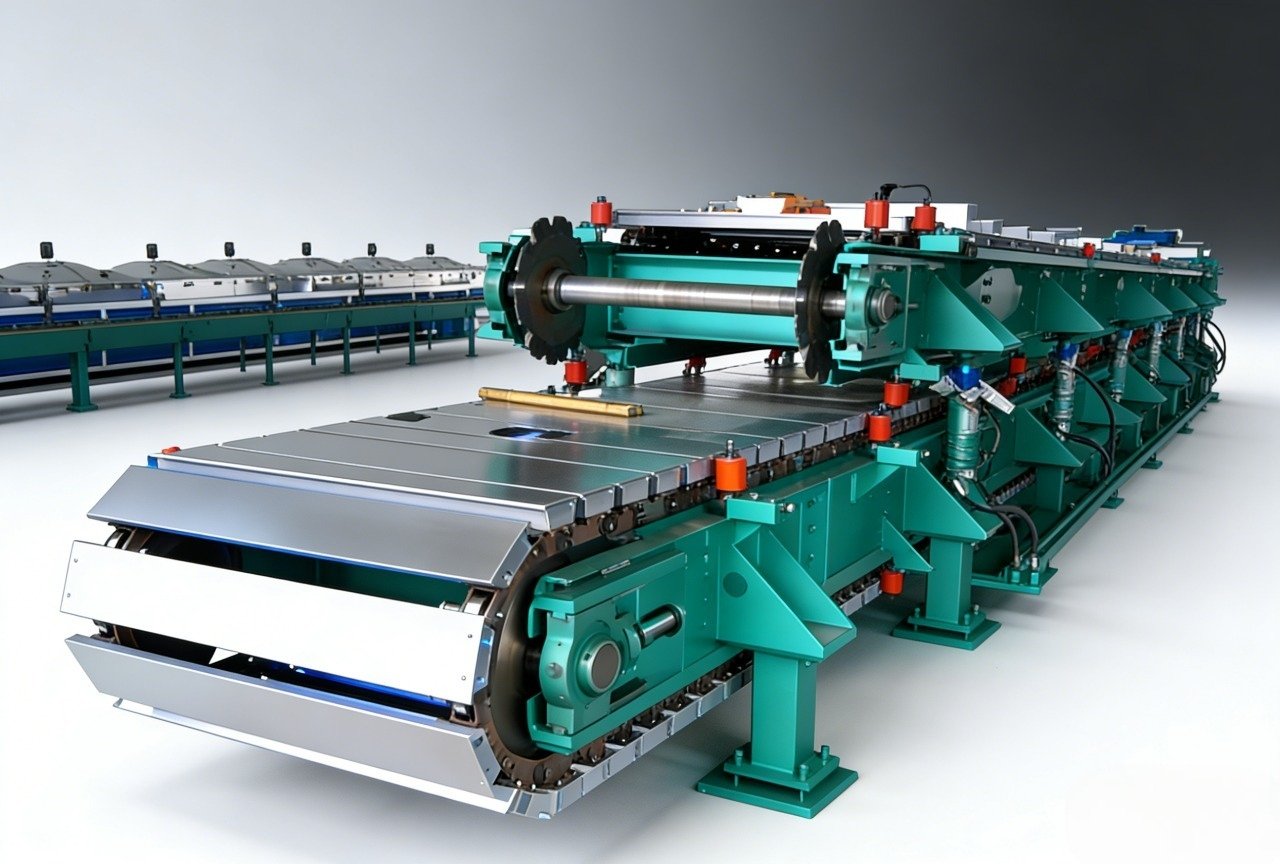
Unlike a discontinuous press that fills one panel at a time, a continuous line forms a moving cavity between two metal facings and two side seals. The liquid polyurethane mixture is poured onto the bottom facing, rises toward the top facing, and completes most of its expansion inside a double-belt laminator or continuous press. The belts act as a calibrated mold: they set the panel thickness, contain the foam pressure, and transfer heat out or in depending on the formulation.
Factory-made double-skin metal-faced panels are usually specified around EN 14509 [1]. That standard matters because it treats the panel as a system. Facing profile, core foam, bond strength and dimensional tolerances are all part of the finished product, not separate components.
Main Process Stages in a Continuous Line
Metal facing preparation
The line starts with decoiling, straightening and roll forming the top and bottom steel facings. Embossing or profiling may be added to improve panel stiffness and appearance. The facings are then cleaned and preheated. Preheating is not a minor step; facing temperature changes how quickly the foam skins against the metal and how well the core bonds.
Foam laydown and reaction
The metering unit feeds polyol and isocyanate to the mixing head, which traverses across the bottom facing and lays down the liquid mixture. Side seals contain the foam at the edges while it begins to rise. The laydown pattern must match line speed. If the pattern is too light in the center or too heavy at the edges, the density map of the panel becomes uneven.
Calibration, curing and cutting
The foaming mass enters the double-belt laminator or continuous press, where the belt gap controls thickness during rise and cure. The line then moves through heated zones to complete cure, followed by cooling, cutting to required length, and stacking. A flying saw or cross-cut saw allows continuous movement without slowing the line.
Metering and Mixing: Where Most Continuous Problems Start
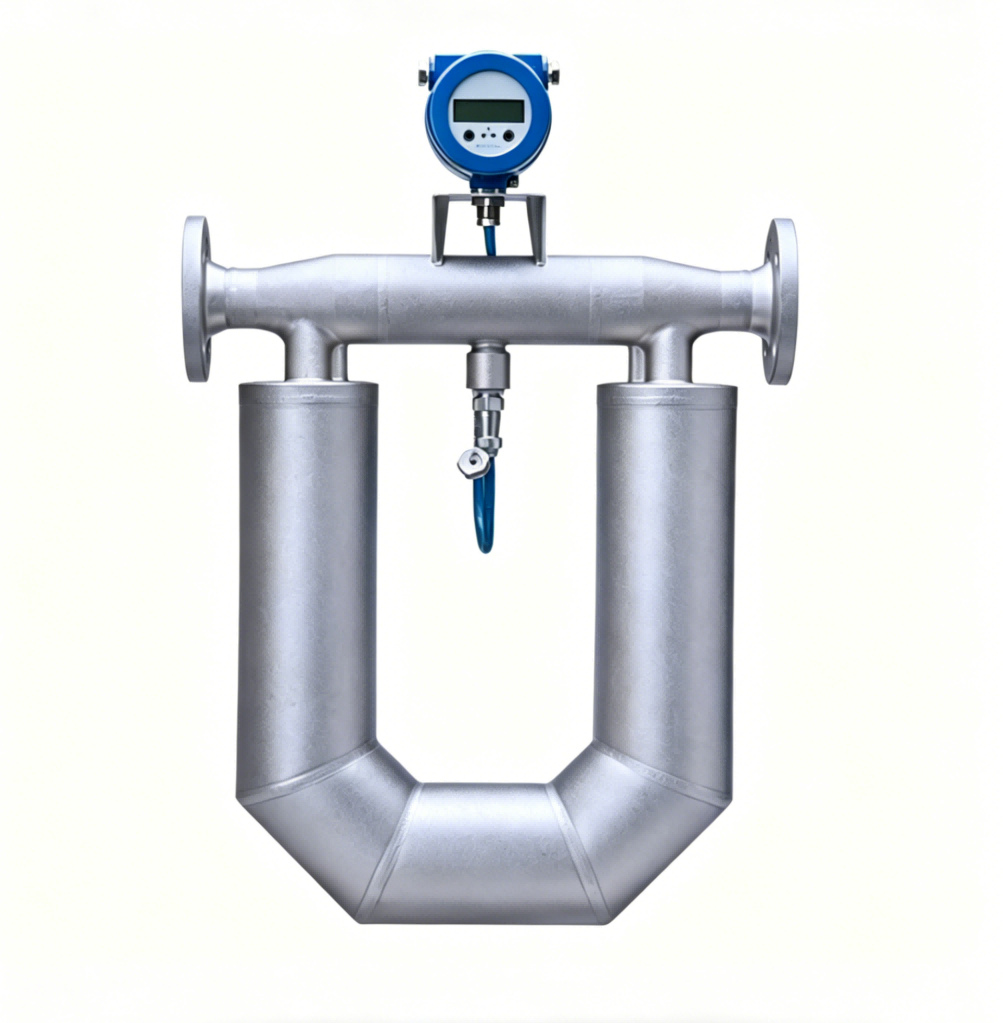
The metering unit must deliver polyol and isocyanate at a ratio that matches the formulation. In PIR systems, the index may be much higher than in standard PU, so the isocyanate circuit has to be sized accordingly. A small ratio error may not show as a visible alarm. It shows first as density variation from the head to the tail of a run, then as adhesion loss or soft spots in the core.
Temperature control is a second stability problem. Viscosity changes with temperature, so if day tanks, heat exchangers and recirculation loops are not designed together, the same pump setting can deliver different flow rates at different times of day.
The mixing head should produce a fine, evenly distributed cell structure before the material reaches the facing. For continuous lamination, the laydown pattern also has to match line speed. If the head dwells too long at the edges, you get edge-heavy density. If it travels too fast, the pour pattern breaks and creates air pockets.
If you are comparing high-pressure impingement mixing with low-pressure mechanical mixing, <Polyurethane Foam Machines: Types, Principles & Applications> covers the working principles and where each mixing approach fits.
PU vs PIR: The Process Difference Does Not Stop at Chemistry
Both PU and PIR start from polyol and isocyanate. The difference is that PIR formulations run at a higher isocyanate index and form isocyanurate rings. This generally improves fire performance and thermal stability, but it also changes the reaction profile. PIR tends to be more exothermic, more brittle, and more sensitive to under-cure. On a continuous line, that means the PIR recipe often requires tighter temperature control, a longer or hotter curing zone, and different belt release behavior.
Fire performance is evaluated on the finished assembly under EN 13501-1 [2]. The facing material, panel joint design and installation details matter as much as the core. A line cannot simply switch from PU to PIR by changing the recipe; the metering capacities, mixing-head temperature limits and curing-zone design must be checked first.
Thermal performance is usually measured for the core by a heat flow meter method such as ISO 8301 [3], and the U-value of the finished panel is calculated using EN ISO 6946 [4]. For a production manager, the controllability of density is more important than the nominal lambda value on a data sheet, because an uneven density profile raises the average thermal transmittance in practice.
Although sponge lines and panel lines are different downstream, <Continuous Foaming vs Batch Foaming for Sponge Production> explains the control trade-offs of continuous reactive foaming.
Equipment Decisions That Determine Panel Quality
| Equipment | Function | Quality impact |
|---|---|---|
| Metering unit | Controls polyol/isocyanate ratio and output | Density, hardness, adhesion and thermal performance |
| Mixing head | Mixes and lays down the foam pattern | Cell structure, density distribution, surface quality |
| Double-belt laminator | Calibrates thickness and contains foam rise | Thickness tolerance, surface finish, bond strength |
| Heating/curing zones | Complete the reaction and develop green strength | Cure level, dimensional stability, cutting quality |
| Flying saw | Cuts panels without stopping the line | Length accuracy, edge quality, waste |
The double-belt laminator is the most expensive mechanical component on most lines. Its job is to keep the belt gap constant while foam pressure pushes outward. If the belt structure, guidance system or gap adjustment drifts, panel thickness variation increases. The same applies to side seals; a small leak at the edge changes density and waste.
The traversing mixing head is also easy to under-spec. It must move smoothly across the panel width, accelerate and decelerate without dwell marks, and coordinate with line speed. On wide panels, the pour pattern must be repeatable; otherwise the density map becomes inconsistent.

Once you have the process parameters defined, <Polyurethane Foam Machine Selection: A 2026 Buyer’s Guide> covers how to match equipment to required output and process windows.
Capacity, Thickness and the Parameters That Matter
Useful foam output is approximately:
line speed × panel width × average core thickness × core density × line utilization
However, capacity on paper is less important than whether the curing section can finish the reaction at the chosen speed. Line speed is not set by motor power alone. It is set by cream time, rise time, cure time, panel thickness and the length of the heated belt or oven.
Before buying, pin down the following:
- panel width range and profile depth
- steel thickness range and coating type
- core thickness range and density tolerance
- required fire class
- target line speed and annual output
- available factory length and utility supply
If these numbers are not fixed, the machine builder will have to make assumptions that may not match your production.
Common Defects and the Equipment Behind Them
- Facings debond from the core: usually caused by insufficient preheating, poor primer condition, ratio error or premature skinning.
- Thickness variation across the panel: often traced to belt gap drift, uneven foam pressure or side seal leakage.
- Soft center or under-cured core: line speed too high for the curing section, low oven temperature, or insufficient PIR cure.
- Surface bubbles or blowholes: moisture, mixing air, poor nucleation, or facing temperature outside the required window.
- Irregular edge density: side seal problems or an inconsistent traversing laydown pattern.
Planning a PU/PIR panel line and want a second check before purchase? Send your panel width, thickness range, target line speed and fire class to info@haifeng-automation.cn or WhatsApp +86 13566296633. We can help you verify whether the proposed metering, traversing and curing capacity actually matches your required production window.
Specify Your PU/PIR Panel Line with Fewer Surprises
Continuous panel lines are not a place to discover a mismatch after installation. The useful specification is not only nominal output. It is the operating window where chemical reaction, belt temperature and line speed stay stable together.
If you are preparing a project, send the following to info@haifeng-automation.cn or WhatsApp +86 13566296633:
- panel type and fire class
- width and thickness range
- facing material and profile
- expected line speed
- available factory length
- utility capacity
We can help you configure the metering unit, double-belt section and curing line, and define acceptance tests before the equipment is built.
FAQ
Is a continuous PU/PIR panel line suitable for both wall and roof panels?
Most lines can run both if the roll-forming and cutting systems accept the required profiles. The bigger constraint is changeover. Profile changes and width changes must be designed into the line from the start. A line optimized for high-volume wall panels may be slow to switch to deep roof profiles.
What is the main difference between PU and PIR on the line?
PIR runs at a higher isocyanate index and forms isocyanurate rings. It usually gives better fire performance but demands more exotherm management, more precise temperature control and often a longer curing section. Switching from PU to PIR is not a recipe-only change.
How is panel thickness controlled?
By the gap between the two belts in the laminator, the side seals and the foam fill level. The frame must hold the gap stable under foam pressure. Thickness variation usually comes from belt gap drift, uneven laydown or under-filling.
What determines line speed?
Reaction time and curing-zone length mostly. The line must keep the panel in the heated section long enough for the core to develop green strength before cutting. Faster speed without adequate cure produces soft cores and dimensional instability.
How can I judge whether a proposed line will meet my capacity target?
Ask for a process calculation based on your panel width, thickness, density and required line speed. The supplier should be able to show the metering output range, laydown time at maximum width, and curing length needed at the specified line speed.
References
[1] European Committee for Standardization. EN 14509:2013, Self-supporting double skin metal faced insulating panels — Factory made products — Specifications. Brussels: CEN, 2013.
[2] European Committee for Standardization. EN 13501-1:2018, Fire classification of construction products and building elements — Part 1: Classification using data from reaction to fire tests. Brussels: CEN, 2018.
[3] International Organization for Standardization. ISO 8301:1991, Thermal insulation — Determination of steady-state thermal resistance and related properties — Heat flow meter apparatus. Geneva: ISO, 1991.
[4] International Organization for Standardization. ISO 6946:2017, Building components and building elements — Thermal resistance and thermal transmittance — Calculation methods. Geneva: ISO, 2017.
If you’re interested, check out these related articles:
PU Shoe Production Line vs Traditional Shoe Production
Tire Flat Proofing Liquid Filling Equipment
PU Shoe Injection Machine Troubleshooting Guide
How to Reduce Waste in PU Shoe Production
Safety Tips for Tire Foam Filling Operations