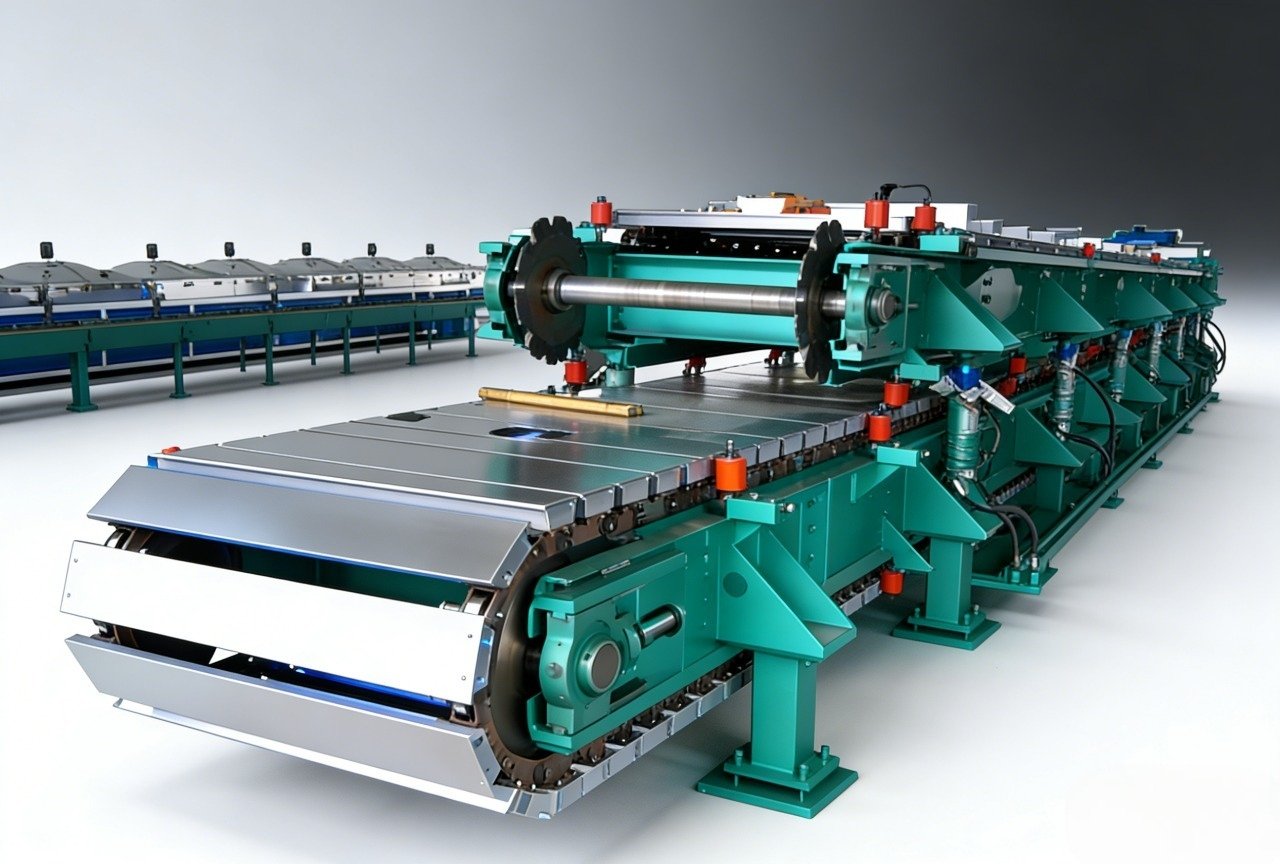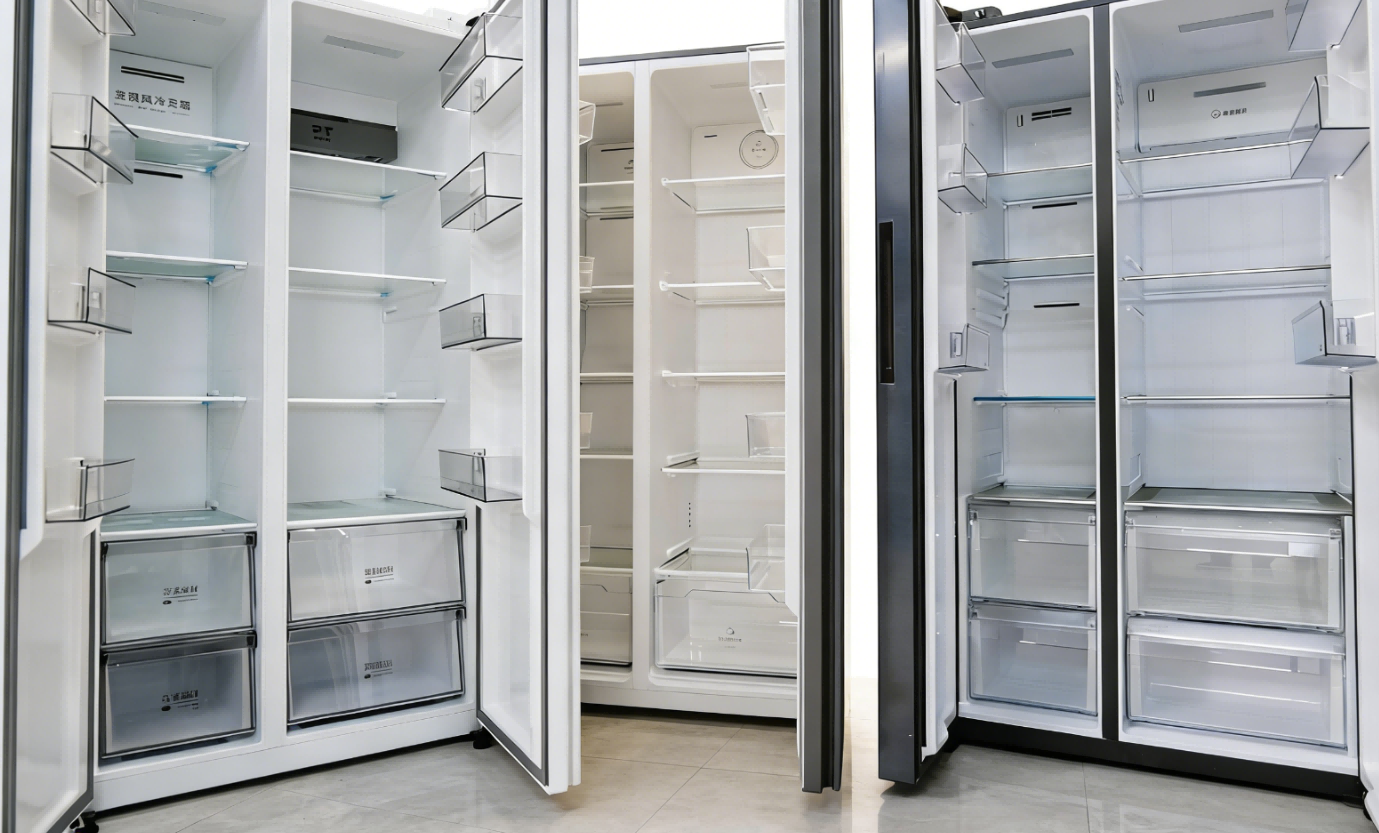
Two RIM parts from the same mold can look identical on the outside and fail for completely different reasons on the inside. One was shot at a material temperature 8°C colder, with a flow-rate imbalance that shifted the component ratio just enough to change cell structure and hardness. The other was demolded 40 seconds early, before full green strength developed. Without cycle data and part-level traceability, neither failure points to a cause. It points to an operator, a shift, or a material lot — and that is where production arguments begin.

What RIM Cycle Data Actually Captures
RIM and composite production are not single-parameter processes. A “cycle” is a chain of physical events: tank conditioning, pump start-up, recirculation, shot metering, impingement mixing, mold filling, cure, demold, and post-cure. Each event leaves a measurable footprint.
The data that matters is not the nominal recipe. It is the actual measured value during each shot:
| Cycle parameter | What it reveals in RIM and composite production |
|---|---|
| Shot weight or shot volume | Fill consistency, pump drift, early signs of ratio shift |
| Component flow rates | Ratio deviation before mixing, metering pump wear |
| Mixing head pressures | Impingement quality, partial clogging, seal condition |
| Material temperatures | Viscosity change, reaction speed, cure variation |
| Injection or pour time | Mold fill behavior, short-shot risk, gas entrapment |
| Demold time and mold temperature | Cure completion, green strength, dimensional stability |
| Mold station and operator ID | Station-specific variation, training or setup gaps |
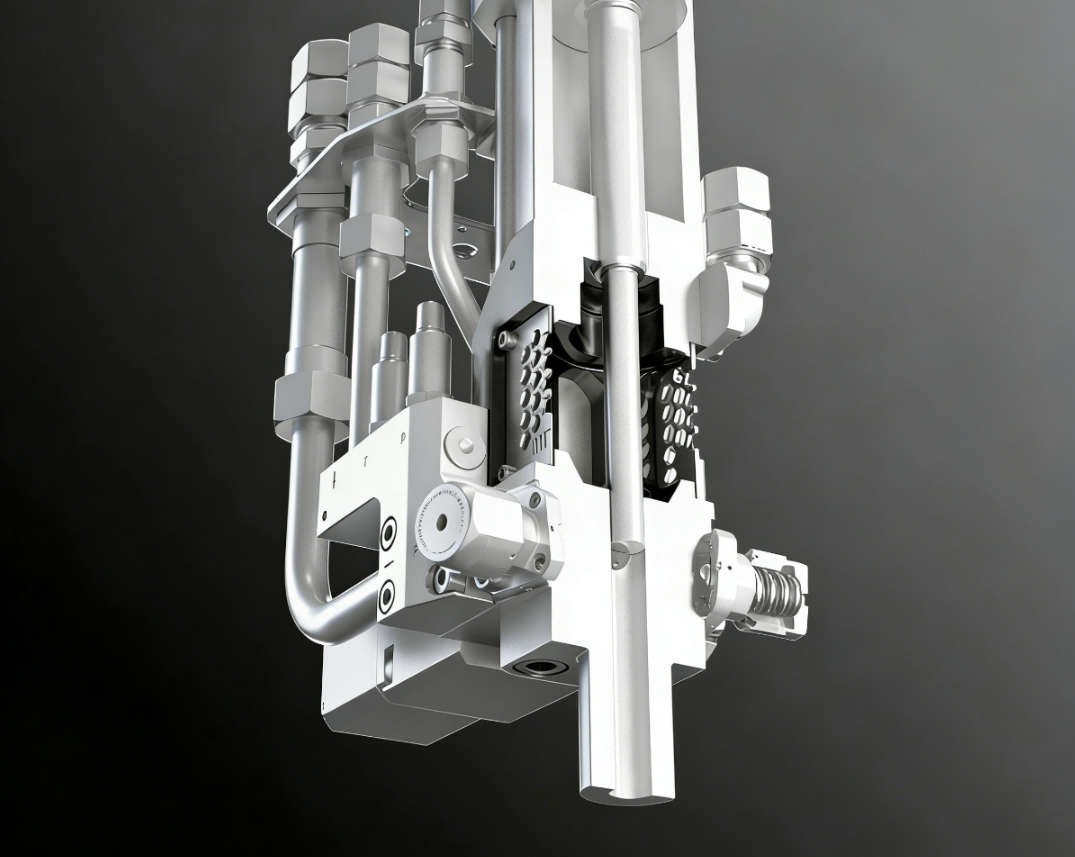
A recipe that says “component A at 35°C, ratio 1.00, injection time 1.2 seconds” is not a process. The process is what the machine actually does across 500 shots on a Tuesday afternoon. Cycle data closes the gap between those two things.
Why Blind RIM Production Fails
Without per-shot data, RIM problems are discovered downstream. A composite trim part passes visual inspection and fails a bond test days later. A microcellular jounce bumper feels right on the line and shows 8% lower compression set in the customer’s test lab. By then, thousands of parts may already be in WIP, shipping containers, or customer inventory.
The cost pattern is predictable: suspect everything, test more, quarantine entire lots, and still never fully prove root cause. ISO 9001:2015 requires that organizations identify and trace products throughout production when traceability is necessary for conformity or recall capability [1]. In automotive supply chains, IATF 16949 tightens that requirement further, expecting traceability to support defect containment and regulatory obligations [2].
Blind production also makes continuous improvement difficult. If you cannot link a hardness drift of two Shore A points to a measured demold-time change, you are left adjusting formulas rather than correcting process control. That is an expensive way to fix a metering problem.
From Cycle Logging to Part-Level Traceability
Cycle logging and part traceability are related, but they are not the same thing. Cycle logging records process conditions by time, shot number, or mold position. Part traceability links a specific physical part — or a serialized batch, tray, or pallet — back to those records and to raw-material lots.
A practical architecture starts at the machine control level. A polyurethane metering unit should record shot weight, component flow rates, pressures, temperatures, and pouring curves in an uneditable shot log. The HMI should enforce recipe selection, not merely suggest it. If an operator can manually override the ratio in the recipe, the traceability record is weakened at the exact point where errors occur.
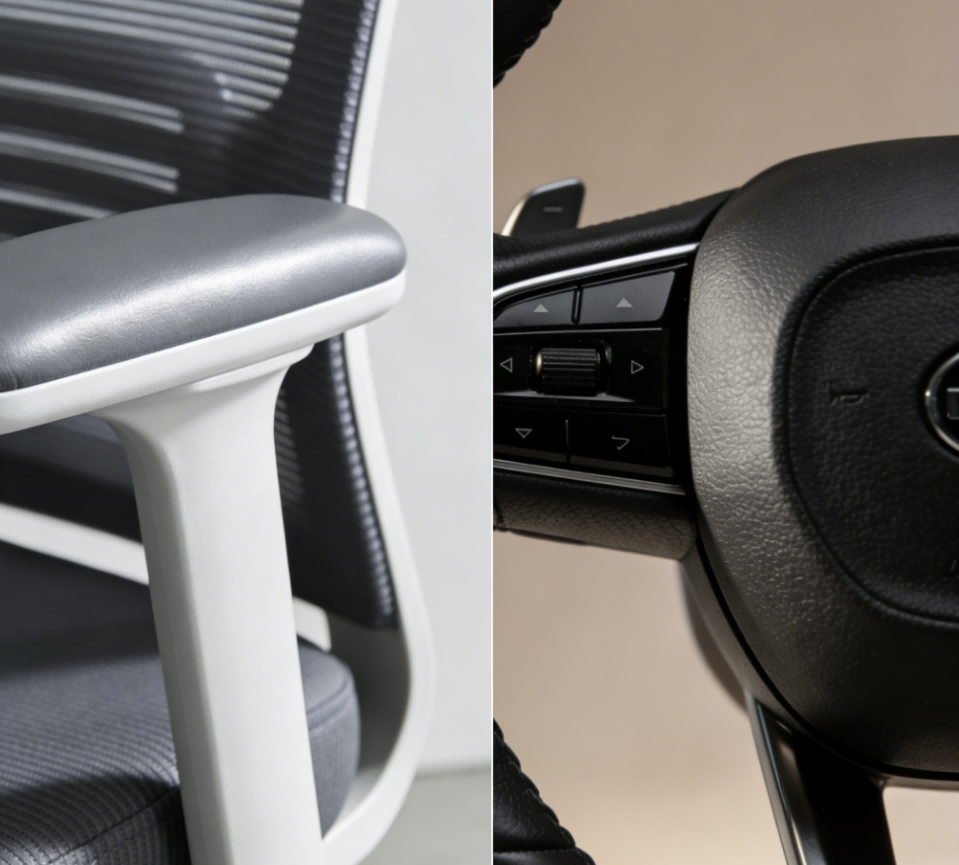
Above the machine level, MES or SCADA systems collect those records and attach them to production orders. Barcode scanning, RFID tags, or serialized mold carrier ID can bridge the gap between a shot record and a physical part. For high-volume RIM lines, barcode or QR-coded mold tags are often the lowest-cost reliable option. For lower-volume composite production with premium warranty exposure, serialized part numbers may be justified.
How Cycle Data Stabilizes RIM and Composite Quality
Cycle data becomes valuable when it is used as a control signal, not just as a historical archive. In high-pressure impingement mixing, for example, stable mixing depends on balanced component pressures at the mixing head. A pressure difference that develops over several shots may not immediately create visible defects, but it can reduce mixing quality enough to produce weak boundary layers or uneven cell formation.
High-pressure impingement mixing and closed-loop metering are the foundation of repeatable RIM shots. <High Pressure PU Foam Machine: Technical Specifications & Industry Applications> covers how machine-level parameters influence shot consistency.
The same logic applies to mold temperature. A mold-temperature recorder that runs independently of the machine provides data, but it does not by itself stop the next shot from being made on a cold mold. The stronger approach is to make demold release conditional on measured mold temperature and cure time. That converts traceability from a reporting function into a process interlock.
For metering, closed-loop control with flow feedback can correct ratio drift before a shot is made, rather than merely recording the drift afterward. This matters because RIM formulations have limited tolerance for ratio error. The failure mode is frequently density variation, hardness shift, or incomplete cure — not an immediate visual defect.
Selecting the right metering architecture affects both repeatability and what can be traced later. <Polyurethane Machinery 101: A Comprehensive Guide to Equipment Types and Engineering Selection> covers the equipment decisions behind a solid process-data backbone.

What to Require in a RIM Data and Traceability Specification
When writing a requirement specification for a RIM or composite production cell, data and traceability should be treated as equipment functions, not as a future software project added after commissioning.
The minimum viable data set for each shot should include:
- Shot weight and target weight
- Actual component flow rates and ratio
- Mixing head pressures during injection
- Material temperatures at the point of metering
- Mold temperature and demold time
- Pour or injection time
- Recipe ID and recipe version
- Operator, shift, and mold station ID
Beyond recording, the specification should define what the system does when a value leaves its control window. At a minimum, the machine should alarm. For critical parameters such as ratio error, injection time, or mold temperature, the preferred behavior is to block the next shot or quarantine the affected part. “Record only” is acceptable for historical review. It is not sufficient for high-warranty automotive or industrial composite parts.
The traceability range should also be defined by risk, not by convenience. A full serial-level traceability program for every RIM trim part may be overkill. But a brake-system composite component, a rail pad, or a structural insert may require exact lot-to-part linkage across multiple suppliers and process steps.
Take the Next Step
If you are specifying a new RIM cell or retrofitting an existing line with shot recording and part traceability, start with a clear list of the five parameters that have caused your most recent quality escapes. Equipment selection follows that list.
Haifeng Polyurethane Machinery engineers RIM and composite metering systems with closed-loop control, shot-log recording, and traceability-ready interfaces for downstream MES integration. To discuss cycle-data requirements, recipe control, or a retrofit scope, contact info@haifeng-automation.cn or WhatsApp +86 13566296633.
Frequently Asked Questions
Can traceability be added to an existing RIM machine?
Yes, in most cases. If the machine has a PLC and an HMI, shot data can usually be logged through an IIoT gateway or a retrofitted data logger. The limitation is sensor availability. A machine without flow meters or pressure transmitters cannot log what it does not measure. The first step is a sensor audit.
How much part-level data does a composite producer actually need?
It depends on customer warranty exposure, regulatory requirements, and process stability. For non-safety trim parts, lot-level or shift-level traceability is often enough. Safety-relevant or structural parts may require serialized or cavity-level tracing from raw-material lot to finished part.
Is recipe data the same as cycle data?
No. A recipe stores target values. Cycle data records actual values during each shot. Both are needed. Recipe management prevents setup errors; cycle data reveals drift, wear, and variation that a recipe alone cannot show.
What is the fastest ROI from cycle data?
Usually defect containment. When a failure appears, traceability can isolate the affected shot range, mold station, or material lot instead of quarantining an entire order. The second return comes from process tuning: stable data identifies the real lever before formula changes are made.
References
[1] ISO 9001:2015, Quality management systems — Requirements, International Organization for Standardization, Geneva, Switzerland.
[2] IATF 16949:2016, Quality management system requirements for automotive production and relevant service parts organizations, International Automotive Task Force.
[3] SAE J1739, Potential Failure Mode and Effects Analysis in Design (Design FMEA), Potential Failure Mode and Effects Analysis in Manufacturing and Assembly Processes (Process FMEA), SAE International, Warrendale, PA, USA.
[4] ISO 15512, Plastics — Determination of water content, International Organization for Standardization, Geneva, Switzerland.
If you’re interested, check out these related articles:
Tire Flat Proofing Liquid Filling Equipment
Polyurethane Turnkey Plants: Guide to KPU Shoe Upper Manufacturing
How to Start a Rain Boot Manufacturing Plant
How to Build a Turnkey Sandwich Panel Factory: Machine Configuration, Layout and Investment Planning